
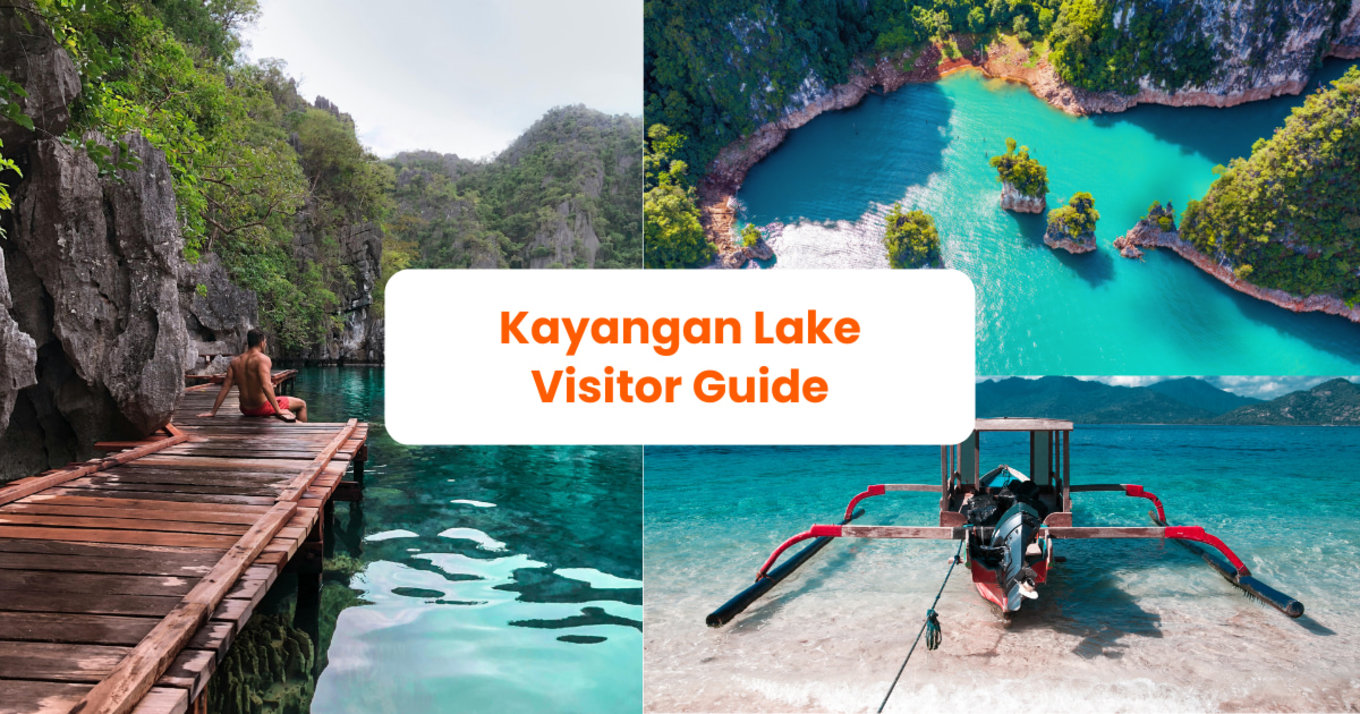
If you are familiar with the Philippine islands, you may have already seen the photo of Kayangan Lake’s turquoise water cupped between soaring limestone walls, so clear it barely looks real. Here’s the thing: It’s even better in person.
Why do people visit Kayangan Lake?
Travelers flock to Kayangan Lake for a glimpse of its stunning clarity; tucked away in the Philippine archipelago, it is celebrated as the cleanest lake in the country and a contender for the clearest in all of Asia.
The Jewel of Coron Island
Kayangan Lake is one of Coron’s most iconic natural sights: a sacred lake on Coron Island, known for its clear water, dramatic limestone scenery, and protected visitor experience.
- On Coron Island in the Calamianes, Palawan
- Ancestral land of the Tagbanua people
- Visitor numbers capped at 100 at a time for a more enjoyable experience
- Strict rules on noise and respectful conduct
- Unique mix of approximately 70% freshwater and 30% saltwater
- Underwater scenery includes limestone formations and ledges
- Surrounded by steep limestone cliffs and tropical greenery
- Famous viewpoint midway to the lake looks over Coron Bay and nearby islands
How to get to Kayangan Lake
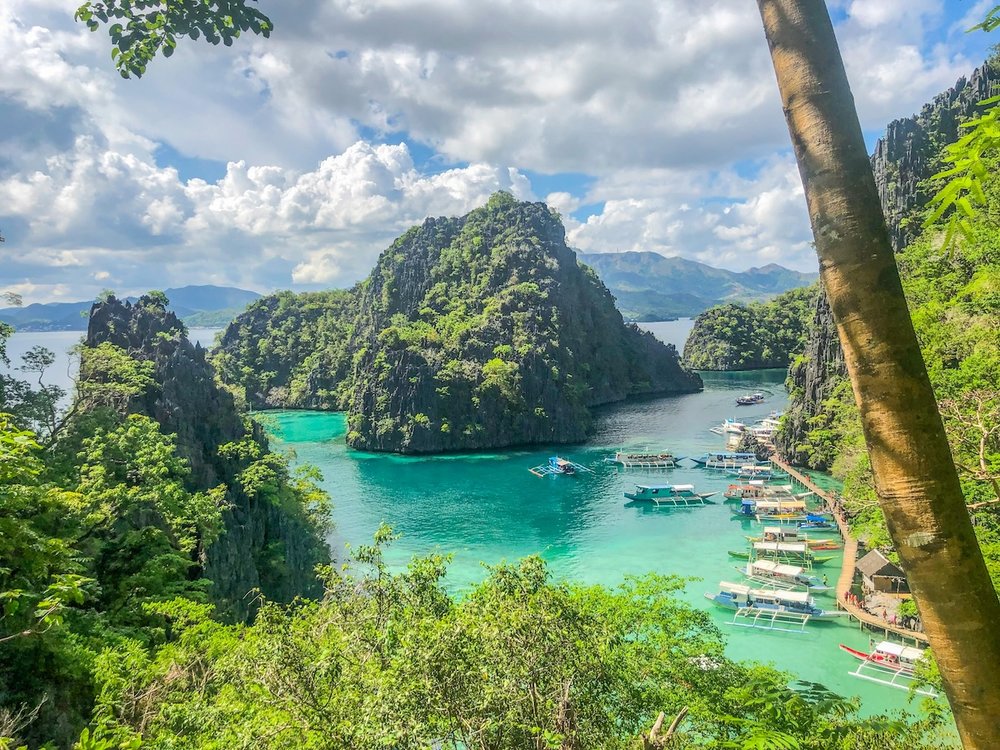
Image Source: Pexels
Coron Island is accessible only by boat from the neighboring island of Busuanga. You need to take the boat from Coron Town, which is on Busuanga, not Coron Island, as its name might suggest.
The boat service is well-organized and designed around tourists, and the journey across Coron Bay takes roughly 15 minutes.
Option 1: Group island-hopping tour
Group tours to Kayangan Lake typically include visits to other nearby attractions such as Twin Lagoons and Barracuda Lake, making them a popular choice for budget travelers. The majority of visitors arrive here during their island-hopping tour, and for good reason — it’s affordable, it’s hassle-free, and it allows you to see several of Coron’s best spots in a single day.
Tours to the island last around 8 hours, include a fresh lunch cooked on board or served on the beach, and most include snorkeling gear and site-visit fees. Klook can advise you on the best option, and if you book with us you get instant confirmation so you can plan the rest of your stay. Staff at your accommodation may also have booking contacts so you can compare the offers.
Klook tip: Look for tours marketed as “Coron Tour A” or one of the various “Coron Ultimate” packages, which typically combine Kayangan Lake with Twin Lagoon, Barracuda Lake, Skeleton Shipwreck, and Banul Beach.
Option 2: Private boat charter
Experienced visitors to Kayangan Lake often recommend the private-hire approach because group tours tend to follow similar timetables, which means large tour groups arrive all at once. Klook can arrange private trips with boat operators in the harbor, an option that gives you control over your schedule and, crucially, lets you arrive early.
A private charter gives you a chance to experience Kayangan Lake with very few other visitors around, but you must head out well before the tour operators start. Some boat services are willing to depart at 6 am, though this usually needs to be arranged the day before.
You do pay more than you would for a group tour, but the premium is relatively modest, and for many people, the experience of swimming in Kayangan Lake in near silence is worth every extra peso.
How much does a Kayangan Lake tour cost?
Option | Typical cost | What’s usually included | Notes |
Group tour | ₱1,200–1,800 per person | Boat tour, lunch, snorkeling gear, site fees | Usually part of Tour A or similar island-hopping itineraries |
Private boat charter | ₱3,000–4,000 per boat | Boat and crew | Usually for small groups; site fees may be extra |
Site fee | ₱300 per person | Entry to Kayangan Lake | Often already included in group tour prices |
Snorkeling gear rental | ₱150–300 per person | Mask and snorkel | Often included in tours, but not always |
Note: There may be additional costs for environmental fees, which can vary depending on the boat company.
What to expect when you arrive at Kayangan Lake
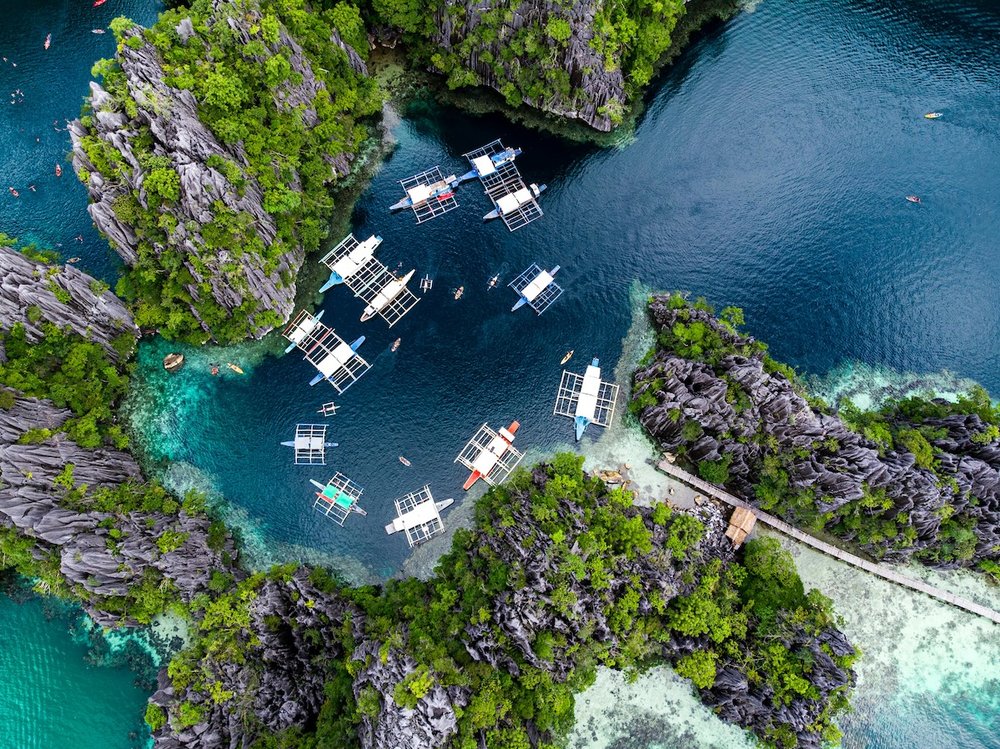
Image Source: Pexels
When you arrive at Kayangan Lake, your boat docks at a small pier in a sheltered bay. The water here is already strikingly clear, and this isn’t even the lake yet. From the pier, you follow a short trail that climbs roughly 180 steep steps to the viewpoint, then descends another 150 or so to the lake below.
The climb takes about 10–15 minutes at an easy pace. The stairs are well-maintained, and the trail is shaded, so it’s rarely as taxing as the step count suggests. Along the way, the vegetation thickens, and the sounds of the bay fade. Then, the viewpoint appears, and this is where most people gasp. The panorama over Coron Bay, framed by limestone karst formations, is genuinely jaw-dropping. Take your photos, catch your breath, and then continue down.
At the base of the trail, the lake opens up: a long, enclosed blue-green body of water, hemmed in by rock on all sides. A small wooden platform and walkway border one edge. You can leave your dry bags and shoes here, then step in.
When is the best time of year to visit Kayangan Lake?
Anytime from November to June can be a great time to visit Kayangan Lake.
- Peak season (November–May): The dry season brings clear skies, calm water, and near-certain conditions for island hopping. December through March is the best time of year, though it’s also the most popular, meaning bigger crowds.
- Shoulder months: November and late April/May offer dry-season weather with noticeably thinner crowds than the December–March peak.
- Quieter months: June and November attract far fewer tourists. Some rain is possible, but the lake remains open, and the scenery is green and lush.
- Months to avoid (July–October): This is typhoon season. Tours may be canceled, and boat trips can be rough. The lake stays beautiful, but the journey there becomes unpredictable.
Note: Visiting Kayangan Lake on weekdays can also help avoid the peak crowds, especially during the busy season in April.
What should you wear and bring to Kayangan Lake?
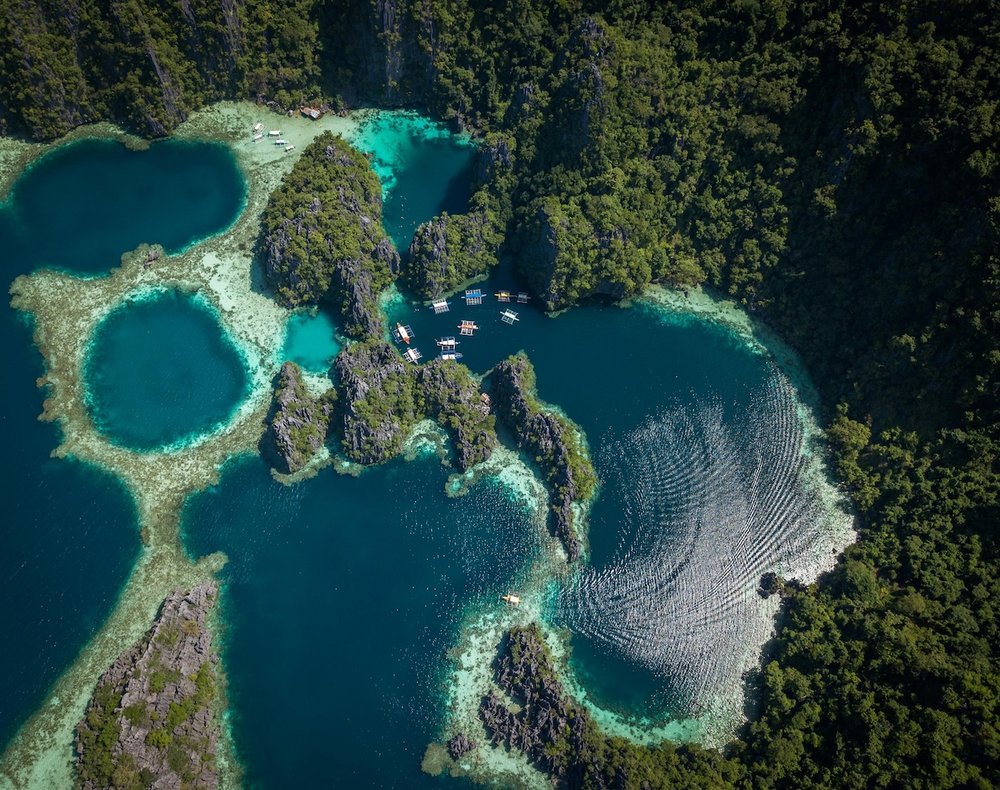
Image Source: Pexels
- Swimwear under light, quick-dry clothing is ideal. You’ll want to be ready to get in the water quickly
- Comfortable footwear that you don’t mind getting wet. Water shoes or sturdy sandals with grip are ideal for the rocky trail and slippery boardwalk.
- Reef-safe sunscreen, applied before you leave Coron Town. The lake’s ecosystem is fragile, and chemical sunscreens are genuinely harmful to it. Tourists are encouraged not to apply sunscreen at the site itself.
- A dry bag for your phone, wallet, and camera. You'll be exposed to a lot of spray during the boat ride, and for the trek to the lake, you’ll want your hands free.
- A quick-dry towel and a spare change of clothes for the journey back
- A refillable water bottle in case the tropical sun and the climb make you thirsty
- A rash guard or UV shirt for sun protection while snorkeling. You’ll be in the water longer than you think.
- A life jacket. All swimmers are required to wear a life jacket in Kayangan Lake at all times, a rule introduced following drowning incidents. The lake has few areas where you can stand up in the water, and some sections drop to considerable depths.
Snorkeling tips for Kayangan Lake visitors
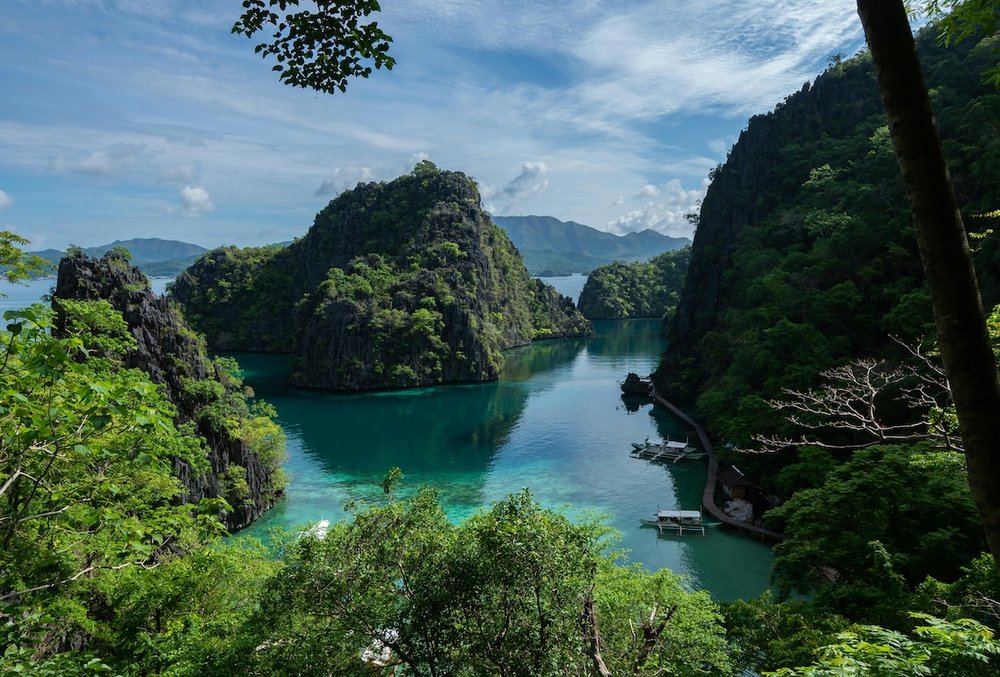
Image Source: Pexels
Snorkeling at Kayangan Lake is unlike anywhere else. The water is so clear that you barely need to dip your face in to see the rock formations below. That said, a few things will make the experience significantly better:
- Bring your own mask if you can. Tour-provided gear is functional but often ill-fitting. A mask that seals properly to your face transforms the experience. Even a basic model from a dive shop in Coron Town is better than a loose rental.
- Defog your mask before entering. A small smear of baby shampoo or saliva on the lens, rinsed lightly, prevents the fogging that plagues most snorkelers in warm water.
- Don’t fight the life jacket — use it. Buoyancy is your friend when you’re trying to peer down at rock formations. Relax on the surface, let the jacket hold you, and look down. The view is more dramatic from the surface than you might expect.
- Stay in the shallower areas near the edges, where the formations are most visible. The tour guides will typically direct groups to these zones — follow their lead, both for the best viewing and for safety.
- Move slowly and look sideways as well as down. The limestone walls continue below the waterline, and the interplay of light and shadow on the rock face is spectacular.
- Look, but don’t touch. Disturbing the rocks or the algae that coats them damages what makes this place extraordinary. Look, float, wonder — and leave it exactly as you found it.
- A waterproof camera or GoPro is absolutely worth it. Morning light filtering down through the clear water creates extraordinary underwater photography conditions that almost any waterproof camera can capture.
Kayangan Lake: A dreamscape that endures
Kayangan Lake is the kind of place that pops into your thoughts long after your visit. Seasoned travelers who think they’ve seen everything come away from it genuinely speechless. The combination of natural beauty, cultural significance, and the simple act of floating in water so clear it seems imaginary adds up to something that’s difficult to describe but easy to feel.
Ideally, you’ll leave the logistics to someone else, so you soak in those sensations worry-free. The Coron Super Ultimate tour gives you the freedom to do just that.
Go early. Go quietly. Make this connection with nature the highlight of your time in this part of the world.
Kayangan Lake FAQs
1. How do you get to Kayangan Lake?
Kayangan Lake is located on Coron Island in Palawan. To get there, you must take a 15-minute boat ride from Coron Town. Most visitors reach the lake by joining a shared island-hopping tour or by hiring a private boat at the town’s pier.
2. How many steps is the hike to Kayangan Lake?
The hike to Kayangan Lake consists of 330 wooden and limestone steps. It is a moderate climb of 150 steps up to a mountain pass (where the famous viewpoint is located), followed by another 180 steps down to reach the lake itself. The path can be slippery when wet, so sturdy footwear is recommended.
3. Do you have to wear a life jacket at Kayangan Lake?
Yes, wearing a life jacket is mandatory for all visitors entering the waters of Kayangan Lake, regardless of swimming ability. This rule is strictly enforced by local authorities to ensure safety and to protect the lake’s delicate underwater rock formations from being stepped on or damaged.
4. Is the water in Kayangan Lake fresh or salt water?
Kayangan Lake consists of approximately 70% freshwater and 30% saltwater. This unique mixture results from seawater seeping through the limestone cliffs and mixing with rainwater. The water is exceptionally clear, with visibility often reaching depths of up to 40 meters.
5. What is the best time to visit Kayangan Lake?
The best time to visit Kayangan Lake is during the dry season (November to May) for the calmest waters and best visibility. To avoid the heaviest crowds, try to arrive before 9:00 AM or visit during the "off-peak" hours in the mid-afternoon before the park closes.
What is Klook?
Klook is a leading pan-regional experiences platform in Asia Pacific, purpose built to digitalize experiences and make them accessible to every traveler.
Our mission is to build the digital infrastructure for the global experience economy — empowering merchants to share their passions and travelers to discover the heartbeat of each destination. We operate a mobile-first, curated platform featuring diverse experiences across global destinations.