
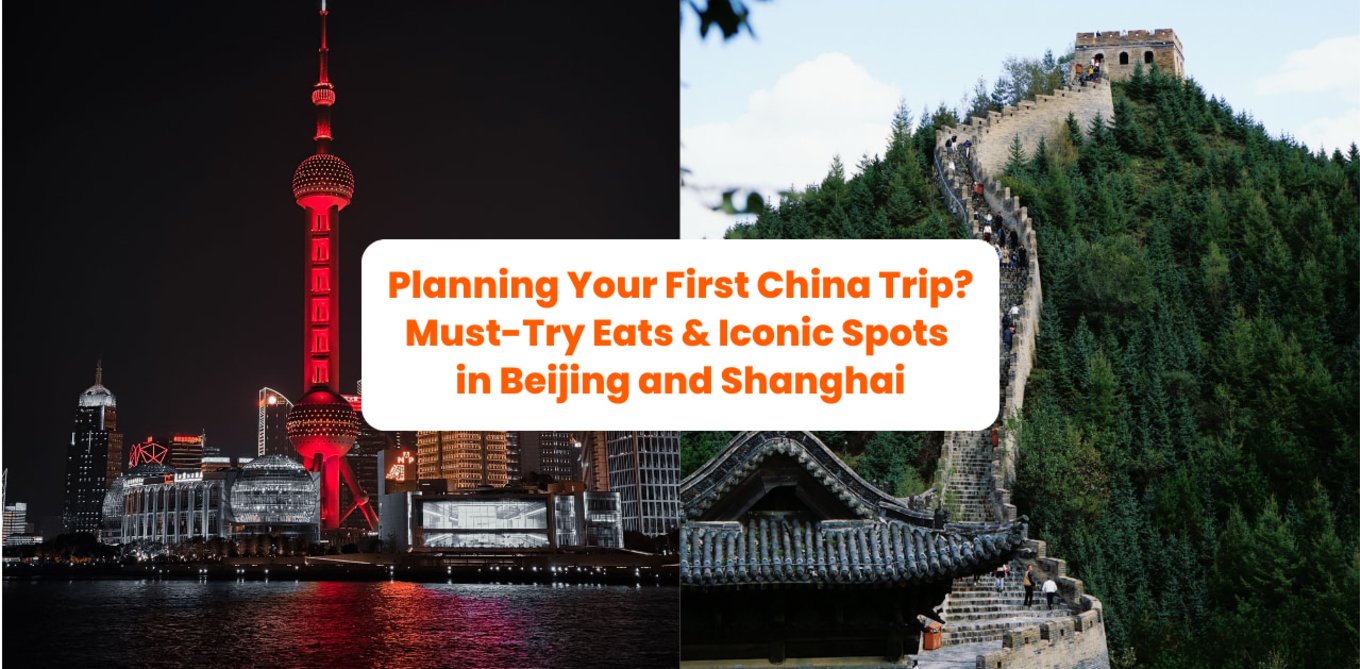
China’s two most famous metropolises couldn't feel more different. Beijing is the grounded, historic heartland where imperial grandeur meets ancient alleyways. Shanghai, by contrast, is a sleek, hyper-modern global hub where colonial European architecture faces off against sci-fi skyscrapers.
Here is your essential guide to navigating the must-visit landmarks, iconic bites, and local secrets in both cities.
Want more deals?

1. Beijing: Imperial Splendor & Ancient Alleyways
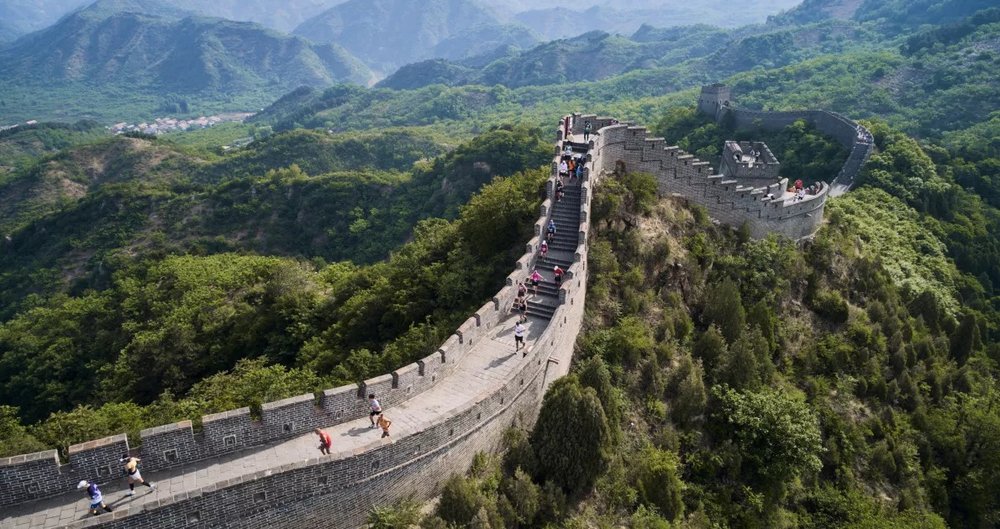
Photo Source: Great Wall Marathon Official Website
Must-Visit Landmarks
The Forbidden City & Tiananmen Square: The world's largest palace complex housed 24 emperors across the Ming and Qing dynasties. Pro-tip: Book tickets online well in advance, and climb Jingshan Park right behind the northern gate for a panoramic photo over the yellow-tiled roofs.
The Great Wall (Mutianyu or Jinshanling): Skip the overcrowded Badaling section. Head to Mutianyu for restored watchtowers and a toboggan ride down, or Jinshanling if you want rugged, semi-restored hiking with far fewer crowds.
Wangfujing Street (王府井): One of Beijing's most famous pedestrian shopping streets. It blends modern department stores with bustling food stalls and traditional shops selling snacks like Tanghulu (candied hawthorns on a stick).
Temple of Heaven: A serene park where emperors prayed for good harvests. Visit early in the morning to see locals practicing Tai Chi, fan dancing, and calligraphy on the pavement.
Famous Eats
Peking Roast Duck (北京烤鸭): Crisp skin dipped in sugar, followed by tender meat wrapped in thin pancakes with scallions, cucumber, and sweet bean sauce.
Where to try: Siji Minfu (四季民福) for traditional roast duck with view of the Forbidden City moat, or Dadong for a leaner, contemporary twist.
Zha Jiang Mian (炸酱面): Thick wheat noodles topped with savory fermented soybean paste, minced pork, and fresh julienned vegetables.
Jianbing (煎饼): The ultimate Beijing street-side breakfast—a savory crepe folded with eggs, crispy wonton crackers, scallions, and hoisin-chili sauce.
Hidden Gems
Wudaoying Hutong (五道营胡同): Unlike the commercialized Nanluoguxiang, Wudaoying offers a relaxed mix of indie coffee shops, artisanal boutiques, and craft beer bars tucked into ancient residential alleyways.
Fagui Temple / Summer Palace Back Lake: While tourists flock to the main pavilion at the Summer Palace, the tranquil back lake area feels like a secluded Jiangnan water town surrounded by shaded canals.
2. Shanghai: Cyberpunk Skylines & Old-World Glamour
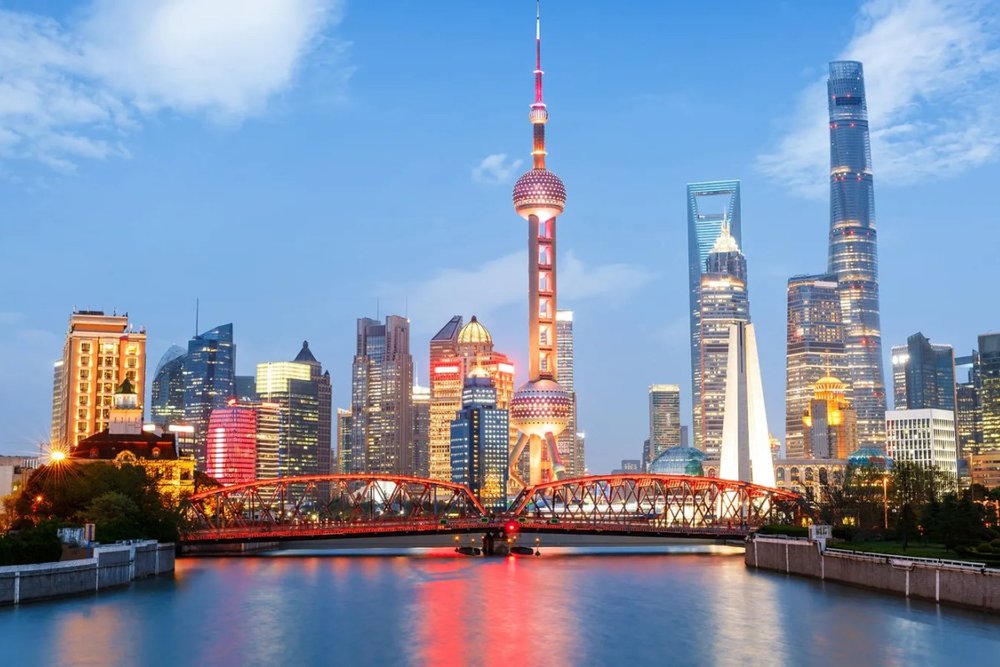
Must-Visit Landmarks
City God Temple (Chenghuang Miao): A folk temple complex dedicated to the three protective gods of the city. Located within the old walled city, it is surrounded by vibrant, traditional-style commercial bazaars that glow brilliantly at night.
Yu Yuan Garden (Yu Garden): Right next to the City God Temple, this 450-year-old classical Ming Dynasty garden features tranquil koi ponds, rockeries, bridges, and dragon-topped walls tucked right inside the buzzing city center.
Anfu Road (安福路): The ultimate influencer and lifestyle hub in the Former French Concession. Lined with plane trees, chic bakeries, boutique cafes, fashion pop-ups, and street style photography, it offers a glimpse into modern Shanghainese youth culture.
Nanjing Road Pedestrian Street (南京东路): Shanghai's premier shopping thoroughfare stretching towards The Bund. Lit by giant neon signboards, it is packed with flagship stores, historic department stores, and local food shops.
Famous Eats
Hongshao Rou (红烧肉): Braised pork belly simmered in soy sauce, Shaoxing wine, and rock sugar until melt-in-your-mouth tender.
Xiaolongbao (小笼包): Shanghai’s legendary soup dumplings stuffed with minced pork and rich broth.
Where to try: Jia Jia Tang Bao (佳佳汤包) for thin skin and fresh pork/crab meat fillings, or Din Tai Fung for reliable consistency.
Shengjian Bao (生煎包): Pan-fried pork buns with a crispy, sesame-crusted bottom, chewy dough top, and hot soup inside.
Where to try: Yang’s Fry-Dumpling (小杨生煎).
Hidden Gems
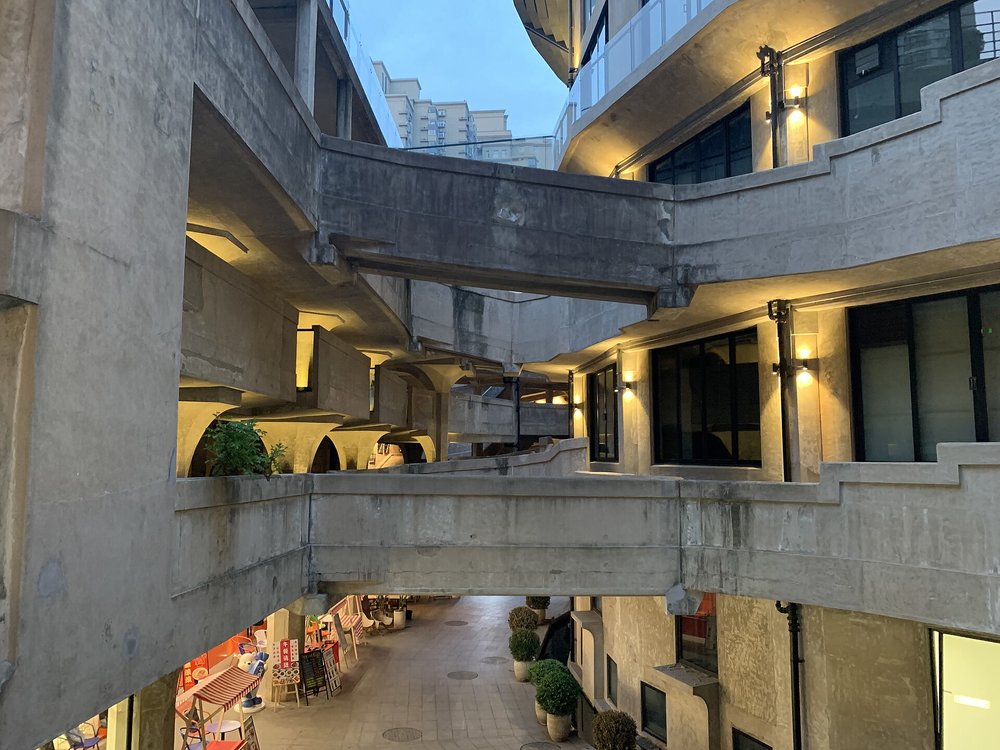
Photo source: Chainwit (Wikimedia Commons)
1933 Slaughterhouse (1933 老场坊): A former municipal abattoir turned creative park. Built in Art Deco style with interlocking concrete ramps, air bridges, and spiral staircases, it feels like a real-world M.C. Escher drawing.
Tianzifang Back Alleyways: Tucked off Taikang Road, this maze of Shikumen (stone-gate buildings) hides speakeasy cocktail lounges, local art studios, and hidden roof decks away from the main thoroughfare.