🌌 Turns out, Australia’s got its own light show and it’s breathtaking.
You’ve heard of the Northern Lights, but did you know
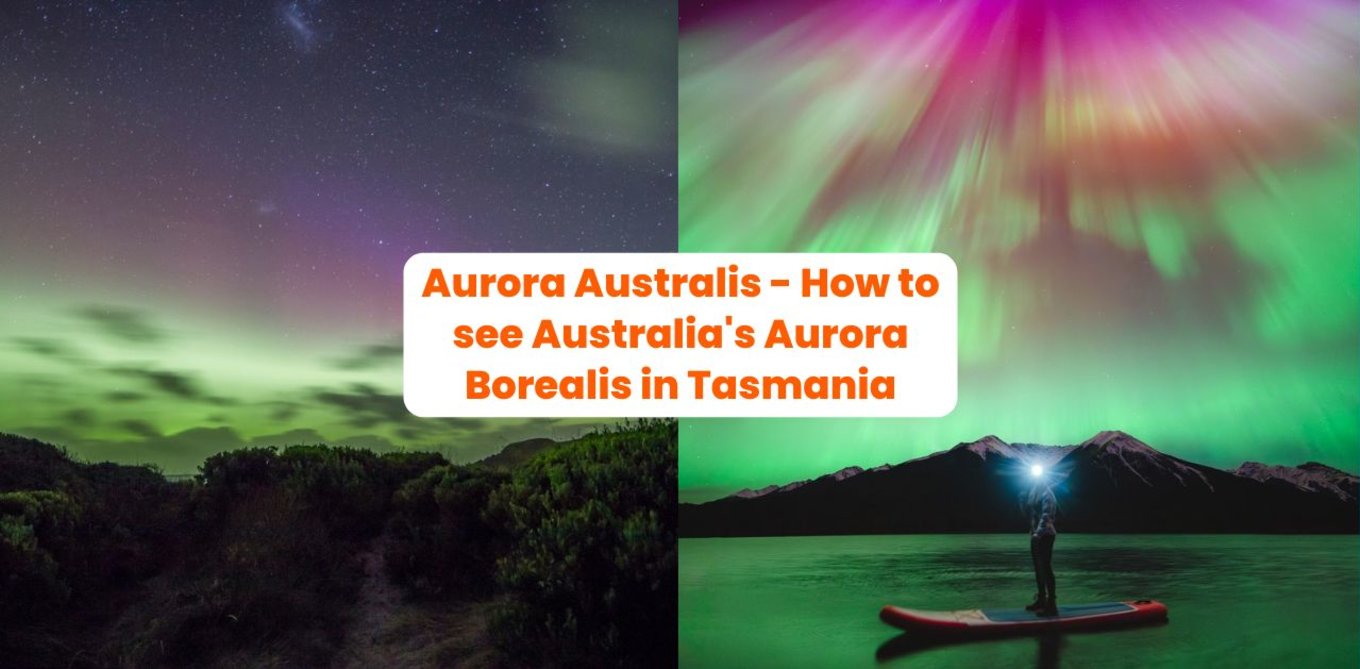
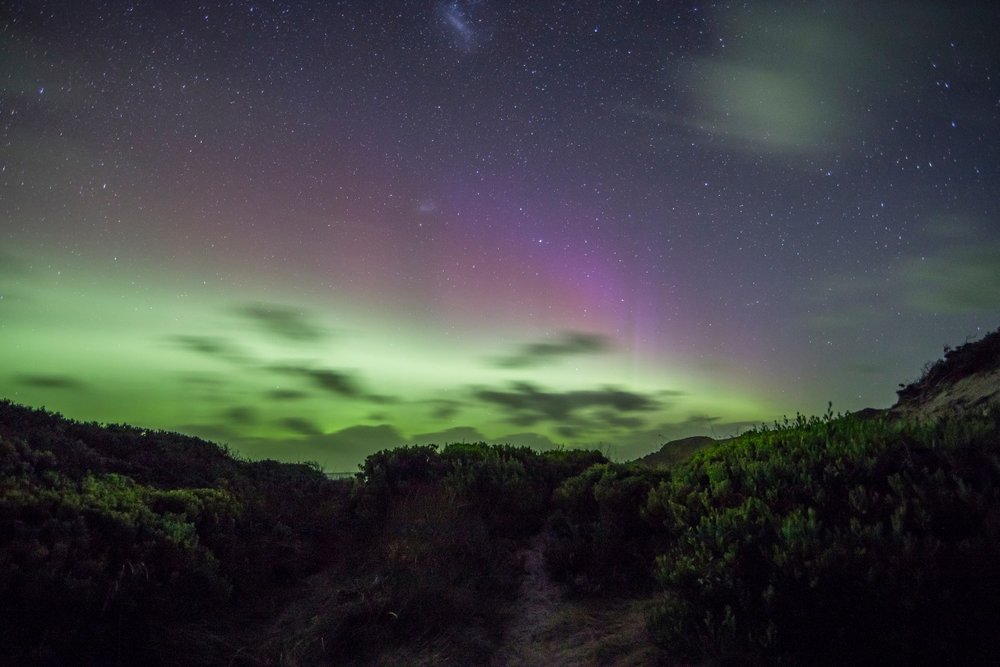
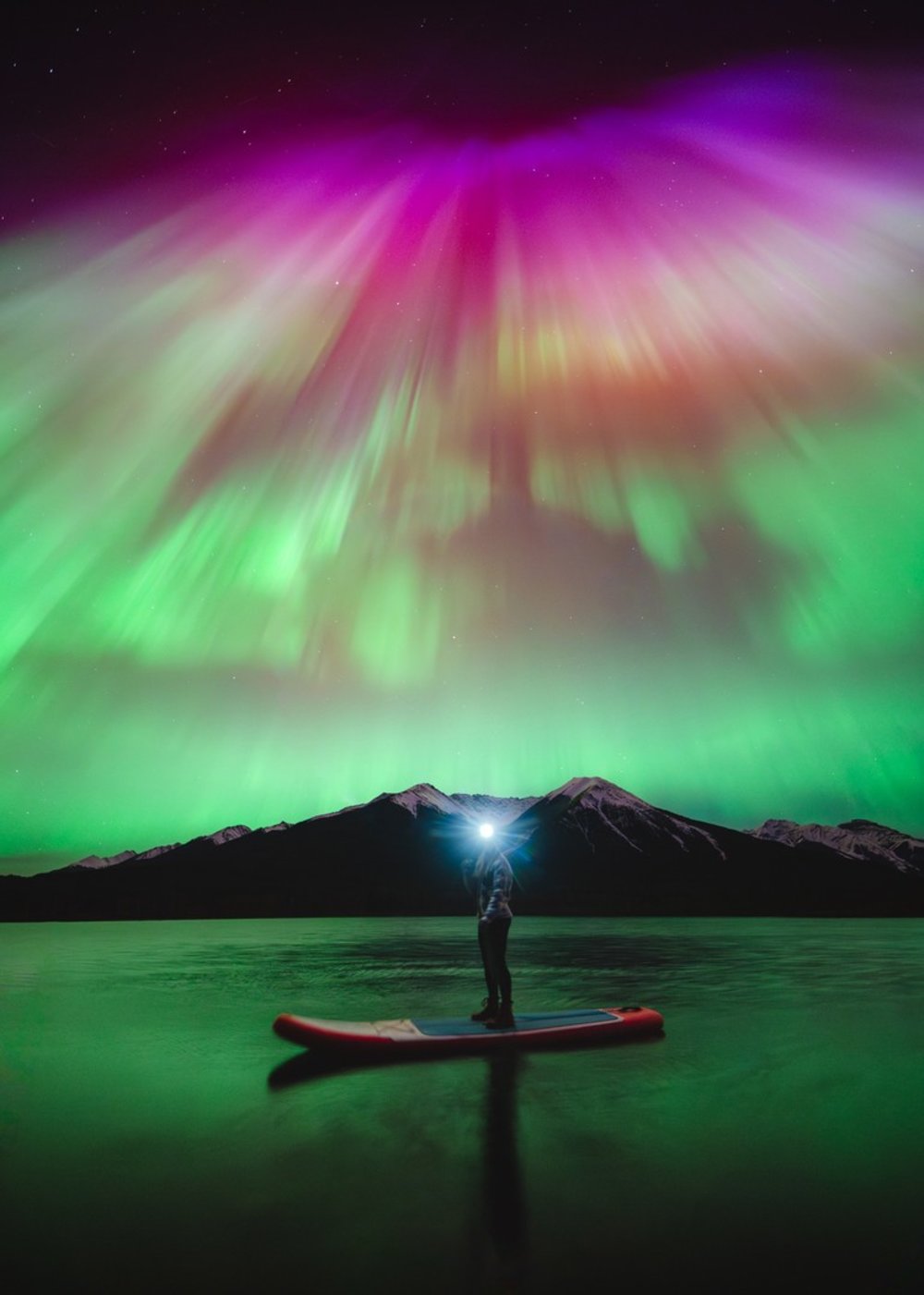
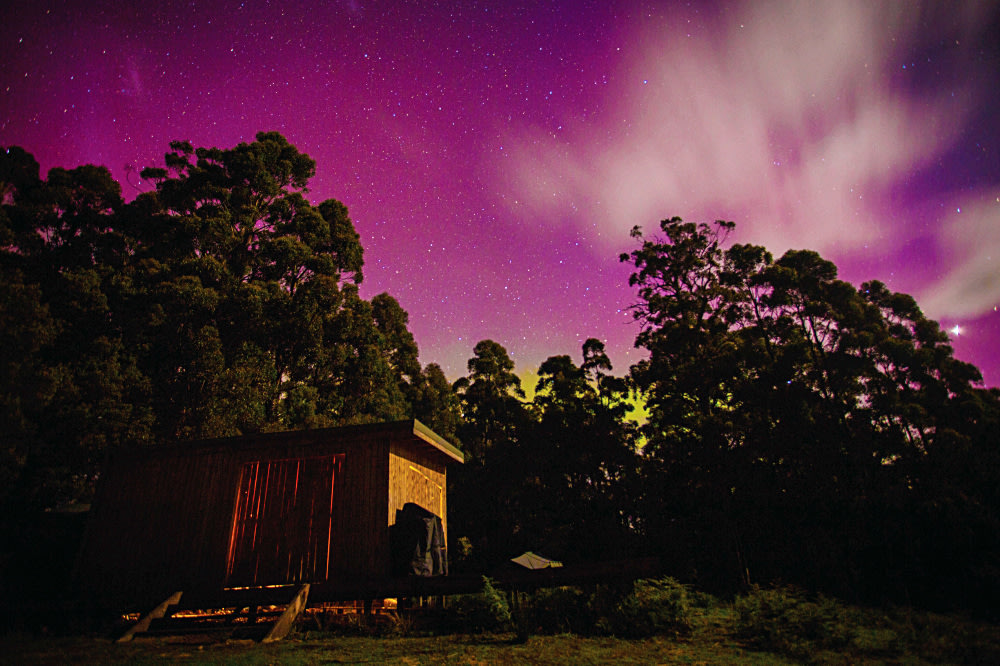
Australia has its own version? The Aurora Australis (Southern Lights) occasionally lights up Tasmania’s night sky, painting it in waves of green, pink, and violet.
Imagine standing under that dark southern sky as faint colors begin to shimmer across the horizon. Thanks to its southern location, Tasmania is one of the best places in the world where you can see the Aurora Australis, no need to fly all the way to Iceland or Norway. With that said, here’s how you can catch the Aurora Australis in
Australia — where to go, when to look, and how to boost your chances of seeing it glow.
Here's 6% off on us!
More to love in Australia, and New Zealand!
🔥 Australia & New Zealand Essentials
🦘 Popular Attractions in Australia & New Zealand
✨ More Activities in Australia & New Zealand to explore
Best Places in Tasmania to See the Aurora Australis
To boost your chances, look for dark southern horizons away from city lights. Tasmania has several perfect spots where to see Aurora Australis when conditions align.
Here are some of the top viewing locations:
Location | Why it’s Good | Notes and Tips |
Bruny Island (The Neck, southern shores) | Minimal light pollution, wide southern view | Climb the stairs at The Neck for a clear vantage toward the south. |
South Arm Peninsula / Goat Bluff | Close to Hobart but still relatively dark | Photographers often favor Goat Bluff for reflections and open sky. |
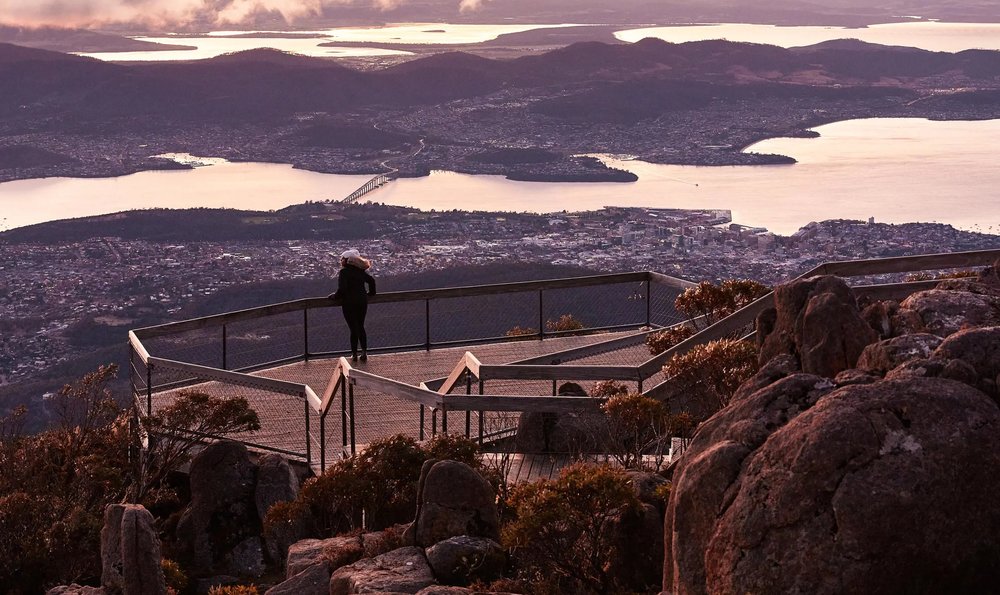
Kunanyi / Mount Wellington | Elevated point near Hobart, providing panorama | On nights with strong Aurora activity you may see from the summit, but watch for weather, clouds and cold. |
Cockle Creek (southern tip of Tasmania) | Remote, dark and very south | One of the furthest points from light pollution that offers excellent conditions. |
Rosny Hill, Mount Nelson, Howden, Tinderbox, Seven Mile | Convenient for Hobart-based watchers | These are closer in, so good for quick attempts when forecasts hint at strong displays. |
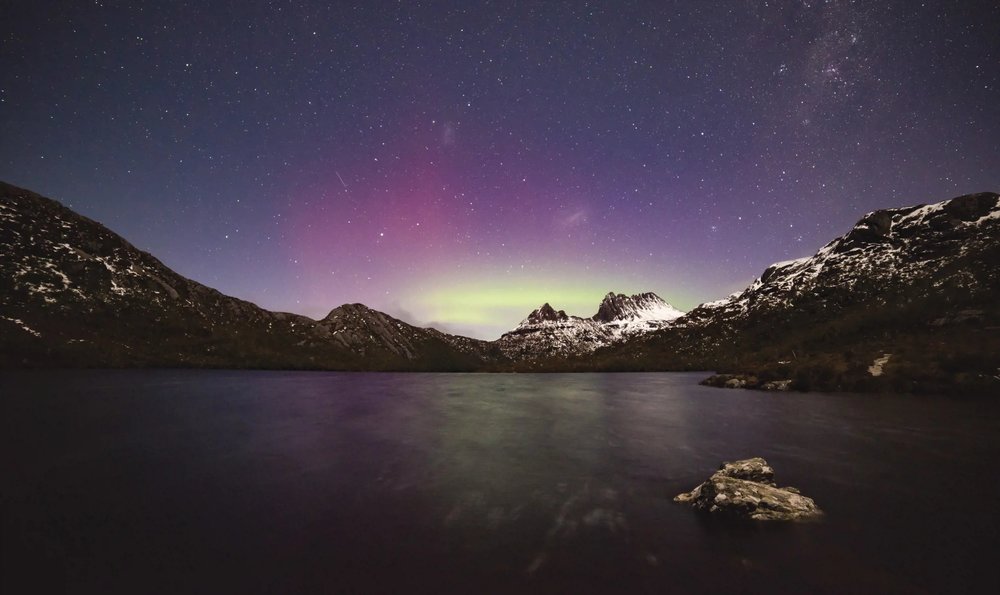
Cradle Mountain / Dove Lake | Wilderness + still water reflections | For a spectacular landscape foreground if the skies are favorable. |
Tasman and Freycinet Peninsulas, East Coast | Coastal vistas and dark skies | Good fallback options, especially when southern Tasmania is cloudy. |
When & Under What Conditions to Look
Even the best locations won’t help without the right sky conditions. Understanding when and where to look is key to spotting the Aurora Australis in Australia.
Timing & Season
Best months: May to August (long, dark winter nights)
Also good: March to September (cooler seasons with limited daylight)
Best time: After sunset until before dawn, especially between 10 PM to 2 AM
Moon phase: Avoid full moons; new or crescent moons create the darkest skies
💡Klook tip: Locals call winter “aurora season” so long nights mean more chances for the Southern Lights to appear.
Forecasts, Solar Activity & Alerts
Did you know that the Aurora Australis is powered by solar storms when particles from the sun collide with Earth’s atmosphere. So while the lights are unpredictable, space weather forecasts can help you plan.
💡 Klook tip: Follow local aurora watch pages for quick alerts — some displays appear with only an hour’s notice.
Sky & Environmental Conditions
Clear skies and low light pollution are essential for aurora hunting.
Head to rural or coastal areas for unobstructed views.
Avoid bright lights, tall buildings, or forested areas facing south.
Dress warmly — Tasmanian nights can drop close to freezing, especially in winter.
💡 Klook tip: Cold, crisp air often creates sharper sky contrast, making auroral colors more visible.
📸 Tips for Spotting and Photographing the Aurora
The Aurora Australis often appears fainter to the naked eye, so your camera may capture colors you can’t immediately see.
Use a tripod for long exposure shots.
Choose a wide-angle lens to capture the landscape and sky together.
Adjust ISO (around 1600–3200) and shutter speed (10–20 seconds).
Add a foreground (trees, lakes, or rocks) for better depth.
Stay patient and keep experimenting with settings.
💡 Klook tip: A faint green haze in your photos is often the first sign that the Aurora is building up.
Aurora Australis Beyond Tasmania — The Rest of Australia
Tasmania offers the best conditions where to see Aurora Australis, but during strong solar storms, the lights sometimes reach the mainland.
In 2025, during a rare geomagnetic event, the Southern Lights were visible across Victoria, South Australia, New South Wales, and parts of Western Australia.
Possible mainland viewing spots:
Coastal Victoria (Cape Otway, Wilsons Promontory)
Fleurieu Peninsula, South Australia
Albany Coast, Western Australia
💡Klook tip: Mainland sightings are uncommon, but when the solar winds are strong, even faint glows can be seen hundreds of kilometers north of Tasmania.
Time to Chase the Light! 💫
The Aurora Australis is a rare reminder of how lucky we are to witness the world’s quiet magic. You might wait for hours in the cold, unsure if it will appear, then suddenly the sky begins to glow. Whether you’re on a Tasmanian beach or a mountain lookout, every shimmer feels like a secret shared with the universe. When the colors finally dance, it’s not just the view that takes your breath away — it’s the journey that led you there. So go ahead, chase the light.
Related Articles