Magellan's Cross Tickets & Tours
Cebu City Private Day Tour with Simala Shrine
Cebu City Half-Day Tour with Hillyland
Private Cebu & Mactan Twin City Tour
Cebu City Half-Day Joiner Tour

Cebu City with Sirao Garden Half Day Historical Tour
4D3N Cebu-Bohol Highlights Tour
4D3N Cebu Highlights and Bantayan Island Tour
Cebu City Half-Day Historical & Street Food Tour
Twin City Tour (Cebu City & Lapu-lapu) by Southwest Tours
Where to stay in Magellan's Cross
Transport to & from Magellan's Cross
Cebu Car Rental with Driver
Cebu Car Rental with Driver
Cebu Private Transfers between Moalboal, Oslob, Alegria, and More
Cebu Private Transfers between between Danao, Hagnaya and more
Private Transfer between Cebu Pier and Cebu City/Mactan
Cebu Private Transfers between Cebu City/Mactan and Cebu Pier
Private Transfers between Cebu Pier and Mandaue, Liloan and More by Southwest Tours
Restaurants near Magellan's Cross
Meatogether Grill & Shabu-Shabu in Ayala Malls Central Bloc Cebu
Earth All Day Dining in Cordova at Solea Mactan
In Room Dining at bai Hotel Cebu
Marble + Grain Steakhouse at bai Hotel Cebu
Ume Japanese Cuisine at bai Hotel Cebu
Lobby Lounge at bai Hotel Cebu
Magellan's Cross Reviews
Popular places near Magellan's Cross
FAQs about Magellan's Cross
When is the best time to visit Magellan's Cross in the Philippines?
When is the best time to visit Magellan's Cross in the Philippines?
How can I get to Magellan's Cross from the airport?
How can I get to Magellan's Cross from the airport?
What local food should I try when visiting Magellan's Cross?
What local food should I try when visiting Magellan's Cross?
What should I keep in mind when visiting Magellan's Cross?
What should I keep in mind when visiting Magellan's Cross?
What should I wear when visiting Magellan's Cross?
What should I wear when visiting Magellan's Cross?
What to know about Magellan's Cross
Remarkable Landmarks and Must-Visit Sights
Magellan's Cross Pavilion
Step into a piece of history at the Magellan's Cross Pavilion, an octagonal stone kiosk that stands as a beacon of faith and exploration. Completed in 1834, this coral stone structure houses the legendary cross planted by Ferdinand Magellan's expedition in 1521, marking the dawn of Christianity in the Philippines. As you enter, let your eyes wander to the stunning mural that vividly captures the baptism of Rajah Humabon and the historic planting of the cross. This pavilion is not just a monument; it's a gateway to the past, inviting you to explore the rich tapestry of Cebu's cultural and religious heritage.
Basilica del Santo Niño
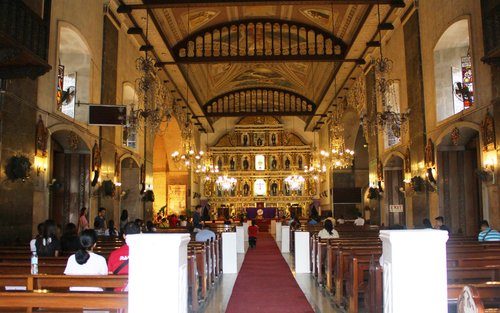
Discover the spiritual heart of Cebu at the Basilica del Santo Niño, a revered site that stands proudly beside Magellan's Cross. As a declared National Cultural Treasure of the Philippines, this historic church offers a profound glimpse into the country's deep-rooted Catholic traditions. Whether you're a history enthusiast or a spiritual seeker, the basilica's rich heritage and architectural grandeur promise an unforgettable experience. Step inside to feel the pulse of centuries-old devotion and witness the enduring legacy of faith that continues to inspire visitors from around the world.
Magellan's Cross
Embark on a journey through time at Magellan's Cross, a symbol of the Philippines' rich historical tapestry. Housed in a quaint chapel near the Basilica Minore del Santo Niño, this iconic cross is encased in a tindalo wood cross for protection, representing the pivotal moment when Christianity first touched the shores of Cebu. As you stand before this revered landmark, imagine the waves of change it heralded in 1521, and let its story of faith and exploration resonate with your own journey. Magellan's Cross is more than just a relic; it's a testament to the enduring spirit of discovery and belief.
Culture and History
Magellan's Cross is a symbol of the first circumnavigation of the world and the introduction of Christianity to the Philippines. The cross, encased in tindalo wood to protect it from deterioration, is a revered relic that draws pilgrims and history enthusiasts alike. It commemorates the baptism of Cebu's King Humabon and his subjects in 1521, marking a pivotal moment in Philippine history. The site has been a center of devotion and pilgrimage, reflecting the deep-rooted faith and cultural heritage of the Filipino people.
Architectural Marvel
The pavilion's coral stone architecture is a remarkable example of Spanish colonial design. Despite sustaining damage during the 2013 Bohol earthquake, the structure has been meticulously restored, preserving its historical integrity.
Religious Practices
Visitors can partake in the special indulgence granted for praying before the cross, especially during the Feast of the Triumph of the Cross. This practice involves reciting specific prayers for the intention of the Holy Father in Rome.
Local Cuisine
While visiting, indulge in Cebu's culinary delights such as 'lechon' (roast pig), 'puso' (hanging rice), and 'danggit' (dried fish), offering a unique taste of the region's rich flavors.