


Reviews

Guide
- Japan’s top art festival: Setouchi Triennale is Japan’s most famous international art event, bringing art lovers to the scenic Seto Inland Sea every three years
- Explore 12+ unique islands: Wander through art-filled islands, each with its own charm — from Naoshima’s museums to Teshima’s hidden installations
- Enjoy art across 3 seasons: Plan your trip in spring, summer or autumn — each season offers different artworks, events, and island scenery
- World-class artists: Admire site-specific works by renowned artists like Yayoi Kusama, Lee Ufan and Chiharu Shiota — designed for these islands
- Exclusive discounts: Enjoy special discounts at cultural attractions, restaurants and other facilities in Kagawa and Okayama prefectures during the festival
The Setouchi Triennale is a major international contemporary art festival held every three years across the islands of the Seto Inland Sea. First launched in 2010, the 2025 edition will span three seasons - spring, summer, and autumn - over about 100 days, showcasing site-specific artworks that blend nature, island life, and creativity Under the theme “Restoration of the Sea,” the festival invites visitors to explore islands and port towns through art. It’s a chance to interact with artists, locals, and volunteers, while experiencing the region’s scenic beauty, island traditions, and local culture. Attracting nearly 1 million visitors, the Triennale is one of Japan’s top art events and plays a vital role in revitalizing depopulated island communities through art and cultural exchange

The Setouchi Triennale takes place across 17 islands and coastal areas in the Seto Inland Sea, each offering unique landscapes, cultures, and art experiences. This map highlights the key areas featured across the Spring, Summer, and Autumn seasons, with some destinations open throughout all three. Use it to plan your island-hopping route and discover which locations are accessible during your visit
🏝️ Exploring the Seto Inland Sea: A 2–3 day itinerary for art & nature lovers
Due to the distance between islands and the immersive experiences available on each, it's highly recommended to spend at least 3 to 4 days to truly enjoy what the area has to offer
Day 1 – Naoshima: The Iconic Art Island
Naoshima is the crown jewel of the Setouchi art islands, renowned for its world-class art museums and stunning coastal landscapes
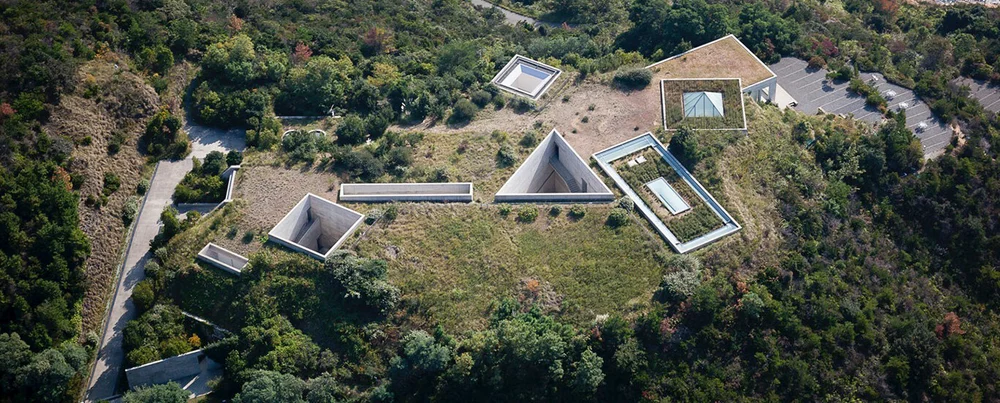 Chichu Art Museum: Built mostly underground to preserve the natural scenery, this museum houses permanent works by Claude Monet, James Turrell, and Walter De Maria. The building itself, designed by Tadao Ando, is an architectural masterpiece
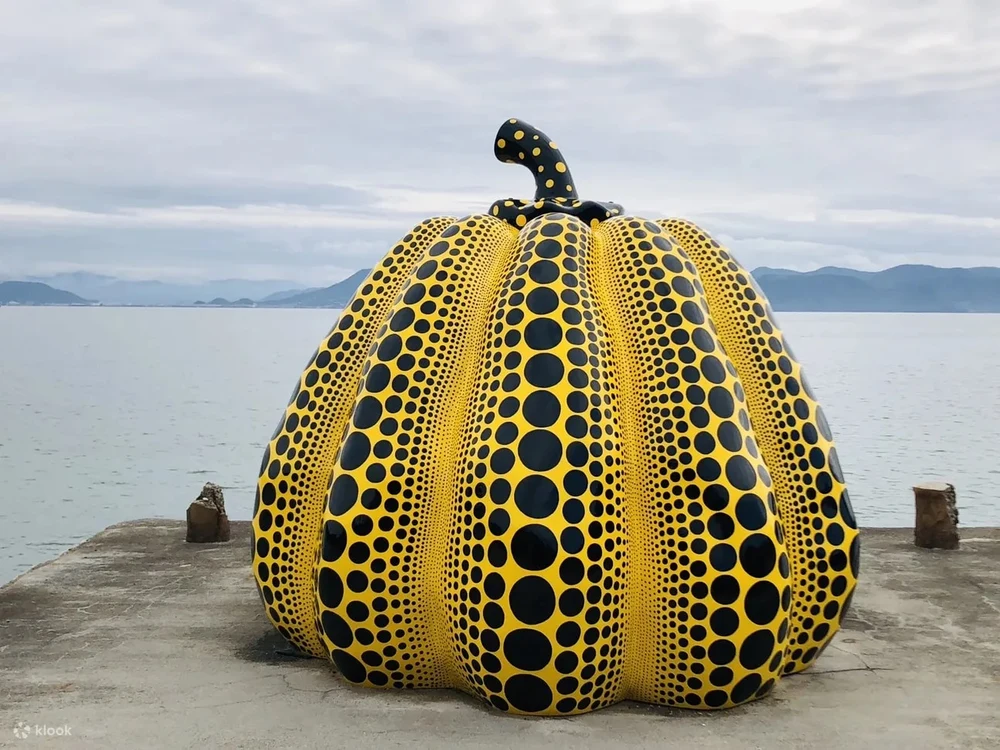 Yayoi Kusama’s Yellow Pumpkin: The island’s most photographed landmark, situated on a pier overlooking the Seto Inland Sea
Local Experience:

Honmura Village Art House Project: Wander through a series of traditional houses turned into site-specific art installations by renowned artists. This area blends the local way of life with creative expression in a deeply immersive way
Pro Tip: Stay overnight at a local guesthouse or the Benesse House to enjoy the island’s calm and mysterious charm after the crowds leave. Sunset views over the sea are particularly magical
Day 2 – Teshima: Where Art and Nature Coexist
Teshima offers a quieter, more meditative experience, with rolling hills, rice terraces, and installations that emphasize harmony with nature
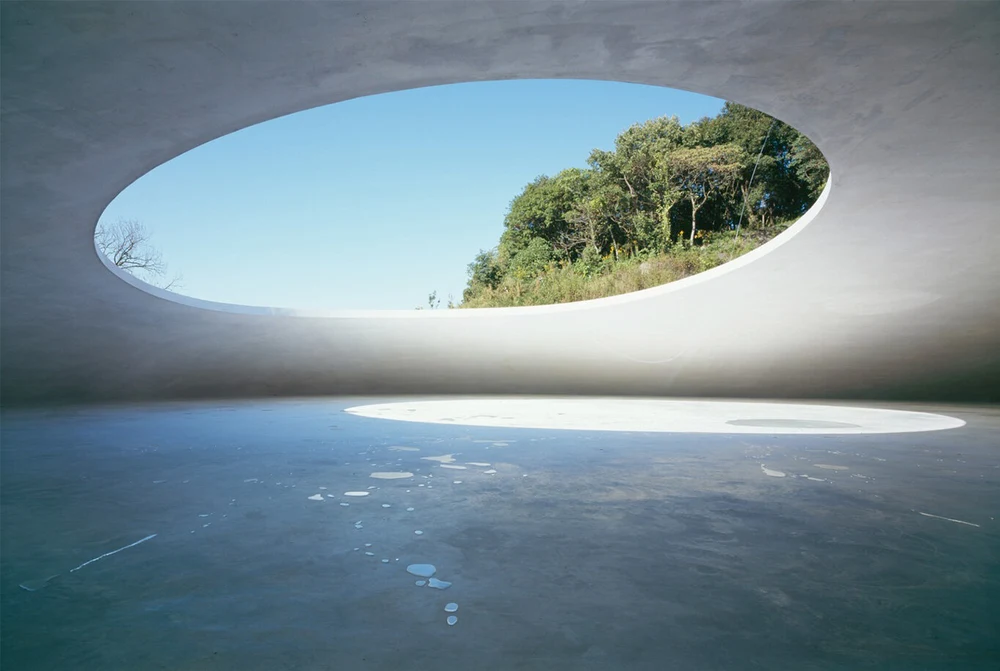 Teshima Art Museum: An awe-inspiring space resembling a water droplet resting on a hill, designed by Ryue Nishizawa and Rei Naito. The museum’s open-air dome allows water and light to interact naturally within the space—an unforgettable sensory experience
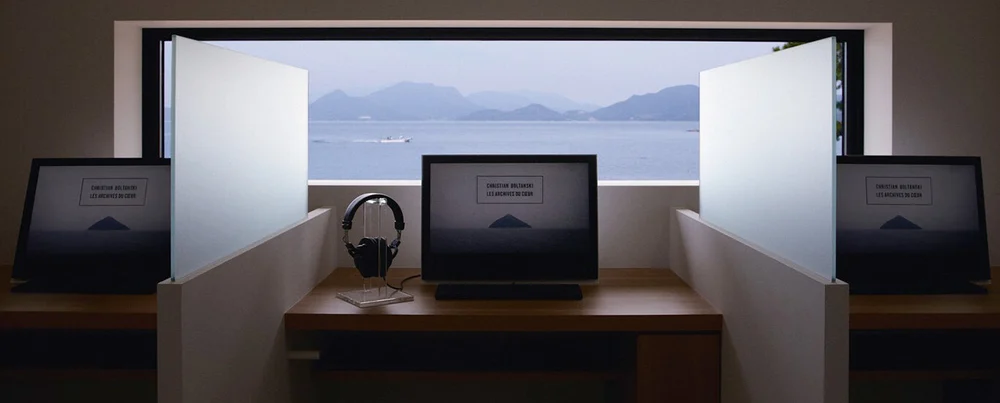 Heartbeat Archive: a unique art museum by French artist Christian Boltanski that collects and preserves recordings of human heartbeats from around the world. Visitors can listen to thousands of heart sounds, record their own, and experience an immersive installation where light pulses in sync with a heartbeat
Local experience: Explore by electric bike: Teshima has hilly terrain, so renting an e-bike is ideal. Cruise past rice fields, quiet coastlines, and small shrines while enjoying the natural beauty of the island Optional overnight stay: Stay at a cozy inn to enjoy Teshima’s rural beauty and stargazing opportunities, or take the ferry back to Takamatsu for the night
Day 3 – Shodoshima: Nature, Food & Relaxation
Shodoshima is the second-largest island in the Seto Inland Sea and offers a balanced mix of art, natural scenery, and local culture
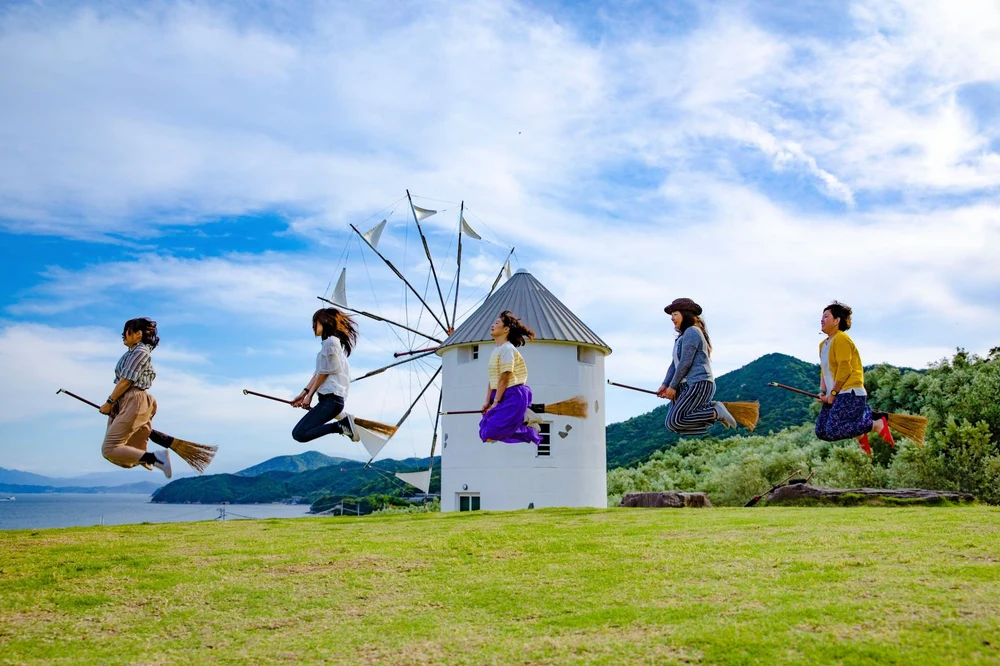 Shodoshima Olive Park: Inspired by Greek architecture, this park features olive groves, herb gardens, and even a replica of a Greek windmill. It’s a great spot to enjoy olive soft-serve ice cream!
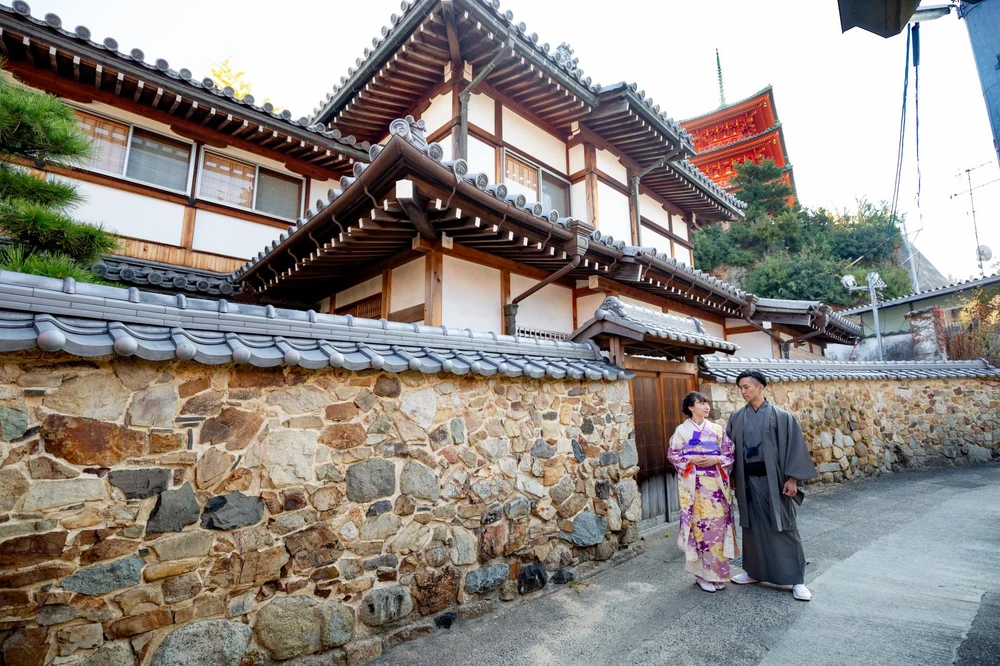 MeiPAM Art Museum: Located in a historical district, this creative space connects art with old town aesthetics
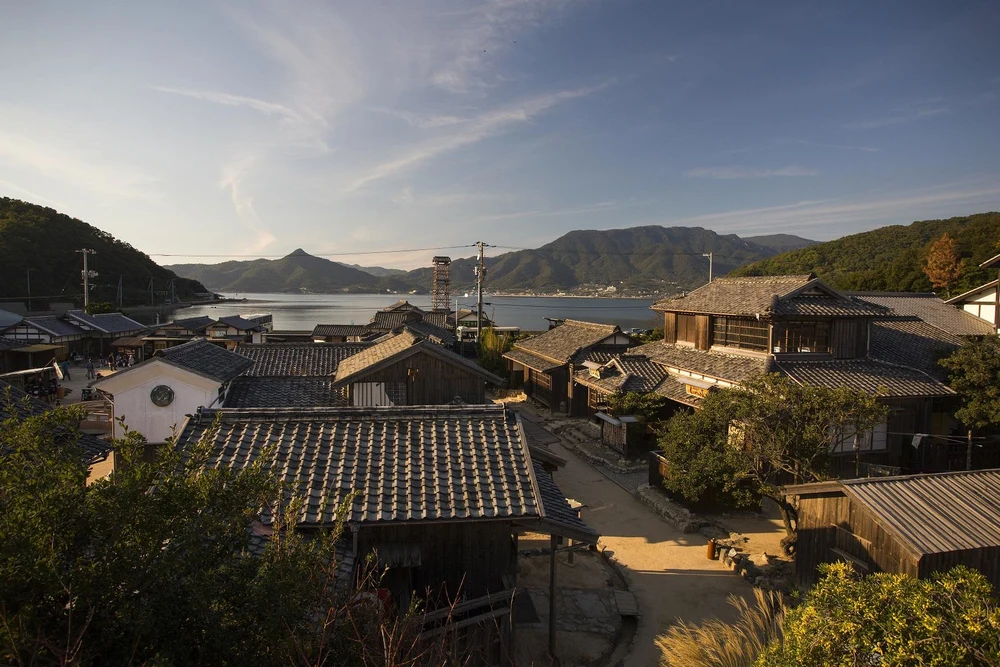 24 Eyes Movie Village: A charming, retro-style townscape set around the filming location of a classic Japanese movie, offering a glimpse into Showa-era Japan
Local experience: Olive-inspired cuisine & soy sauce tasting: Try local dishes that incorporate Shodoshima’s famous olives and artisanal soy sauce Relax in a hot spring: End your trip with a soothing soak while overlooking the sea—perfect for recharging before heading home
🚉 How to get to the Seto Inland Sea Islands
The Seto Inland Sea is bordered by three main regions: Kagawa (Shikoku side), Okayama (Honshu side), and Hiroshima. The main island-hopping ports - Takamatsu Port and Uno Port - are both easily accessible by public transportation from major Japanese cities like Osaka, Kyoto, or Tokyo
✈️ By Air:

If you’re coming from abroad or other parts of Japan, the closest airports are:
Takamatsu Airport (Kagawa)
- Best for accessing Takamatsu Port (gateway to Naoshima, Teshima, Megijima, Ogijima)
- From the airport, take a bus (~40 min) directly to Takamatsu Station, then walk to the port
Okayama Airport
- Best for reaching Uno Port, which also connects to Naoshima and Teshima
- From the airport, take a bus (~30 min) to Okayama Station, then continue by train to Uno
🚆 By Train:

From Osaka or Kyoto:
- Take the Shinkansen (bullet train) to Okayama Station (~45 min from Shin-Osaka)
- Transfer to the JR Uno Line and ride to Uno Station (~1 hr)
- Uno Station is a 5-minute walk from Uno Port, the ferry terminal to Naoshima and Teshima
From Tokyo:
- Take the Tokaido–Sanyo Shinkansen to Okayama Station (~3.5–4 hours), then transfer as above
From Hiroshima:
- Take the Shinkansen to Okayama Station (~40–60 min), then transfer as above
From Shikoku (Takamatsu):
- If you're already on the Shikoku side, Takamatsu Station is your main hub
- The Takamatsu Port is just a short walk from the station and offers frequent ferries to Naoshima, Teshima, Megijima, and Ogijima
🚖 Final leg tips:
- 🚕 Taxis are available at both Takamatsu and Uno stations but may be limited on smaller islands
- 🚌 Shuttle buses operate on Naoshima and Teshima during festival periods
- 🚲 Rental bicycles are highly recommended on art islands for flexibility and convenience
⛴️ Ferry access between islands
The islands are only accessible by ferry, with Takamatsu Port and Uno Port serving as the main gateways. Ferry rides are short (15–60 minutes) but vary in frequency, so be sure to check timetables in advance via the official website