Asakusa Reviews
Popular places near Asakusa
FAQs about Asakusa
Why is Asakusa so famous?
Why is Asakusa so famous?
Where is Asakusa Tokyo?
Where is Asakusa Tokyo?
Is Asakusa worth visiting?
Is Asakusa worth visiting?
Is Asakusa close to Shibuya?
Is Asakusa close to Shibuya?
Can I walk from Asakusa Station to Asakusa?
Can I walk from Asakusa Station to Asakusa?
Which part of Tokyo is Asakusa?
Which part of Tokyo is Asakusa?
How much time should I plan to spend in Asakusa?
How much time should I plan to spend in Asakusa?
What are the opening hours for shops and attractions in Asakusa?
What are the opening hours for shops and attractions in Asakusa?
Can I rent a kimono in Asakusa?
Can I rent a kimono in Asakusa?
What to know about Asakusa
Timeless Charm of Asakusa: Tokyo's Historic District
Asakusa is the heart of Tokyo's shitamachi (literally "low city"), where the nostalgic spirit of old Tokyo still thrives. Its crown jewel is Senso-ji Temple, Tokyo's oldest and most visited Buddhist temple, founded in the 7th century. Leading to the temple is the lively Nakamise shopping street, lined with stalls selling traditional snacks, crafts, and souvenirs that have delighted visitors for centuries. Asakusa is best enjoyed on foot, but for a unique experience, you can take a guided rickshaw ride (jinrikisha) through its charming streets—short or extended tours are available, with a 30-minute ride for two costing around 9,000 yen.
For centuries, Asakusa was Tokyo's leading entertainment hub. During the Edo Period (1603-1867), when it lay outside the city limits, the district flourished with kabuki theaters and a bustling red-light quarter. By the late 19th and early 20th centuries, Asakusa had embraced modern amusements, becoming home to some of Tokyo's earliest movie theaters and cultural venues.
Tragically, much of Asakusa was destroyed in the devastating air raids of 1945. While the rebuilt Senso-ji Temple restored the area's spiritual and cultural allure, the once-vibrant entertainment district never fully recovered. In recent years, however, the rise of the towering Tokyo Sky Tree, just a 20-minute walk across the Sumida River, has drawn new waves of visitors, bringing fresh energy to this historic neighborhood.
History of Asakusa
The Ancient Origins: A Miraculous Discovery
The history of Asakusa is inseparable from the history of its famous temple, Sensō-ji. According to legend, the story begins in the year 628 AD, when Asakusa was just a small fishing village along the Sumida River. Two brothers, Hinokuma Hamanari and Hinokuma Takenari, were fishing when they repeatedly netted a small, golden statue of the Kannon Bodhisattva, the goddess of mercy. Though they put the statue back in the river, it always returned to them. The village chief recognized its sanctity, consecrated the statue in his home, and remodeled it into a small temple. This act established Sensō-ji, making it Tokyo's oldest temple and transforming Asakusa from a humble village into a sacred destination for pilgrims.
The Edo Period: An Epicenter of Entertainment
Asakusa truly flourished during the Edo Period (1603-1868). Located on the edge of Edo (the former name for Tokyo), it was designated as a major entertainment district, a place for the common people—merchants, artisans, and visitors—to unwind. Freed from the strict etiquette of the samurai districts, Asakusa became the vibrant heart of shitamachi (downtown) culture. The area was packed with kabuki theaters, geisha houses, restaurants, and the bustling market stalls of the Nakamise-dori, the famous promenade leading to the temple. For centuries, Asakusa was the undisputed center of popular culture and pleasure in Japan.
Modernization, Destruction, and Resilience
During Japan's rapid modernization in the Meiji and Taisho eras, Asakusa continued to evolve, embracing new forms of entertainment. Japan's first movie theaters opened here, and in 1890, the Ryōunkaku, a 12-story tower considered Japan's first Western-style skyscraper, became a symbol of the district's modern ambitions.
However, the 20th century brought immense hardship. The Great Kanto Earthquake of 1923 caused severe damage, but it was the devastating air raids of World War II in 1945 that completely flattened the area. The historic Sensō-ji Temple was destroyed, and the vibrant district was reduced to ashes. Yet, the spirit of Asakusa proved unbreakable. In an act of profound resilience, local residents and devotees from across Japan donated funds to rebuild Sensō-ji, with the main hall being reconstructed in 1958. This reconstruction became a powerful symbol of Japan's post-war recovery.
Must-Visit Attractions & What to do in Asakusa
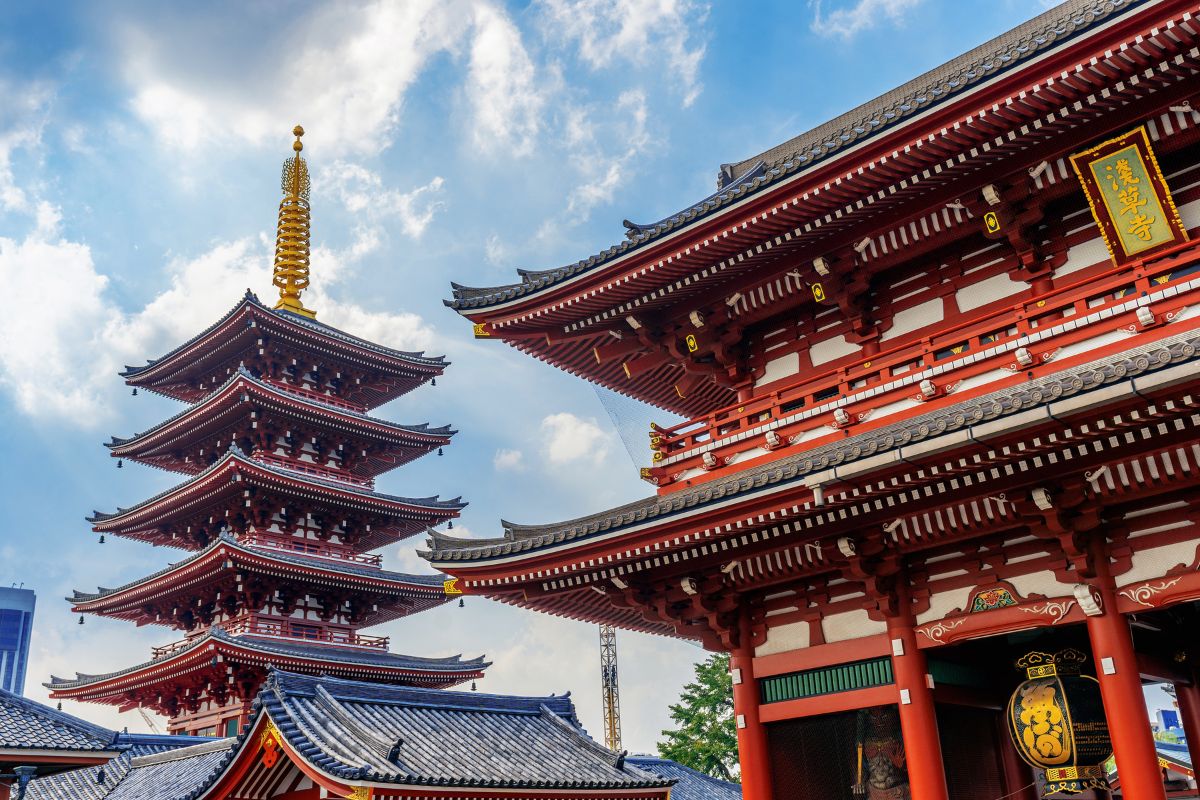
Sensō-ji Temple
The heart of Asakusa, Sensō-ji Temple, is Tokyo's oldest and most significant Buddhist temple, founded in 628 and dedicated to the bodhisattva Kannon. Its vibrant red architecture, grand Thunder Gate, and incense-filled courtyard create a powerful spiritual ambiance. Visitors can experience traditional rituals such as drawing omikuji (fortune slips), purifying themselves with incense smoke, and offering prayers. The temple grounds are especially beautiful at night when illuminated, blending centuries-old traditions with a lively modern atmosphere.
Purify Yourself: Before approaching the main hall, stop at the large incense burner, the jokoro. Worshippers believe that wafting the smoke over parts of your body can bring good health and heal ailments.
Pray at the Main Hall (Hondo): Climb the steps to the majestic main hall, dedicated to Kannon, the goddess of mercy. Here you can observe traditional prayer rituals. To offer a prayer, you can gently toss a coin into the offering box, bow twice, clap twice, and bow once more.
Try Your Luck with Omikuji: For a small donation (typically ¥100), you can try omikuji (paper fortunes). Shake a metal container until a numbered stick falls out, then find the corresponding drawer to receive your fortune. If you get a good fortune, keep it. If you get a bad one, it's customary to tie it to a nearby rack to leave the bad luck behind.
Admire the Five-Story Pagoda: To the left of the main hall stands a beautiful five-story pagoda. While you cannot enter it, its elegant silhouette is a key part of the temple's skyline.
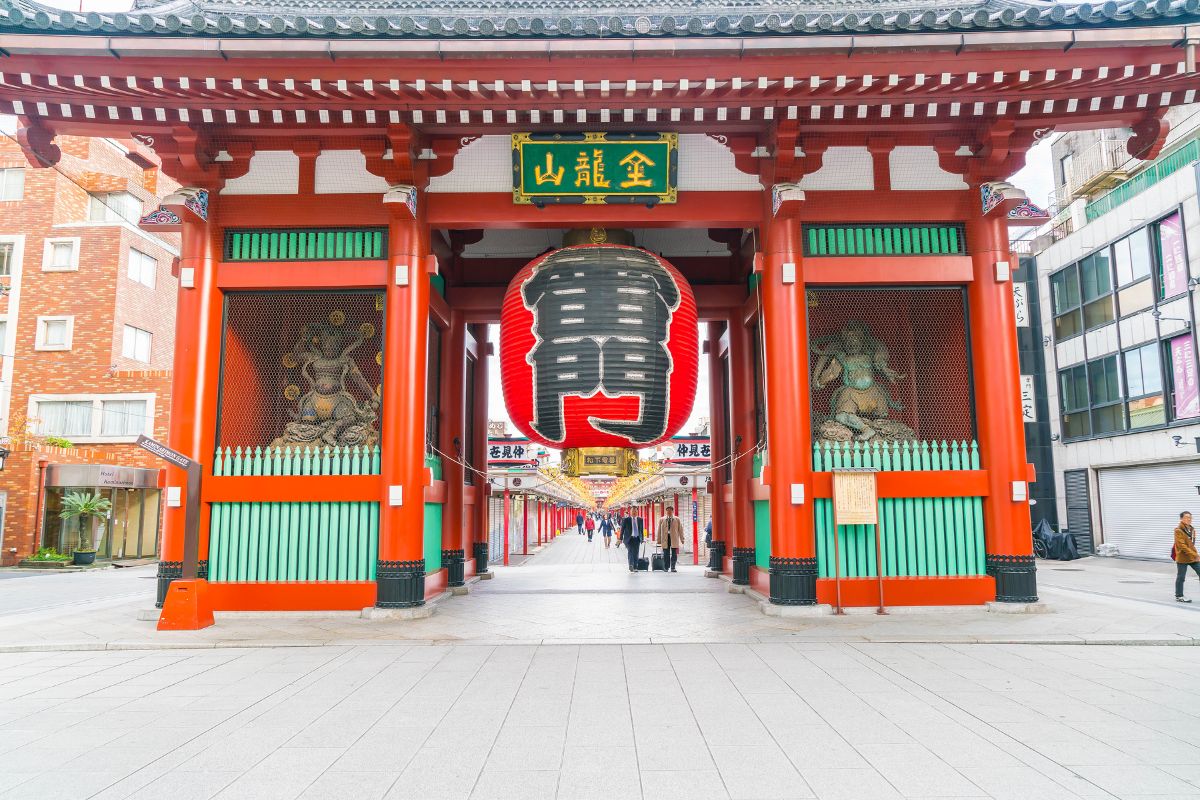
Kaminarimon Gate
Standing proudly at the entrance to Sensō-ji, the Kaminarimon Gate (Thunder Gate) is Asakusa's most photographed landmark. Its massive red lantern, nearly 4 meters tall, is an icon of Tokyo itself. Flanked by fierce statues of the gods of thunder and wind, the gate welcomes millions of pilgrims and tourists each year, symbolizing protection and prosperity as you step into the historic temple district.
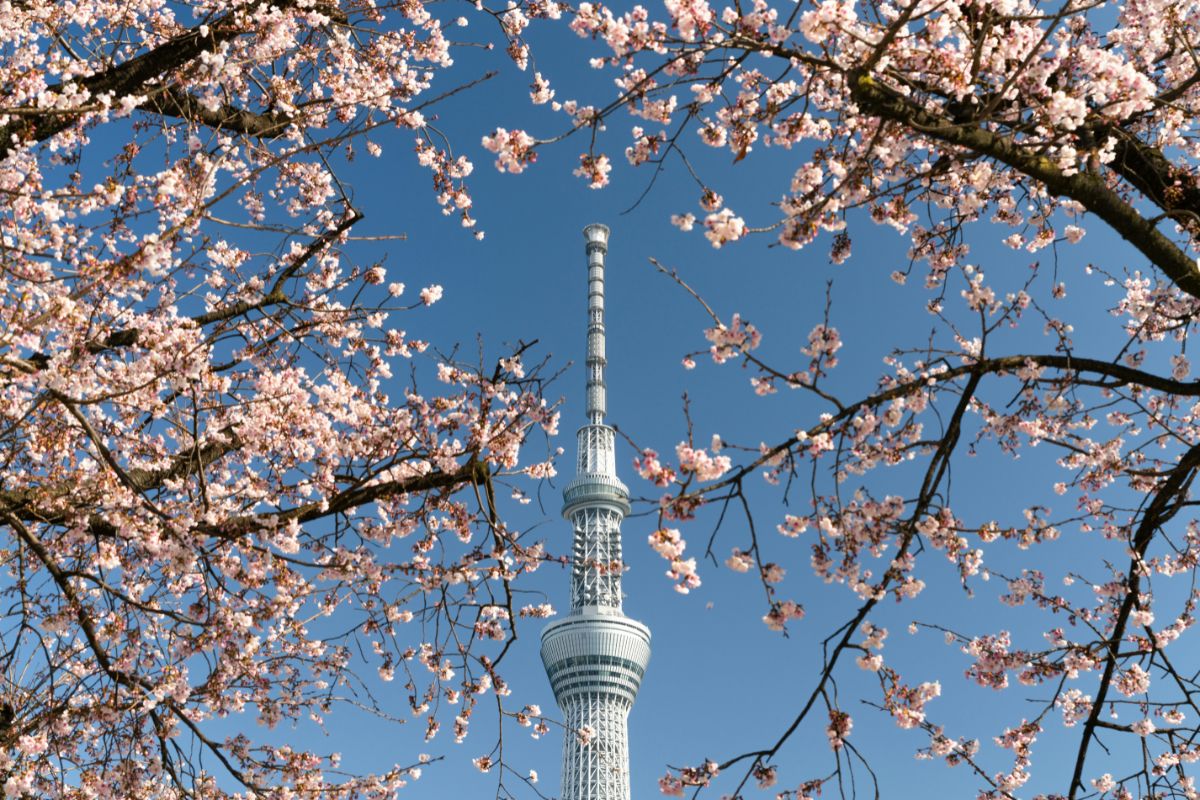
Tokyo Skytree
Rising 634 meters into the sky, the Tokyo Skytree is one of Japan's tallest structures and a must-see modern attraction just across the Sumida River from Asakusa. Its two observation decks offer breathtaking panoramic views stretching from Tokyo Bay to Mount Fuji on clear days. By night, the tower glows with seasonal illuminations, creating a dazzling contrast to the historic streets of Asakusa below.
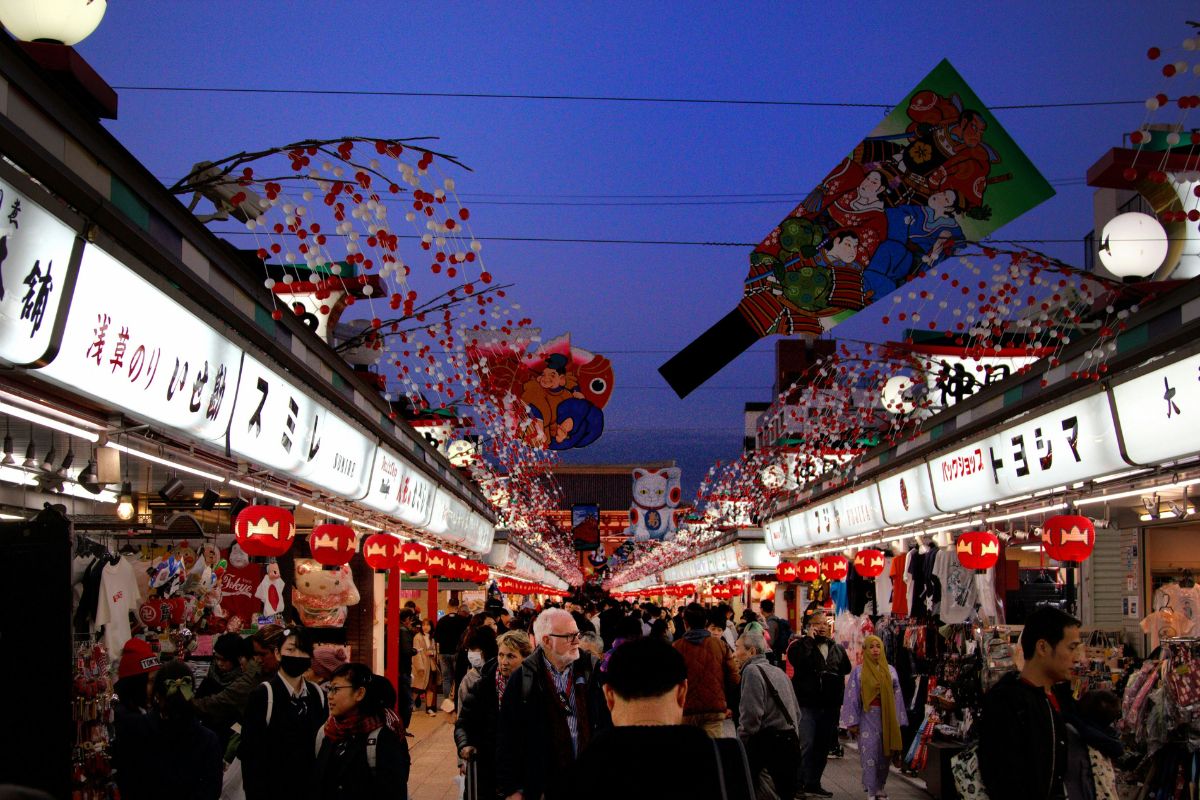
Nakamise Shopping Street
Stretching about 250 meters from the Kaminarimon Gate to Sensō-ji's main hall, Nakamise Shopping Street is one of Japan's oldest shopping avenues. Here, over 50 shops sell everything from traditional rice crackers, kimonos, and handmade crafts to quirky souvenirs and colorful sweets. The street has served temple visitors for centuries, blending history with modern tourist charm—perfect for sampling local snacks and picking up unique mementos.
What to Eat: This is the perfect place to try traditional snacks. Look for Age-manju (deep-fried sweet buns with red bean paste), Kibi dango (millet dumplings coated in soybean powder), and freshly grilled Senbei (rice crackers).
What to Buy: It's an ideal spot for souvenir shopping. You can find everything from beautiful folding fans and traditional wooden kokeshi dolls to ninja-themed items and high-quality yukatas.
Sumida Park
Running along both sides of the Sumida River, Sumida Park is a peaceful escape within the bustling city. In spring, the park is blanketed with cherry blossoms, making it one of Tokyo's most scenic hanami (flower-viewing) spots. In summer, it becomes the stage for the famous Sumida River Fireworks Festival, where dazzling pyrotechnics light up the night sky with the Skytree in the background. It's a must-visit for both relaxation and seasonal celebrations.
Don Quijote Asakusa
For a shopping adventure, head to Don Quijote Asakusa, a multi-story discount megastore located just a minute's walk from Tsukuba Express Asakusa Station. Known for its endless variety, the store sells everything from quirky Japanese souvenirs and trendy cosmetics to electronics and high-end fashion goods. Open late into the night, Don Quijote is a favorite among both locals and tourists looking for bargains and fun finds.
Asakusa Shrine
Tucked beside Sensō-ji, Asakusa Shrine (also called Sanja-sama) is a Shinto shrine with deep historical and cultural significance. Built in the 17th century, it miraculously survived the bombings of World War II, preserving its original architecture. The shrine is best known for the Sanja Matsuri, one of Tokyo's largest and liveliest festivals held every May, featuring portable shrines, parades, and vibrant traditional performances that celebrate the spirit of Asakusa.
Expanding Your Asakusa Adventure
Get a Bird's-Eye View from the Tourist Information Center
Directly opposite the Kaminarimon is the Asakusa Culture Tourist Information Center, a striking building designed by architect Kengo Kuma. Take the elevator to the 8th-floor observation deck for free. It offers a fantastic panoramic view looking down Nakamise-dori to the temple, with the Tokyo Skytree perfectly framed in the background. It's also air-conditioned, making it a perfect escape from the August heat.
Take a Sumida River Cruise
For a relaxing and scenic experience, head to the nearby pier and take a Sumida River Cruise. The futuristic "Hotaluna" boats offer a unique perspective of the city as you float towards destinations like Hamarikyu Gardens or Odaiba. You'll get fantastic views of the Tokyo Skytree and the quirky Asahi Beer Hall headquarters (the "golden flame").
Experience a Rickshaw (Jinrikisha) Tour
For a memorable and personalized tour, hire a jinrikisha. The energetic and knowledgeable pullers will take you on a guided journey through Asakusa's backstreets, sharing historical facts and stories you'd otherwise miss. It's a fun way to see the area without tiring yourself out in the heat.
Tips for Your Asakusa Visit
When is the best time to visit Asakusa?
Plan your trip to Asakusa during the spring festival season or the vibrant Sanja Matsuri in May to see the neighborhood come alive with colorful celebrations. You can avoid the summer heat and crowds by visiting in the cooler months of autumn.
How to go to Asakusa?
You can reach Asakusa in Tokyo quite easily, as it's one of the city's most popular sightseeing areas and well-connected by public transport:
By Metro: The most convenient way is via the Tokyo Metro Ginza Line. From Shibuya or Ginza, ride the Ginza Line directly to Asakusa Station. You can also use the Toei Asakusa Line (direct connection from Narita Airport and Haneda Airport) or the Tobu Skytree Line, which links Asakusa to Tokyo Skytree and Nikko.
By Train:
From Tokyo Station
Take the JR Yamanote Line to Kanda Station (approx. 2 minutes, 150 yen). From there, transfer to the Tokyo Metro Ginza Line and ride directly to Asakusa Station (about 10 minutes, 180 yen).
From Shinjuku Station
Board the JR Chuo Line (Rapid) to Kanda Station (around 10 minutes, 180 yen). Then transfer to the Tokyo Metro Ginza Line for a short ride to Asakusa Station (about 10 minutes, 180 yen).
By Bus: Tokyo city buses and sightseeing buses also connect to Asakusa, offering a slower but scenic option.
By River Cruise: For a unique experience, take the Tokyo Water Bus (Himiko or Hotaluna) from Odaiba or Hamarikyu Gardens along the Sumida River to Asakusa Pier, just steps from Senso-ji Temple.
The most recommended way is by metro (Ginza Line), since it's fast, affordable, and easy.
How long does it take to explore Asakusa?
Asakusa is an absolute must when exploring Tokyo. You can choose to wander around Asakusa on foot or go for a unique experience on a guided rickshaw tour, known as a jinrikisha, costing around 9000 yen for a 30-minute ride for two. Shorter and longer routes are also available, giving you different perspectives of this historic district.
Where to stay in Asakusa?
You can find traditional ryokans (Japanese inns), modern hotels, guesthouses, and even capsule hotels in the area. Some popular places to stay in Asakusa include ryokans like Asakusa Ryokan Toukaisou, modern hotels like Asakusa View Hotel, and budget-friendly options like K's House Tokyo.
Where to eat in Asakusa?
In Asakusa, you can try local cuisine at Kamiya Bar, known for its history and unique drinks; Umezono for traditional Japanese sweets; Suzukien Nanaya Gelato for rich green tea gelato; Asakusa Kagetsudo for traditional snacks like melon-pan treats; and various tempura and unagi restaurants with a century-old history in serving delicious dishes like deep-fried seafood and freshwater eel.
What to do in Asakusa in the Evening?
Asakusa truly shines as the sun sets and the crowds begin to thin.
Dine and Drink on Hoppy Street (Nikomi-dori)
As evening approaches, head to Hoppy Street, a lively lane filled with traditional red-lantern izakayas (Japanese pubs). Famous for its outdoor seating and rustic charm, it's the perfect place to try nikomi (beef tendon stew) and Hoppy, a beer-like, low-alcohol beverage mixed with shochu.
See the Illuminated Temple
After 5:00 PM, the shops on Nakamise-dori close, but the Sensō-ji Temple grounds remain open. The main hall, pagoda, and gates are beautifully illuminated until around 11:00 PM. Visiting at this time is a completely different experience---it's serene, majestic, and offers a chance to appreciate the architecture in a peaceful atmosphere.