Ten days in
Japan sounds like a lot until you open a map of Japan; then it starts to feel like it’s not enough. Done right, though, it's enough time to cover the best of the country without rushing.
You can move between cities at a comfortable pace, eat your way through local neighbourhoods, and still have breathing room for the unexpected detour that usually turns into the best part of the trip. The classic route, Tokyo, Kyoto, and Osaka, covers a lot of ground without being exhausting.
But fitting it all in 10 days does take a bit of planning. In this itinerary, we’ll keep things realistic for UK travellers, account for jet lag on day one, and build in time for you to actually enjoy each place rather than just tick it off.
Here's how to make your 10 days in Japan count!
Before you go: the basics
Japan is easy to travel around, but a few things are worth sorting before you fly:
The time difference from the UK is around 8-9 hours, so your first day or two will probably feel a bit off. Plan lighter activities early on.
The best times to visit Japan are spring (late March to early May) for cherry blossoms and autumn (October to November) for foliage.
Summer is hot and humid; winter is cold but quieter and great for snow scenes in places like Nikko.
Klook Tip: Get a
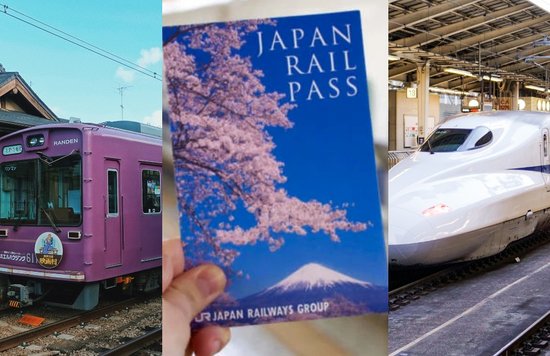
7-day Japan Rail Pass before you leave the UK, it's only available to foreign visitors and covers most of the
shinkansen (bullet train) routes you'll use on this itinerary. You can extend with separate tickets for any days beyond the pass window.
Your 10-day Japan itinerary summary
Day | Location | Main activities |
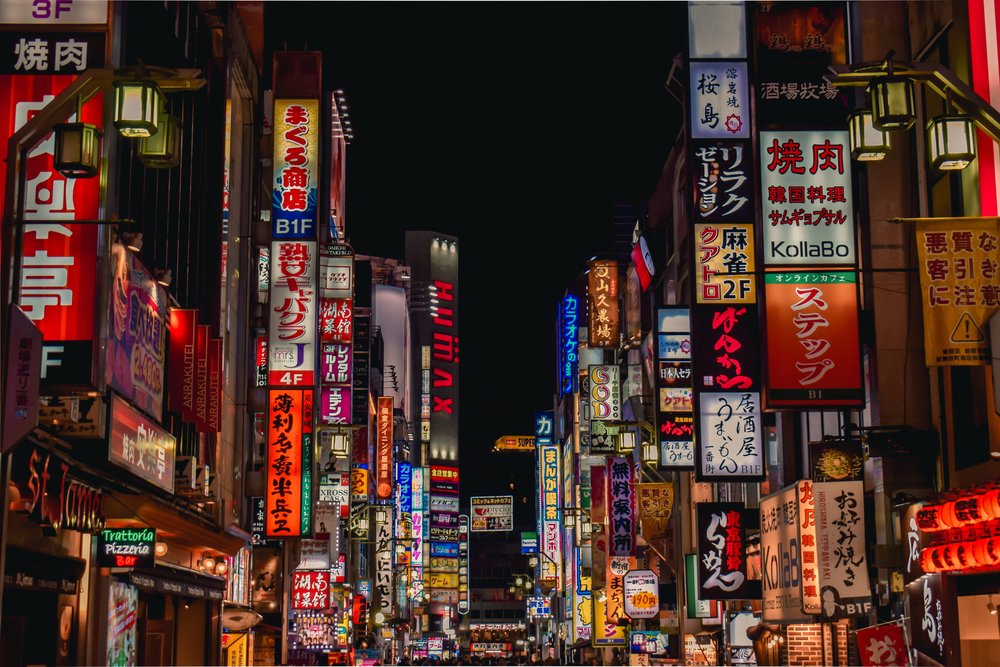
Day 1 | Tokyo (Shinjuku) | Arrive & settle in. Easy walk around Shinjuku Gyoen or explore Shinjuku at night |
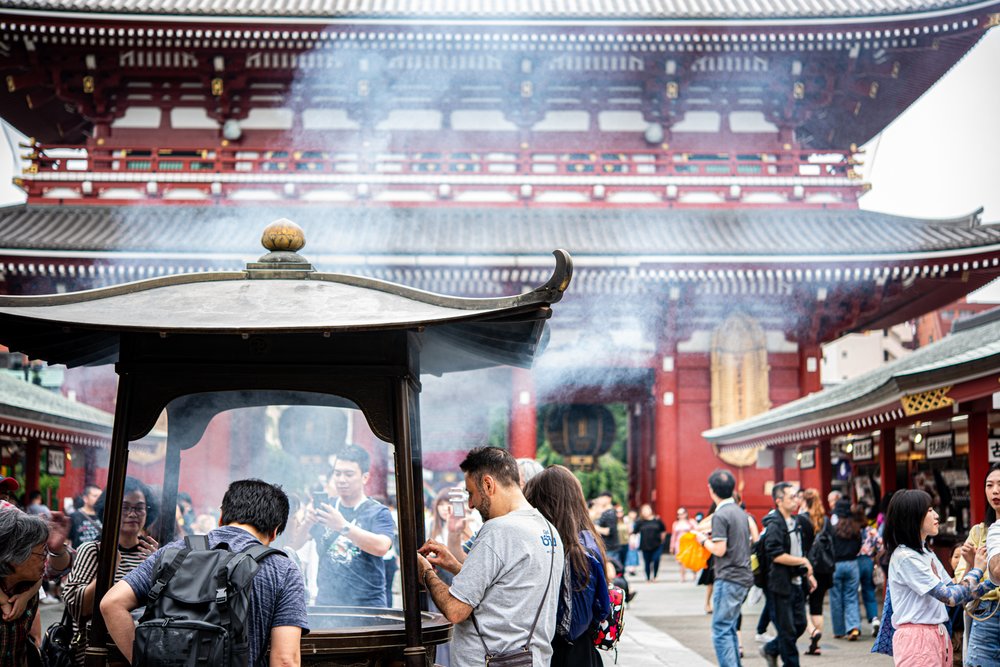
Day 2 | Tokyo (Asakusa & Ueno) | Senso-ji Temple, Asakusa food crawl, Nakamise shopping street, Ueno Park & museums |
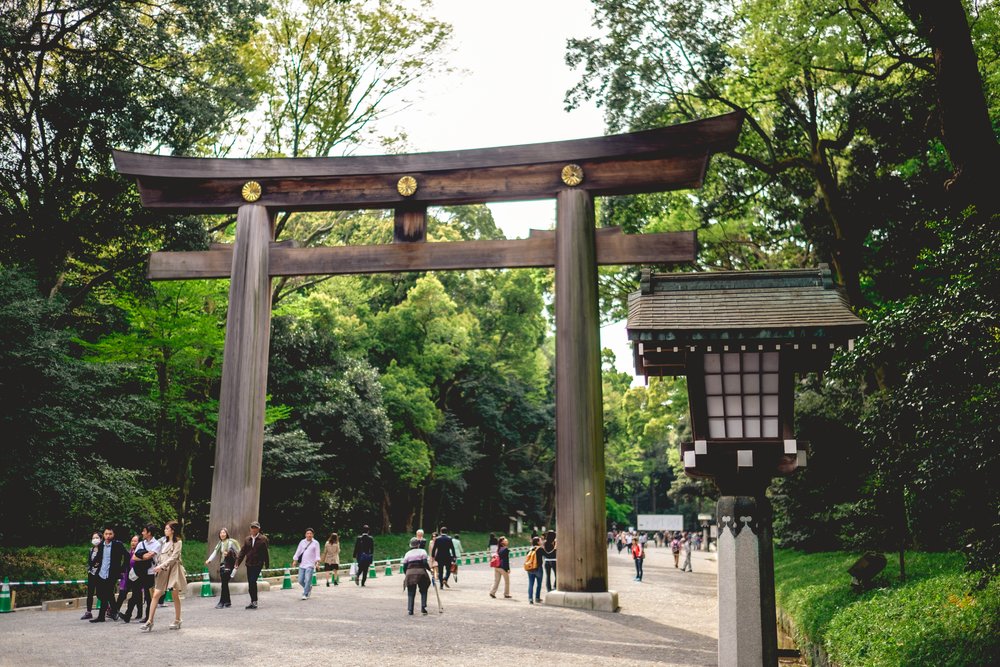
Day 3 | Tokyo (Harajuku & Shibuya) | Meiji Shrine, Harajuku's Takeshita Street, Omotesando, Shibuya Crossing at night |
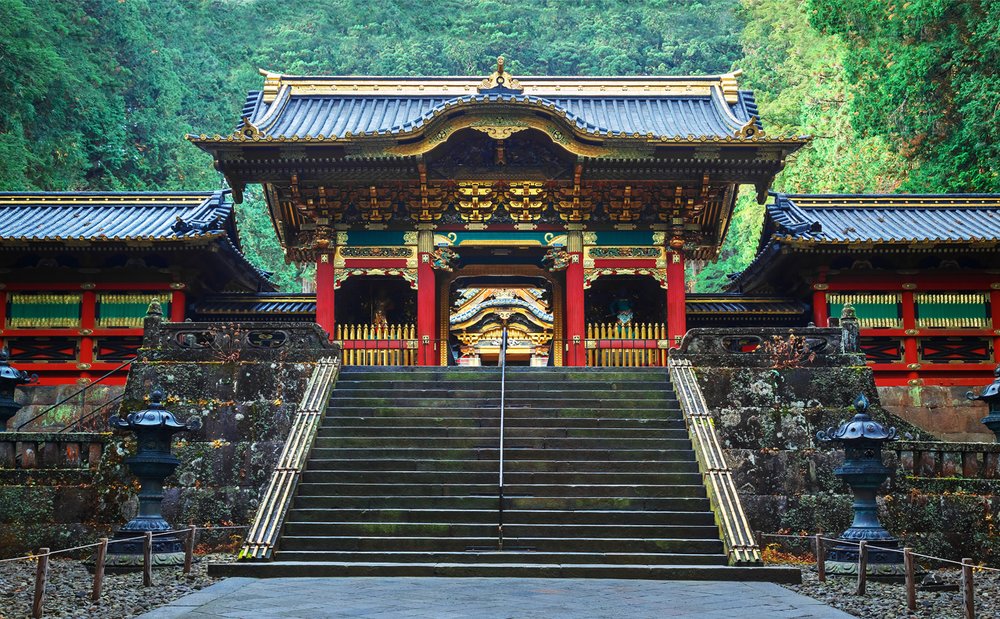
Day 4 | Day trip from Tokyo (Nikko or Kamakura) | Tosho-gu Shrine (Nikko) or Great Buddha & Zen temples (Kamakura) |
Day 5 | Kyoto (Gion) | Shinkansen from Tokyo. Explore Gion at dusk, Hanamikoji Street is the highlight |
Day 6 | Kyoto (Fushimi & city center) | Fushimi Inari torii gates, Nishiki Market, traditional tea ceremony in a Machiya |
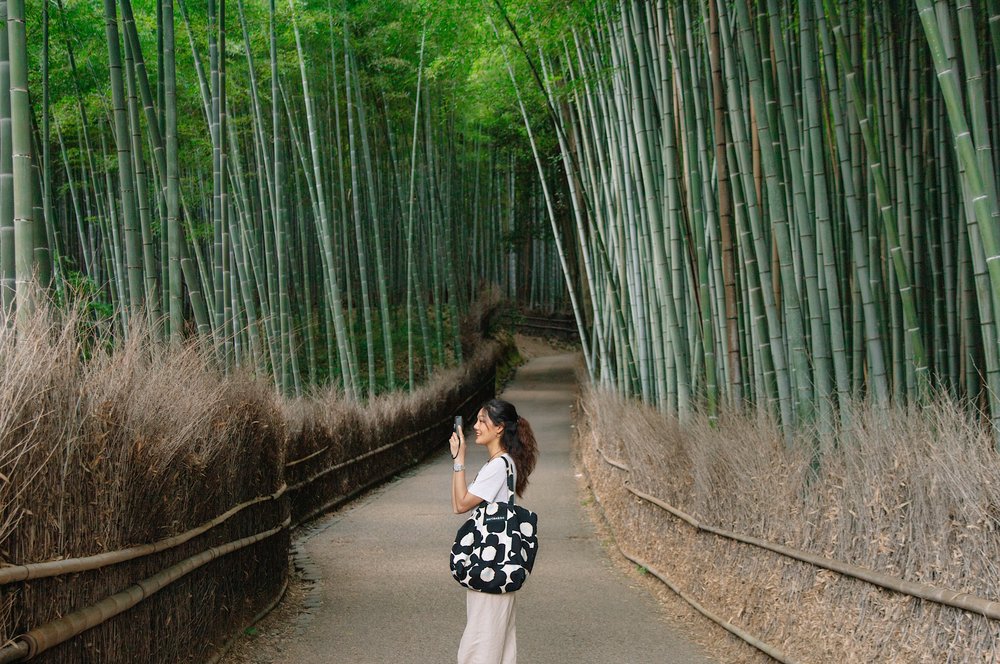
Day 7 | Kyoto (Arashiyama) | Arashiyama Bamboo Grove, Tenryu-ji garden, Togetsukyo Bridge, optional Hozu River boat ride |
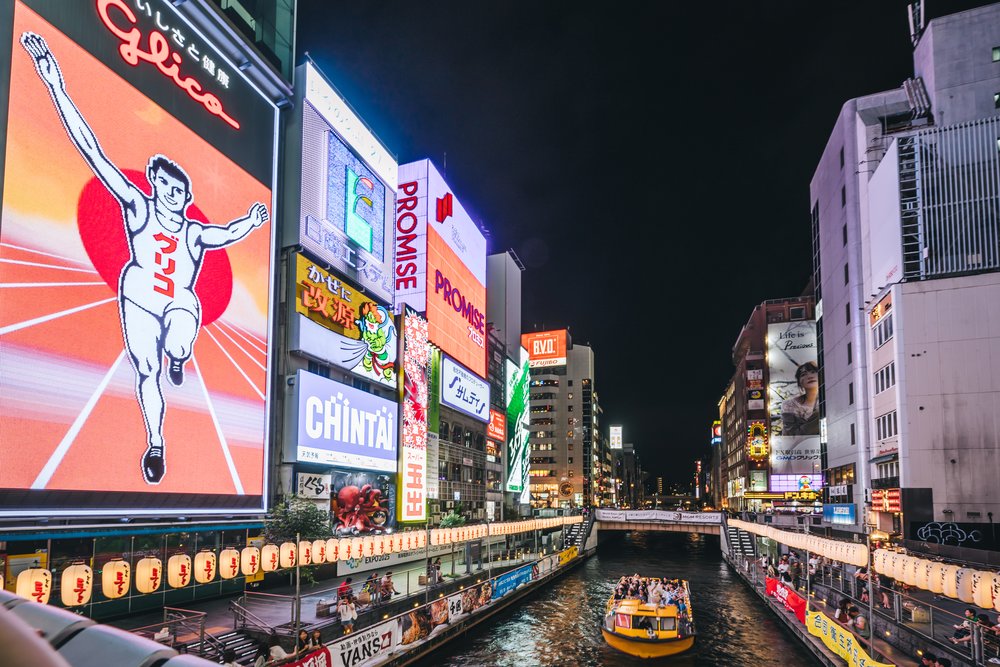
Day 8 | Osaka (Dotonbori) | 15-min shinkansen from Kyoto. Arrive, then explore Dotonbori for street food & the night walking tour |
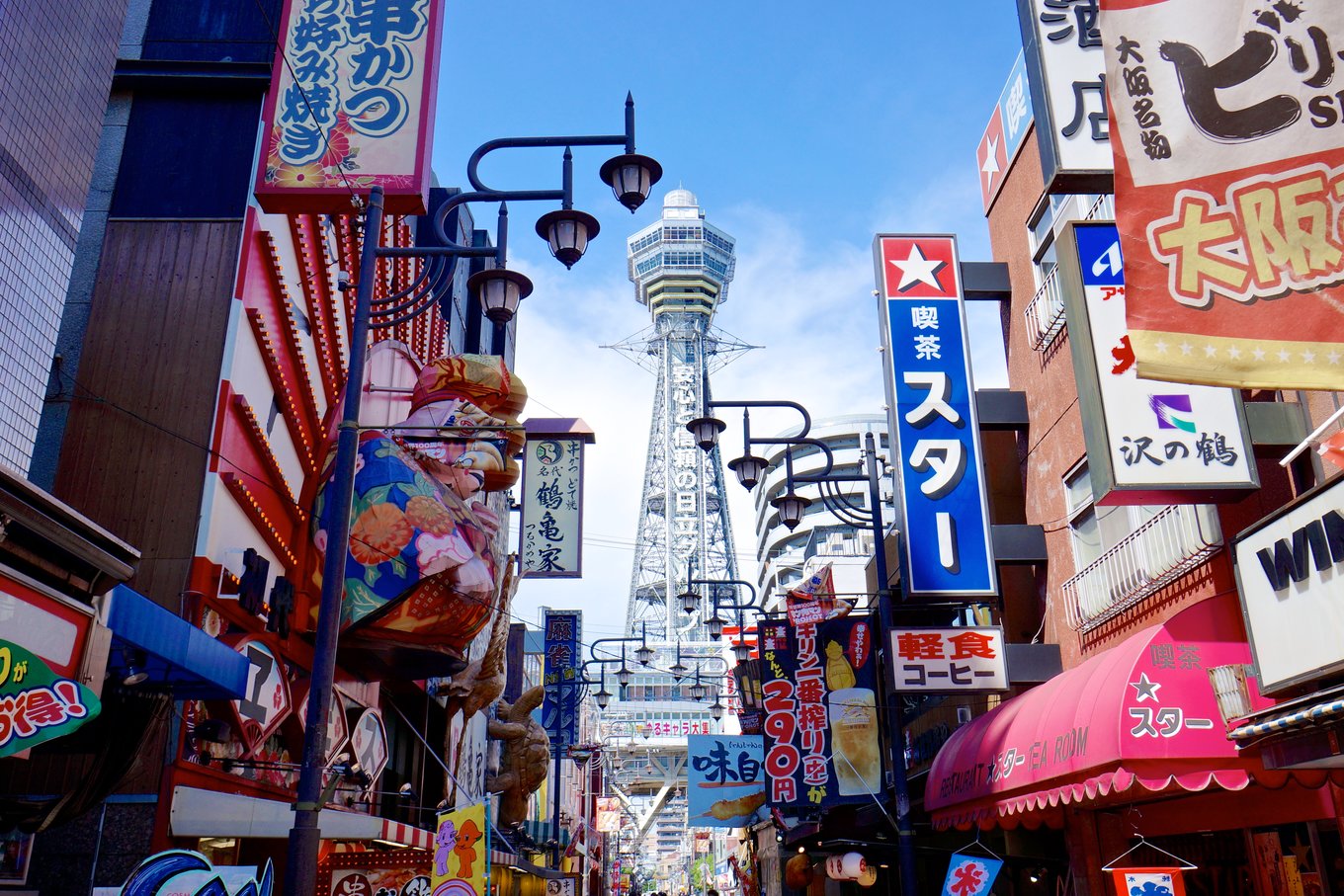
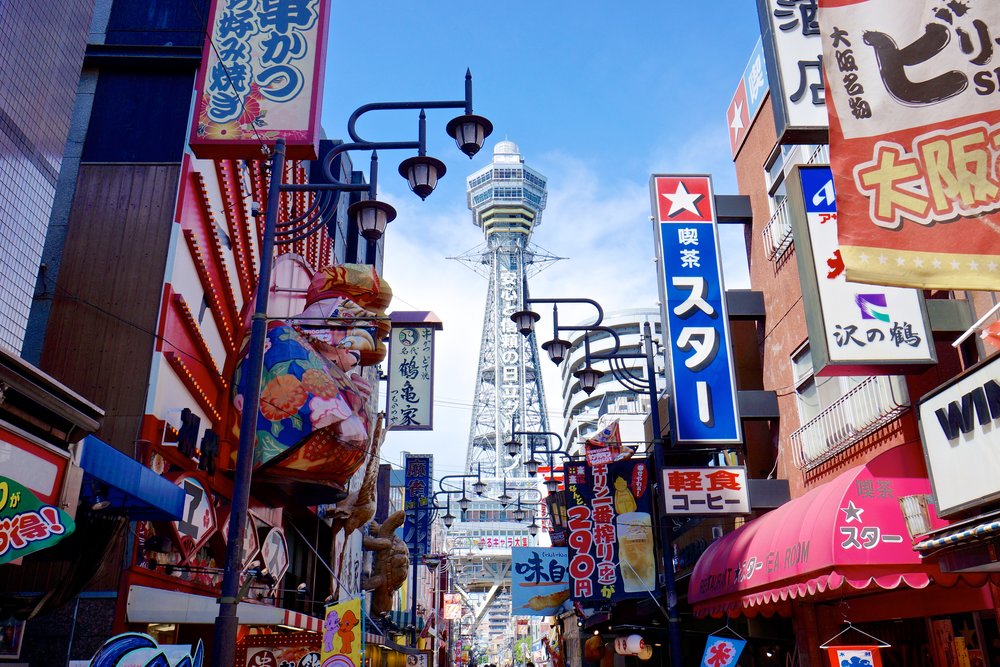
Day 9 | Osaka (Castle & Shinsekai) | Osaka Castle & park, Shinsekai neighbourhood, Tsutenkaku Tower, Kuromon Ichiba Market. |
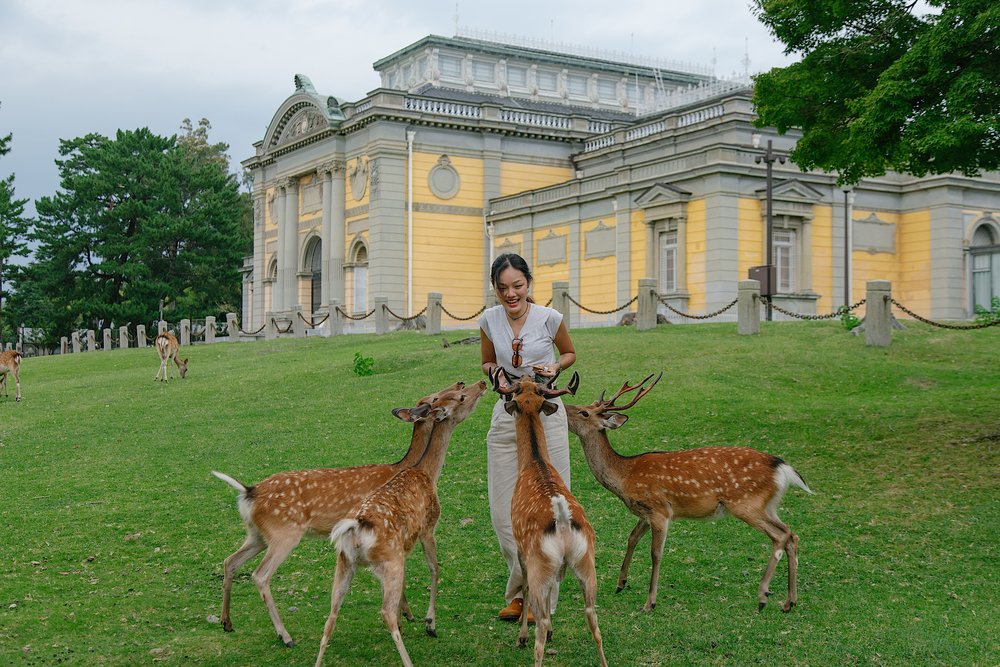
Day 10 | Nara → Tokyo (departure) | Morning in Nara; Todai-ji temple, roaming deer. Then Shinkansen back to Tokyo for your flight. |
Day 1: Touchdown, Tokyo!
Tokyo is where most UK flights land, usually after 12+ hours in the air. A word of advice: don't try to cram in too much sightseeing on the day you arrive.
If you land in the morning, check in, then head somewhere near your hotel. If you’re in the Shinjuku area, the
Shinjuku Gyoen National Garden is a park great for a slow afternoon walk. If you're up for something more lively, explore Kabukicho’s neon-lit streets after dark.
How to get there from the airport: Narita Express (N'EX) from Narita to Shinjuku takes around 90 minutes. From Haneda, the Keikyu Line or Tokyo Monorail gets you into central Tokyo in under an hour.
Day 2: Asakusa, Ueno, and old Tokyo
Start your first full day in Japan with
Senso-ji Temple in Asakusa; it's Tokyo's oldest temple and best explored early before the crowds arrive. The Nakamise shopping street leading up to it is lined with snack stalls and souvenir shops. You can spend at least an hour here.
Asakusa is also one of the best areas to eat your way through traditional Tokyo street food. The
Asakusa food crawl tour is a great way to sample local bites like
ningyo-yaki (small sponge cakes filled with red bean paste) and fresh-made
senbei (rice crackers) with a guide who knows where to go.
From
Asakusa, it's an easy walk or short metro ride to Ueno, where you'll find
Ueno Park and a cluster of museums. The
Tokyo National Museum is also worth a visit if you're interested in Japanese art and history.
Day 3: Shibuya, Harajuku, and Meiji Shrine
Meiji Shrine is a good morning start for your day three; it's quiet, forested, and a calm contrast to the lively neighbourhoods nearby. Spend around 45 minutes here, then walk down to Harajuku for brunch.
Takeshita Street in Harajuku is famous for its colourful fashion and crepe shops, and it’s fun to walk around even if shopping isn't your thing. From there,
Omotesando is just a few minutes' walk and has a completely different feel: wide tree-lined streets, designer shops, and good cafés.
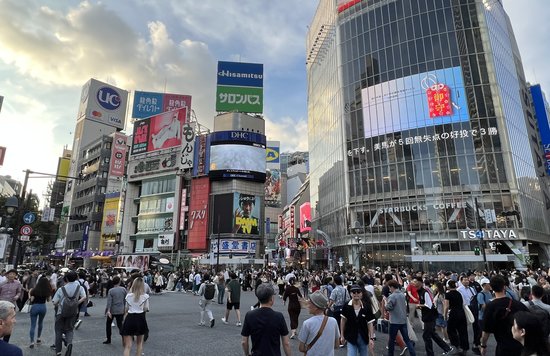
End the day in Shibuya. The famous
Shibuya Scramble Crossing is best seen from above; you can grab a window seat at one of the coffee shops or observation points overlooking it. Shibuya at night is lively and worth exploring on foot.
If you want a guided experience to visit all these key spots, you can book a
Meiji Shrine and Harajuku tour that takes you to four places in under four hours, starting off at Meiji Shrine and ending in Shibuya Station.
Day 4: Day trip to Nikko or Kamakura
On day four, it’s time to explore more of Japan! Tokyo's location makes it ideal for day trips, and two of the best options are Nikko (for more shrines and mountain scenery), and Kamakura (for the Great Buddha and coastal temples).
Nikko is about 2 hours from Tokyo by train and home to
Tosho-gu Shrine: a UNESCO World Heritage Site covered in ornate carvings and gold leaf. It's unlike anything else in Japan.
If you prefer hassle-free sightseeing, consider booking a
Nikko day trip from Tokyo that includes transportation and an English-speaking guide.
How to get to Nikko: Take the Tobu Nikko Line from Asakusa Station (around 2 hours, no JR Pass)
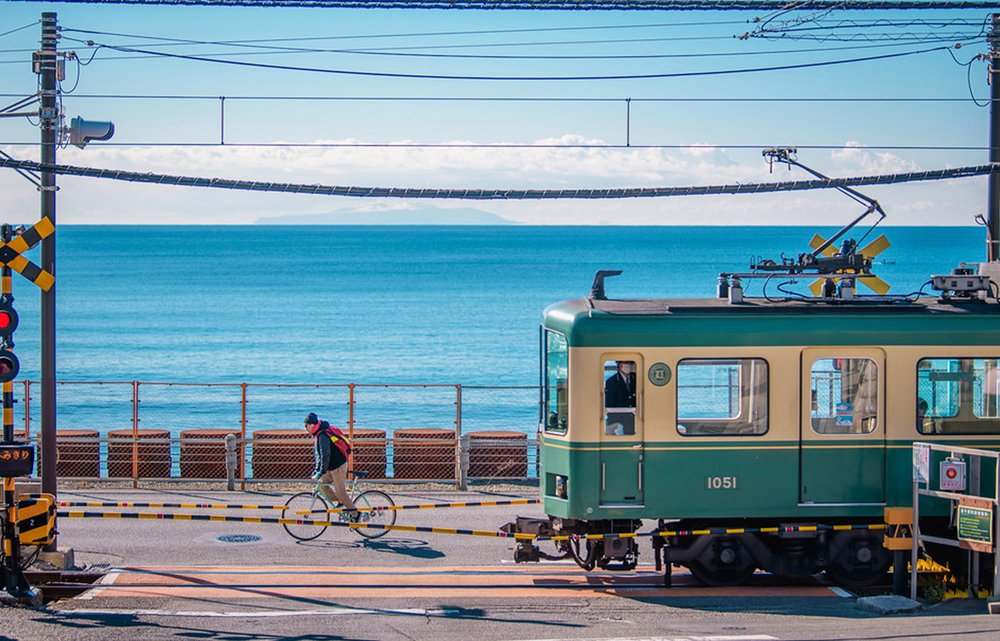
Kamakura is another day trip option, around an hour from Tokyo and has a very different atmosphere: seaside town energy, the giant Kotoku-in Buddha statue, and several zen temples.
If you want a hassle-free experience where transportation is arranged for you, you can go on a
Kamakura one-day tour to see the highlights of this coastal town, including the retro Enoden Railway, Kamakura High School, and even a visit to
Enoshima Island!
How to get to Kamakura: JR Yokosuka Line from Tokyo Station (about 1 hour, covered by JR Pass)
Both day trips are great, but if it’s your first time in Japan and you can only pick one, Kamakura is the easier day trip choice.
Day 5: Go to Kyoto by shinkansen
It’s your fifth day here, and it’s time to visit the old capital of Japan: Kyoto! The
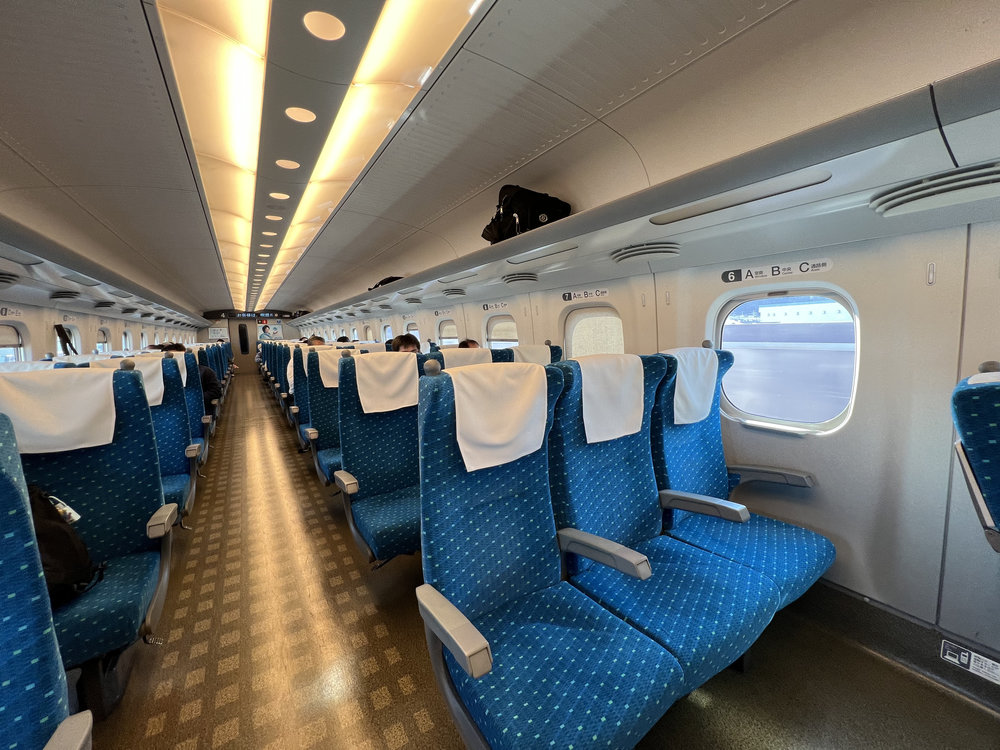
shinkansen from Tokyo to Kyoto takes around 2 hours 20 minutes on the Nozomi (not included in the JR Pass), or about 2 hours 40 minutes on the Hikari (covered by the JR Pass). It's a great journey and, on a clear day, you can see Mount Fuji on the right-hand side if you're seated on the E side of the train.
Arrive in
Kyoto by early afternoon and use the rest of the day to explore
Gion, the traditional geisha district.
Hanamikoji Street is the main strip, and walking it at dusk is one of those experiences that tends to stick with you.
Klook Tip: Book a reserved seat in advance if you’re travelling during a busy period (e.g. cherry blossom season, Golden Week). The Hikari stop at Kyoto; the Nozomi does not.
Day 6: Fushimi Inari, Nishiki Market, and a tea ceremony
For your first full day in Kyoto, go to
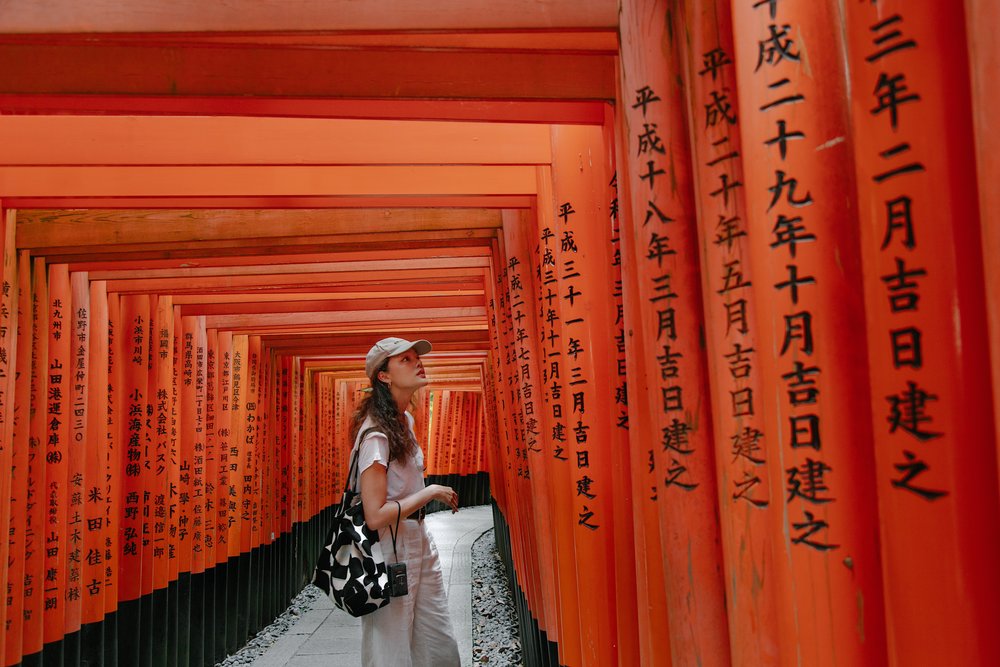
Fushimi Inari Taisha early in the morning; the thousands of vermilion torii gates that wind up the mountain get crowded by mid-morning. You can walk the full trail (around 4 km to the summit), or just go part of the way and turn back.
Klook Tip: If you’re not sure how to go to Fushimi Inari
so early in the morning, you can go on a
Kyoto early morning tour that leaves at 6:45 AM. This takes you to three (usually) crowded tourist spots before they get
actually crowded: Fushimi Inari Taisha, Arashiyama Bamboo Forest, and Kinkakuji Temple.
Back in central Kyoto,
Nishiki Market is a covered market running through the city centre. It's nicknamed "Kyoto's Kitchen" and sells everything from matcha sweets to pickled vegetables to fresh tofu.
In the afternoon, try a traditional tea ceremony. The
Kyoto tea ceremony experience is held in a
Machiya (traditional townhouse) in central Kyoto and gives you a proper introduction to the art of matcha preparation in an authentic setting; one of those activities that feels genuinely different to anything you'd do at home.
Day 7: Arashiyama and western Kyoto
Arashiyama is a scenic district on the western edge of Kyoto and easily one of the most photogenic areas in the whole country. The bamboo grove is the main spot here; it's short but memorable, and best seen before 8 AM to avoid the peak crowds.
From there,
Tenryu-ji is a Zen temple with an exceptional garden and mountain backdrop. It's a 10-minute walk from the bamboo grove and worth the entrance fee.
The
Togetsukyo Bridge over the Hozu River is another great spot, especially in autumn when the surrounding hills turn red and gold. Round off the day with a
boat ride along the Hozu River if you want a different angle on the landscape.
Day 8: Travel to Osaka and explore Dotonbori
You’ve already spent a whole week in Japan, but your 10-day stay here is incomplete without visiting
Osaka! The journey from
Kyoto to Osaka takes around 15 minutes on the
shinkansen or about 35 minutes on the regular JR Biwako/Kyoto Line, both covered by the JR Pass.
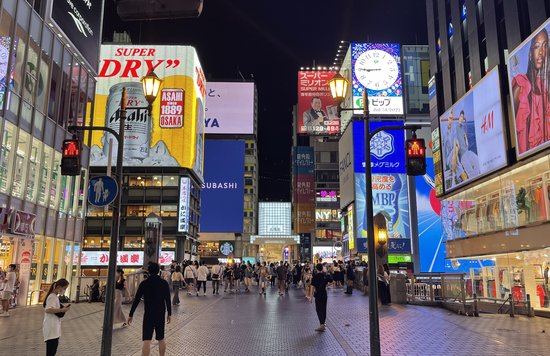
Drop your bags and head straight to
Dotonbori, Osaka's most famous food and entertainment district. The canal-side streets are packed with
takoyaki (octopus balls),
okonomiyaki (savoury pancakes), and
kushikatsu (deep-fried skewers) stalls. This is the kind of neighbourhood where you end up eating way more than planned, and that's absolutely fine!
Klook Tip: Dotonbori gets really crowded around afternoon to evening. If you want to take photos in front of the Glico man with no crowd, visit the area at around 9-10 AM.
In the evening, the
Osaka night walking tour takes you to Dotonbori and surrounding areas with a local guide, which is a good way to understand the neighbourhood's energy, history, and best spots beyond the usual.
Day 9: Osaka Castle, Shinsekai, and street food
It’s your second to the last day in Japan, and you have to make the most out of it! Visit
Osaka Castle, the city's most iconic landmark that’s well worth a visit. The surrounding park is great for a morning walk, and the castle museum inside covers the history of the Toyotomi clan who built it. The views from the top floor over the city are solid.
Then go to
Shinsekai, a retro neighbourhood south of the city centre with a 1950s vibe due to its bright signage,
kushikatsu restaurants, and the
Tsutenkaku Tower. It's the kind of area that feels very local and is much less touristy than Dotonbori.
If you have time in the evening,
Kuromon Ichiba Market (also called Osaka's Kitchen, like Nishiki in Kyoto) is a covered market with vendors selling fresh seafood, fruit, and ready-to-eat snacks like
gyoza and candied strawberries.
Klook Tip: Get an
Osaka Amazing Pass for free or discounted entry to multiple attractions, including Osaka Castle. It often works out cheaper if you're visiting three or more sights in a day.
Day 10: Nara or back to Tokyo
Last day in Japan! If you're flying home from Tokyo, you'll likely need to head back today from Osaka.
But if you've got a flexible morning and would like to squeeze in one last tour,
Nara is just 45 minutes from Osaka and absolutely worth the detour. You can also check our
Osaka to Nara guide for more details!
Nara is home to hundreds of freely roaming deer; they wander around the park, streets, and temple grounds without any fencing.
Todai-ji, the enormous temple that houses Japan's largest bronze Buddha, is the main attraction. You can buy
shika senbei (deer crackers) to feed the deer, though they're persistent once they spot you so be careful!
If you're short on time, you can book a full-day
Nara and Uji day tour from Osaka that handles the logistics for you so you can focus on sightseeing around Nara and Uji! This tour ends at 6:00 PM, so plan accordingly.
The return journey from Nara to Osaka takes around 45 minutes on the Kintetsu Nara Line, and from Osaka you can catch the Shinkansen back to Tokyo in time for an evening or overnight flight.
FAQs about your 10-day itinerary in Japan
Is it worth going to Japan for 10 days?
Yes, 10 days is one of the best lengths for a first visit to Japan. It gives you enough time to visit Tokyo, Kyoto, and Osaka properly without rushing, and still leaves room for a day trip or two. You won't see everything on a first trip, and that's fine. Most people who go to Japan come back.
What is a good itinerary for 10 days in Japan?
The Tokyo-Kyoto-Osaka route is the most reliable starting point. A good 10-day itinerary in Japan splits roughly as: 3-4 nights in Tokyo, 3 nights in Kyoto, and 2-3 nights in Osaka, with a day trip to either Kamakura or Nikko from Tokyo and a quick stop in Nara on the way back. It flows well on the Shinkansen and covers the highlights without backtracking.
What are some hidden gems in Japan?
Beyond the main cities, a few lesser-known spots in Japan are worth knowing about.
Kanazawa on the Sea of Japan coast is often called "Little Kyoto" for its preserved geisha districts and samurai neighbourhoods, and it's far less crowded. Hiroshima and
Miyajima Island make a beautiful combination if your itinerary allows.
Hakone is an easy side trip from Tokyo with mountain views, hot springs, and open-air art. Or, you can also go to the Nakasendo trail between Nagoya and Tokyo that passes through traditional post towns like Magome and Tsumago that have barely changed since the Edo period.
Should I fly into Tokyo or Osaka for a 10-day trip?
Flying into Tokyo and out of Osaka (or vice versa) is the most efficient approach, because it means you don't have to backtrack. Many airlines offer open-jaw flights on this route, and it saves around 4-5 hours of travel compared to returning to your entry point.
If you can only get a return flight, Tokyo is the better arrival point since most UK routes land at Narita or Haneda, and you'll be well-rested for your first couple of days in the city.
What is the best month to visit Japan for a 10-day holiday?
Late March to early April (cherry blossom season) and mid-October to mid-November (autumn foliage) are the two peak periods, and for good reason: Japan looks spectacular during both! Cherry blossom timing varies by year, so check forecasts around 6-8 weeks out.
If you'd rather avoid the crowds and higher prices, late November and early spring (before the blossoms) are still very pleasant.
More Japan travel guides for you
What is Klook?
Klook is a leading pan-regional experiences platform in Asia Pacific, purpose built to digitalize experiences and make them accessible to every traveler.
Our mission is to build the digital infrastructure for the global experience economy — empowering merchants to share their passions and travelers to discover the heartbeat of each destination. We operate a mobile-first, curated platform featuring diverse experiences across global destinations.