Chengdu Leshan Giant Buddha Explanation (Chinese/English/Thai explanation optional)
- • ✔️Multi-language small group tours: English group tour explanation, minimum 3 people! Thai group tour explanation, minimum 3 people! Chinese group tour explanation, minimum 1 person!
- • ✔️Professional in-depth explanation: 1.5 hours explanation duration!
What to expect
- 【Pre-departure Notice】
- 📱 After placing an order, our staff will contact you within one working day.
- 📩 The day before your trip, we will send the contact information of our staff via WeChat/WhatsApp/email, etc.
- 🕗 Meeting Information
- Meeting Time: 10:00 AM
- Meeting Point: Leshan Giant Buddha South Gate/North Gate Tourist Center, the specific meeting point will be notified by the guide.
🗺️Service Content
- Multi-language options available, including Chinese, English, and Thai group tours with explanations.
- The explanation duration is no less than 1.5 hours, provided by professional Leshan Giant Buddha guides.
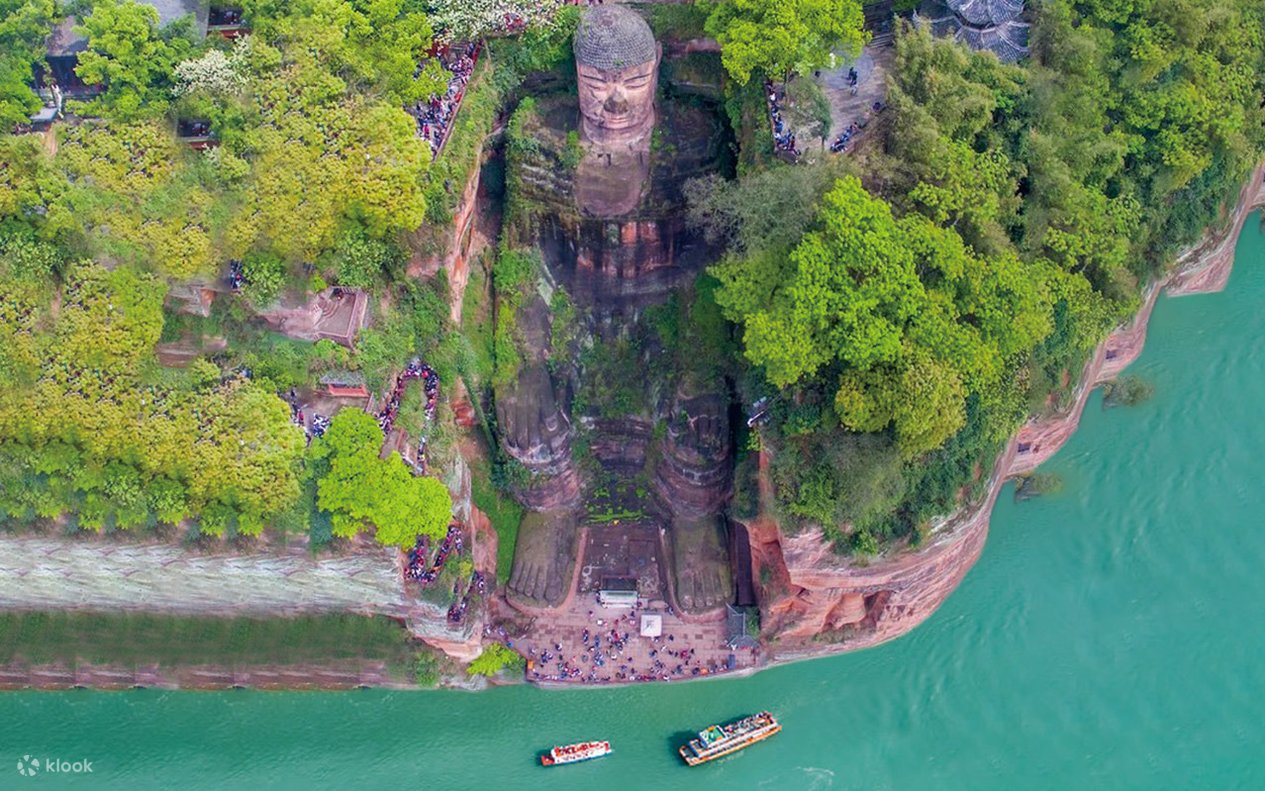
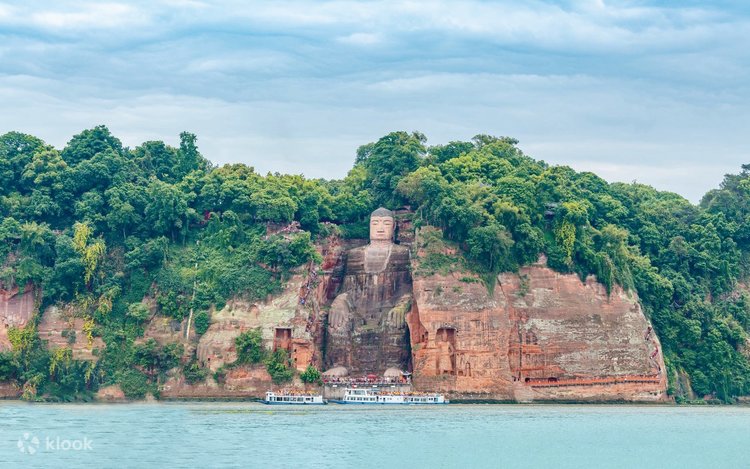
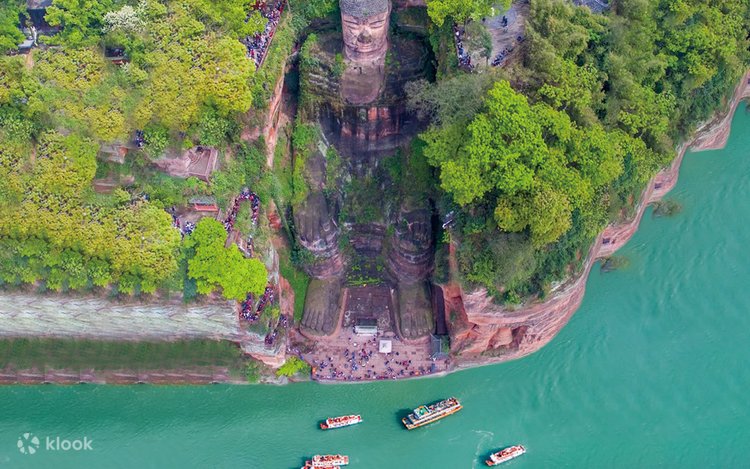
🌄 【Introduction to Classic Itinerary Attractions】 The Leshan Giant Buddha Scenic Area is located at No. 2435 Lingyun Road, Shizhong District, Leshan City, Sichuan Province. It is situated on the cliff of Lingyun Mountain, where the Minjiang, Qingyi, and Dadu Rivers converge. Its full name is Jiaozhou Lingyun Temple Grand Maitreya Stone Statue. It was listed as a national key cultural relic protection unit in 1982; in 1996, it was inscribed on the World Cultural and Natural Heritage list along with Mount Emei; in 2011, it was rated as a National 5A Tourist Attraction, making it the largest cliff-carved Maitreya seated statue scenic area in China. Since ancient times, it has been known as “The mountain is a Buddha, and the Buddha is a mountain,” integrating Tang Dynasty stone carving art, millennium Buddhist culture, Danxia cliffs, and the three rivers and mountains, possessing both cultural relic value and natural landscape value. In the first year of Kaiyuan of the Tang Dynasty (713 AD), Master Haitong of Jiaozhou initiated the carving of the Giant Buddha to quell the floods of the three rivers and protect the people. After Haitong’s passing, the project was continued by two generations of officials, Zhangchou Jianqiong and Wei Gao, lasting 90 years in total, and was completed in the nineteenth year of Zhenyuan of the Tang Dynasty (803 AD). The Buddha’s head is 14.7 meters high, with thousands of snail-shaped hair buns on top, inlaid with independent stone blocks; The ears are 7 meters long, shoulders are 24 meters wide, and the bridge of the nose is 5.6 meters long; The instep is 8.5 meters wide, and a single foot can accommodate hundreds of people sitting simultaneously. The craftsmen concealed a complete set of hidden drainage grooves in the Buddha’s hair buns, clothing folds, and chest, allowing rainwater to be guided and discharged in layers, significantly reducing the weathering and erosion of the red sandstone cliff by river water and rainwater. It is a model of ancient stone carving protection engineering.

.jpg)
.jpg)
.jpg)
Reviews
Contact us
You might also like...
【Klook Selection】Chengdu Leshan Giant Buddha & Mount Emei & Panda Base & Huanglongxi Ancient Town (One-Day/Half-Day Tour)
Chengdu Leshan Giant Buddha & Huanglongxi Old Town Day Tour
Chengdu Leshan Giant Buddha Full-Day Tour with Boat or Hike
Private Transfer Service from Chengdu to Deyang
Emei Mountain Scenic Area
Mount Emei & Golden Summit Small Group Day Tour
Leshan Giant Buddha & Huanglongxi Ancient Town Day Tour from Chengdu
Leshan Giant Buddha & Emeishan Full-Day Guided Historical Tour