

![[usxanz] teamlabs planets vs borderless](https://res.klook.com/image/upload/q_85/c_fill,w_1360/v1732799082/f5lb7plailqqe4dokxlo.jpg)
What is teamLab known for?
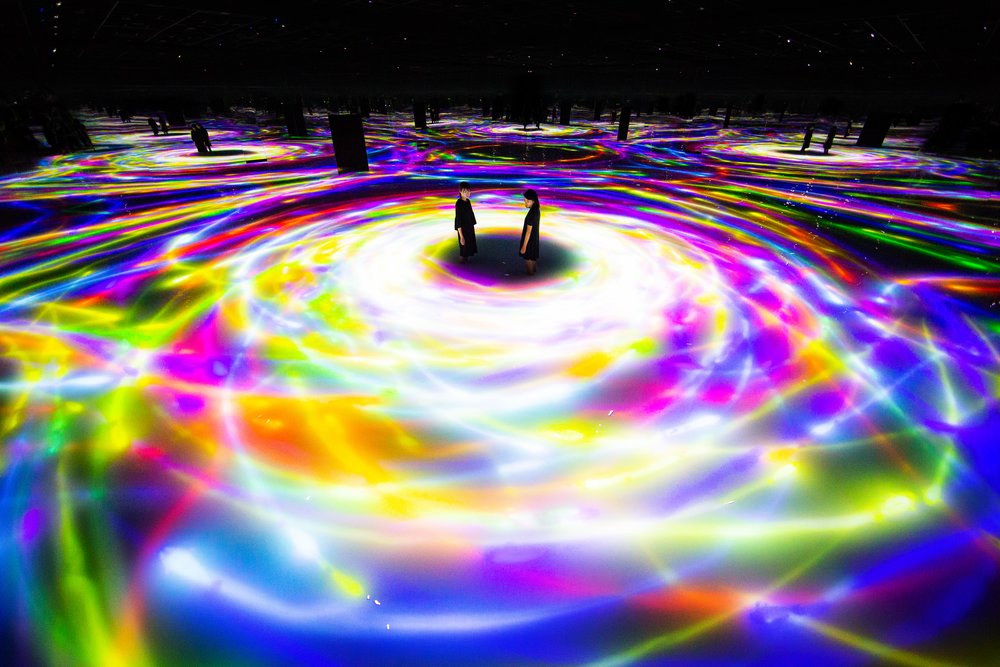
Wade in water at teamLab Planets' Drawing on the Water Surface Created by the Dance of Koi and People
The otherworldly dreamscapes of lights, water, digital effects, lanterns, mirrors, and a bit of magic have made teamLab Borderless and teamLab Planets two of the most popular things to do in Tokyo. They're vibrantly colorful, fun, experimental, and of course, Instagrammable!
The two teamLab museums are only about 30 minutes apart, which means you can easily add both to your itinerary. But if you’re on a bit of a time crunch, the question becomes: teamLab Borderless vs Planets—which should you visit? If you’re unsure, don’t worry! We’ll help you decide which best suits you, including all the details on how to get there, what to wear, and where to buy tickets to your desired digital art museum.
teamLab Borderless vs. teamLab Planets: What’s the Difference?
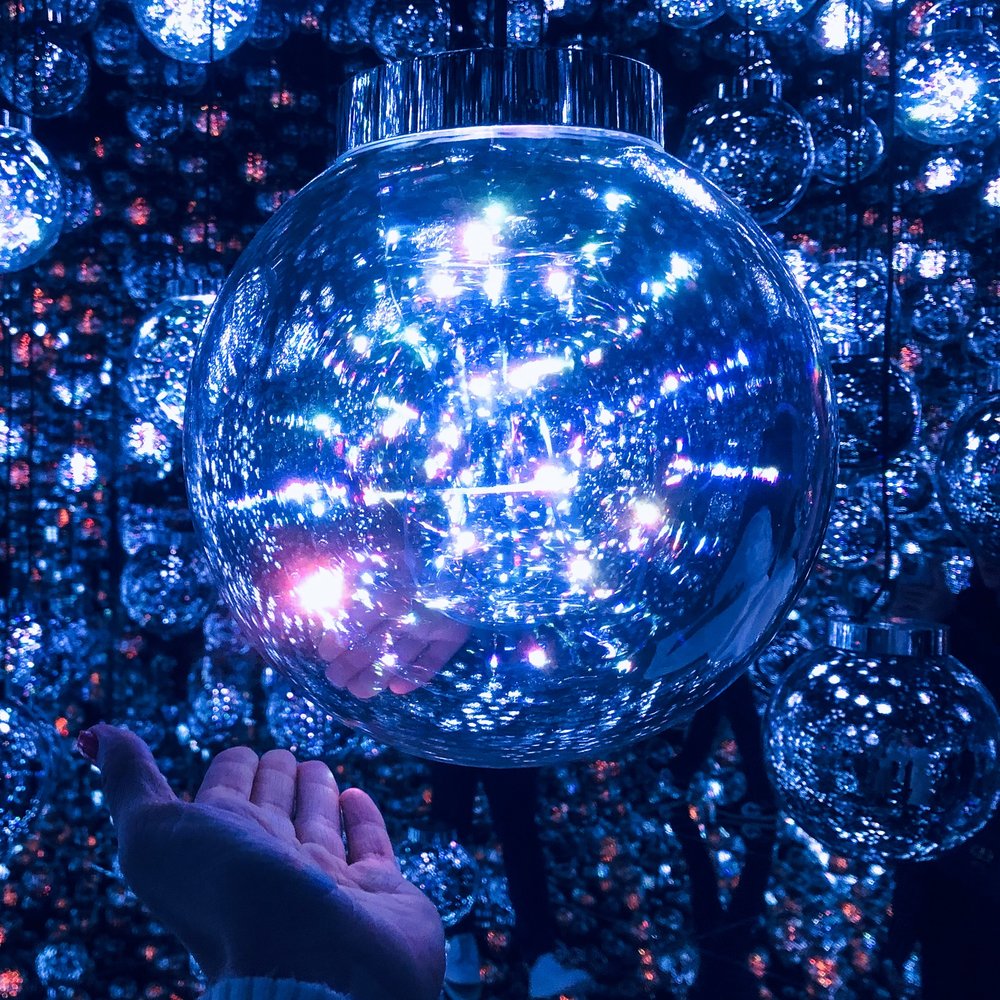
The Bubble Universe: Physical Light, Bubbles of Light, Wobbling Light, and Environmental Light at teamLab Borderless
Both teamLab Borderless and teamLab Planets offer a unique museum experience unlike any other. At both teamLab Borderless and Planets, you become the art. The experience is described as ‘body immersive', and this is evident through more than just seeing the lights projected against your skin. But what sets one from the other is that teamLab Planets focuses more on physical immersion with tactile sensations and hands-on activities, such as walking through water barefoot. Meanwhile, teamLab Borderless invites you into a digital art realm where boundaries dissolve and light installations constantly shift around you, emphasizing more on exploration and discovery.
Another thing to note is that the teamLab Borderless MORI Building Digital Art Museum is permanent, whereas teamLab Planets is only open until the end of 2027.
teamLab Borderless MORI Building Digital Art Museum at Azadubai Hills
The teamLab Borderless MORI Building Digital Art Museum in Azadubai Hills offers a whole new level of immersion! Forget about art confined by walls; here, digital masterpieces break free, dancing across rooms and mingling with visitors and other artworks.
@klooktravel Wake up, a brand new attraction in Tokyo just dropped! #teamLabBorderless envelopes you in a 3D kaleidoscope to tease all of your senses. Would you be adding this to your Tokyo itinerary? 📍 Azabudai Hills in Minato, Tokyo 🎟️ Get your tickets now on Klook – the exclusive tourist ticketing platform for #teamLabBorderless! 🕒 Timed entry from 10am to 7:30pm, at 30-minute intervals #Klook #teamLab #azabudaihills #tokyo ♬ original sound - Klook Travel
Their installations react to your every move, creating an ever-changing, dynamic environment. It's not just an exhibit; it's a captivating journey where you can lose yourself in jaw-dropping visuals, uncovering fresh perspectives with every step.
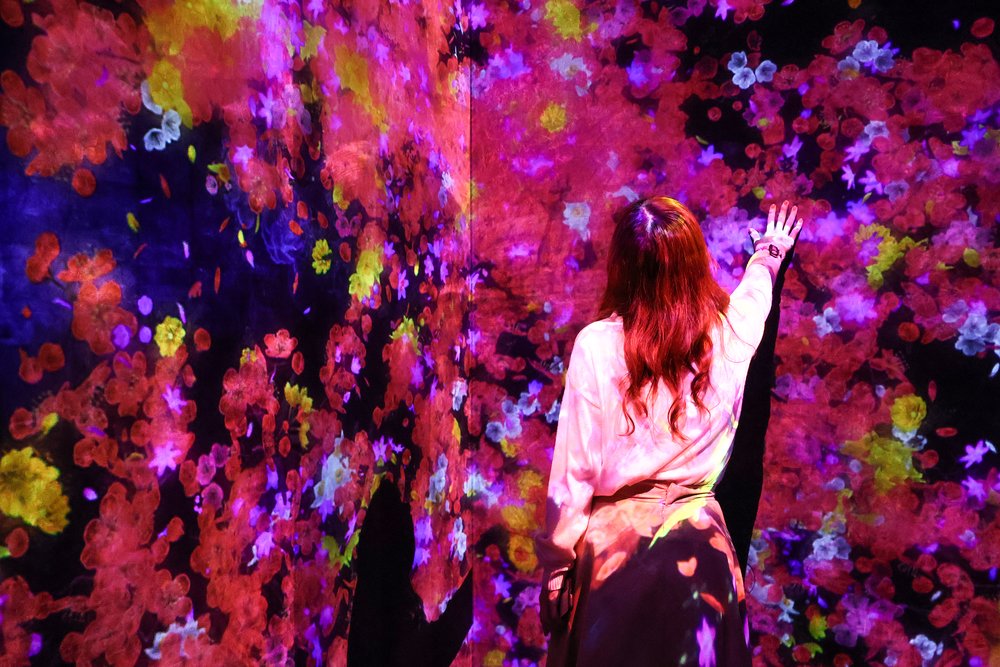
Stand close to the projections at Borderless World for the best photos
The sheer size and cohesion of this digital art museum will also make you feel guilty about all those group assignments you rushed through in college, as it's one big (and we mean BIG) collaboration from individuals across a range of different fields, including mathematicians, architects, programmers, and engineers.
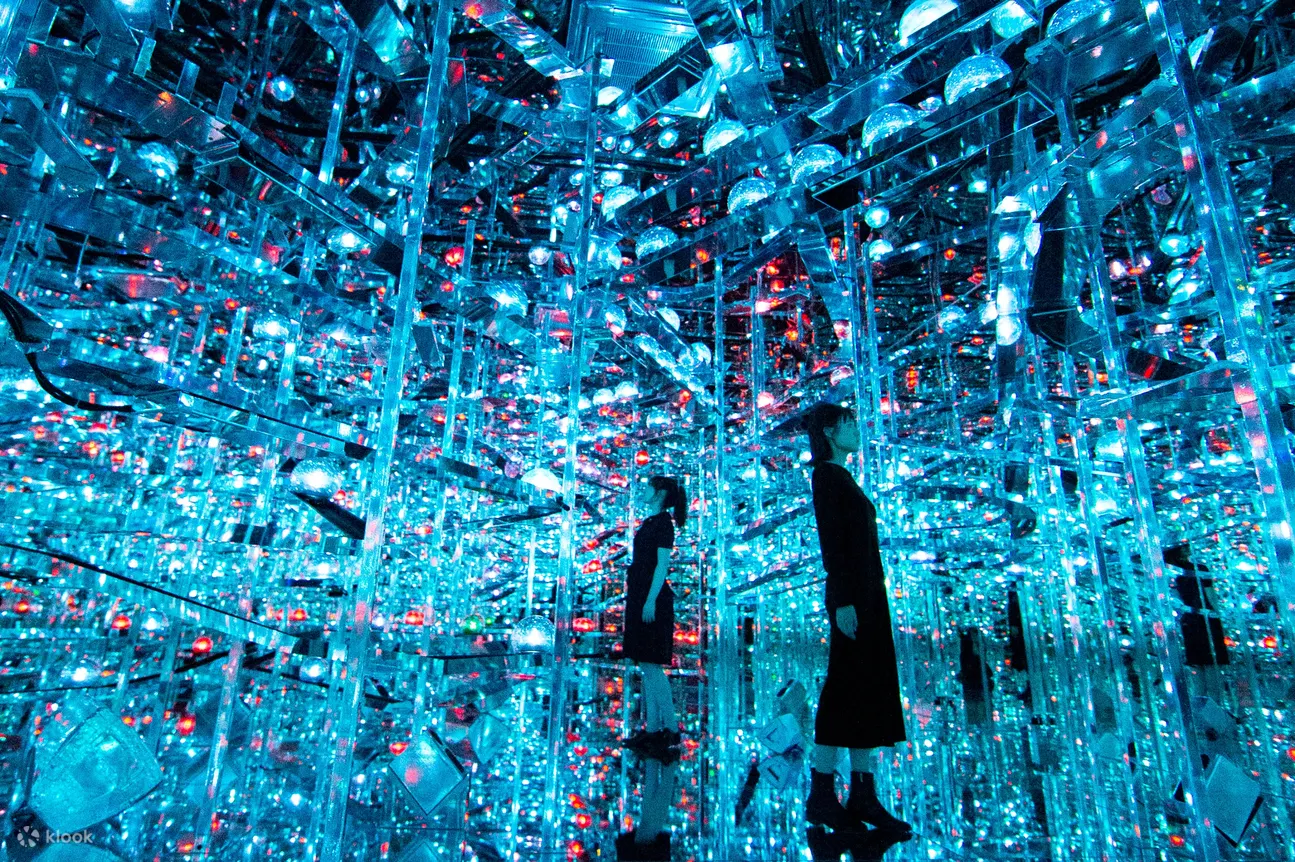
teamLab Planets TOKYO DMM at Toyosu
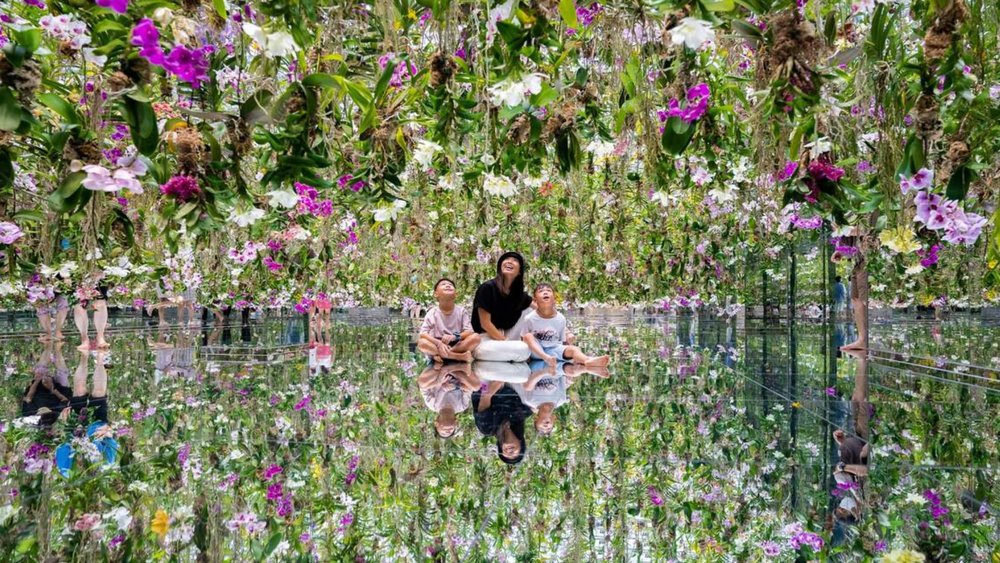
Delight in the sight of the Floating Flower Garden in this one-of-a-kind art gallery at teamLab Planets.
Compared to the loose feel of Borderless, teamLab Planets is almost the opposite and requires you to follow a designated path that sends you along a journey through its four main rooms.
This is to make sure you won't miss any of the seven installations spread across rooms with names like “Infinite Crystal Universe” and “Expanding Three-dimensional Existence in Intentionally Transforming Space – Free Floating, 12 Colours”.
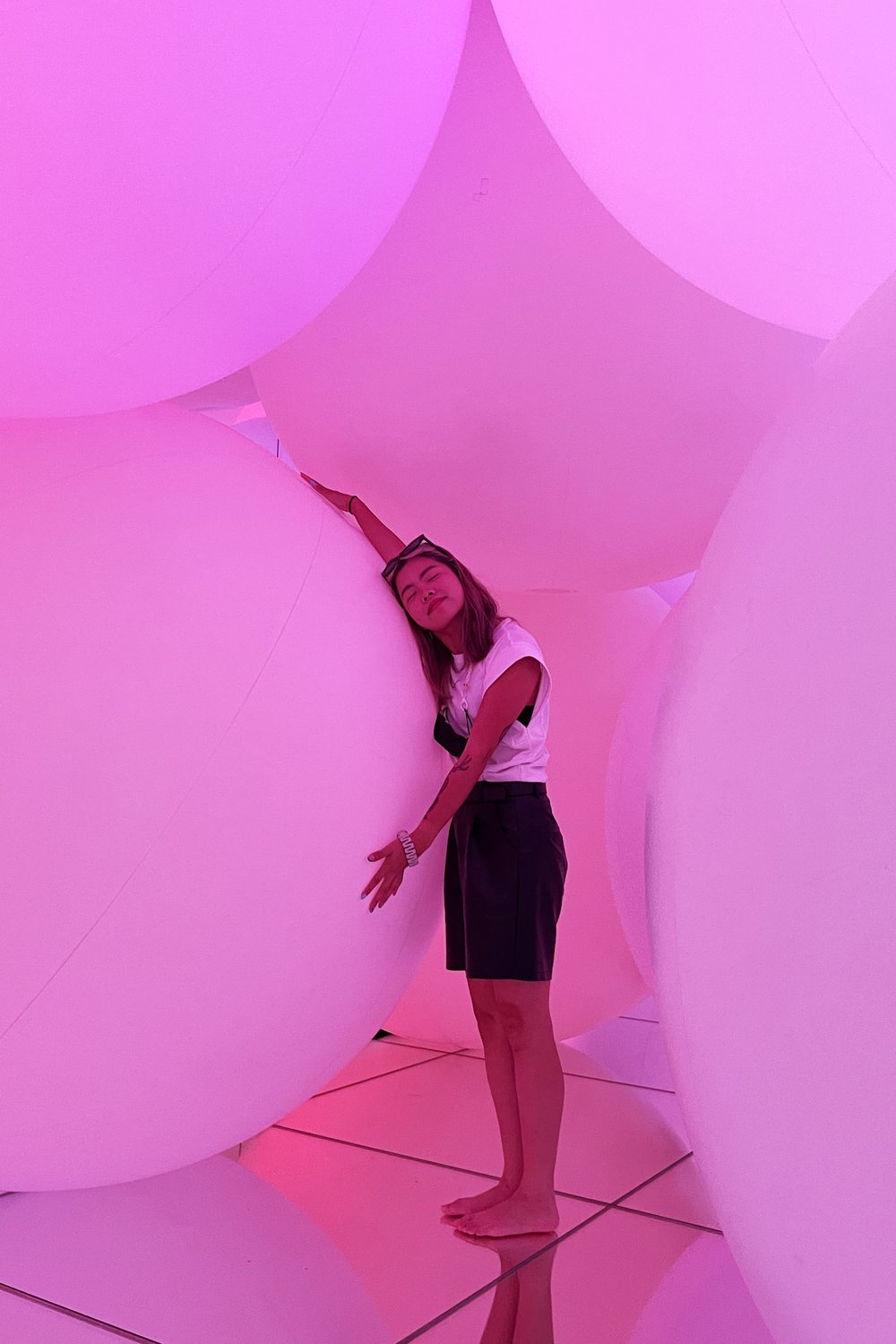
Walk through these Spheres of Light and see how they react to you at teamLab Planets.
Here, you don’t just look at art, you move through it. You’ll wade barefoot through water, push glowing spheres, and walk amid floating blossoms. It’s an intimate and sensory experience that’s unlike anything else.
teamLab Planets also tends to be less congested (very handy for those inevitable photo ops), whereas at teamLab Borderless, there may be waiting times to set foot in some of the rooms once you've entered the museum. It's just that popular.
How to get to teamLab Borderless vs Planets in Tokyo
How to get to teamLab Borderless

Entrance hallway of teamLab Borderless
Going to teamLab Borderless is a piece of cake. Just make sure you don't mix up the new teamLab Borderless location with the old one in Odaiba or the teamLab Planets museum in Toyosu. It's crucial to maintain clear distinctions.
By train
Thanks to excellent public transportation connections, the museum is easily accessible to both local and international visitors. The nearest station to teamLab Borderless is Kamiyacho Station on the Tokyo Metro Hibiya Line. Exit 5 of Kamiyacho Station is your gateway to the digital art museum.
For an even more seamless subway journey, consider getting a Tokyo Subway ticket. This pass gives you unlimited rides on all Tokyo Metro lines, adding convenience to your city exploration and securing you with easy access to teamLab Borderless.
By walking
Alternatively, if you're coming from Roppongi Station or Azabujuban Station, a pleasant 15-minute stroll will lead you to the entrance of teamLab Borderless. Situated conveniently in central Tokyo with effortless access, this digital art museum offers a perfect day out in the heart of the city.
Address: Azabudai Hills Garden Plaza B B1, 1-2-4 Azabudai, Minato-ku, Tokyo
How to get to teamLab Planets
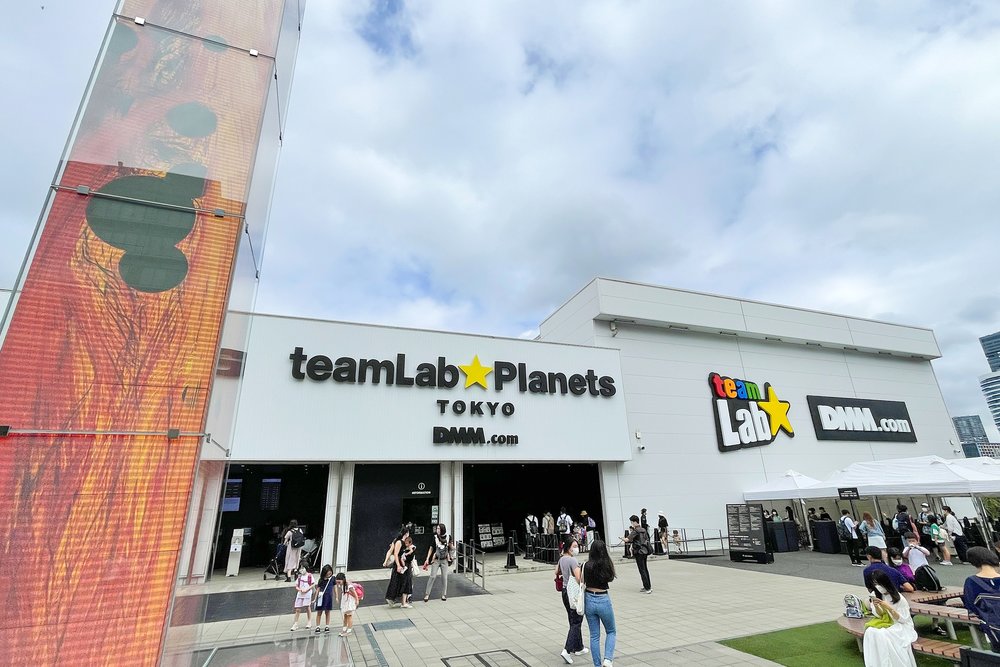
Entrance to teamLab Planets in Toyosu
teamLab Planets is located in Tokyo's Toyosu area, which sits between Ginza and Odaiba. You can take the train or hop on a direct shuttle bus to teamLab Planets.
By train
To catch the train there, hop on the Yurikamome Line from Shinbashi Station (a quick five-minute ride on the Yamanote Line Local from Tokyo Station) and get off at Shin-Toyosu Station. The trip should take around 30 minutes.
You'll want to make sure you have the right rail pass (the Suica IC card will work well for this). For seamless navigation, consider getting an eSIM card with data so that you can freely hop from train to train and access Google Maps (you know, just in case).
By bus
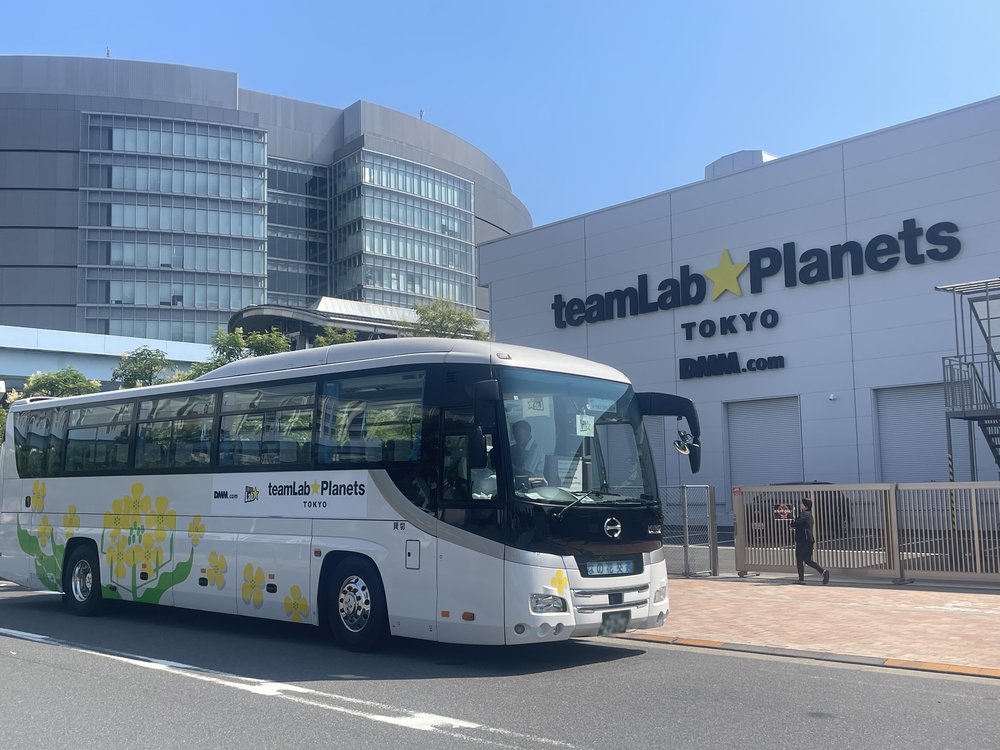
teamLab Planets shuttle bus available to and from Ginza
There's also an available shuttle bus to teamLab Planets that departs from Tokyo Station or Ginza, so you definitely won't get lost.
Address: teamLab Planets TOKYO, Toyosu 6-1-16, Koto-ku, Tokyo
What to Wear: teamLab Borderless vs Planets

Dress comfortably!
Evoking all the senses, both teamLab museums have sounds, sights, and textures. For those who want to take photogenic pictures, wearing white or plain-colored clothing is ideal, as it allows you to blend into the canvas of projected images and stand out even in dim lighting.
At teamLab Planets, you'll even be barefoot and knee-deep in water at some point during your time here. So wear something that you can fold up to your knees. If you must wear your favorite leggings but don't want to get them wet, you can always borrow a pair of shorts that are available free of charge to visitors. Do note that you can't wear socks at teamLab Planets, and you'll be required to remove both shoes and socks before entering the exhibits.
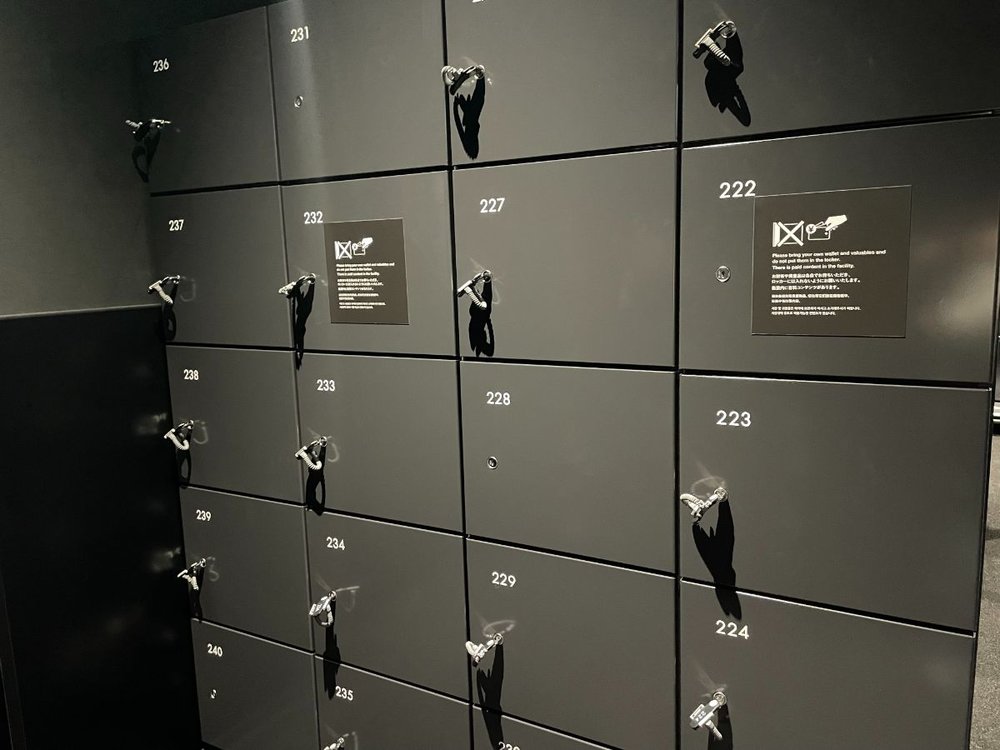
Lockers available at teamLab Borderless
Both teamLab museums also feature exhibits with mirrored floors that may cause discomfort for anyone wearing a dress or skirt. You are strongly encouraged to wear shorts or pants. But even if you wear a skirt, there are clothes available for rent near the artworks that use mirrors, so feel free to ask the staff.
And don't worry if you're carrying tons of shopping along that day. Both museums offer lockers for visitors to store their belongings. Your shoes and bags will be safely stored in the free lockers, and towels are available to dry off when you exit the wet room. They've thought of everything!
Klook Tip: While lockers are available, it’s advisable to pack light during your visit. After all, you’ll only be allowed to bring your phone with you during the experience.
Accessibility: teamLab Borderless vs Planets

teamLab Borderless, Sea of Clouds, 2019, Light Sculpture - Fog, Sound: Hideaki Takahashi © teamLab, courtesy Pace Gallery
Due to the quick-moving lights, teamLab Borderless and Planets may not be friendly to people who have trouble processing information taken in through the senses.
teamLab Planets is wheelchair accessible, but those who require the use of a chair will need to transfer to a supplied wheelchair to enter the exhibition. Please note that these wheelchairs are the basic, manual kind.
On the other hand, teamLab Borderless is mostly wheelchair accessible, except for some areas where they are restricted and electric wheelchairs are prohibited entirely. While this is disappointing, it's an issue of weight loading as the floors are made of different materials.
How Long to Spend at teamLab Planets vs Borderless
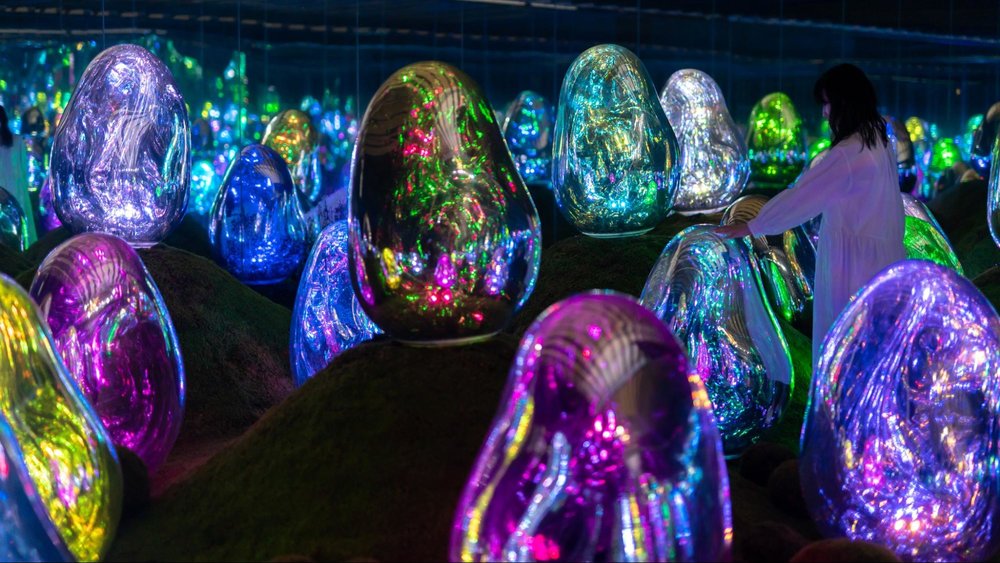
“Moss Garden of Resonating Microcosms" at teamLab Planets / Image credit: teamLab Planets Tokyo
Plan at least 2-3 hours for each museum to fully immerse yourself in all the artworks, installations, and exhibits. Though teamLab Borderless might require a little more time because of its open concept of adventure and exploration. While Borderless is vast and maze-like, teamLab Planets follows a more structured, linear journey.
Where can I buy teamLab tickets?
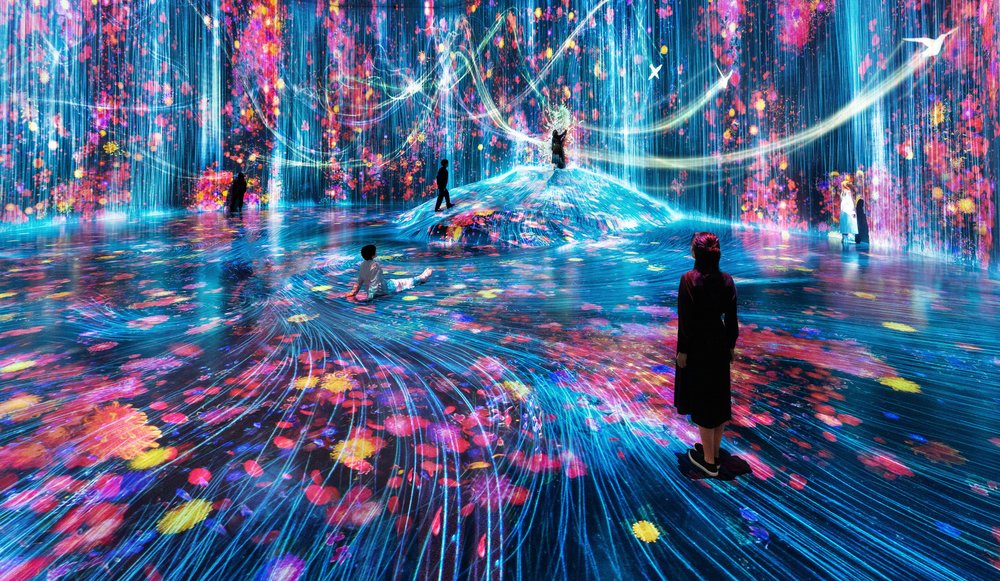
teamLab Borderless, Universe of Water Particles on a Rock where People Gather, 2018, Interactive Digital Installation, Sound: Hideaki Takahashi © teamLab, courtesy Pace Gallery
As you can imagine, both teamLab Borderless and teamLab Planets are highly popular museums in Tokyo. You're encouraged to book in advance to secure a sure slot, as tickets often run out weeks ahead of time.
But hey, we've got you covered! You can book your teamLab Planets tickets and teamLab Borderless tickets on Klook with instant confirmation!
Do note that entry to both museums is by session times, so when you purchase your tickets, it'll be for a particular time slot on your chosen day of visit.
When to Visit: teamLab Borderless bs. teamLab Planets
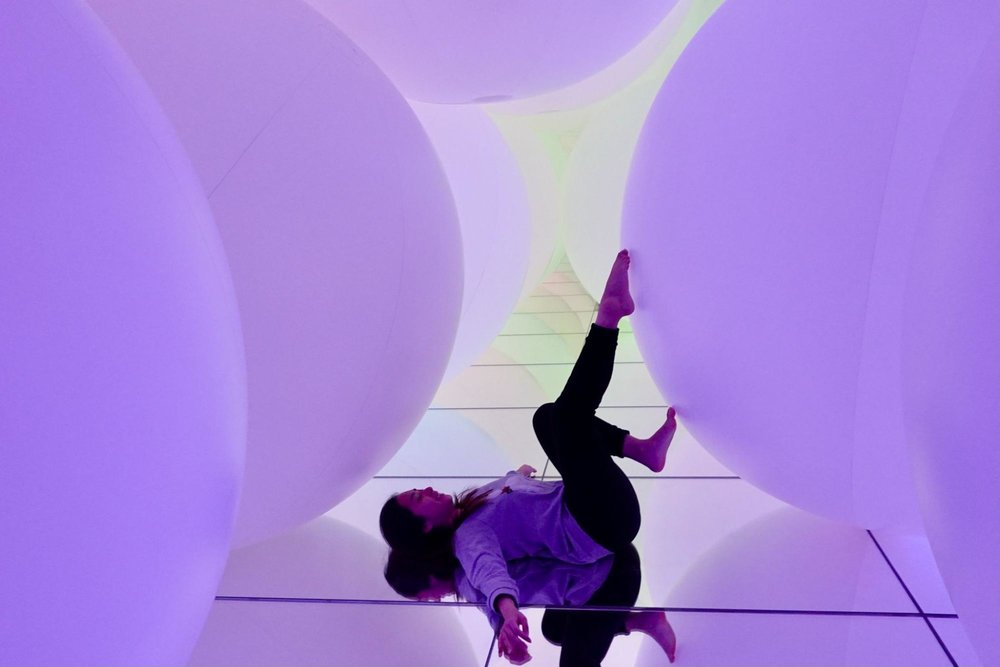
Reflective floors at the teamLab Planets, Tokyo
teamLab Borderless is open from 10:00 AM to 9:00 PM daily. The last admission is one hour before closing. Take note that it's closed on the 1st and 3rd Tuesdays of every month, as well as on days stated on the official teamLab Borderless page.
teamLab Planets, on the other hand, is open from 9:00 AM to 10:00 PM daily. Like Borderless, the last entry is one hour before closing time. They also have a scheduled closure day each month, which can be found on the official teamLab Planets page.
Both are usually quiet during the first and last two hours on weekdays, but they get a bit more crowded around noon and lunchtime on weekends.
So, teamLab Borderless vs. teamLab Planets–Which Should You Visit?
It honestly depends on what kind of experience you’re after. If you’re one for the physical senses and looking for a guided tour (and also don’t mind taking your shoes off or getting wet), choose teamLab Planets. For the adventurous explorer type, you might appreciate teamLab Borderless more with its vast, wandering space. But if time permits, we highly recommend visiting both museums, as each offers a uniquely different art experience. Plus, they're both in Tokyo and close enough for convenience. Whether or not you're an art enthusiast, your Tokyo trip won't be complete without visiting teamLab Borderless or Planets.
FAQs About teamLab Borderless vs Planets
What’s the difference between teamLab Borderless and teamLab Planets?
teamLab Borderless is like a digital maze of constantly changing light, while teamLab Planets is an interactive journey where you move through water and mirrored spaces.
Which one is better for Instagram-worthy photos or social media?
teamLab Planets’ mirrored water rooms and flower garden are perfect for moody, cinematic shots, while teamLab Borderless offers colorful visuals which leave plenty of room for fun and creativity.
Which museum is more accessible for people with limited mobility?
teamLab Planets (Toyosu) is more accessible for wheelchairs and public transport; teamLab Borderless (Azabudai Hills) is centrally located but has a few restricted zones.
How much time should you allow for each of Borderless vs Planets?
You’ll want at least 2 to 3 hours per museum — they’re both immersive experiences meant to be explored slowly. teamLab Borderless can feel endless (in a good way!), while teamLab Planets follows a set path, so you won’t miss any of its highlights.
Which one is more kid-friendly or suitable for families?
If you’re visiting with kids, teamLab Planets might be the better choice. It’s more direct and easier to navigate, plus little ones will enjoy the hands-on sensory aspect and splashing through the water exhibits. teamLab Borderless is great too, but it might be more difficult for smaller kids to navigate. Still, it’s a great experience for older kids and adults who like to explore.
More Japan Inspiration


What is Klook?
Klook is a leading pan-regional experiences platform in Asia Pacific, purpose built to digitalize experiences and make them accessible to every traveler.
Our mission is to build the digital infrastructure for the global experience economy — empowering merchants to share their passions and travelers to discover the heartbeat of each destination. We operate a mobile-first, curated platform featuring diverse experiences across global destinations.
✨ Follow us for more deals and inspiration for your upcoming travels




![[Updated] Complete List Of Official Nationwide MCO SOP 2021](https://res.klook.com/image/upload/fl_lossy.progressive,q_85/c_fill,w_160,h_104/v1633858858/blog/iso56uzsphmdguixkvzh.jpg)




![[Updated] Complete List Of Official Nationwide MCO SOP 2021](https://res.klook.com/image/upload/fl_lossy.progressive,q_85/c_fill,w_410,h_264/v1633858858/blog/iso56uzsphmdguixkvzh.jpg)