

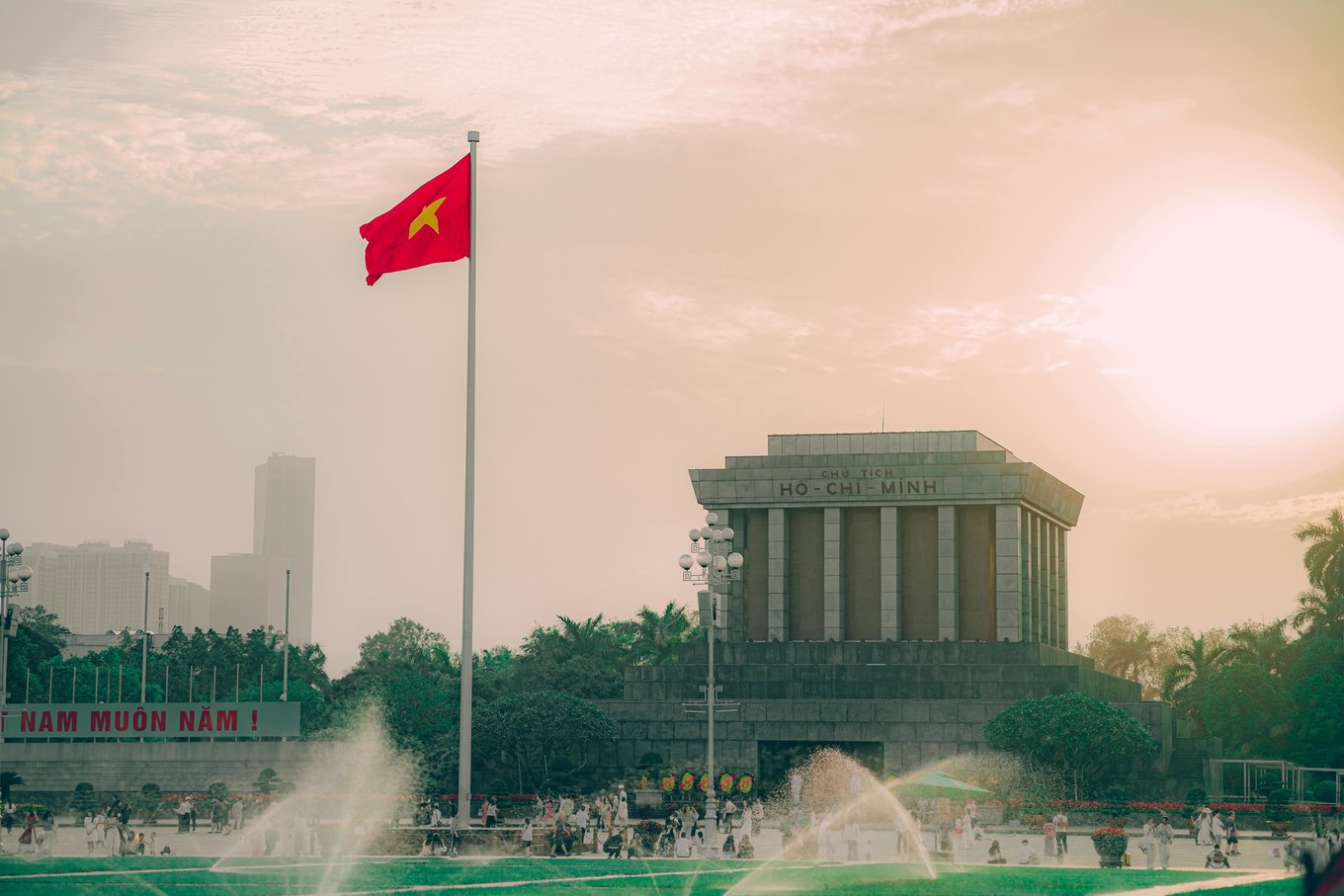
As Vietnam’s capital, you wouldn’t expect anything less from Hanoi. Its rich history, culture, and modern scenes like quirky cafes, top-notch restaurants, and indie art galleries are worth the trip.
Here, you’ll find the Ho Chi Minh Mausoleum in Hanoi. And no, we don’t mean the city down south. This is where President Ho Chi Minh’s remains rest. In this guide, we’ll walk you through everything you need to know: from the story behind Ho Chi Minh Mausoleum and why it’s a must-visit to how to get there and nearby attractions.
Who is Ho Chi Minh?
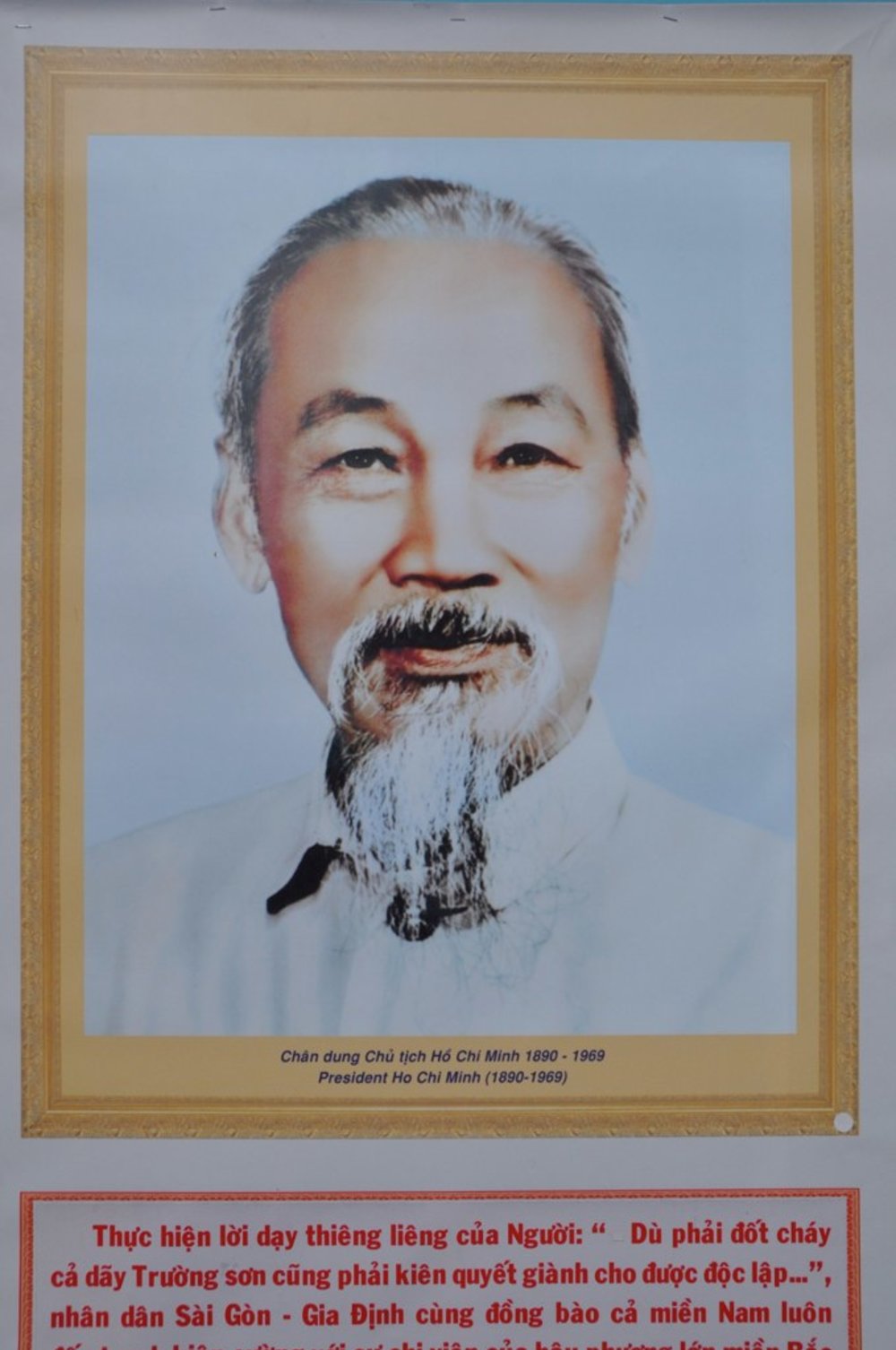
A photo of President Ho Chi Minh | Photo by Comatose Slide Show on Flickr
Before getting into the Ho Chi Minh Mausoleum in Hanoi, let’s talk about the man himself. Ho Chi Minh is known as the founder of modern Vietnam. He led the country’s fight for independence from French colonial rule and became a national hero. His impact was so huge that Vietnam’s southern capital, Ho Chi Minh City, was named after him! 🤩
Locals fondly call him “Uncle Ho,” a name that shows just how deeply loved and respected he is. Uncle Ho actually wanted to be cremated, but the government decided to preserve his body in this mausoleum as a symbol of national pride. For locals, visiting the Mausoleum of Ho Chi Minh is a way to pay their respects to Vietnam’s icon and legend.
For tourists, it’s a must-see landmark where you can learn more about Vietnam’s history. Don’t be surprised if you see locals getting emotional; it just shows how much “Uncle Ho” still means to them today! ❤️
How to get to the Ho Chi Minh Mausoleum

Tourists taking the Vietnam Legendary Jeep on their tour
There are several ways to get to the Ho Chi Minh Mausoleum in Hanoi, located in Ba Dinh District.
- Private car 🚙 - You can always rent a private car with a driver to take you on your Hanoi day trip. If you prefer to DIY your itinerary, this is the way to go. Prices start from around 50.39 AUD.
- Local bus 🚌 - For the most budget-friendly option, take a local bus. Take note of the bus routes that pass by Ba Dinh Square, such as bus numbers 09, 33, 22, 45, and 50. Tickets start at 7,000 VND (~0.40 AUD).
- Jeep tour 🛻 - If you want the journey in itself to be fun as you head to the Mausoleum, we’d recommend joining a tour that lets you ride on an open-air Vietnam Legendary Jeep! This half-day tour definitely takes the stress out of planning your itinerary since it covers all the must-visit places in Hanoi. Plus, where else could you ride an open-air Vietnamese jeep? Prices start at 72.69 AUD per person.
What to Expect When Visiting the Mausoleum
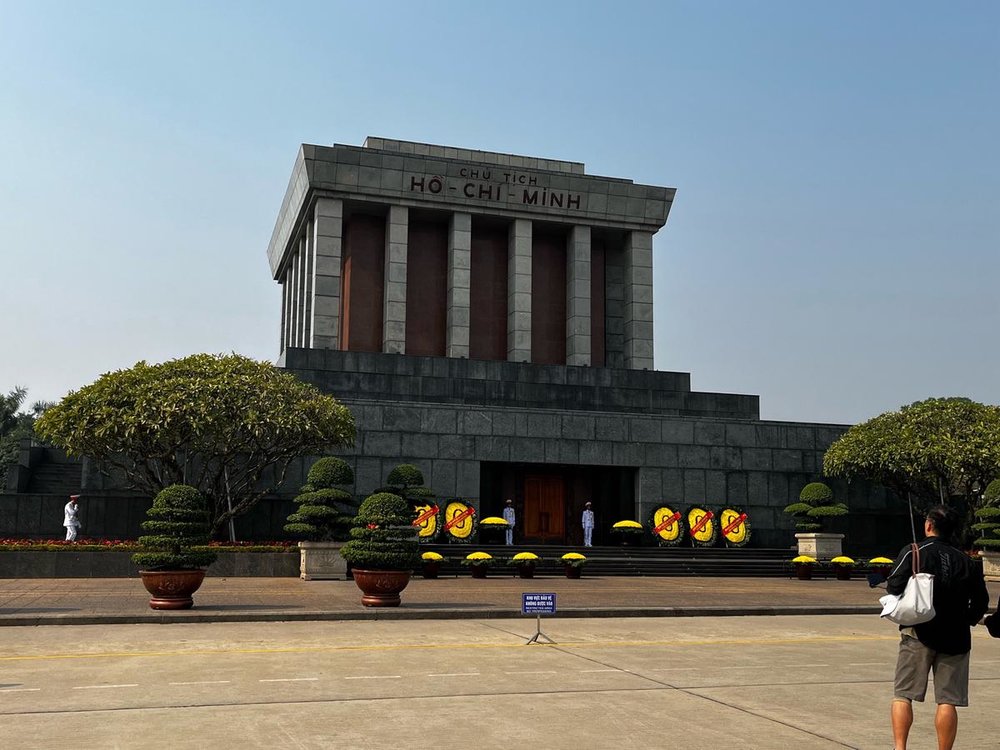
Guards always on patrol outside and inside the mausoleum | Photo by Klook User sook ******
Visiting the Ho Chi Minh Mausoleum in Hanoi is a solemn yet fascinating experience. Inside is a room covered in marble. You’ll see President Ho Chi Minh’s body carefully preserved in a glass case, resting on a bed atop a stone pedestal. Four uniformed guards stand watch at all times. 🫡
The room is kept cool and dimly lit to help preserve his body. You’re expected to walk in single file and remain silent throughout the visit to show respect.
Outside the mausoleum, the vibe is more serene. It’s surrounded by over 250 species of plants, each one chosen for its symbolic link to Ho Chi Minh’s life and the regions of Vietnam he once traveled to. It’s a peaceful sight to pause and take in the atmosphere after your visit inside. 🍃
Klook Tip: Dress modestly! Long pants or skirts, covered shoulders, and closed-toe shoes are recommended to meet the dress code. This isn’t the place for shorts or sandals, no exceptions! The guards are very strict about it. When in doubt, it’s better to overdress than be denied entry. You’re also not allowed to talk, take pictures, bring food, or use your phone inside. This might seem a bit much, but you have to remember that you’re visiting a sacred site.
When to Visit the Mausoleum
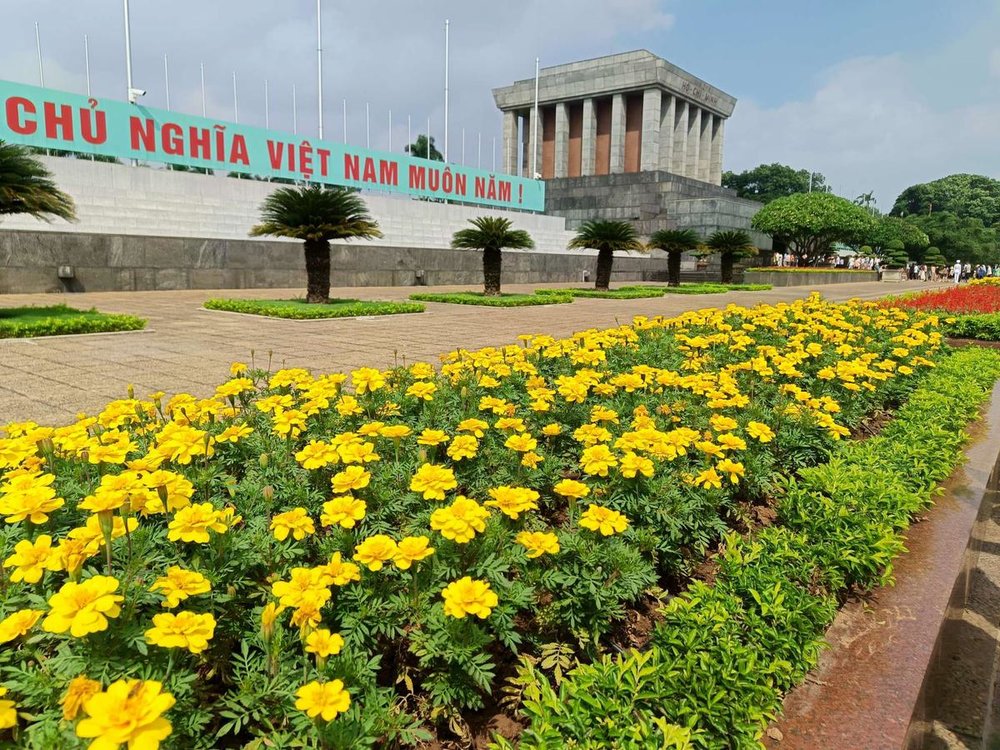
Thoughtfully placed flowers and greenery outside the mausoleum | Photo by Klook User
The Ho Chi Minh Mausoleum in Hanoi is open in the mornings only on Tuesdays, Wednesdays, Thursdays, Saturdays, and Sundays. It’s closed on Mondays and Fridays, though it does open on special occasions such as May 19 (Ho Chi Minh’s birthday), September 2 (Vietnam’s National Day), and the first day of Lunar New Year. 🌼
Do take note that opening hours vary by season:
April to October: 7:30 AM – 10:30 AM (until 11:00 AM on weekends and holidays)
November to March: 8:00 AM – 11:00 AM (until 11:30 AM on weekends and holidays)
Sometimes, the mausoleum closes for annual maintenance and cleaning that takes about 2 months. Typically, this happens between September and November, but dates may change. It’s best to check the Mausoleum Management Board’s website and socials to make sure it’s open before you plan on visiting.
Tickets for foreigners cost 25,000 VND (~1.42 AUD) to enter. However, we recommend booking a guided tour of Hanoi so you can also explore other nearby places to get the full experience!
Other Places to Visit Nearby in the Ho Chi Minh Mausoleum
To make the most out of your trip to the Ho Chi Minh Mausoleum, check out other places nearby where you could further immerse yourself in Vietnam’s history and culture.
1. One Pillar Pagoda
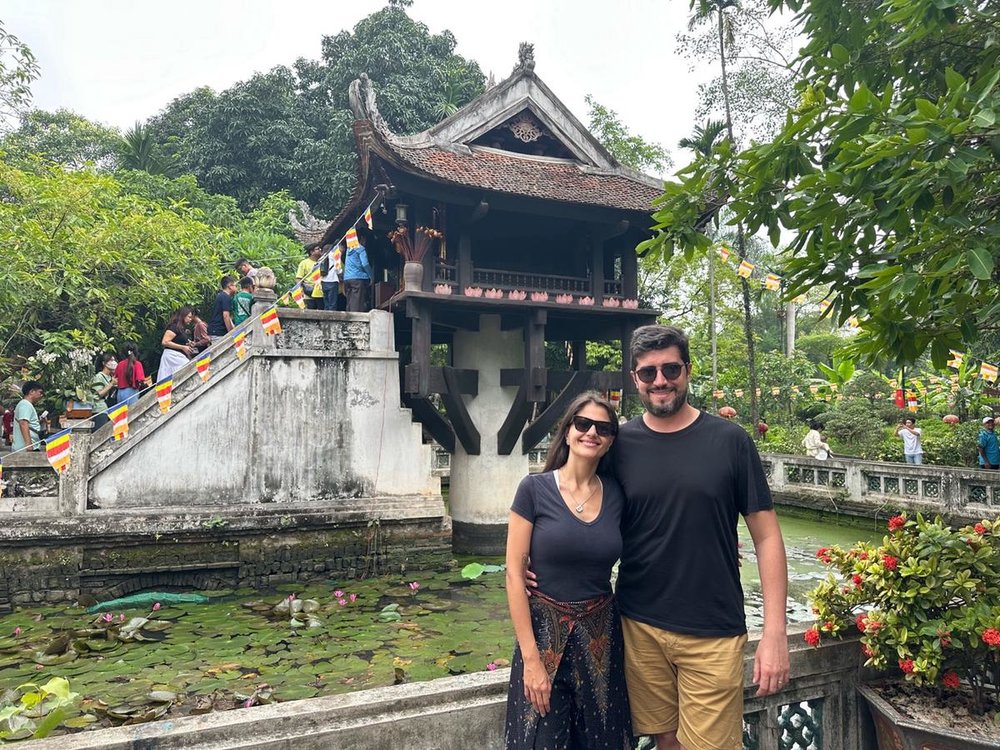
Tourists taking photos in front of the One Pillar Pagoda | Photo by Klook User
Just a short walk from the Ho Chi Minh Mausoleum, you’ll find the iconic One Pillar Pagoda. Built to resemble a lotus blossoming from the water, it symbolizes purity and enlightenment in Vietnamese Buddhism. Despite its small size, it’s one of the most photographed spots in Hanoi! 🪷
2. Tran Quoc Pagoda
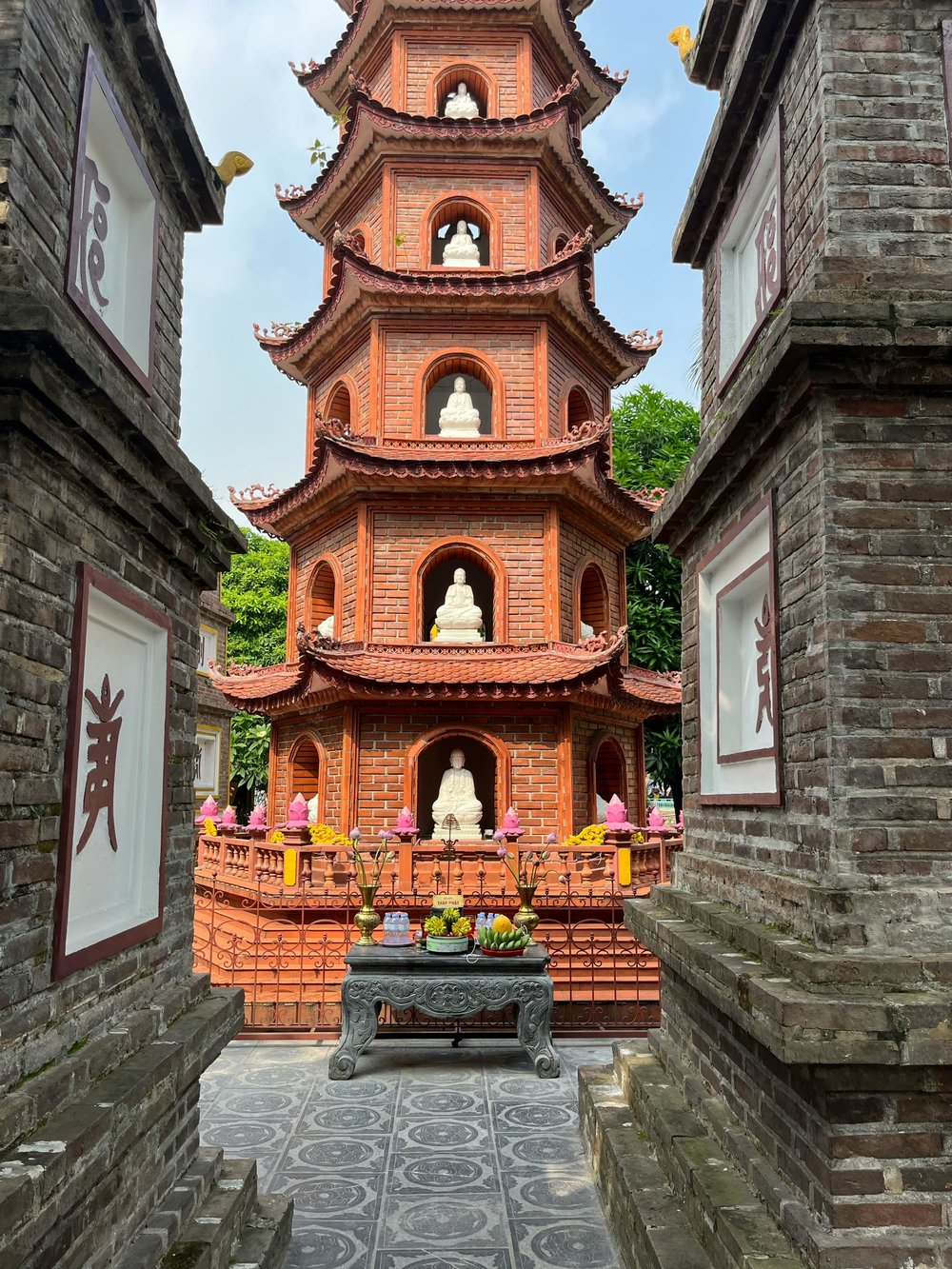
A close-up of Tran Quoc Pagoda | Photo by BAE JUN on Pexels
Sitting gracefully on a small island in West Lake, Tran Quoc Pagoda is the oldest pagoda in Hanoi. With its striking red tower reflected on the water and the gentle hum of temple bells in the background, it’s a serene escape from the city’s chaos. Locals come here to pray for peace and prosperity, while travelers can enjoy the calm atmosphere and stunning sunset views. ☀️
3. Hoa Lo Prison
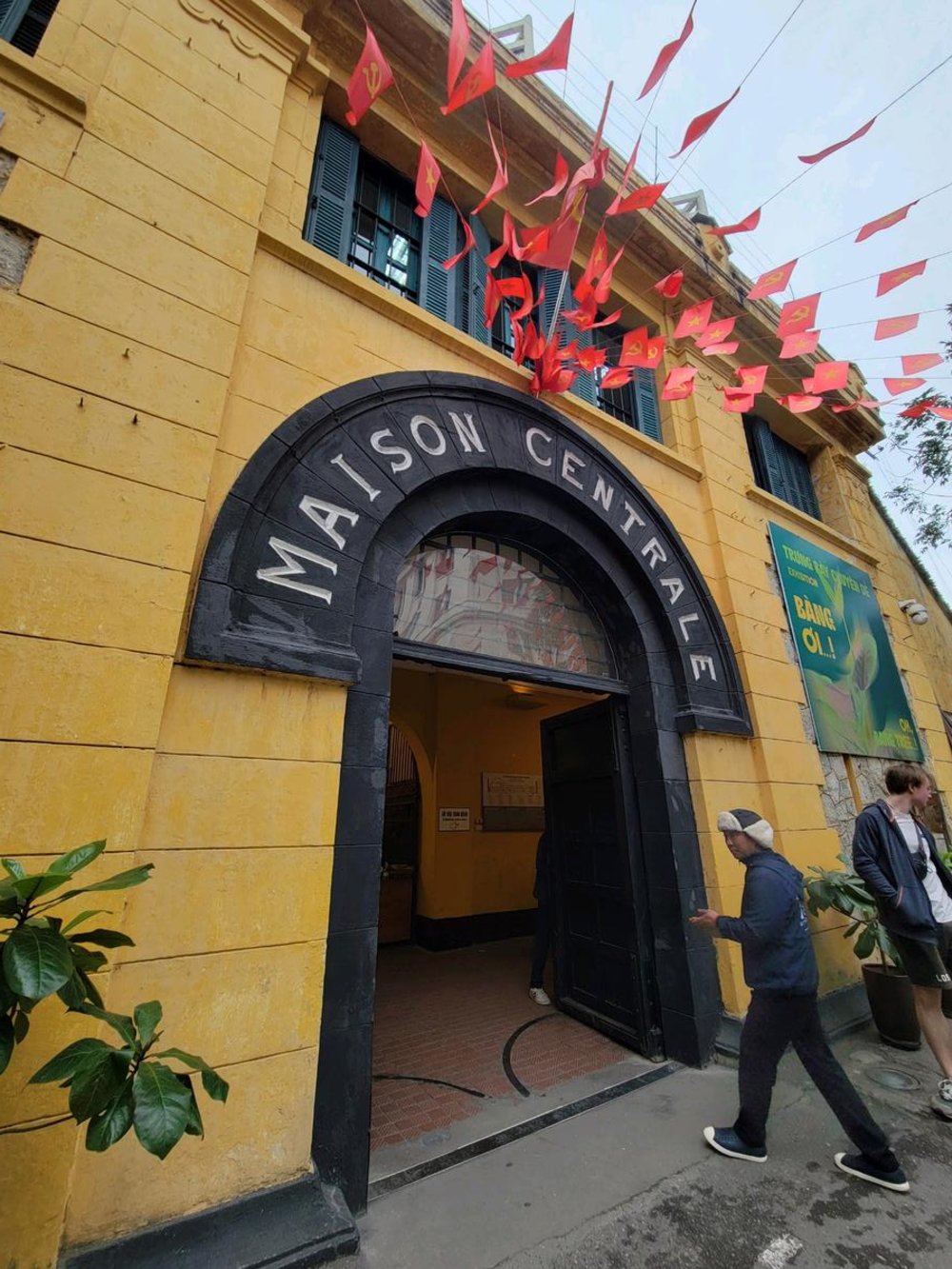
The entrance of the prison museum | Photo by Klook User Hsiao ********
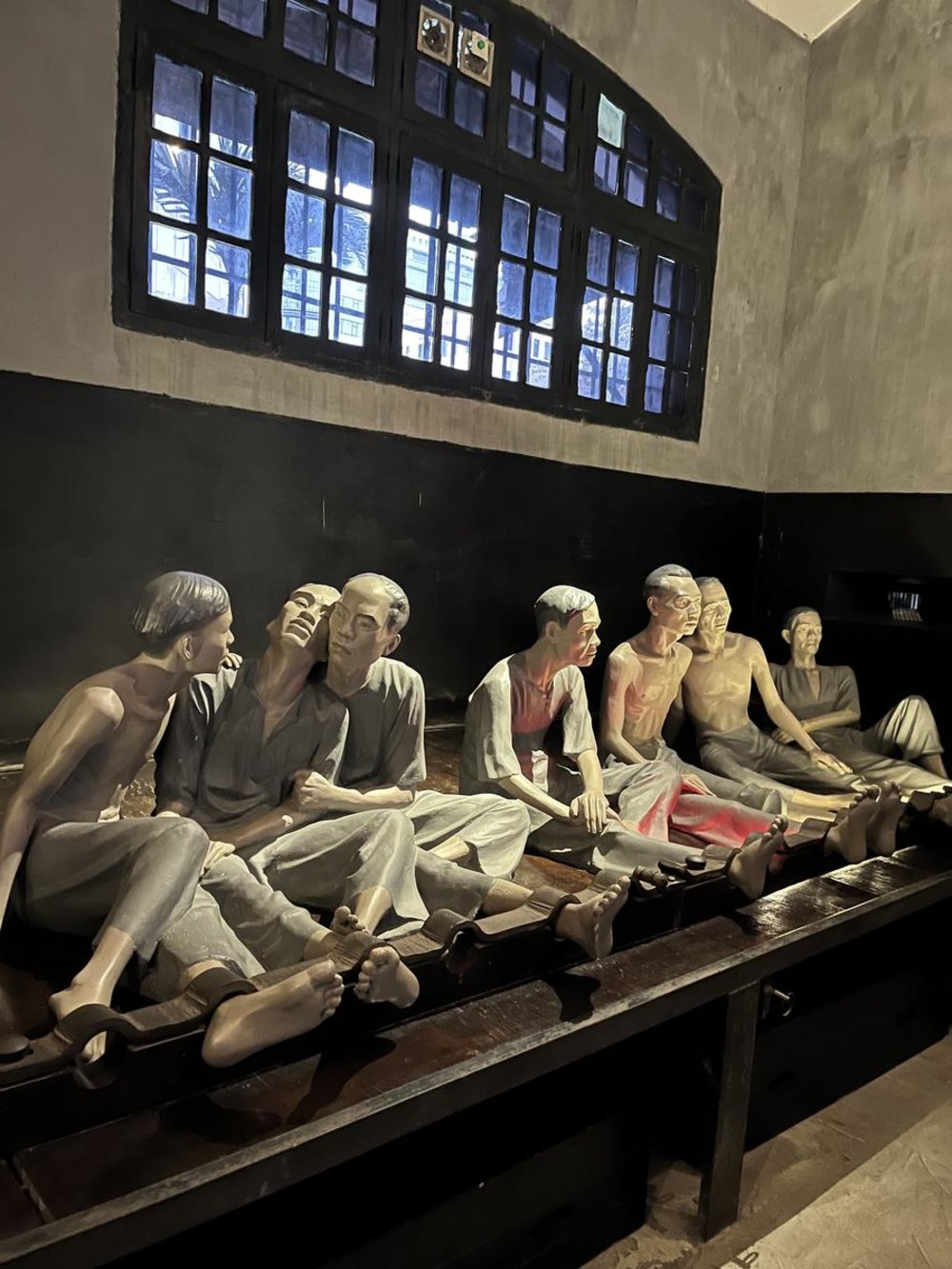
The entrance of the prison museum | Photo by Klook User Hsiao ********
Hoa Lo Prison offers a glimpse into one of Vietnam’s most haunting yet powerful chapters. Once used by the French to imprison Vietnamese revolutionaries (and later by the North Vietnamese to hold American prisoners of war), it’s now a museum that tells stories of resilience and survival. It’s connected to the Ho Chi Minh Mausoleum as it gives you a deeper understanding of the country’s struggle for independence. ✊🏼
4. Museum of Women
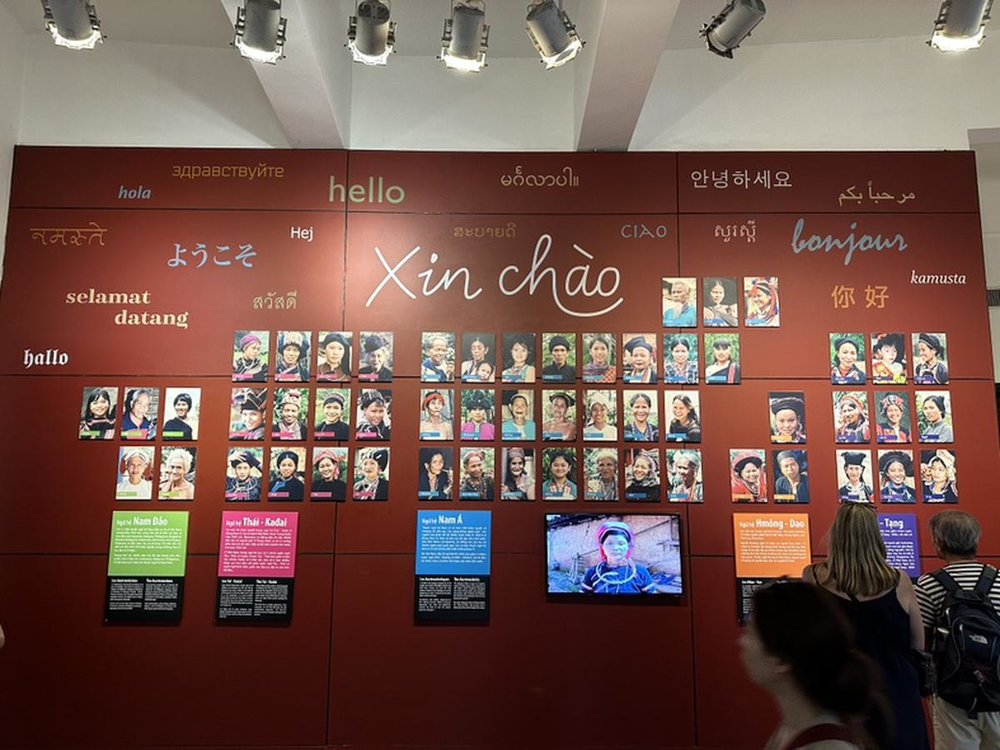
One of the exhibits at the Museum of Women | Photo by Klook User
The Vietnamese Women’s Museum celebrates the strength, beauty, and resilience of women throughout Vietnam’s history. From wartime heroines to everyday life, the exhibits highlight how women have shaped the nation’s culture and identity. If you’re into history, fashion, or just love learning about local culture, this museum is well worth a visit.
If you’d like to visit all these places, plus the Ho Chi Minh Mausoleum in Hanoi and more, book a day tour to make the most out of your visit.
FAQs
Why is Ho Chi Minh Mausoleum closed?
The Ho Chi Minh Mausoleum closes for 2 months every year for annual maintenance and cleaning. It’s best to check out the Mausoleum Management Board’s website and social media pages before visiting to make sure it’s open when you plan to come.
Is it worth visiting Ho Chi Minh Mausoleum?
It’s definitely worth a visit, especially if you’re into history or want to experience a deep sense of national pride from Vietnamese locals. The atmosphere is solemn yet powerful. Seeing how much “Uncle Ho” means to the Vietnamese people is something you won’t forget.
Can you see Ho Chi Minh's body in Hanoi?
Yes, you can. Inside the Ho Chi Minh Mausoleum, his body is preserved in a glass case for public viewing. Visitors enter in a single file and are expected to stay quiet and respectful as they pass through the room.
How much does it cost to go to the mausoleum in Hanoi?
Entry to the Ho Chi Minh Mausoleum itself costs 25,000 VND (~1.42 AUD) for foreign visitors. If you want to make the most out of your visit, consider joining a guided day tour that also covers nearby attractions like the One Pillar Pagoda, Tran Quoc Pagoda, the Vietnamese Women’s Museum, and more.
What is Klook?
Klook is a leading pan-regional experiences platform in Asia Pacific, purpose built to digitalize experiences and make them accessible to every traveler.
Our mission is to build the digital infrastructure for the global experience economy — empowering merchants to share their passions and travelers to discover the heartbeat of each destination. We operate a mobile-first, curated platform featuring diverse experiences across global destinations.
✨ Follow us for more deals and inspiration for your upcoming travels




![[Updated] Complete List Of Official Nationwide MCO SOP 2021](https://res.klook.com/image/upload/fl_lossy.progressive,q_85/c_fill,w_160,h_104/v1633858858/blog/iso56uzsphmdguixkvzh.jpg)





![[Updated] Complete List Of Official Nationwide MCO SOP 2021](https://res.klook.com/image/upload/fl_lossy.progressive,q_85/c_fill,w_410,h_264/v1633858858/blog/iso56uzsphmdguixkvzh.jpg)