Open from April 1st to November 30th each year, 07:40-18:30 (last entry at 18:00) Open from December 1st to March 31st of the following year, 08:00-17:30 (last entry at 17:00)
5
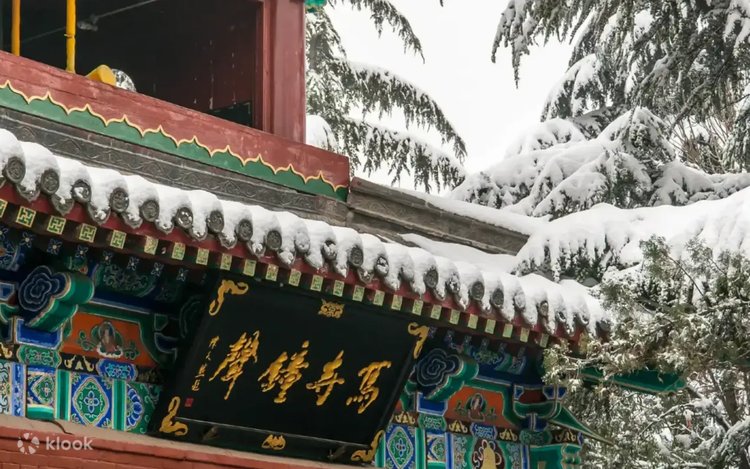
White Horse Temple
New Activity
Save to wishlist

Opening hours

Suggested duration1-3 hour(s)

6 Luobai Rd, Luolong District, Luoyang, Henan, China, 471013
Packages
Tomorrow
15 Sep
16 Sep
All
White Horse Temple [Group Purchase] Ticket + 1-Hour Guided Tour Service - 11:00 AM Session
 Valid on the selected date
 No cancellation
 24-hour confirmation
 Package details
Retail: € 12.65
€ 12.05
White Horse Temple [Group Purchase] Ticket + 1-Hour Guided Tour Service - 11:00 AM Session
Refresh to make things right again

Book now for tomorrow
See less

24-hour confirmation
See less

Valid on the selected date
The voucher is valid only on the specified date (and time if applicable)
See less

No cancellation
No cancellations, or refunds can be made
See less
About this package
What's included

See less
Not included

See less
Things to note
Amendment Policy
- Once purchased, no refunds will be given; no cancellation requests will be accepted regardless of whether it has been redeemed or is overdue; no changes or partial refunds are supported. Please confirm your itinerary before placing an order.
Eligibility
- Same price applies to all ages
Additional information
- For group explanations, please arrive 10 minutes before the time agreed upon with the staff. Late arrivals may not be accommodated.
- If the scenic area is temporarily closed or other policy-related factors arise, the tour route may be adjusted according to the arrangements made by the on-site guide.
- The team size is generally around 15 people, which may increase during peak seasons and holidays. Headphones may not be provided for last-minute orders or on-site teams with 3 or fewer people.
- Explanation: The price is the same for all sizes, no distinction between adults and children.
- If the scenic area is temporarily controlled or the number of participants in a session is small, the supplier may increase or decrease the number of sessions as appropriate.
- Please cooperate with the scenic area's security check; it is forbidden to carry dangerous items such as flammables and explosives.
How to use
Usage validity
- The voucher is valid only on the specified date (and time if applicable)
How to redeem
- Direct verification and use with "contact mobile number + reserved name"
Address
- No. 6 Luobai Road, Baima Temple Town, Chanhe District, Luoyang City, Henan Province
Reviews
Guide
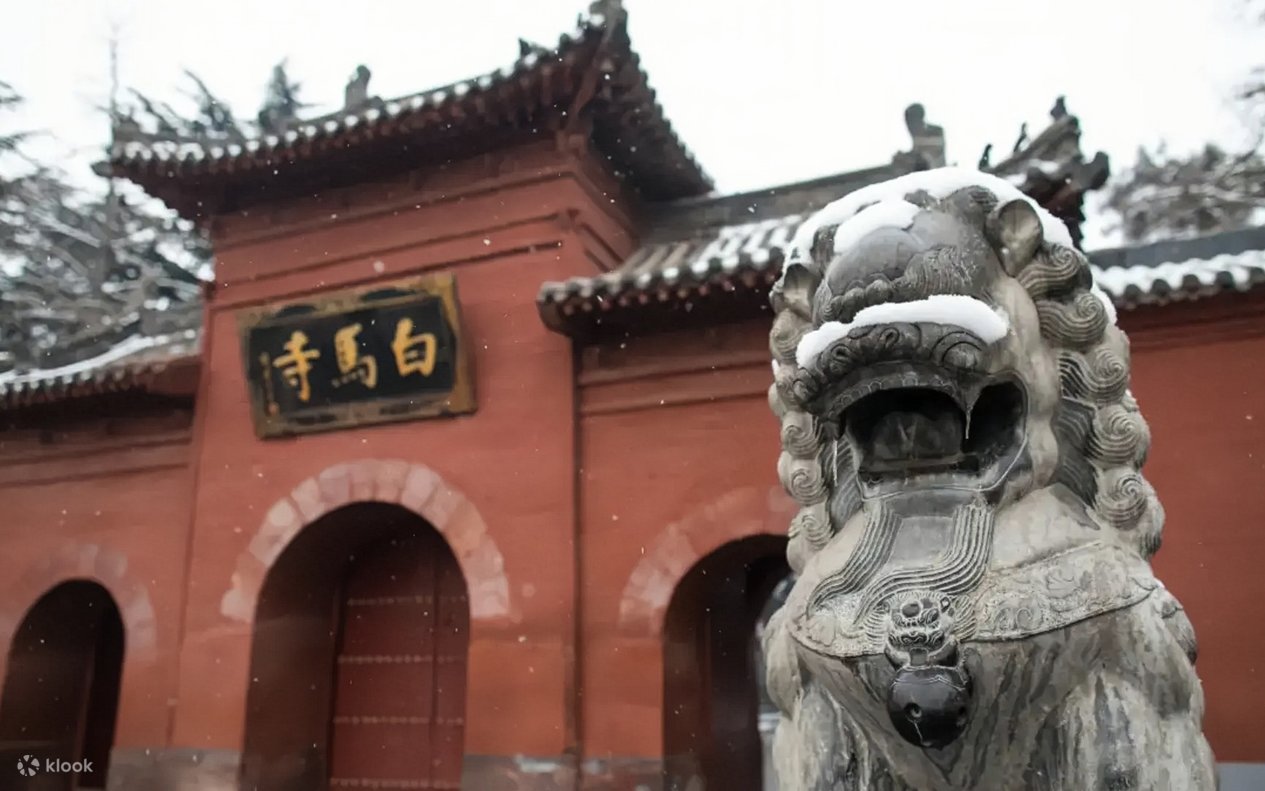
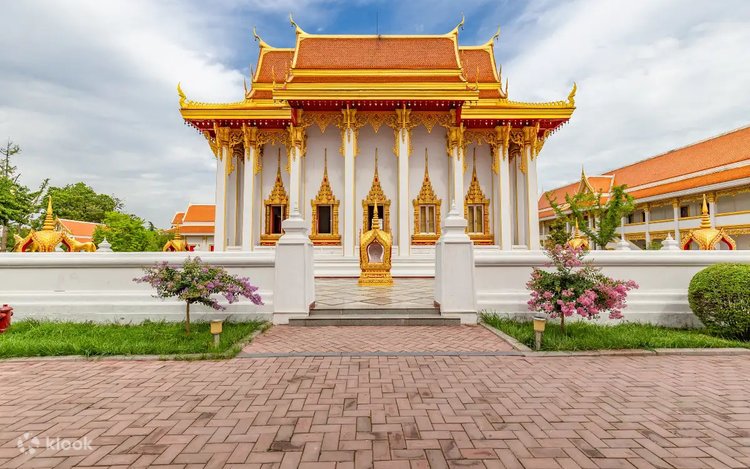
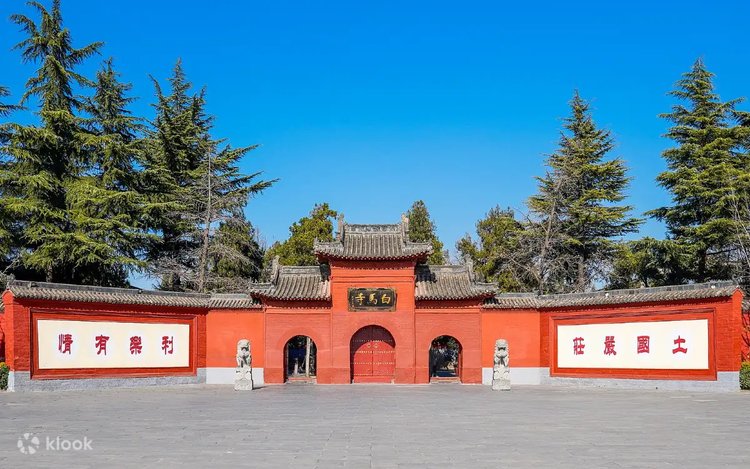
The White Horse Temple, built in the 11th year of Yongping in the Eastern Han Dynasty (68 AD), is a monastery constructed by the government after Buddhism was introduced to China. It has historically been revered as the "Ancestral Temple" and "Source of Buddhism" in China, and its name comes from the allusion of "the white horse carrying scriptures." The temple currently houses five main halls, with the Great Buddha Hall being the principal one. The third hall, the Mahavira Hall, contains 23 statues of "dry lacquer over hemp cloth" from the Yuan Dynasty, known as the "treasures of the temple." Each statue weighs only 3 to 5 kilograms, and their colors remain as vibrant as new after more than 700 years without repair. The temple preserves over 40 steles and tablets from various dynasties since the Tang Dynasty, with Zhao Mengfu's handwritten "Record of the Ancestral Temple of White Horse Temple in Luoyang" from the Yuan Dynasty being the most precious. Approximately 200 meters southeast of the mountain gate stands the Qiyun Pagoda (rebuilt in the Jin Dynasty). A new "World Buddhist Temple Expo Area" has been added, showcasing Buddhist temples in the styles of India, Thailand, Myanmar, and other countries.
You might also like...
Explore more on Klook
Everything you need for your Luoyang visit
Retail: € 12.65
€ 12.05
Promo codes

5% off min. EUR215.46
All you need to know
Attraction info

Opening hours
See more

Location
White Horse Temple

Guidebook
The White Horse Temple, built in the 11th year of Yongping in the Eastern Han Dynasty (68 AD), is a monastery constructed by the government after Buddhism was introduced to China. It has historically been revered as the "Ancestral Temple" and "Source of Buddhism" in China, and its name comes from the allusion of "the white horse carrying scriptures." The temple currently houses five main halls, with the Great Buddha Hall being the principal one. The third hall, the Mahavira Hall, contains 23 statues of "dry lacquer over hemp cloth" from the Yuan Dynasty, known as the "treasures of the temple." Each statue weighs only 3 to 5 kilograms, and their colors remain as vibrant as new after more than 700 years without repair. The temple preserves over 40 steles and tablets from various dynasties since the Tang Dynasty, with Zhao Mengfu's handwritten "Record of the Ancestral Temple of White Horse Temple in Luoyang" from the Yuan Dynasty being the most precious. Approximately 200 meters southeast of the mountain gate stands the Qiyun Pagoda (rebuilt in the Jin Dynasty). A new "World Buddhist Temple Expo Area" has been added, showcasing Buddhist temples in the styles of India, Thailand, Myanmar, and other countries.