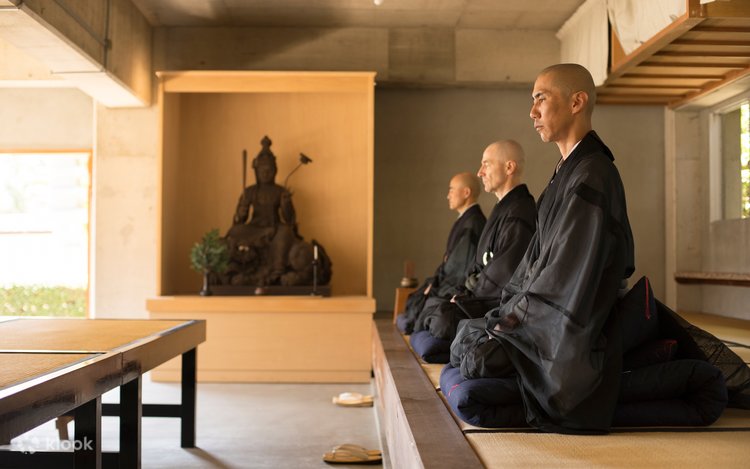
Experience Zen with Your Five Senses Feel free to experience the spirit of Zen through various activities such as strolling through the garden and enjoying Zen cuisine.
A Must-See Collection of Traditional and Contemporary Art In addition to Hakuin’s Zen paintings, one of the largest collections in Japan, the pavilion “Koutei,” designed by sculptor Kohei Nawa and Sandwich, the creative platform he leads, awaits with fantastical light art.
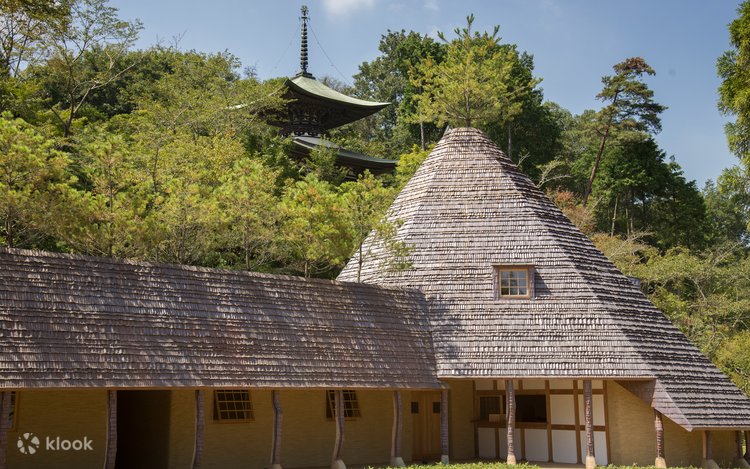
Beautiful Architectural Structures Scattered Throughout the Garden From Edo-period temples to modern buildings designed by Terunobu Fujimori, the numerous timeless masterpieces of architecture are a sight to behold.
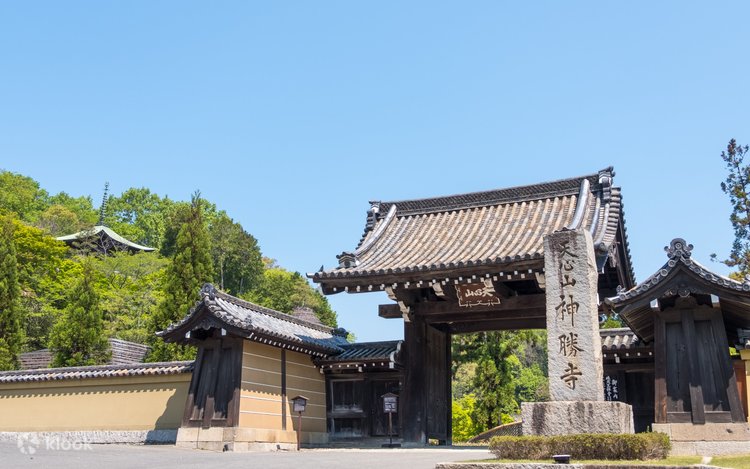
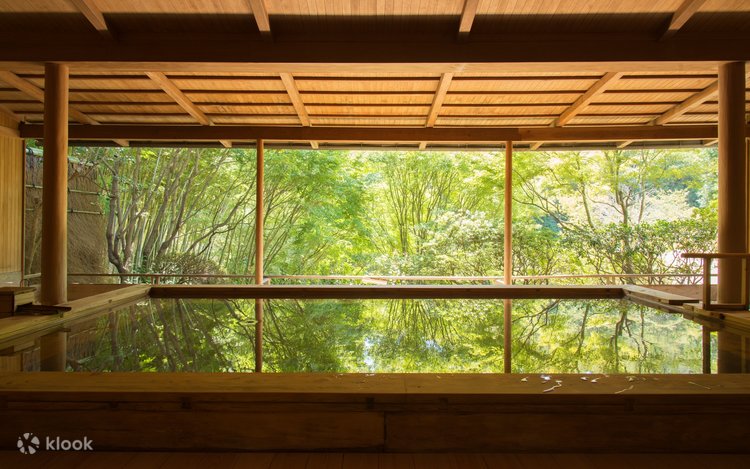
"Shinshoji Zen and Garden Museum" is a place to experience Zen through various activities such as sipping a bowl of tea, contemplating ink paintings, savoring food that sustains life, cleansing body and mind, and strolling through the garden.
Within the vast grounds, you will find the 17th-century hall moved from Shiga Prefecture, the restored tea room of Sen no Rikyu, and the temple office designed by architect and architectural historian Terunobu Fujimori, which makes extensive use of pine trees, plants symbolizing the Sanyo Road and the Setouchi region. Gardens are arranged to connect these buildings.
One of the highlights of this museum is one of the leading Hakuin collections in Japan, consisting of approximately 200 of Hakuin Zenji's Zen paintings and ink writings. These works are on display throughout the year at the permanent exhibition hall "Shogendo," with exhibits being changed from time to time. Standing in contrast to the Zen art collection is the pavilion "Kohtei," designed by sculptor Kohei Nawa and Sandwich, the creative platform he leads. Inside the boat-shaped architecture, wrapped in wood, you can experience an installation that allows you to perceptually experience the light reflected on the waves. This is an installation that interprets and expresses the teachings of Zen from the realm of contemporary art.
Tenshinzan Shinshoji Temple is a special exception temple of the Kenchoji school of the Rinzai sect, established in December 2, 1965, when Mr. Hideo Kambara, the founder who deeply revered益州宗進Zen Master Sojin (the 7th chief priest of the Kenchoji school of the Rinzai sect), invited the Zen master to be the founder. The principal image is Miroku Bosatsu (Maitreya), and the temple name is derived from Katsutaro Kambara, the father of the founder. Shinshoji Temple is a place for memorial services for the deceased, and also a place that opens its doors not only to Japan but also to overseas, based on Zen and tea ceremony, so that people who are living in the present can look at themselves and learn together in order to "live in the present" through Rinzai Zen.
Please liberate your five senses and enjoy the vast world of Zen, which has only been accessible to the general public in a very limited way until now.