Chocolate Hills Tickets & Tours
Bohol Countryside Tour with Mirror of the World
Cebu Private Bohol Full-Day Tour with Tickets & River Cruise
Bohol Countryside Tour with Firefly Watching

Pangas Falls & Chocolate Hills Private Day Tour
Private Bohol Countryside Tour with Mirror of The World
Bohol Day tour with Chocolate Hills, Tarsier, Loboc River Cruise
Napaling Sardine Run with Hinagdanan Cave Half-Day Tour
Bohol Chocolate Hills, Tarsier & River Cruise Experience
Bohol Countryside Tour by Southwest Tours
Bohol Sikatuna Mirror & Chocolate Hills Full-Day Tour with Loboc River Cruise
Where to stay in Chocolate Hills
Asuneus Farm
Jazz Ferme Inn Batuan Bohol
More to explore
Bohol Car Rental with Driver
Chocolate Hills Reviews
Popular places near Chocolate Hills
FAQs about Chocolate Hills
When is the best time to visit the Chocolate Hills in the Philippines?
When is the best time to visit the Chocolate Hills in the Philippines?
How can I get to the Chocolate Hills from Tagbilaran?
How can I get to the Chocolate Hills from Tagbilaran?
What local dishes should I try when visiting the Chocolate Hills in Bohol?
What local dishes should I try when visiting the Chocolate Hills in Bohol?
What is the best way to travel to the Chocolate Hills from Cebu?
What is the best way to travel to the Chocolate Hills from Cebu?
Are there any ethical considerations when visiting wildlife sanctuaries near the Chocolate Hills?
Are there any ethical considerations when visiting wildlife sanctuaries near the Chocolate Hills?
What should I bring when visiting the Chocolate Hills?
What should I bring when visiting the Chocolate Hills?
What to know about Chocolate Hills
Remarkable Landmarks and Must-Visit Sights
Chocolate Hills Complex
Welcome to the Chocolate Hills Complex in Carmen, the ultimate gateway to one of nature's most intriguing wonders. Here, you can soak in panoramic views of the iconic Chocolate Hills, a geological formation that captivates with its unique beauty. Whether you're a photography enthusiast or simply a lover of breathtaking landscapes, this is the perfect spot to capture the essence of these mysterious hills. With amenities like accommodations, a restaurant, and a gift shop, your visit promises to be both comfortable and memorable.
Chocolate Hills
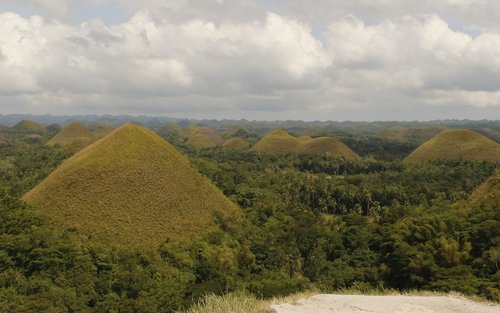
Discover the enchanting allure of the Chocolate Hills, a natural marvel that stretches across 50 square kilometers with over 1,300 perfectly cone-shaped hills. During the dry season, these hills transform into a chocolate-like hue, creating a mesmerizing landscape that is both unique and unforgettable. Whether you choose to admire the panoramic views from the main viewpoint or embark on an adventurous ATV or motorbike tour, the Chocolate Hills offer an experience that is as diverse as it is captivating.
Tarsier Sanctuary
Step into the world of one of the planet's smallest primates at the Tarsier Sanctuary near Corella. This sanctuary is a haven for the adorable tarsiers, known for their large, expressive eyes and nocturnal habits. A guided tour offers a fascinating glimpse into their lives and the conservation efforts dedicated to their protection. It's a must-visit for wildlife enthusiasts and anyone interested in learning about these unique creatures and the challenges they face in their natural habitat.
Geological Significance
The Chocolate Hills are a fascinating range of karst conical hills, formed from Late Pliocene to Early Pleistocene limestone. This rare geological formation, shaped by ancient streams and rivers, is recognized as a National Geological Monument, making it a must-see for geology enthusiasts and nature lovers alike.
Cultural Legends
Immerse yourself in the mystical charm of the Chocolate Hills through local legends. Tales of giants and romantic tragedies are woven into the fabric of the region, offering a captivating cultural tapestry that enhances the allure of these natural wonders.
Historical Events
The Chocolate Hills have stood the test of time, enduring natural calamities like the 2013 Bohol earthquake. While the quake damaged the viewing deck, it also underscored the resilience and enduring allure of this breathtaking landscape.
Culture and History
The Chocolate Hills are steeped in cultural significance, with local folklore featuring giants and mythical creatures explaining their formation. These enchanting stories add a rich cultural layer to the natural beauty of the hills, making them a fascinating destination for travelers.
Local Cuisine
While exploring Bohol, treat your taste buds to local delicacies such as 'kalamay,' a sweet sticky rice dessert, and 'sikwate,' a traditional hot chocolate drink made from local cacao. These culinary delights offer a delicious taste of the region's rich food culture.