Jokhang Monastery Tickets & Tours
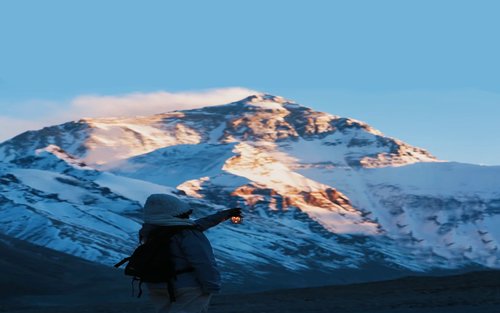
8-Day Luxury Private Tour of Lhasa and Shigatse, Tibet (St. Regis + Shigatse Hilton + Everest Base Camp Golden Summit Sunrise + Namtso & Yamdrok Lake + Private Guide for Potala Palace & Jokhang Temple & Tashilhunpo Monastery)
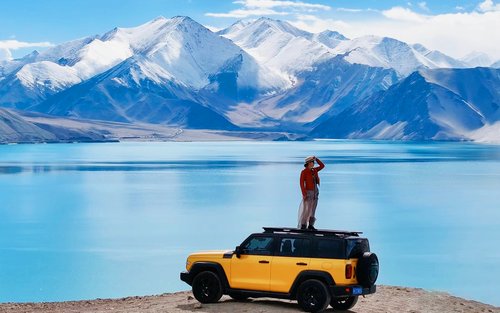
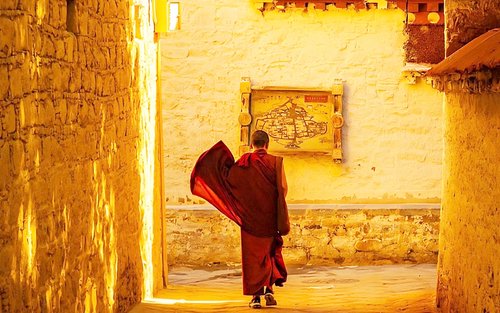
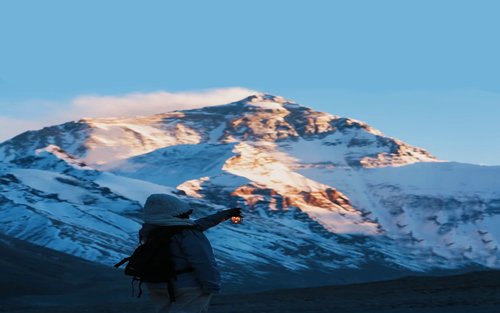
8-Day Panoramic Private Tour of Tibet (Chinese/English-speaking guide, private tour for foreign guests + Lhasa + Potala Palace + Yamdrok Lake + Mount Everest + Namtso Lake + Includes Tibet Entry Permit and Processing)

Klook Mainland China Tibet Private Customized Travel
Where to stay in Jokhang Monastery
Lhasa Yuanqi Inn (Jokhang Temple Branch)
Lhasa U-TSANG HOTEL
Xinding Hotel
Holiday Inn Express Lhasa Potala Palace by IHG
City Comfort Inn Lhasa Potala Palace Xiaozhao Temple
Minshan Yinqiao Hotel (Potala Palace Branch)
Tibet State Guesthouse (Potala Palace and Jokhang Temple Branch)
Lhasa Shigatse Hotel
DEBON International Hotel
Atour Hotel Lhasa Xizang University Binhe Road
Jokhang Monastery Reviews
Popular places near Jokhang Monastery
FAQs about Jokhang Monastery
What is the best time to visit Jokhang Monastery in Lhasa?
What is the best time to visit Jokhang Monastery in Lhasa?
How can I get to Jokhang Monastery in Lhasa?
How can I get to Jokhang Monastery in Lhasa?
What should I know about cultural etiquette when visiting Jokhang Monastery?
What should I know about cultural etiquette when visiting Jokhang Monastery?
What are the opening hours of Jokhang Monastery?
What are the opening hours of Jokhang Monastery?
Are there any festivals I should attend at Jokhang Monastery?
Are there any festivals I should attend at Jokhang Monastery?
What to know about Jokhang Monastery
Remarkable Landmarks and Must-Visit Sights
Jowo Shakyamuni Statue
Step into the heart of Tibetan spirituality with a visit to the Jowo Shakyamuni statue at Jokhang Monastery. This revered statue, depicting Buddha at the tender age of twelve, is a sight to behold with its gilded bronze form, bejeweled crown, and pearl-studded garment. It's not just a statue; it's a symbol of devotion and a focal point for pilgrims from all over Tibet. Whether you're a spiritual seeker or a curious traveler, the aura of reverence surrounding this statue is sure to leave a lasting impression.
Barkhor Square
Immerse yourself in the vibrant energy of Barkhor Square, the bustling heart of Lhasa. Located right in front of the Jokhang Monastery, this lively square is more than just a marketplace; it's a cultural experience. Watch as pilgrims perform the kora, a ritual walk around the temple, and soak in the sights and sounds of local life. From traditional crafts to tantalizing street food, Barkhor Square offers a sensory feast that captures the essence of Tibetan culture and tradition.
Jokhang Temple
Discover the architectural marvel that is the Jokhang Temple, a masterpiece that stands as a testament to Tibet's rich cultural tapestry. Built in 652 by King Srongtsen Gampo, this temple is a harmonious blend of Tibetan, Nepalese, and Indian architectural styles. Home to the sacred Jowo Sakyamuni statue, the temple's intricate murals and gilded roof are a visual delight. As you explore its sacred halls, you'll be transported through time, witnessing the spiritual and historical journey of Tibet.
Cultural Significance
Jokhang Monastery stands as a cornerstone of Tibetan Buddhism, deeply affiliated with the Gelug sect. Established in the 7th century by King Songtsen Gampo, it has been a pivotal site for religious and cultural practices in Tibet. The temple is not only a religious site but also a cultural icon, linked to the legendary Princess Wencheng and the establishment of Lhasa itself, making it a cornerstone of Tibetan history and culture.
Historical Events
The monastery has been a witness to significant historical events, including its association with the Vajrasana in India and its survival through the Cultural Revolution. It has served as a sanctuary for sacred artifacts and stands as a symbol of resilience and faith.
Architectural Marvel
Jokhang Monastery is an architectural marvel, blending Tibetan, Chinese, Nepalese, and Indian styles. Its three floors and open roof are filled with chapels, chambers, and priceless relics. The monastery is an outstanding example of traditional Tibetan architecture, harmoniously integrated into the dramatic landscape of Lhasa. Its design and decoration reflect human imagination and creativity, symbolizing the integration of secular and religious authority.