
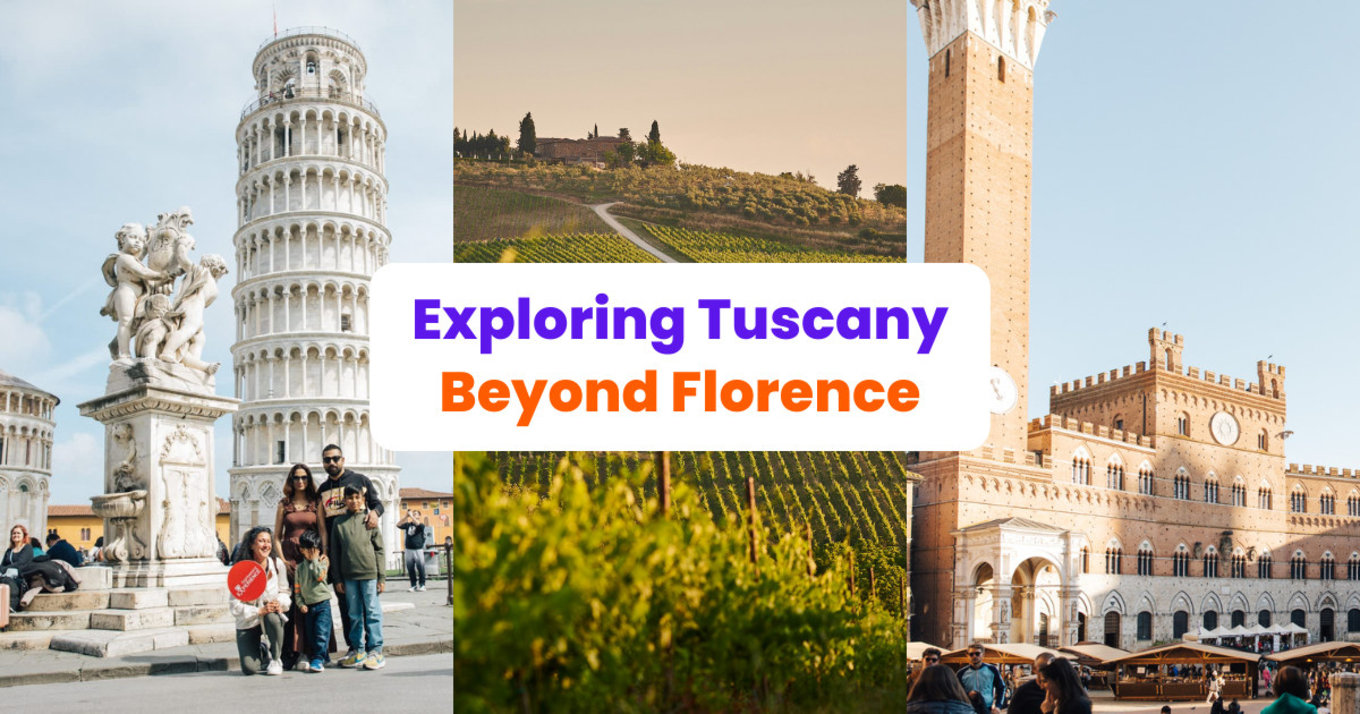
When people think of Tuscany, they often picture Florence’s grand Duomo, Michelangelo’s David, and the Renaissance art treasures that fill its galleries. But if you only stick to the city, you’re missing out on the gorgeous countryside views you’d only see in a postcard. There’s no better place to get a taste of la dolce vita than Tuscany’s hill towns and rolling vineyards, so grab your sunscreen and get ready to explore.
To help you out, we’ve broken down the different areas you can go below, so keep reading for more. ✨
Klook Tip: The best times to visit Tuscany are during spring (April–June) and autumn (September–October) since the weather is milder and there are fewer crowds!
1. Siena
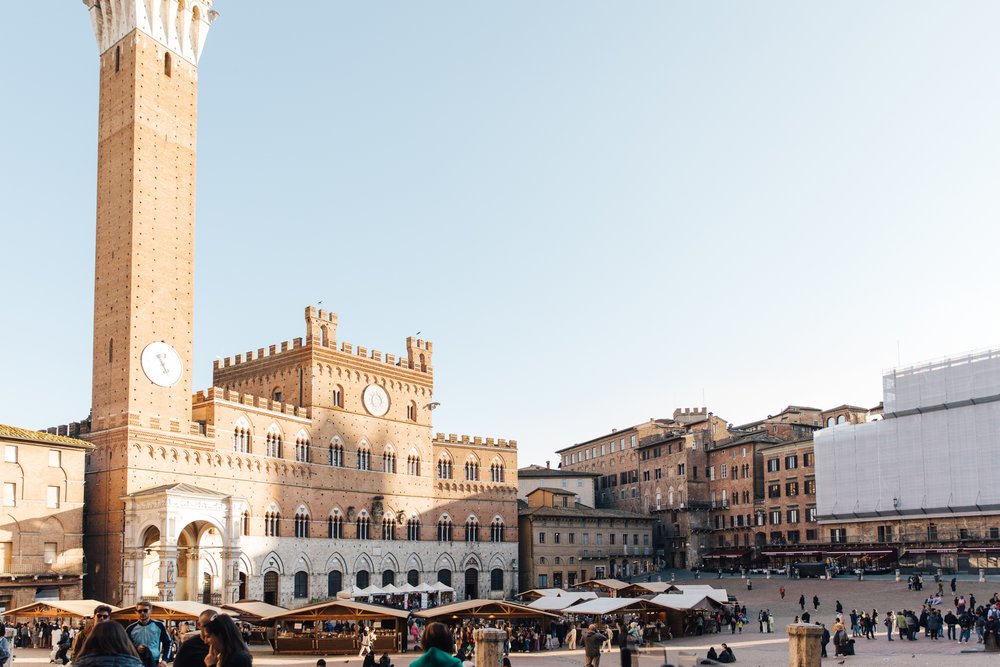
Piazza del Campo
About 1.5 hours south of Florence by car, Siena, Tuscany feels like you’ve stepped back into the 14th century. The city’s heart, Piazza del Campo, is one of Europe’s most beautiful squares, and the stage for the famous Palio horse race held twice a year. Unlike Florence’s Renaissance grandeur, Siena leans Gothic: tall brick facades, intricate marble floors in the Duomo di Siena, and winding lanes perfect for aimless wandering.
From Florence, you can reach Siena by bus or train since the routes are usually direct and don’t require transfers. Now, if you’re short on time and want to maximize every second of your stay in Italy, you can opt for a Tuscany tour including Siena, Chianti, San Gimignano, Pisa, and Florence that covers the region’s best sights — all with a friendly local guide (and a traditional Tuscan meal 😉).
If you’re still looking for more flexibility in your itinerary, you can check out this Tuscany walking day tour instead. Here, you’ll get round-trip transfers from Florence, plus transportation between locations like Pisa and Siena. Once you’re dropped off, you’re free to explore on your own time. This is ideal for those who want to make sure they hit all the landmarks, but don’t want to fuss over how to get there.
Klook Tip: Siena’s Duomo has a seasonal marble floor unveiling (usually late summer to mid-autumn). If you’re visiting then, it’s worth timing your trip for this rare detail.
2. San Gimignano
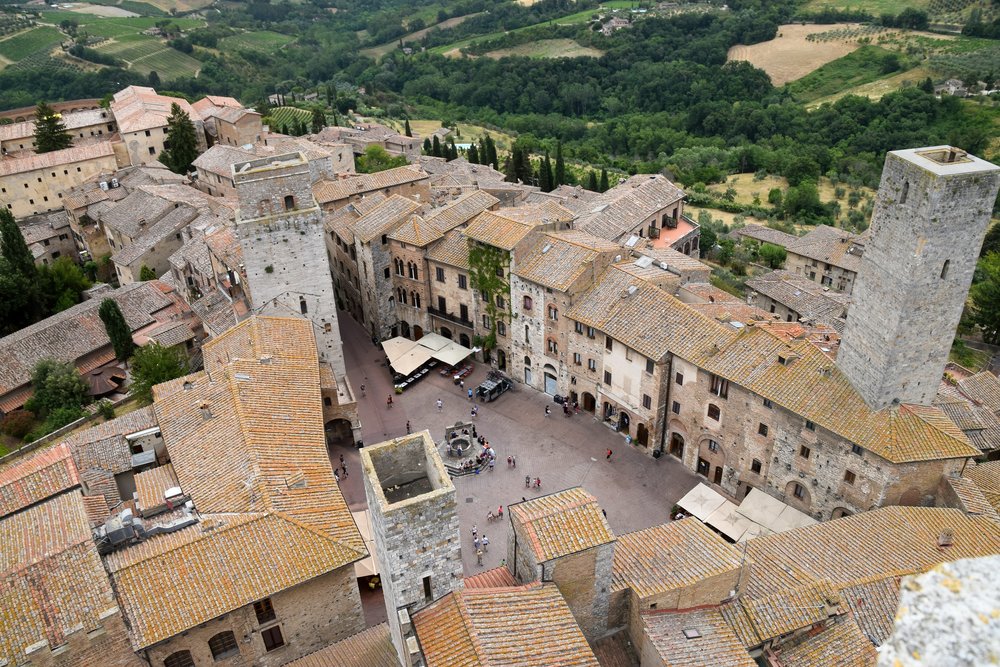
San Gimignano’s famous towers, Photo Credit: Joshua Kettle on Unsplash
Nicknamed the “Medieval Manhattan,” San Gimignano’s skyline is a forest of stone towers built by wealthy families in the Middle Ages to flaunt their power. Today, 14 of those towers still stand, making for a striking arrival whether you come by car or coach. The town is also UNESCO-listed, not just for its architecture, but for its remarkably preserved layout.
When you go on a San Gimignano tour, you’ll be treated not just to a deeper dive into San Gimignano’s historical city center — but also to a visit to Monteriggioni, a wine-tasting at a Chianti winery, and free time to explore Siena (yes, the Piazza del Campo included!) before heading back to Florence.
Nearby, the Chianti countryside begins just beyond the town’s walls. Some tours combine San Gimignano with wine tasting in family-run vineyards, which is perfect if you’d like to see both history and vineyards in a single day.
3. Pisa
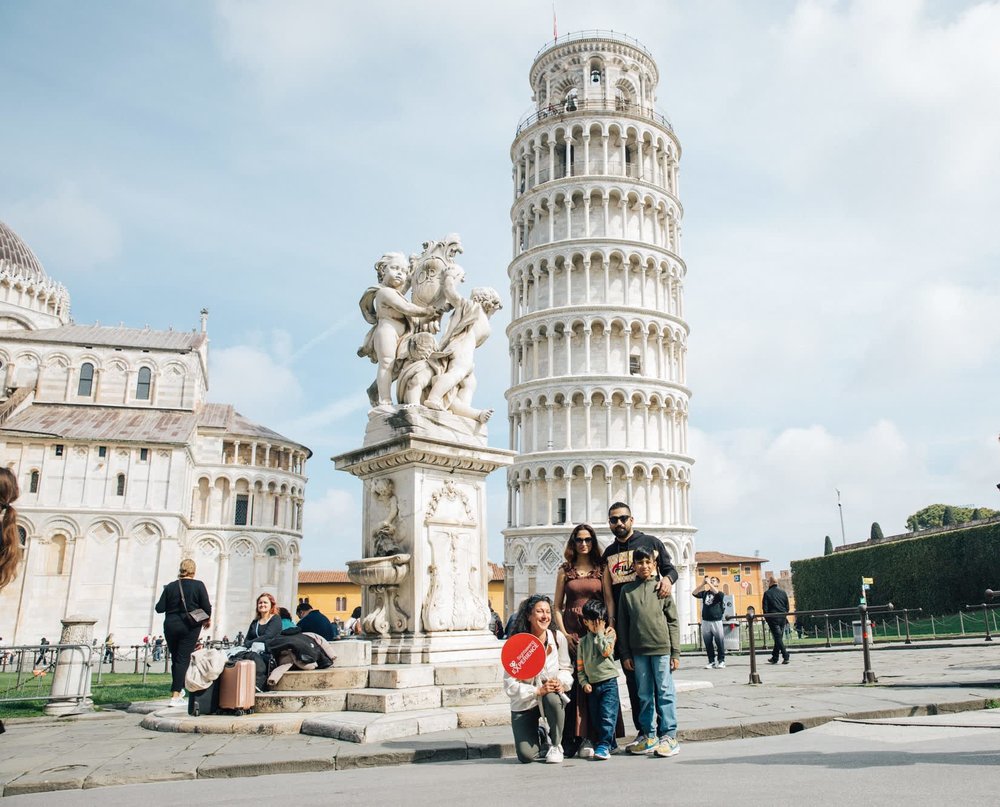
Yes, the Leaning Tower is touristy. But it’s also iconic, and seeing it in person, with its slight tilt and intricate marble detail, is surprisingly moving. Pisa’s Piazza dei Miracoli also hosts the Duomo, Baptistery, and Camposanto, each worthy of a visit.
If you’ve already seen Pisa in photos a thousand times, try walking along the Arno River toward the medieval quarter, Borgo Stretto. You’ll find boutiques, cafes, and fewer crowds.
Klook Tip: Trying to decide where to set up base for your Italy adventure? Florence is ideal for northern and central Tuscany; Siena works better for the south; Rome can be a launchpad for southern Tuscany and Umbria.
4. Val d’Orcia
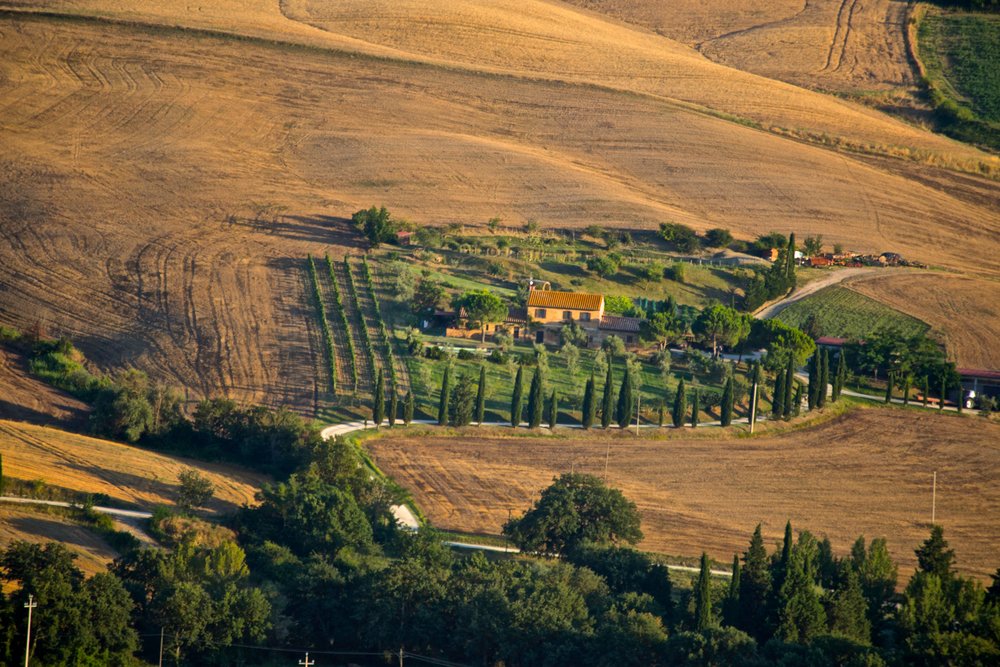
Photo Credit: BEERTA MAINI on Unsplash
If you’ve ever seen a photo of winding roads lined with cypress trees, golden wheat fields, and hilltop villages, you’ve seen Val d’Orcia. This southern Tuscan valley is another UNESCO World Heritage Site and home to towns like Montalcino, Pienza, and Montepulciano. Each has its own specialty: Montalcino is famed for Brunello wine, Pienza for pecorino cheese, and Montepulciano for Vino Nobile.
Exploring this area is trickier without a car, but it’s doable from Rome or Florence with the right tour. This Val D'Orcia day tour includes Val d’Orcia stops, plus the three towns mentioned above, is a great option if you’re based in Florence but still want to see quintessential Tuscan landscapes.
5. Lucca
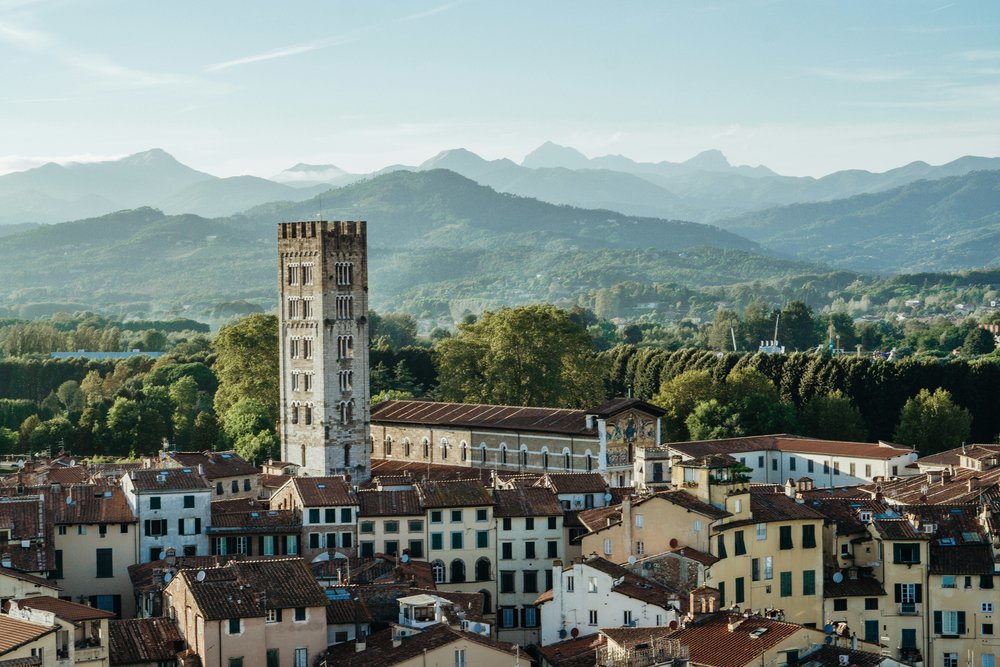
Lucca | Photo Credit: Kateryna Senkevych on Unsplash
Unlike many walled cities, Lucca’s Renaissance-era fortifications are perfectly preserved and wide enough for a leisurely bike ride. The route atop the walls loops the city in about 2.7 miles, shaded by trees and offering scenic views into Lucca’s narrow streets.
Inside the walls, don’t miss Piazza dell’Anfiteatro, a former Roman amphitheater now surrounded by colorful cafes and shops. Lucca also hosts one of Italy’s largest comic and gaming festivals each autumn , a fun surprise if you happen to visit then.
Klook Tip: Don’t forget to pack comfortable shoes for cobblestones, a reusable water bottle, and layers for cool mornings and warm afternoons.
6. Chianti
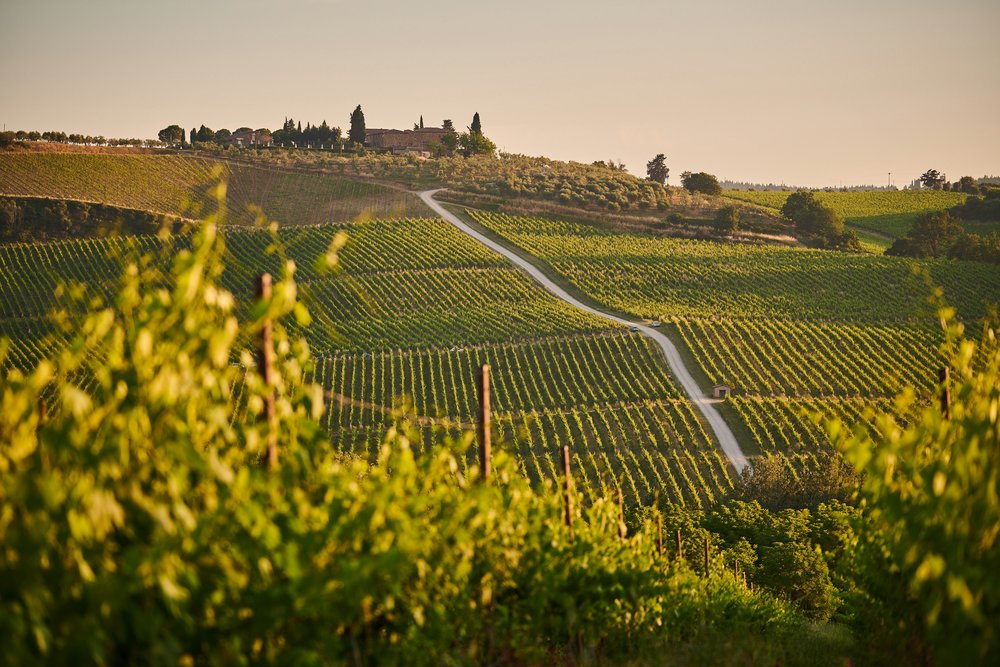
Photo Credit: Johny Goerend on Unsplash
Between Florence and Siena lies Chianti. It’s not just a kind of wine, but a scenic region of olive groves, castles, and vineyard-covered hills. Driving here means winding country lanes and charming villages like Greve in Chianti and Castellina in Chianti, each with its own enoteca (wine bar) and local specialties.
If you’re traveling without a car, Chianti wine tours are the easiest way to reach smaller villages and family-run estates. Many include tastings of Chianti Classico, often paired with fresh bread drizzled in local olive oil.
7. Elba
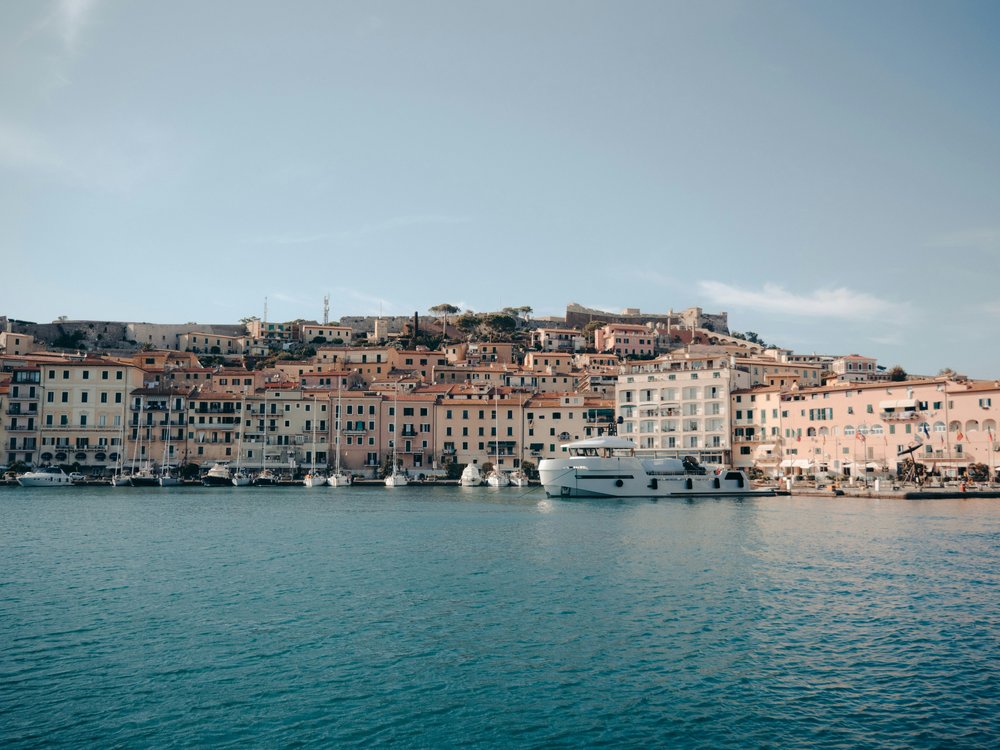
Porto di Portoferraio in Elba, Photo Credit: Bjorn Agerbeek on Unsplash
If you’re craving a complete change of scenery, consider Elba,Tuscany, a sun-drenched island famous for its crystal-clear waters and Napoleon’s historic exile. Ferries run regularly from the coastal town of Piombino (a 2-hour drive away from Florence) to Elba, making it a perfect add-on after exploring the inland wine roads.
You can spend a day lounging on the beach, hiking its coastal trails, or sampling fresh seafood in Portoferraio before heading back to the mainland. Just a quick heads up: Cell signal can be patchy in rural Tuscany, so having an eSIM for high-speed internet in Europe helps with navigation, translation, and spontaneous stop planning.
8. Cortona
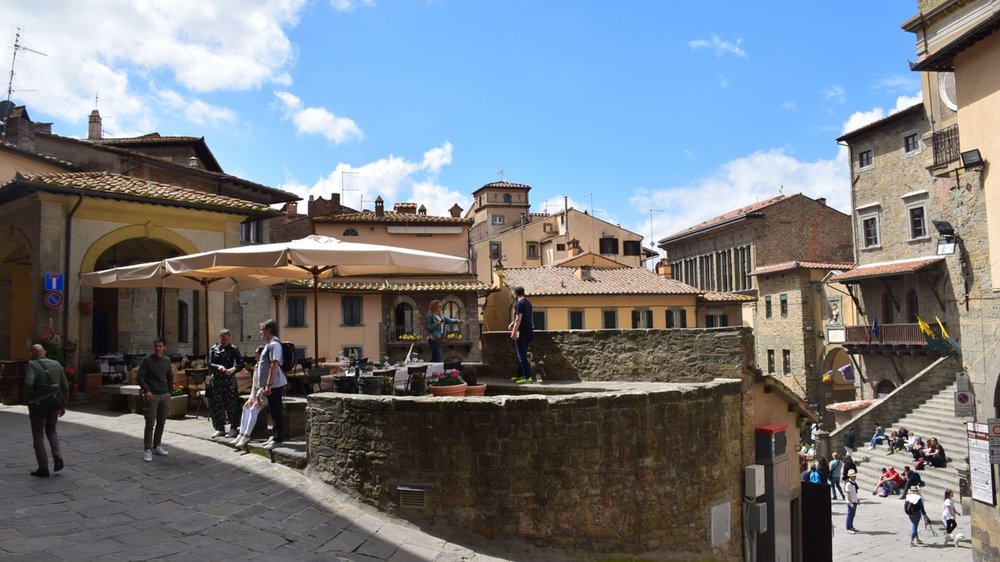
Perched on a hill with sweeping views of the Val di Chiana, Cortona rose to fame thanks to the book and film Under the Tuscan Sun. While the movie brought in tourists, the town hasn’t lost its charm. A Cortona tour lets you explore the town’s medieval architecture, and brings you to the nearby areas of Montepulciano, Val d’Orcia, and Montalcino. Apart from admiring the sights, you’ll also be able to enjoy wine-tasting Brunello and Nobile di Montepulciano varieties during the trip.
What is Klook?
Klook is a leading pan-regional experiences platform in Asia Pacific, purpose built to digitalize experiences and make them accessible to every traveler.
Our mission is to build the digital infrastructure for the global experience economy — empowering merchants to share their passions and travelers to discover the heartbeat of each destination. We operate a mobile-first, curated platform featuring diverse experiences across global destinations.
✨ Follow us for more deals and inspiration for your upcoming travels