
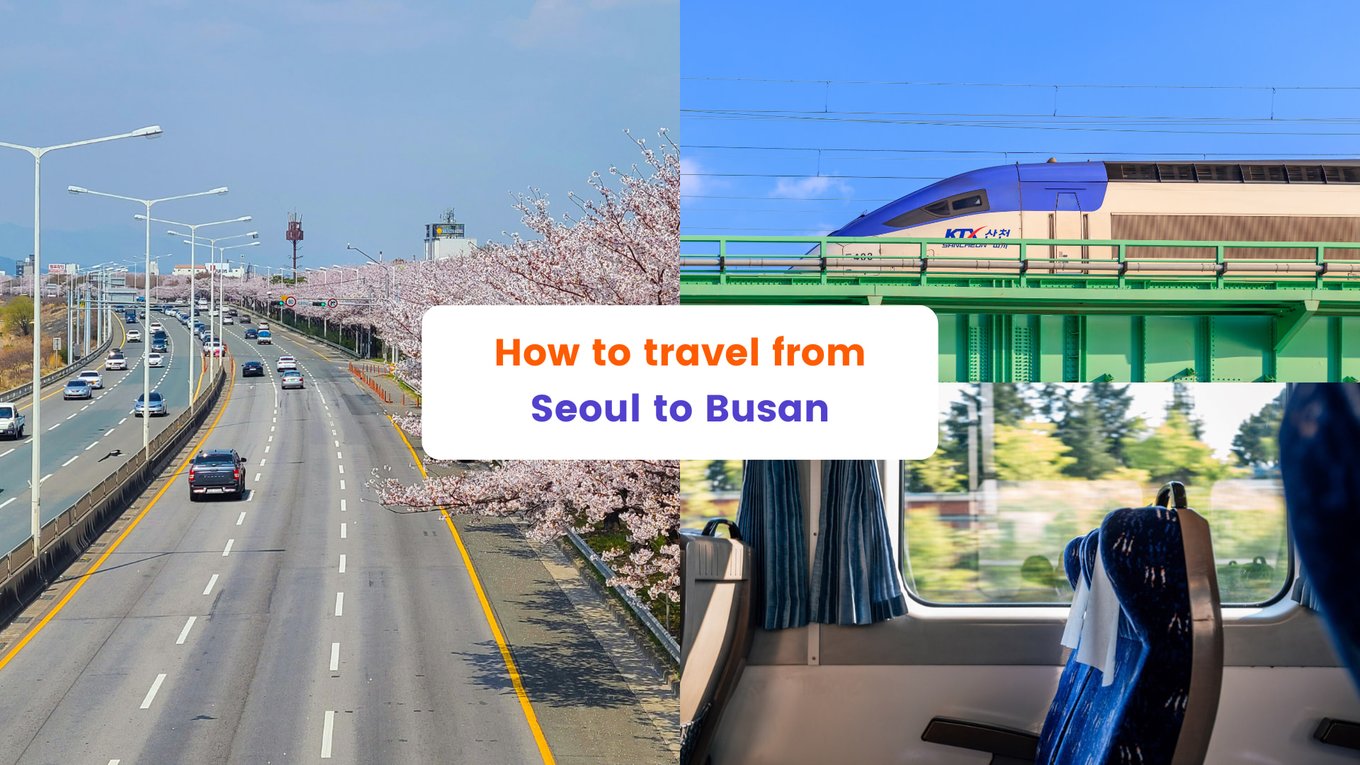
Discover the best ways to get to Busan from Seoul!
The bustling capital city, Seoul, as well as the coastal town of Busan are both top destinations to visit in South Korea, thanks to their unique experiences offered and interesting sights to see, so why not cover both cities on your next trip here?

The journey from Seoul to Busan presents a fun adventure of its own, and luckily for you, South Korea provides several modes of transportation for traversing its core landscape. Keep reading as we guide you from Seoul in the northwest, to Busan in the southeast, comparing the quick KTX, convenient buses, and self-driving explorations by renting a car! Discover the perfect mode of transit to fit your itinerary and budget right here.
How to travel from Seoul to Busan
1. By bullet train: Korea Train eXpress (KTX)
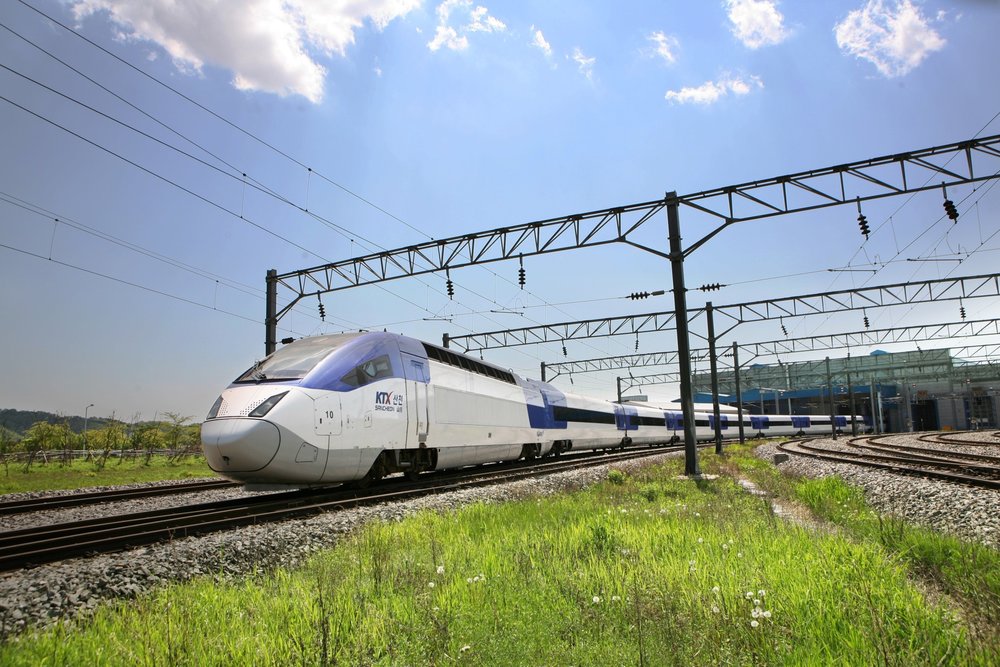
The high-speed Korea Train eXpress bullet train, better known as the KTX train, offers a swift and efficient way to travel from Seoul to Busan, transforming what was once a lengthy trip into a short travel time of under 2.5 hours.
The KTX is probably the best method for travellers to move between Seoul and Busan, as this direct train is the most convenient transportation mode, offering short travel times and comfortable amenities. With no fewer than 71 departures each day, chances that you'll miss catching the train are also slim, offering more security in your travel plans.
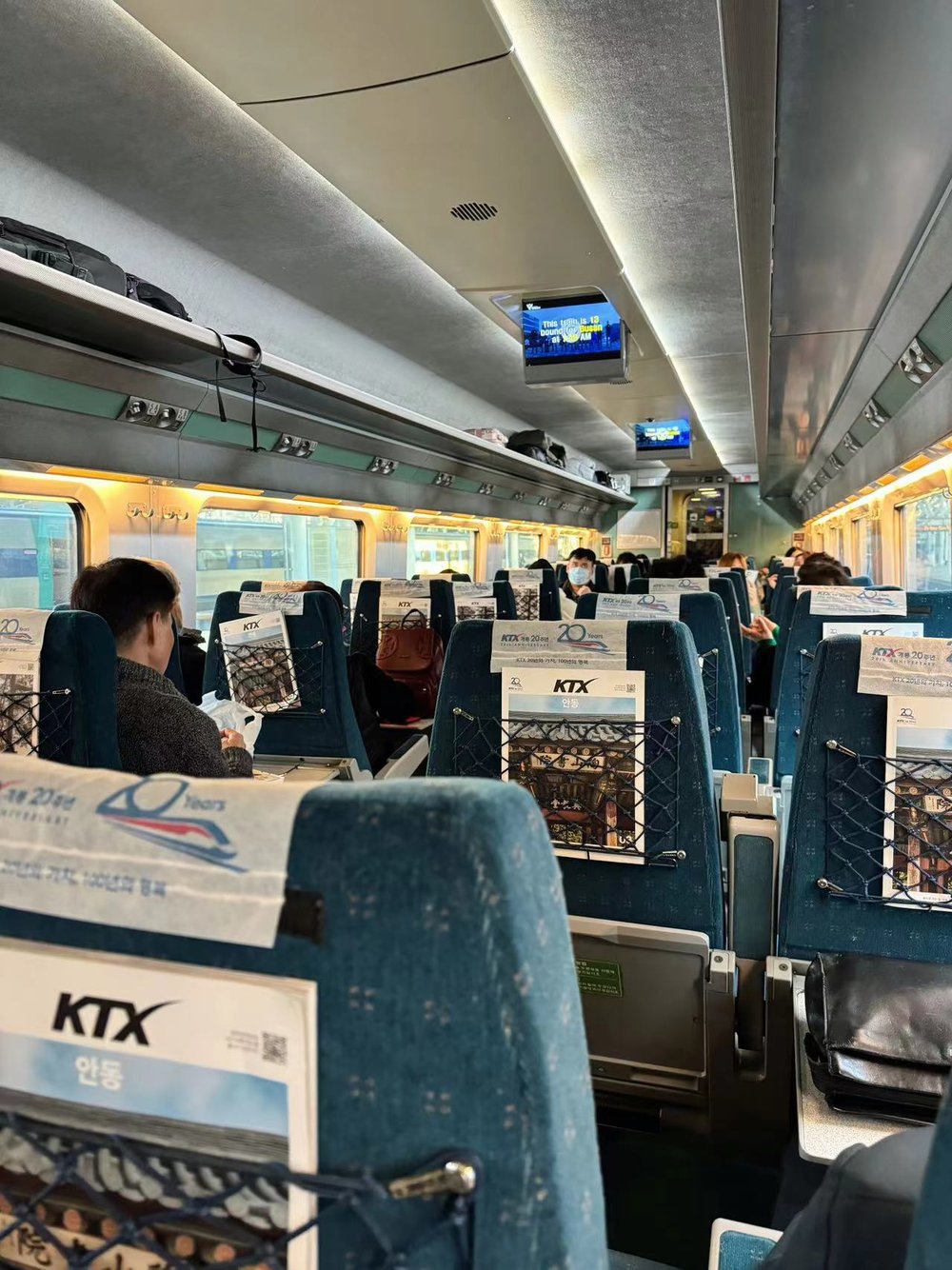
Don't worry about your luggage as you can easily find overhead racks for smaller bags and designated luggage storage areas at the end of each car. Though we do recommend arriving about 15 to 30 minutes ahead of your departure time to queue, so you can secure a space for your luggage.
Getting tickets for the KTX Seoul to Busan Train
It's crucial to book South Korea train tickets in advance, especially for the popular Seoul to Busan route, to ensure availability for your preferred travel dates and times. We recommend purchasing and booking your train tickets at least one month in advance, especially during peak travel periods like the weekends or in the summer.
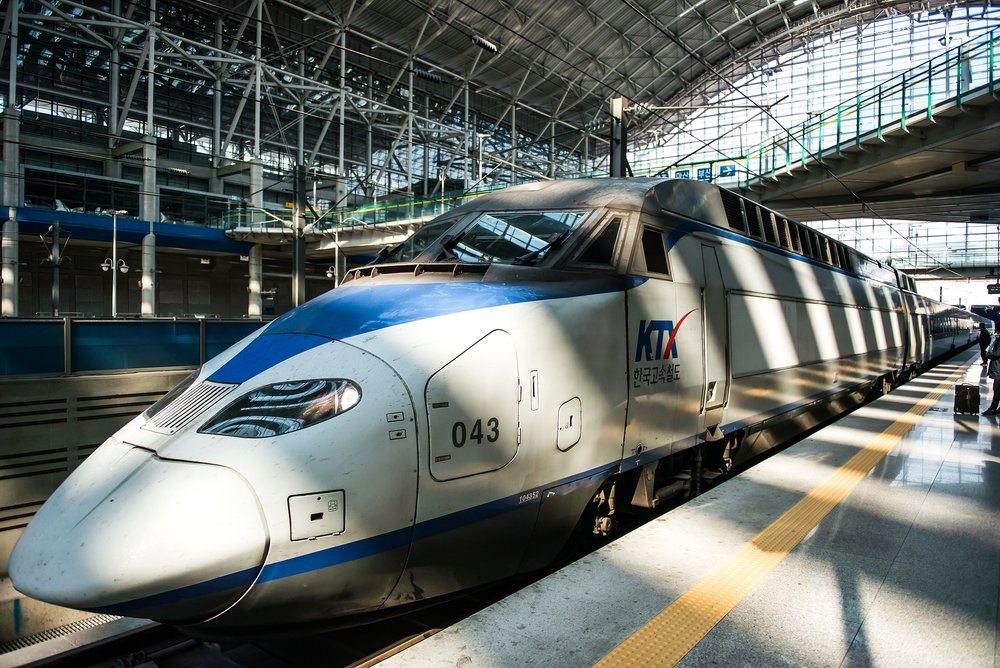
KTX offers a range of ticket prices depending on a few factors. The biggest influence is distance, with longer journeys naturally costing more, so you can expect to pay between US$43 to US$70 for an economy class seat for the Seoul to Busan route.
Klook Tip: You can easily book your Seoul to Busan KTX ticket on Klook. After booking. you will receive your e-ticket in your email within 48 hours. You will be able to board directly on the day using this e-ticket, no need for more physical redemption at the station!
If you're planning to explore more of Korea or making a round trip between Seoul and Busan, you should get the Korea Rail Pass (KORAIL PASS) that offers unlimited train rides and the flexibility of scheduling – select from 2 to 5 days validity – to roam the country at will. This pass also removes the requirement of a physical ticket, streamlining boarding procedures so that you can travel at ease across South Korea.
KTX Exclusive Combos

Photo credit: Robson Hatsukami Morgan
Interested in visiting South Korea's top attractions like the N Seoul Tower, COEX Aquarium or the Gyeongbokgung Palace? Get exclusive KTX packages that bundle your train tickets with multi-attraction passes for Seoul and Busan!
2. By express train: ITX-Saemaeul Train
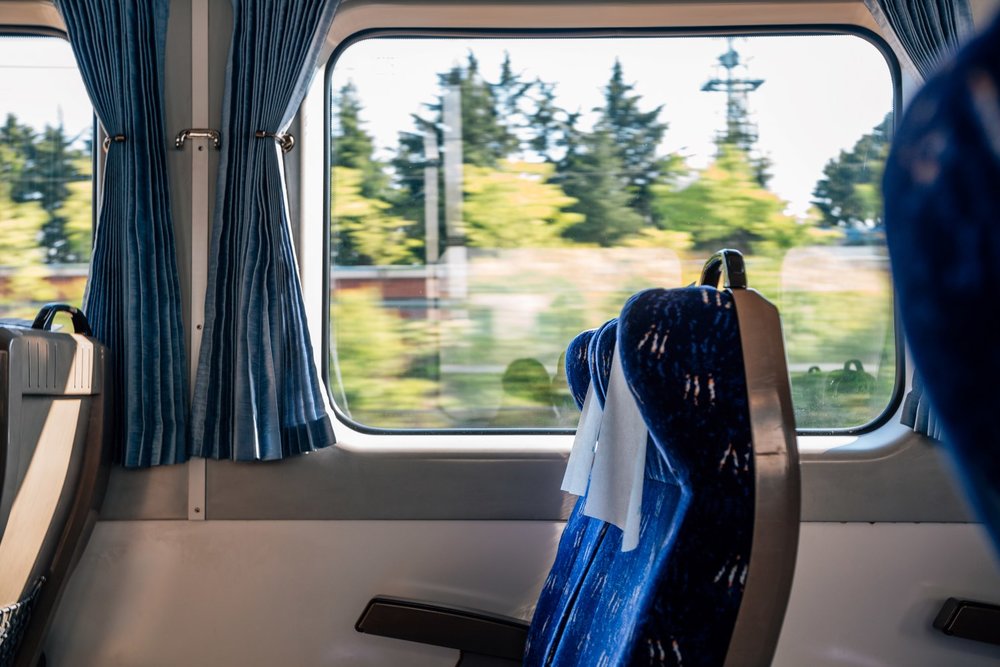
If you're seeking for a more economical train option, the ITX-Saemaeul Train would be your best bet, striking a balance between speed and affordability. ITX-Saemaeul fares are generally cheaper than KTX fares. For example, a trip from Seoul to Busan on the ITX-Saemaeul can range from US$24 to US$33 depending on the season and seat class, while a KTX ticket on the same route can cost upwards of US$46.
Though slower than KTX, they are still faster than the Mugunghwa trains and are the second quickest way to get around the country by rail, making the trip from Seoul to Busan in around 4 hours. With a little more stops than the KTX, the ITX-Saemaeul train ride allows you to enjoy more of the beautiful countryside scenery as you travel, offering a more relaxed travel experience.
3. By intercity train: Mugunghwa-ho

Photo credit: Minseong Kim
The Mugunghwa train is the best rail option to travel between Seoul and Busan if you're all about the slow and scenic journey, or simply just budget-conscious. Unlike the faster KTX or ITX-Saemaeul trains, the Mugunghwa makes the most stops out of all the options, and take up to 5.5 hours per way. While train fares fluctuate depending on the season or seat type, a ticket would cost from a range of approximately US$17 to US$26.
While not as luxurious as the other trains, the Mugunghwa trains still offer basic amenities like comfortable seating, and vending machines for drinks and snacks. The numerous stops that it takes also allows you to soak in the beauty of the Korean countryside as you travel, and you can even explore smaller towns along the way if you have the time.
4. By intercity bus

If you're seeking a balance between comfort and affordability, intercity buses offer a good option for getting from Seoul to Busan. With various bus types to choose from, you can tailor the experience to your needs.
General Express buses are a budget-friendly option with comfortable seating, reclining seats, and onboard restrooms. Upgrading to a Luxury Express bus will get you wider seats, more legroom, and sometimes personal entertainment systems, while Premium buses boast the most luxurious experience, featuring ample legroom, plush seating, potentially even sleeper seats, and premium amenities like personal TVs, Wi-Fi, and stewardess service.
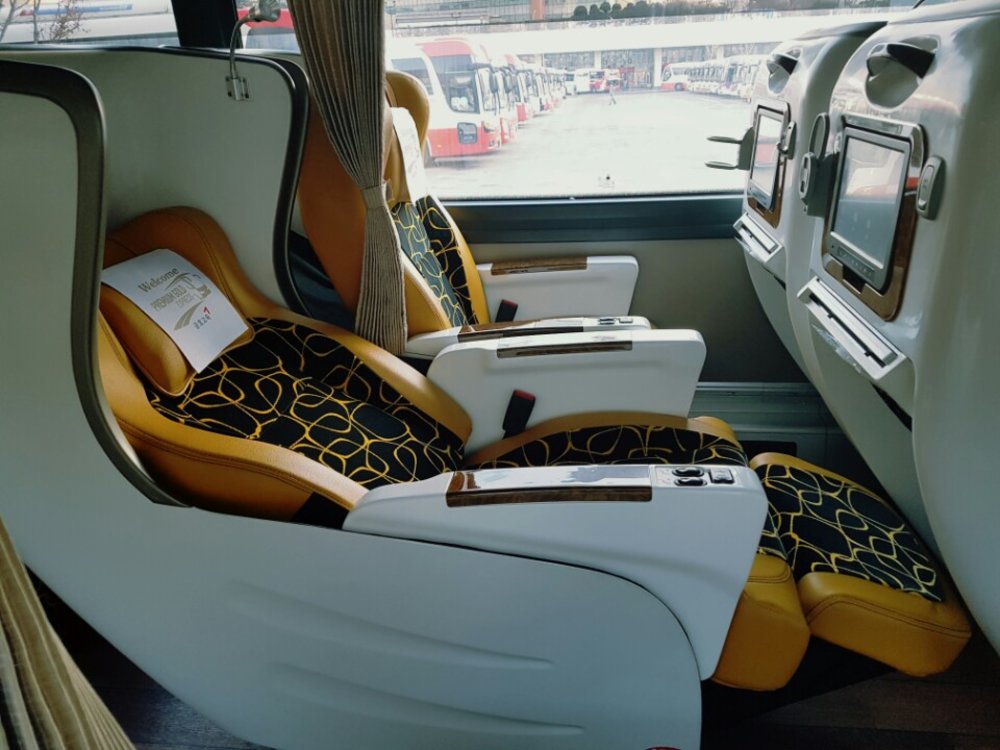
Beyond comfort, taking the bus also offers several advantages. Compared to the KTX bullet train, buses are significantly cheaper – starting at around USD$19, they are ideal for budget travellers. The scenic journey also allows you to soak in the beauty of the Korean countryside, a view missed on the faster train. With frequent departures throughout the day, buses provide more scheduling flexibility compared to trains.
5. By car: self-driving from Seoul to Busan
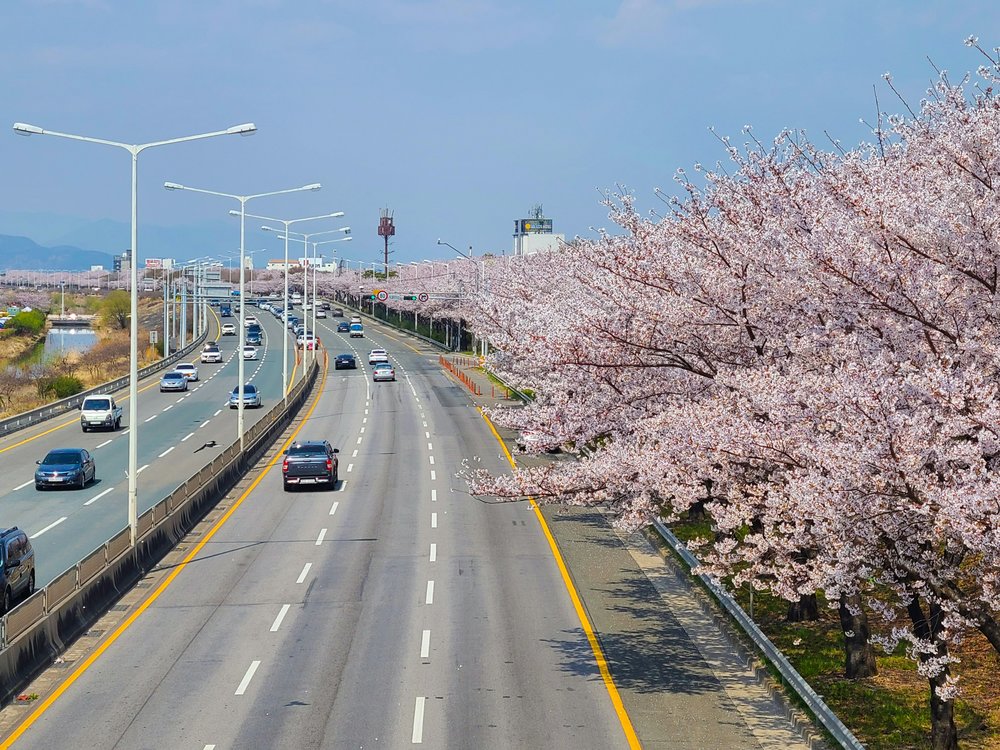
Photo credit: eun hee
For those inclined towards taking the road journey into your own hands, renting a car and self-driving from Seoul to Busan is a great choice to see South Korea at your own pace. The best part is that you can stop and explore sights along the way, such as the scenic beaches of Gangneung or the historic city of Gyeongju.
The distance between Seoul and Busan is about 330 kilometres and the drive will take about 4-5 hours, depending on traffic conditions. It's also a pretty cost-effective transportation method if you are travelling with a few people, as it can be cheaper than taking the bullet train, especially if you factor in gas and tolls.
Driving in South Korea
In South Korea, drivers drive on the right side of the road. Keep in mind that you will need an International Driving Permit (IDP) to drive in South Korea if your driver's license is not in Korean. While your English license might be understandable, regulations require the IDP for official purposes during traffic stops or car rentals.
Here are other factors to consider if you plan to drive in the country:
- Road Conditions: Highways in South Korea are generally well-maintained and easy to navigate. However, traffic can be heavy, especially around Seoul and Busan.
- Tolls: There are tolls on most highways in South Korea. You can pay tolls electronically or with cash.
- Navigation: Having a GPS or using a navigation app like KakaoMaps, which is popular in Korea and has an English interface, is highly recommended, as signs might be in Korean.
- Parking: Parking can be challenging in Seoul and Busan, so factor this in when planning your trip.
Car rental in South Korea
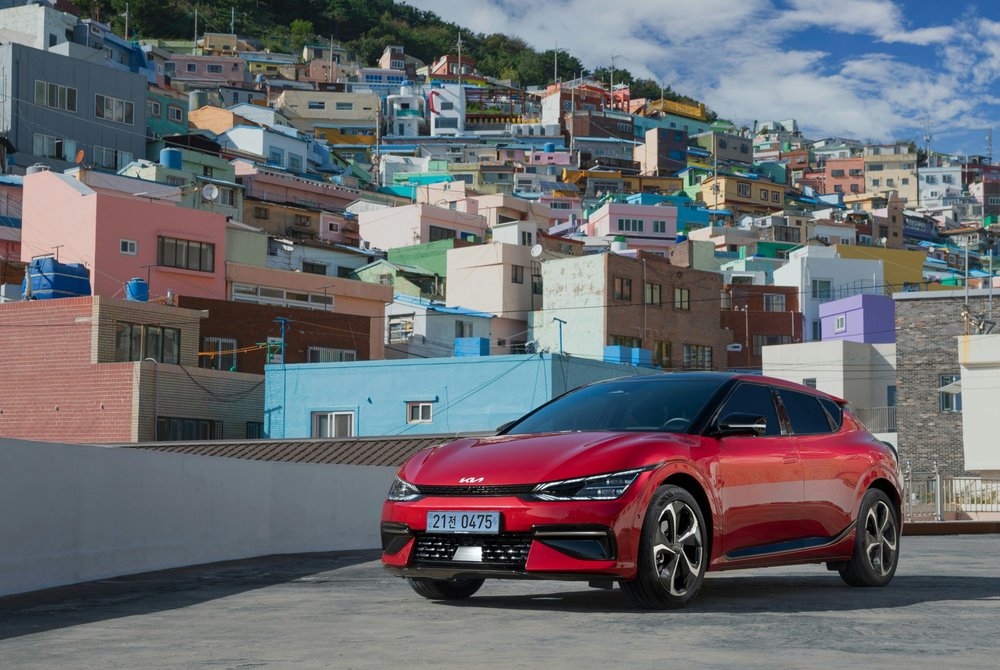
Photo credit: Hyundai Motor Group
Several car rental companies operate in South Korea, including international companies like Hertz and Avis, as well as Korean rental companies like Lotte Rent-a-Car, SK Rent a Car, and KT Kumho Rent-A-Car. When renting a car, be sure to ask about insurance options, especially collision damage waiver (CDW).
Prices will vary depending on the size and type of car you rent, as well as the rental period. Rent your car on Klook for rates from as low as US$62 a day, and choose from a range of vehicles, from sedans like Hyundai Avante to SUVs like the Kia Carnival.

Start planning your trip to South Korea!
South Korea Travel Essentials 🇰🇷
Planning a holiday to South Korea? Here's our checklist of travel essentials for a smooth and hassle-free trip!
🚅 For starters, the Korea Rail Pass is a must for your adventures. It will come in useful when you are exploring various cities as you can get unlimited rides via high-speed rail, and allows you to transit and travel to over 600 stations and 80 different routes!
🏮 South Korea Essentials: Transportation Passes & Top Must-Dos
➡️ Want to save more on Seoul transportation passes and attraction tickets? Hit all your favourites and save up to 52% with the Klook Pass Seoul!
✨ Others
👉🏼 Exhilarating adventures lined up on your next trip itinerary?
Protect yourself and your loved ones while you experience the world with Klook’s travel insurance!


What is Klook?
Klook is a leading pan-regional experiences platform in Asia Pacific, purpose built to digitalize experiences and make them accessible to every traveler.
Our mission is to build the digital infrastructure for the global experience economy — empowering merchants to share their passions and travelers to discover the heartbeat of each destination. We operate a mobile-first, curated platform featuring diverse experiences across global destinations.