

When you think of Las Vegas, your mind likely goes to the famous attractions and activities on the Las Vegas Strip. From catching shows at The Sphere, sightseeing on an open-top bus, trying out famous steakhouses, and experiencing the famous nightlife scene, you have plenty of unique experiences waiting for you during your trip to the so-called “Sin City.”
But there’s more to see during your visit to Las Vegas than just the Strip. Another popular activity for those visiting Las Vegas is going on day trips to experience the natural wonders outside the city, perfect should you ever find yourself needing an escape from the crowds.
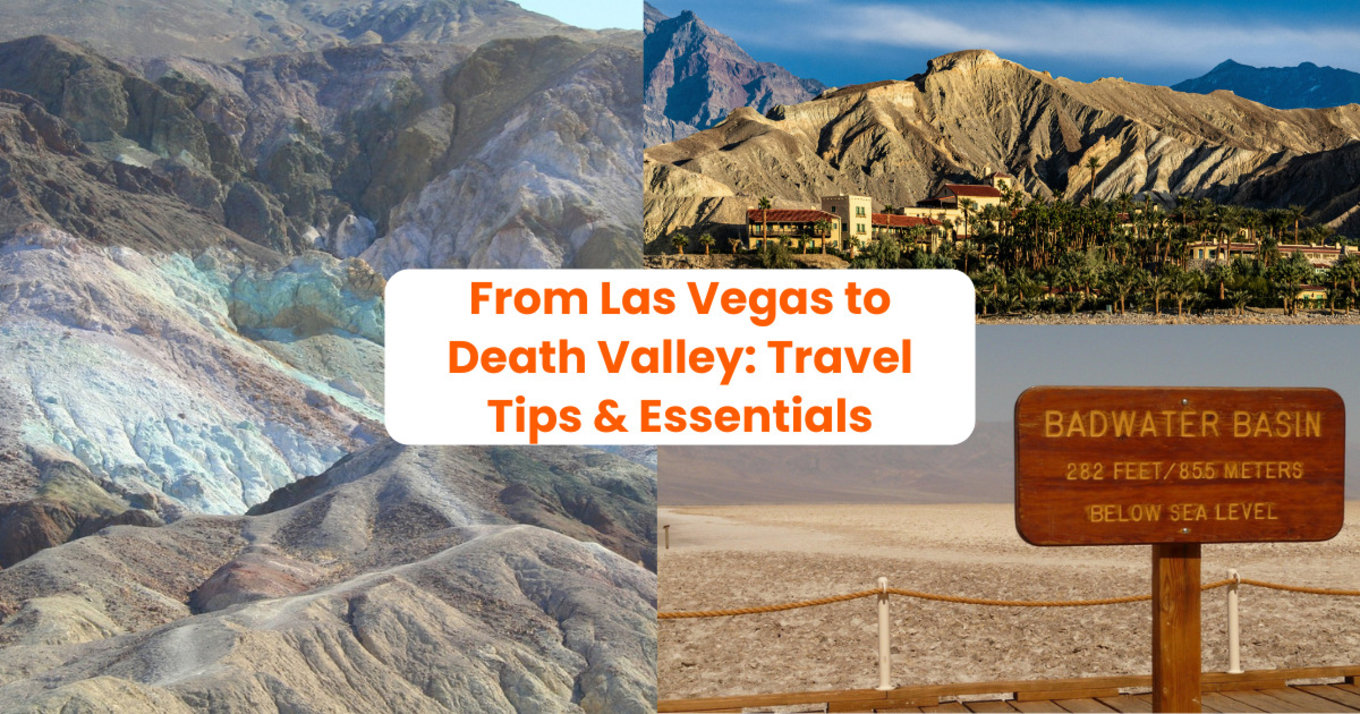
One of the most popular day trips from Las Vegas is the Death Valley, located just a couple of hours outside the city. Known for salt flats, sand dunes, and seasonal foliage, Death Valley is the ideal destination for those who wish to experience outdoor activities like hiking or stargazing. But since there are no public transportation options available, traveling to Death Valley can often prove to be a challenge.
Need help planning your day trip to Death Valley? Check out our guide below for handy tips on best times to visit, how to get there, and more.
Traveling to Death Valley from Las Vegas
There are two recommended ways to visit Death Valley from Las Vegas:
1. Death Valley Tours from Las Vegas
Death Valley tours from Las Vegas are best for those who wish to visit this popular landmark but don’t want to drive. This also has the added benefit of taking out any planning involved, so you can just sit back and relax as you get driven around inside a comfy van or minibus.
Several tour options are available, depending on what suits your interests. Some of our recommendations include:
- Death Valley Full-Day Tour: A small-group tour that takes you to Dante’s View, Badwater Basin, and the Artist’s Palette.
- Death Valley Sunset and Starry Night Tour: A special day-to-night tour of Death Valley that takes you to Dante’s View, Badwater Basin, and the Artist’s Palette, before watching the sunset at Zabriskie Point and stargazing at Amargosa Valley.
- Death Valley & Seven Magic Mountains Full-Day Tour: Starts off at the Seven Magic Mountains art installation in Ivanpah Valley, before making stops at Zabriskie Point, Furnace Creek Visitor Center, Devil's Golf Course, and Badwater Basin.
2. Driving to Death Valley from Las Vegas
If you prefer driving yourself to Death Valley or have plans to stay overnight, then a rental car is a more suitable option. This gives you more freedom when creating your itinerary, allowing you to stay longer at certain stops or even visit locations not available on most tours.
Klook tip: For overnight stays, make sure to book your Death Valley accommodations in advance, especially during peak seasons! Note that this also applies if you plan on sleeping inside your vehicle, as there are restrictions on where overnight parking is allowed.
We recommend the following driving routes from Las Vegas to Death Valley:
Easiest Route
Not the fastest route, but the best option if you want an easy drive through a flat desert valley with gradual elevation changes.
- From Interstate 15, exit on Hwy 95 North and drive 90 miles to Lathrop Wells, Nevada.
- Turn left on NV Hwy 373 (becomes CA Hwy 127) and drive 25 miles to Death Valley Junction, California.
- Turn right on CA Hwy 190 and drive 30 more miles to Furnace Creek Visitor Center.
Scenic Route
This route takes you through stunning landscapes along the Old Spanish Trail and Badwater Road, with views of Amargosa Canyon Trail, Badwater Basin, Artist’s Drive, and more.
- From Interstate 15 South, exit on NV Hwy 160 West and drive 45 miles before turning left on Tecopa Road (Old Spanish Trail).
- Drive 41 miles and turn right on CA Hwy 127.
- Drive 10 miles and turn left on CA Hwy 178 West (Badwater Road).
- Drive 75 miles and turn left on CA Hwy 190.
- Drive 1 mile to Furnace Creek Visitor Center.
Famous Attractions in Death Valley
Below are some of our must-see sights during a trip to Death Valley:
1. The Death Valley National Park Sign
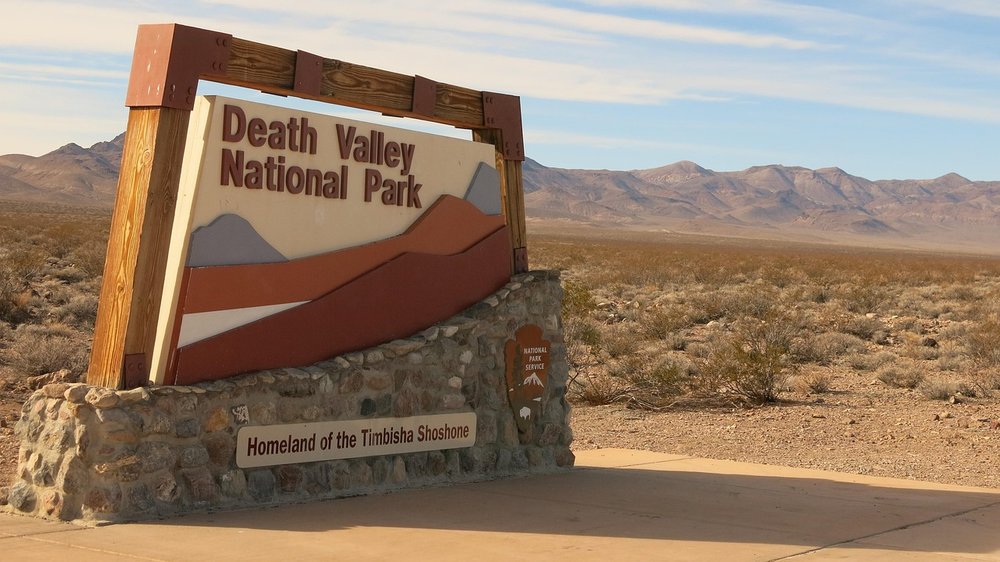
Start your journey with a fun photo next to the Death Valley National Park Sign.
This colorful sign greets you a few minutes after you make the turn onto Death Valley Road. While you might be tempted to skip this stop, staging a commemorative shot right next to this iconic sign won’t take more than a few minutes and is a fantastic way to start off the trip (and it also makes for some pretty cool shots on social media too!)
2. Zabriskie Point
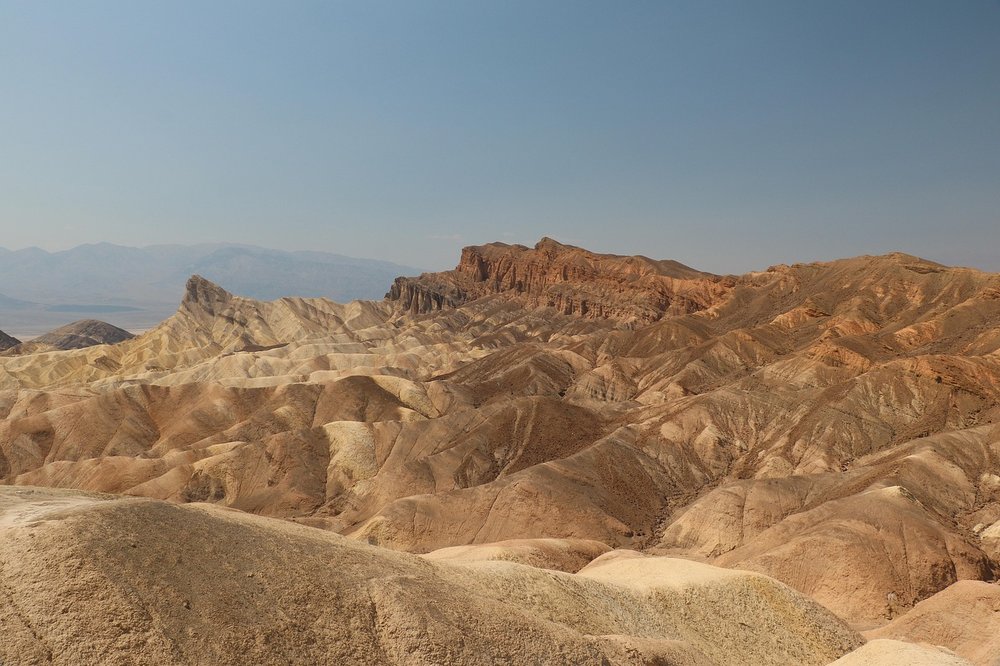
The rolling badlands at Death Valley National Park, seen from the top of Zabriskie Point.
Probably the most famous stop at Death Valley National Park, Zabriskie Point is simply a must-visit for its uninterrupted views of rolling badlands. The walkway to the viewing point involves a fairly steep incline, but you’ll be rewarded with some of the best picture opportunities in the entire park!
Klook tip: When taking a photo, it’s best to shoot from a distance to capture the unique landscape behind.
3. Furnace Creek

Furnace Creek Visitor Center is a must-visit to pay admission fees and restock on essentials.
Your next stop should be Furnace Creek to pay the USD15 admission fee (charged by vehicle), get maps of the park, and freshen up at the toilets, as you might not see another opportunity for miles. You should also use this opportunity to use amenities like the service stations for gas, stores to stock up on water or snacks, and restaurants for a freshly-cooked meal.
4. Artist’s Palette
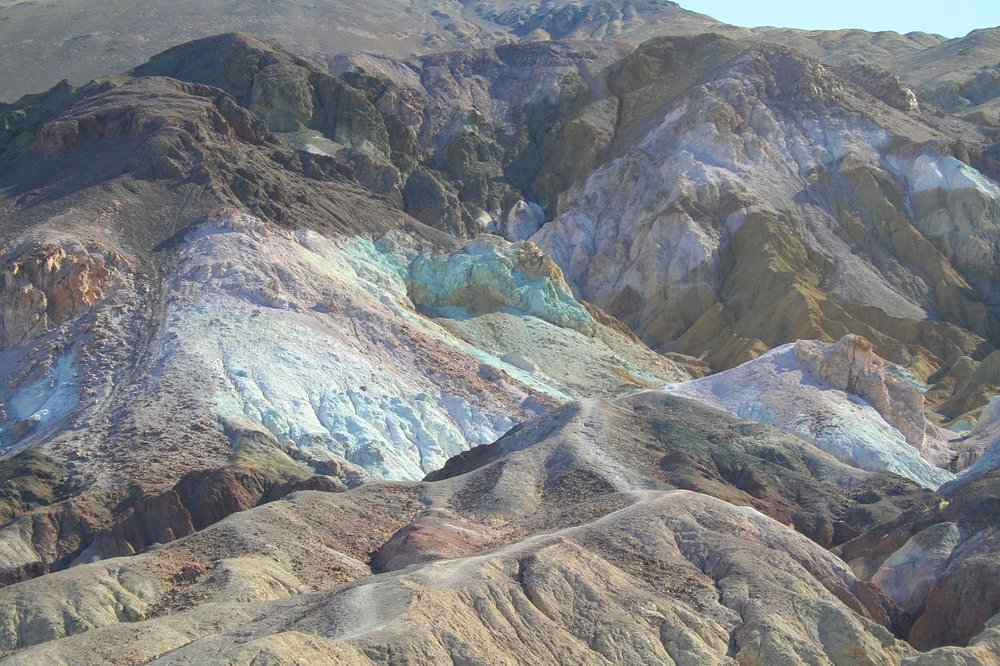
Take photos of the pastel-colored walls of the Artist’s Palette, which stands out from the brown mountainside.
Another popular stop at Death Valley is the Artist’s Palette, a colorful mountainside with various shades of green, white, pink, and yellow, almost as if an artist actually used a giant paintbrush and used as many colors as they could on the brown mountains! No two visits to this location are the same, as natural phenomena rearrange the color palette of the mountain.
Klook tip: The Artist’s Palette has two viewing points. While many stop at the first area as it’s more accessible, the steeper climb to reach the second is worth it for the more dramatic and intense colors of the mountainside there.
5. Devil’s Golf Course
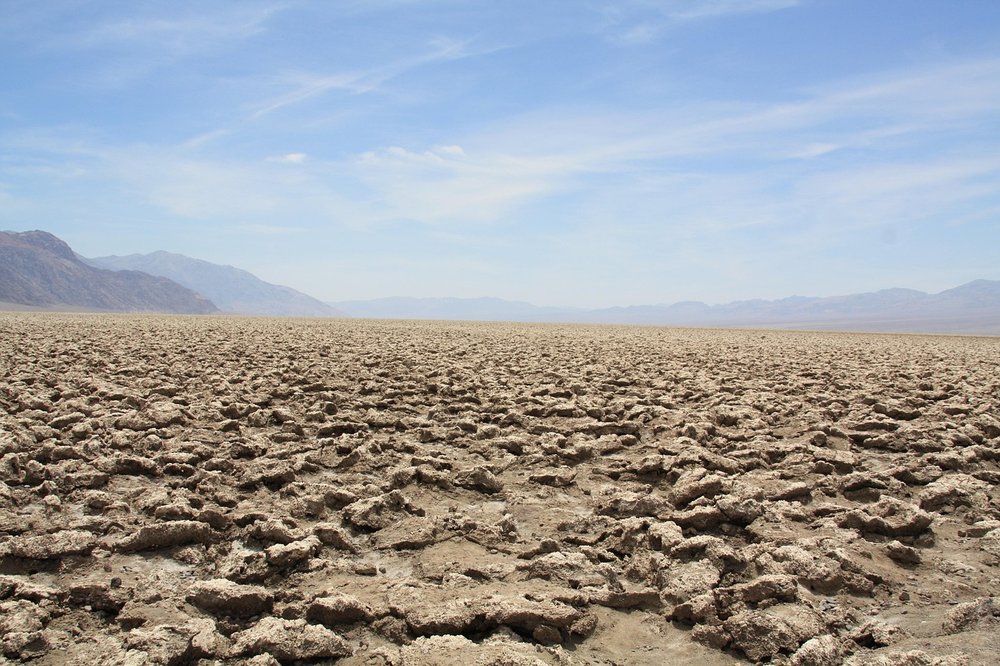
Watch your footing at the Devil’s Golf Course, as the salt mounds are sharp.
Once you exit the road from Artist’s Palette, you’ll pass by the Devil’s Golf Course, which you’ll recognize based on its strange and uneven surface that almost seems otherworldly. Its unique name comes from the mounds of crystalline salts that create a texture so rough that not even the devil himself could play a game of golf.
And while you can walk on this surface, it is generally not recommended to do so, as the salt rocks are quite sharp. We recommend just admiring them from afar and taking a photo before visiting your next stop.
6. Badwater Basin
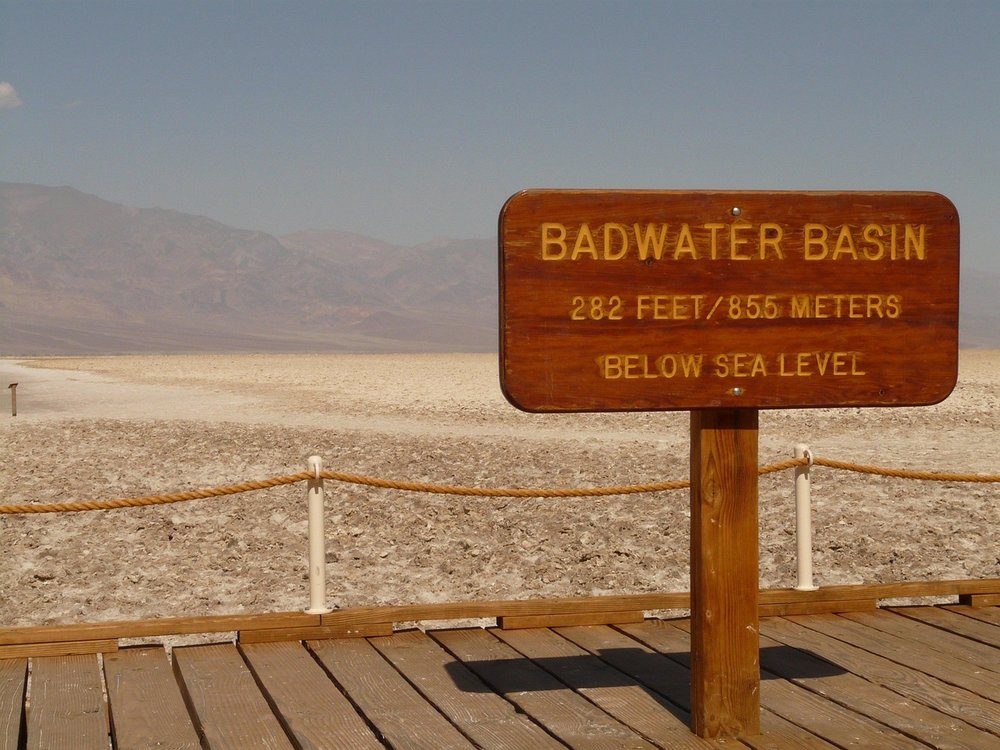
Badwater Basin is the lowest point in North America and home to stunning salt flats.
No trip to the Death Valley National Park would be complete without visiting its most famous landmark, Badwater Basin. With an elevation of 282 ft below sea level, this is the lowest point in North America and is home to nearly 200 square miles of accumulated salt from the evaporation of the ancient Lake Manly. What makes it so amazing is that even though rainwater occasionally floods the basin, the evaporation rate is so high that even a 12-foot-deep, 30-mile-long lake would dry up in a single year.
Klook tip: After taking a photo of the sign, take a walk out onto the salt flats in the middle of the salt basin. Here you go out as far as you’d like, walk with bare feet, and even taste the salt if you dare.
When planning a trip to Death Valley from Las Vegas, the most important thing to remember is to be prepared. Having essentials like food, water, extra clothes, and a handy US eSIM at all times is a must, as well as Death Valley accommodations if you plan to stay overnight. This way, you can enjoy your time at Death Valley National Park and everything it has to offer without any worries!
FAQs
How far is Death Valley National Park from Las Vegas and how long does it take to drive?
Death Valley National Park is approximately 120 miles away from Las Vegas and takes just over two hours to reach by car.
What is the best driving route from Las Vegas to Death Valley?
The best driving route to Death Valley from Las Vegas is through Hwy 95 North and Lathrop Wells as elevation changes are gradual, which makes for an easy drive. For the fastest route, consider NV Hwy 160 West through Pahrump.
Can you visit Death Valley on a day trip from Las Vegas?
Yes, you can visit Death Valley on a day trip from Las Vegas. You can either join a tour or drive a rental car if you have an international driving permit.
Klook tip: If you’re visiting in summer or winter, it’s generally recommended to stay for at least 2-3 days as the number of hours you can spend outdoors are reduced due to extreme heat or cold, as well as shorter days in winter.
What should you know before driving from Las Vegas to Death Valley?
Here are some important tips to note before making the drive from Las Vegas to Death Valley:
- Check your vehicle and tires before you set off.
- Start with a full tank of gas, as the number of gas stations is limited and prices are higher than usual.
- Bring plenty of water, even in cool weather, as sources of potable water at Death Valley are far apart. While the minimum recommendation is at least one gallon per person, it’s recommended to bring even more than that if you plan on going on hikes or any outdoor exploration.
- Check the weather forecast for flash floods or extreme temperatures.
- Bring layers, heat packs, and other sources of warmth, especially if you plan to stay late or overnight.
- Download your driving map, as reception may be hard to get, especially if you drive deep into Death Valley.
- Stay on marked roads and paths. Regular vehicles may not suffice for off-roads, and even 4x4s can find it difficult to traverse these roads.
- Note the different types of campgrounds at Death Valley. Private and developed campgrounds provide services such as potable water and toilets, but reservations may be required. Primitive campgrounds require no reservations, but no water or toilets are available on site, and these require high-clearance 4x4s to access.
When is the best time of year to make the trip from Las Vegas to Death Valley?
The best times to visit Death Valley from Las Vegas are:
- Spring (March - April): Warm and sunny days, with the possibility of seeing a colorful display of spring wildflowers that usually peaks in late March to early April. This is usually the busiest period of the year to visit Death Valley.
- Fall (October - November): Warm but pleasant temperatures and clear skies that are perfect for outdoor activities, with fall colors visible in the eastern Sierra Nevada mountains nearby.
It’s generally not recommended to visit in summer (May - September) and winter (December - February) due to extreme temperatures. If you plan to visit during these months, it’s best to go on a day trip by car or with a tour instead of camping overnight to minimise exposure to extreme heat or cold.
What is Klook?
Klook is a leading pan-regional experiences platform in Asia Pacific, purpose built to digitalize experiences and make them accessible to every traveler.
Our mission is to build the digital infrastructure for the global experience economy — empowering merchants to share their passions and travelers to discover the heartbeat of each destination. We operate a mobile-first, curated platform featuring diverse experiences across global destinations.
✨ Follow us for more deals and inspiration for your upcoming travels