
Heading to Australia for the first time? One thing that might catch you off guard is the Australian customs declaration. The country has some of the strictest biosecurity laws in the world, and for good reason.
The country's unique wildlife and agricultural industry depend on keeping pests, diseases, and foreign organisms out. That's why knowing what goes on your Australian customs declaration form is non-negotiable before you land.
This guide covers every major category you need to declare, what you absolutely cannot bring in, and what happens if you skip a declaration. Read on before you pack.
What is the Incoming Passenger Card?
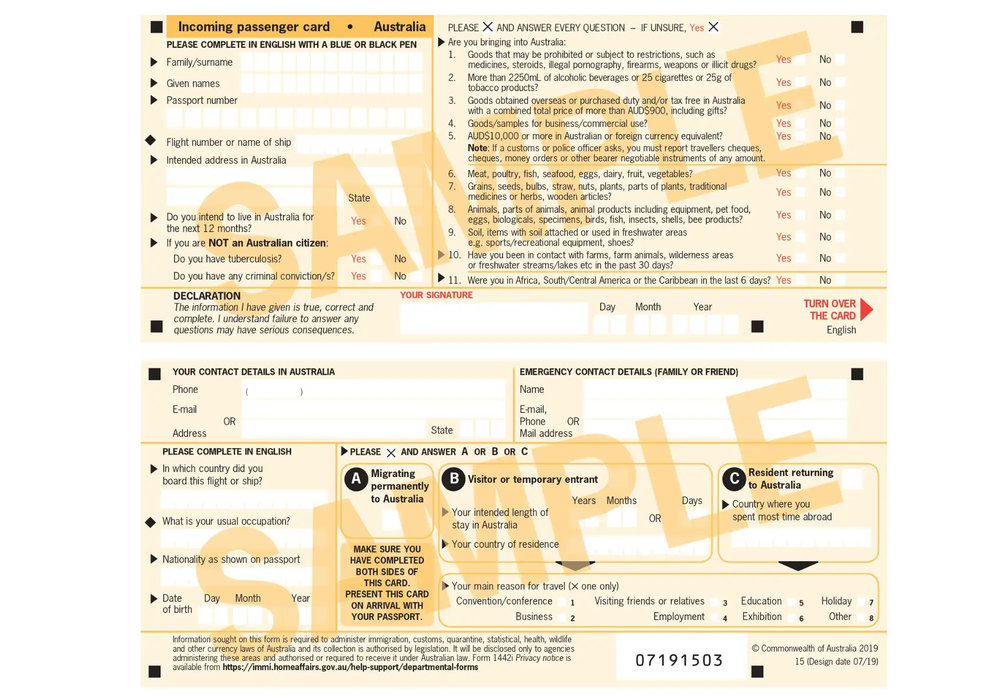
Incoming Passenger Card (IPC) | Photo Credits: Australia Border Force
The Incoming Passenger Card (IPC) is a declaration form given to you before you enter Australia. You'll typically receive it on the plane or complete it digitally through the Australia Travel Declaration (ATD) system before departure. It will ask for:
- Your full name and passport number
- Your flight or travel details
- Your hotel address while in Australia
- Your contact information
- Any items you’re bringing in, including food, medicine, cash, plant materials, or animal products
💡 Klook Tip: Download AustralianETA, the Australia Travel Declaration app, (IOS | Android) before your flight if your airline or route supports it. Eligible travellers will be invited to complete their Incoming Passenger Card (IPC) digitally before departure, helping speed up your arrival process at the airport.
What you need to declare when entering Australia
Food and plant products
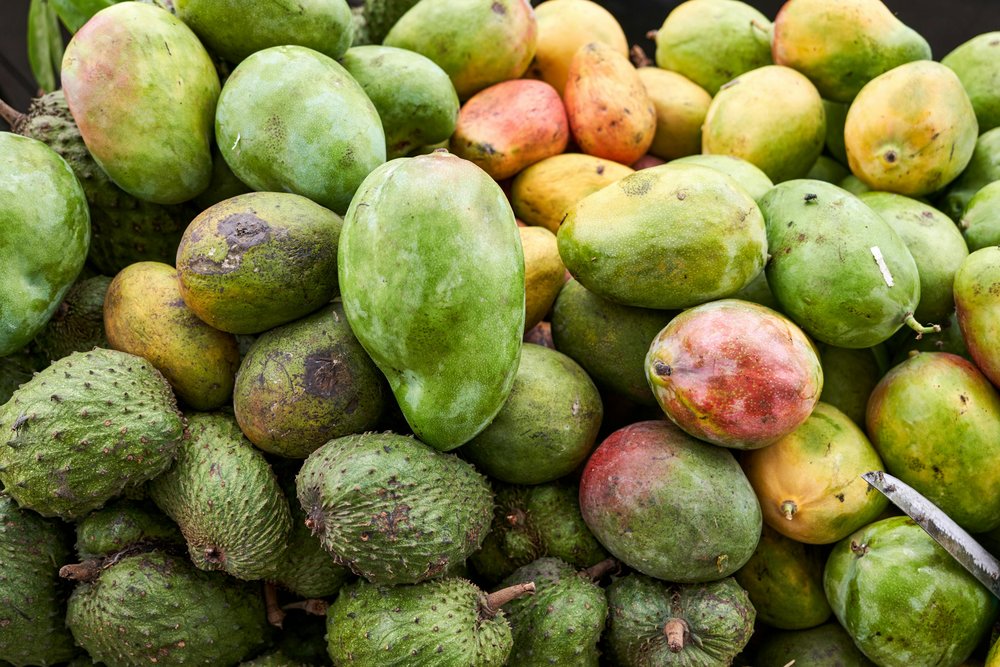
Fresh mangoes and soursop | Photo Credits: Xavier Messina on Pexels
This is one of the strictest areas under Australian biosecurity rules, and most food or plant items must be declared, even if they are packaged.
Fresh fruit, vegetables, seeds, nuts, and any plant material are high-risk and are usually not allowed in. Processed or packaged foods may be permitted, but many are still subject to inspection. If you’re unsure, always declare it. Items are often confiscated, but you won’t be fined for an honest declaration.
🛂 Declare these items:
- Fresh or dried fruit, vegetables, seeds, nuts
- Meat, seafood, dairy (fresh, cooked, or packaged)
- Snacks, sweets, and homemade food
- Any plant material, soil, or organic matter
Animal products
Many animal-based items must also be declared, including common souvenirs and travel items.
🛂 Declare these items:
- Leather goods (shoes, bags, belts)
- Wool, feathers, shells, and animal skins
- Pet food and animal-based products
- Traditional medicines with animal ingredients
Medicines and drugs

Assortment of medicine | Photo Credits: Polina Tankilevitch on Pexels
Medicines are generally allowed but must be declared in certain cases. Also, try to keep medicines in original packaging and bring a prescription or doctor’s note if possible.
🛂 Declare these items:
- Prescription medicines (especially large quantities or controlled drugs)
- Large amounts of over-the-counter medicine
- Herbal or traditional supplements
Goods over AUD $900
You must declare goods worth more than AUD $900 per adult (AUD $450 for children under 18). This includes both new and used items like
- Electronics, clothing, and gifts
- Items bought overseas or duty-free
Currency over AUD $10,000
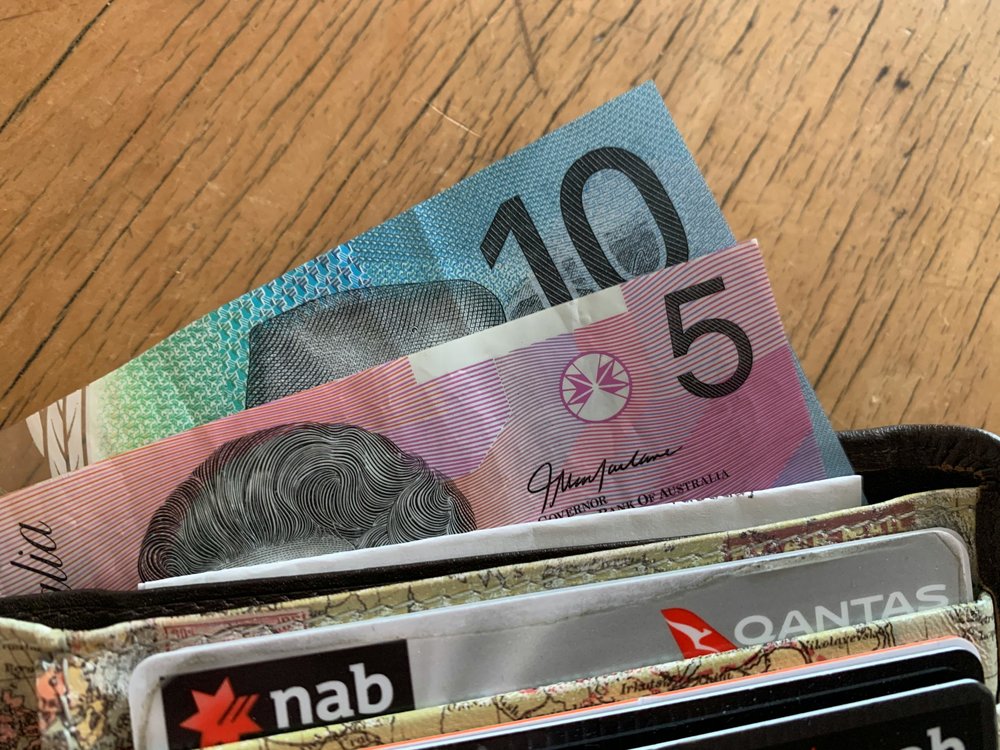
Australian dollar bills | Photo Credits: Miles Burke on Pexels
You must declare if you are carrying AUD $10,000 or more (or equivalent in other currencies). This includes cash, traveller’s cheques, and similar financial instruments.
What you cannot bring into Australia
Some items aren't just undeclarable; they're outright prohibited. Bringing these in can result in fines, confiscation, or criminal charges.
- Fresh fruit and vegetables from most overseas countries (especially unpackaged produce)
- Illegal drugs and controlled substances, including those legal elsewhere
- Restricted wildlife and plant items, including live animals, seeds, plant cuttings, and species regulated under CITES (e.g., ivory, certain shells, or protected animal parts)
- Soil and plant material that could carry pests or disease
- Weapons and firearms without prior approval
- Counterfeit or pirated goods
💡 Klook Tip: If you're unsure whether something is prohibited, check the Australian Border Force website before you travel. It's always easier to leave it at home than deal with confiscation at the airport.
What happens if you don't declare
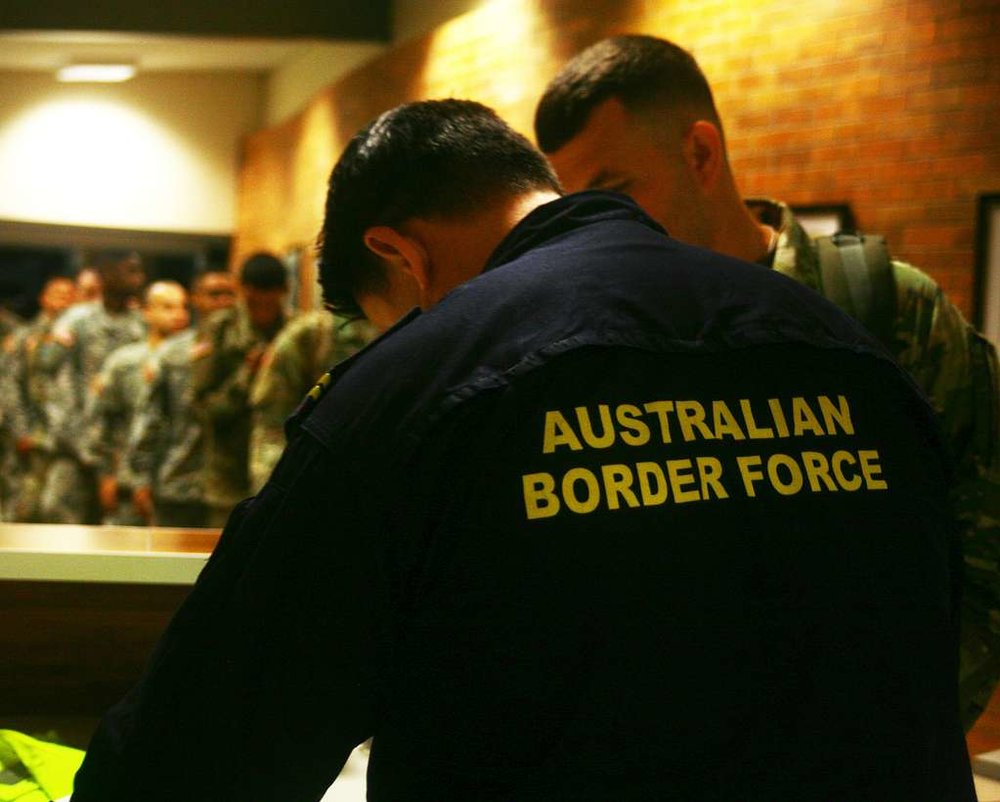
Australian border force | Photo Credits: Defense Visual Information Distribution Service
Skipping a declaration (even accidentally) can have real consequences. The Australian Border Force (ABF) takes biosecurity seriously, and their officers are trained to detect undeclared goods. Here's what you're risking:
- On-the-spot fines starting from AUD $630 for failing to declare biosecurity items
- Infringement notices of up to AUD $2,664 for more serious violations
- Confiscation of undeclared goods with no compensation
- Criminal prosecution in serious cases, with penalties of up to 10 years imprisonment and fines exceeding AUD $420,000
The good news? Declaring something and having it cleared or disposed of costs you nothing. The customs process moves quickly when you're honest. Ticking "yes" on your Australian customs declaration is always the safer call!
More tips for an easy arrival in Australia
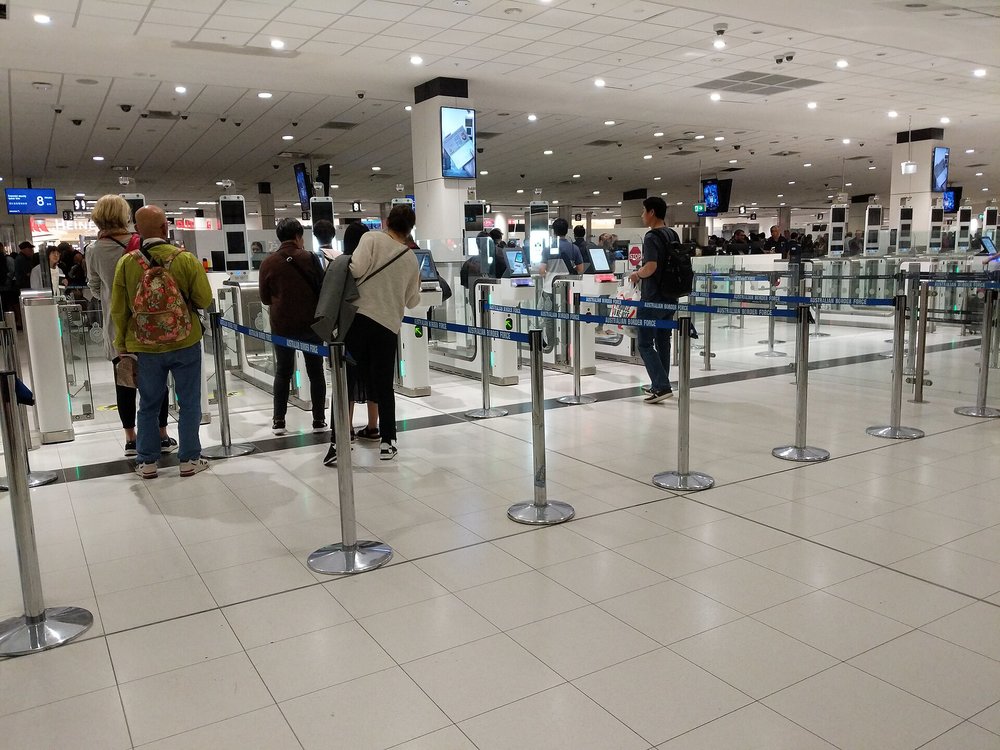
Arriving at Sydney airport | Photo Credits: MDRX on Wikimedia
Get your eSIM before you fly
With an Australia eSIM, you'll have data the moment you land. It’s handy for pulling up your digital customs form or checking regulations on the spot.
Sort your visa early
An Australian visa service helps you prepare your entry requirements so you arrive prepared.
Book your airport transfer in advance
Once you've cleared customs at the airport, a private airport transfer gets you to the city without the stress of figuring out transport after a long flight.
FAQs about Australian customs declaration
What happens if you don’t declare items at Australian customs?
If you don’t declare goods and you’re caught, Australian Border Force officers can issue fines starting from around AUD $630. Serious cases can reach up to AUD $2,664 or even lead to criminal charges with penalties of up to 10 years in prison. Even if it’s an honest mistake, your items may still be confiscated without compensation, so you should always declare.
Do you have to declare food when entering Australia?
Yes, you must declare all food items, including snacks, packaged goods, and homemade food. Officers will inspect your items and decide what can enter. Some items may be disposed of, but you won’t be fined if you declared them honestly.
What is the duty-free allowance when entering Australia?
You can bring up to AUD $900 per adult (AUD $450 for children under 18) in goods without paying duty. This includes overseas purchases and duty-free items. If you go over the limit, you may need to pay customs duty and GST, so keep your receipts ready.
Do you need to declare prescription medication when entering Australia?
You don’t need to declare prescription medication if you’re carrying a personal supply of up to three months. If you bring more than that, you must declare it and show a prescription or doctor’s letter. You should always declare injectable drugs, controlled medicines, or restricted herbal products.
How much cash can you bring into Australia without declaring it?
You can bring any amount of cash into Australia, but you must declare AUD $10,000 or more (or equivalent in other currencies). This includes cash, traveler's checks, and money orders. If you don’t declare it, your money can be seized under anti-money-laundering laws.
More Australia travel guides for you


What is Klook?
Klook is a leading pan-regional experiences platform in Asia Pacific, purpose built to digitalize experiences and make them accessible to every traveler.
Our mission is to build the digital infrastructure for the global experience economy — empowering merchants to share their passions and travelers to discover the heartbeat of each destination. We operate a mobile-first, curated platform featuring diverse experiences across global destinations.