
France has a way of making every trip feel like a history lesson, the good kind. You're walking past Gothic cathedrals, Renaissance châteaux, and Impressionist masterpieces without even trying. The country's cultural attractions span centuries and regions, covering world-famous museums, UNESCO World Heritage Sites, and royal palaces that shaped European history.
This guide covers the cultural attractions in France that are worth your time, from Paris all the way to Strasbourg, Avignon, and Lyon. Plus, tips on how to see them without the hassle!
📍 Louvre Museum, Paris
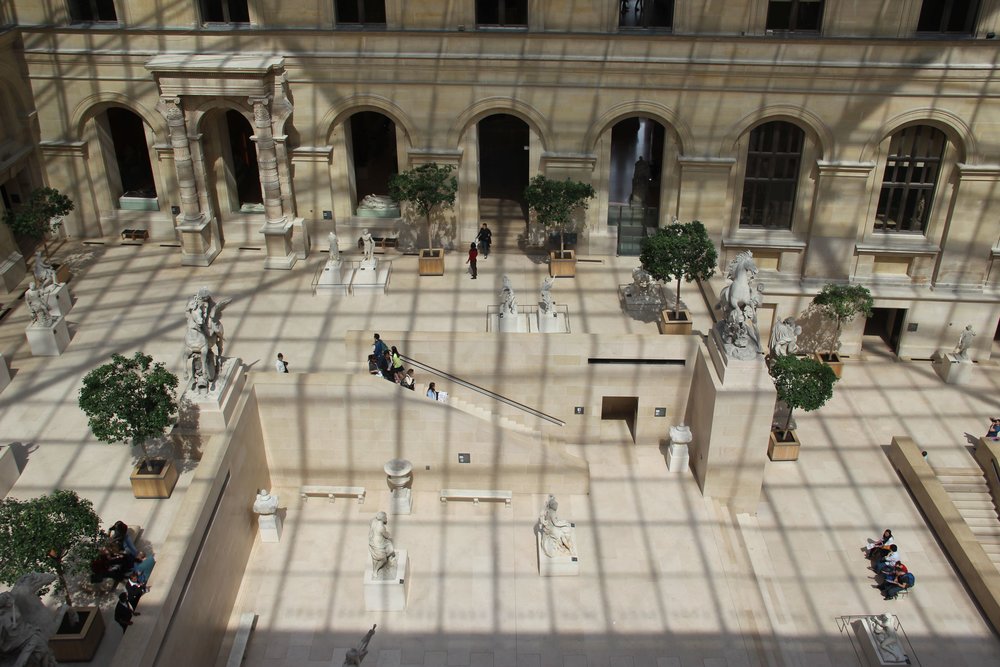
Inside the Louvre Museum | Photo Credits: Yulia Kraushkina on Pexels
The Louvre Museum is the world's most visited art museum and one of the most important cultural institutions on the planet.
Housed in a former royal palace, it holds over 35,000 works spanning 9,000 years of human civilization, from ancient Egyptian antiquities to Renaissance masterpieces. You’ll see the Mona Lisa, Venus de Milo, Winged Victory of Samothrace, and more!
What makes the Louvre a true cultural attraction is the building itself. The palace has served as a royal residence, a Revolutionary-era museum, and now a global center for art and history. A Louvre Museum skip-the-line guided tour helps you skip the queue and get a guide to put it all in context!
📍 Palace of Versailles
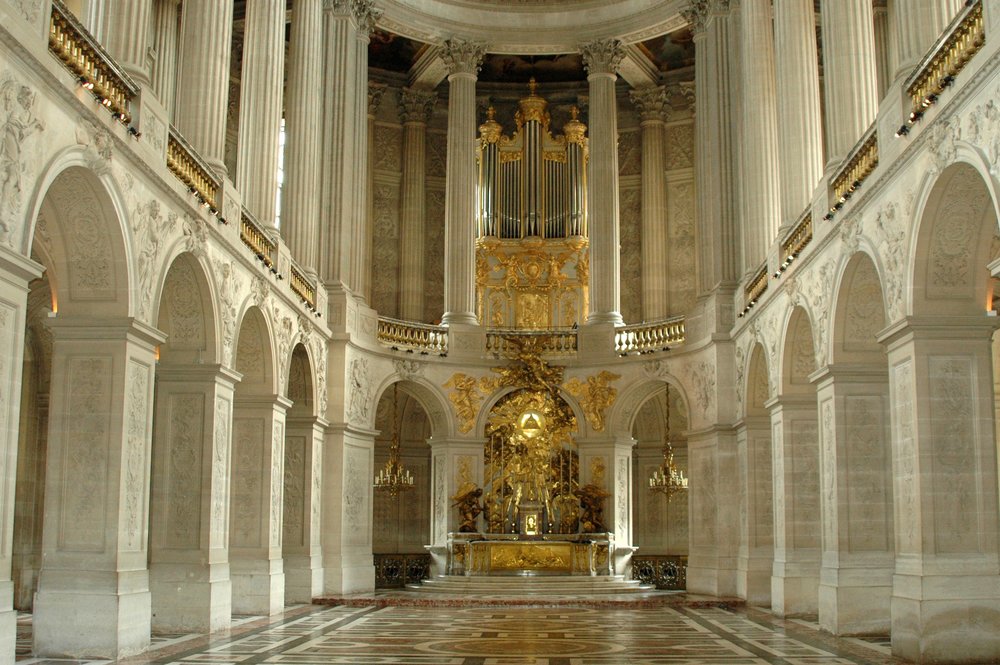
Royal Chapel at Versailles | Photo Credits: CARLOSCRUZ ARTEGRAFIA on Pexels
Just 40 minutes outside Paris, the Palace of Versailles is one of the most significant French heritage sites in the country. Built by Louis XIV as a physical symbol of absolute monarchy, the palace became the seat of French political power for over a century, shaping the culture, art, and diplomacy of an entire era.
The Hall of Mirrors, the Royal Apartments, and the formal gardens all reflect the ambitions of a king who wanted Versailles to be the envy of Europe.
Booking a Palace of Versailles guided tour in advance gets you in faster and gives you the historical context to appreciate every gilded room and sculpted hedge!
📍 Musée des Confluences, Lyon
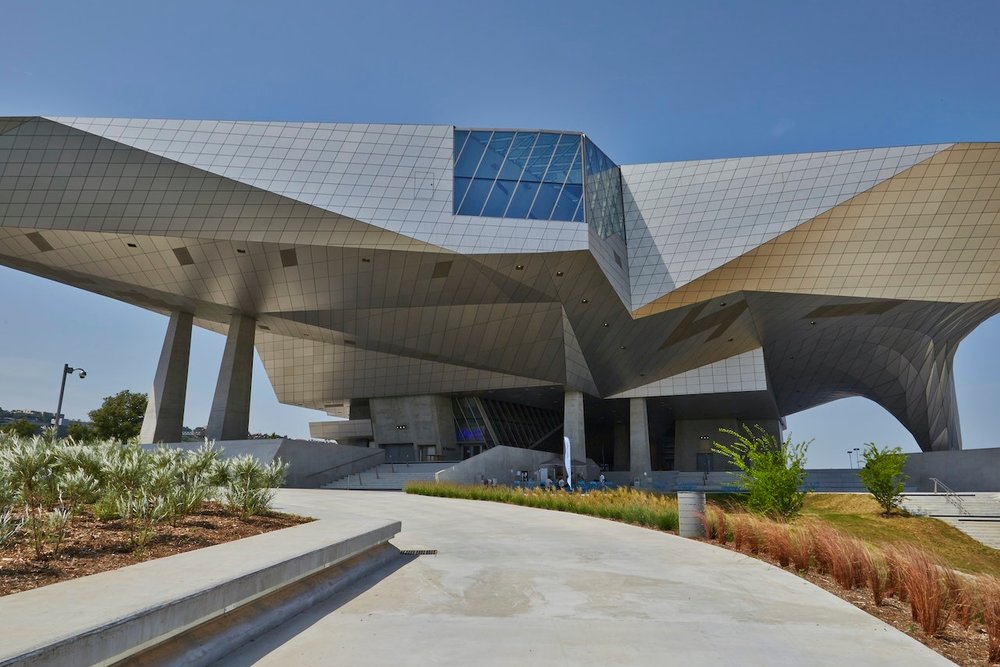
Musée des Confluences
Lyon has a long cultural history of its own, as a Roman capital, a Renaissance trading hub, and a major center for French industry and gastronomy. The Musée des Confluences shows that ambition, with a permanent collection that covers the origins of life, the history of human societies, and the diversity of world cultures from prehistoric times to the present day.
The museum's futuristic metallic architecture at the confluence of the Rhône and Saône rivers is a statement of intent. The exhibits combine natural history, anthropology, and social science in a way that's thought-provoking. Book your Musée des Confluences admission in advance to save time at the door!
📍 Strasbourg's Grande Île and Alsatian heritage
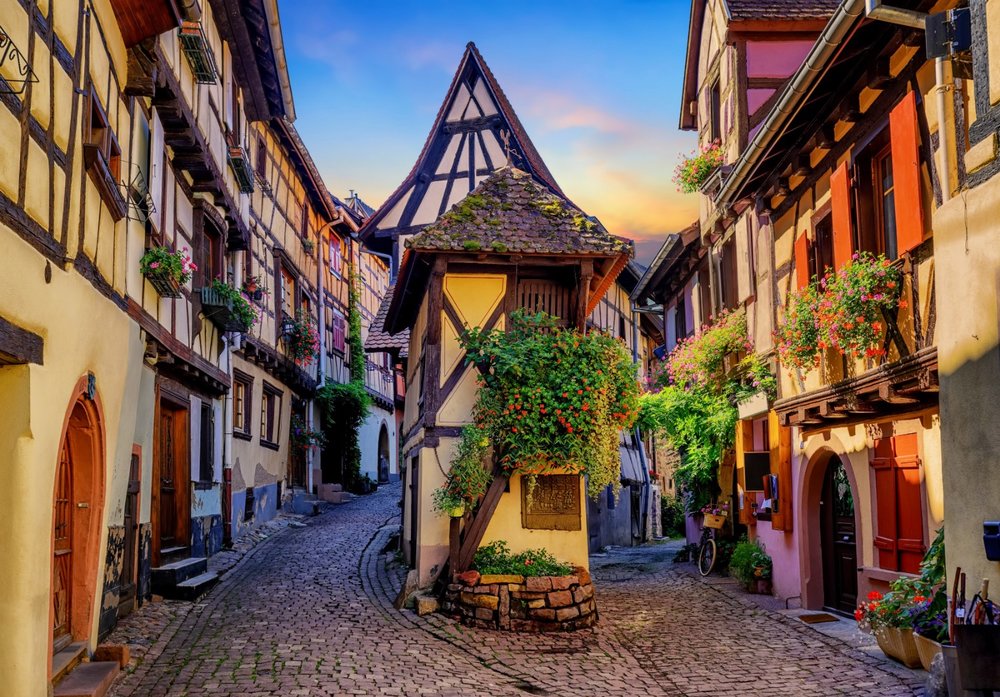
Half-timbered houses in Strasbourg
Strasbourg offers one of the most distinctive cultural identities in France, shaped by centuries of French and German influence. The Grande Île, the city's medieval old town, is a UNESCO World Heritage Site where Gothic cathedrals, half-timbered houses, and Renaissance civic buildings coexist within walking distance of each other.
The surrounding Alsace region deepens the experience further, with wine route villages, Romanesque churches, and fortified medieval towns that feel largely unchanged from centuries past. A Pearls of Alsace day tour from Strasbourg takes you through the region's highlights without the logistics of planning it yourself!
📍 Mont Saint-Michel
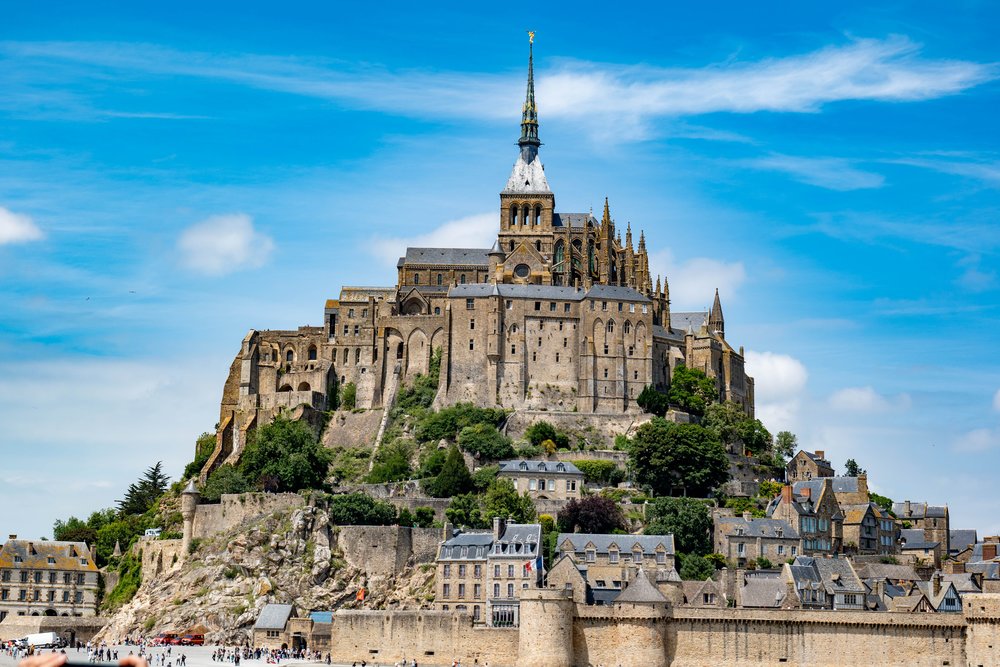
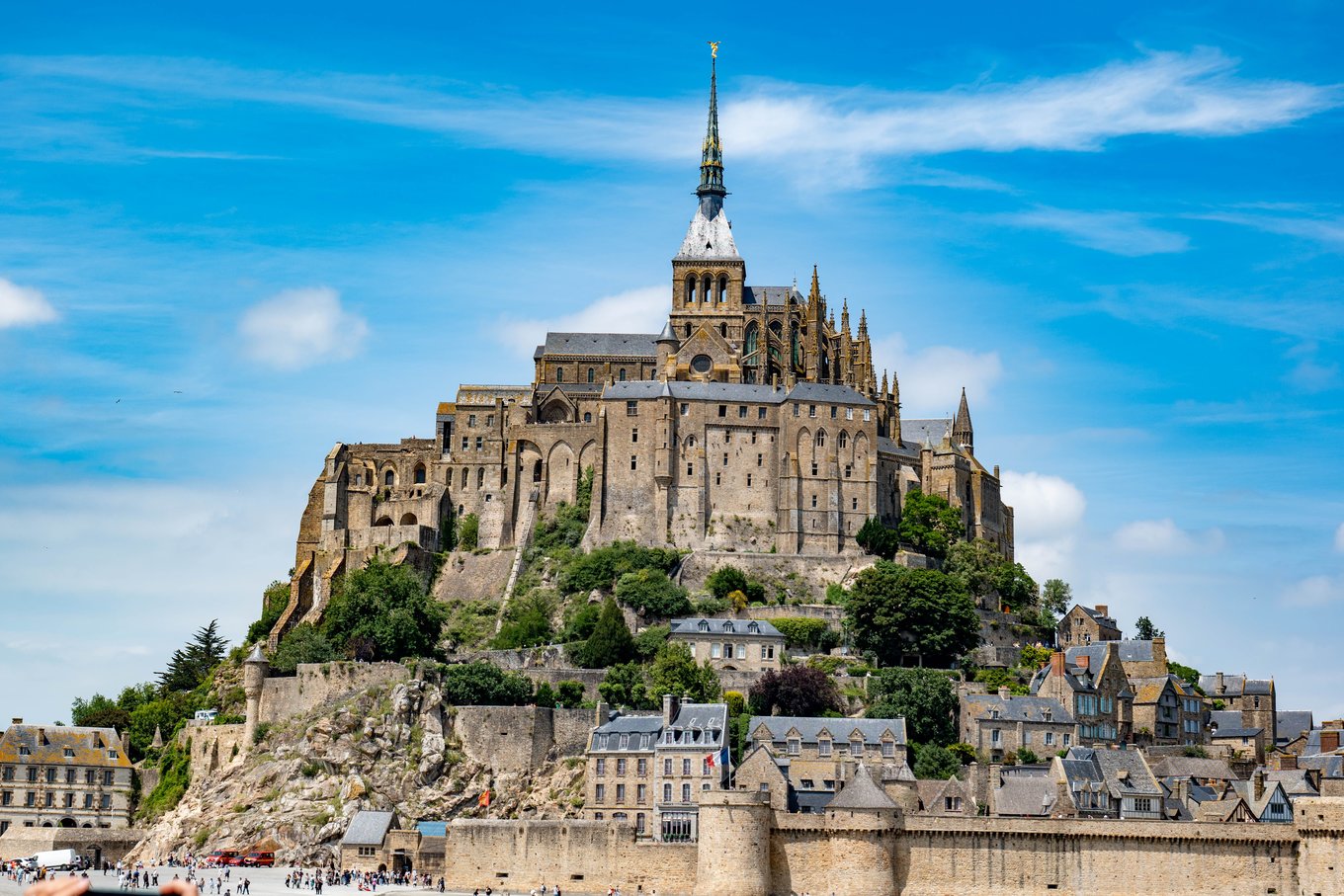
Mont Saint-Michel | Photo Credits: Gérard PITOIS on Pexels
Mont Saint-Michel is one of France's most iconic cultural attractions. It's a medieval abbey perched on a rocky tidal island off the Normandy coast, surrounded by tidal flats that flood and drain twice a day. It's been a major Christian pilgrimage destination since the 8th century, and the abbey at its summit is a landmark of Norman Romanesque and Gothic architecture.
Beyond the abbey, the fortified village at the base of the mount is filled with medieval architecture, narrow stone streets, and centuries of pilgrimage history embedded in its layout.
Most visitors come as a day trip from Paris, Rennes, or Caen. So, joining a Mont Saint-Michel day tour is the easiest way to do it, with transport and entry handled for you. Go early morning or late afternoon to avoid the peak crowds!
📍 Palais des Papes, Avignon
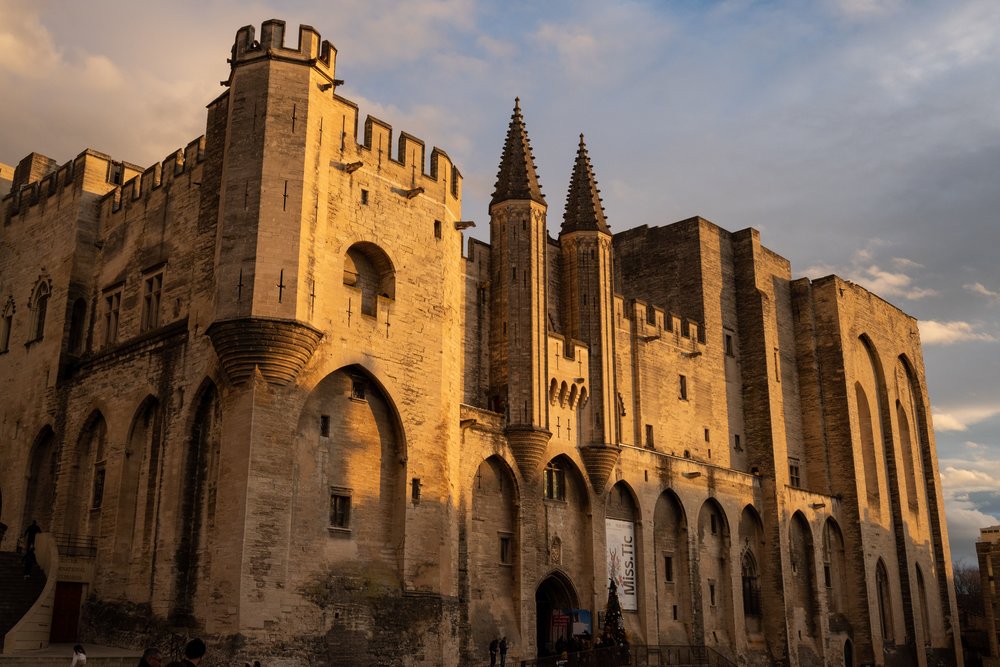
Palais des Papes | Photo Credits: Bingqian Li on Pexels
Avignon is one of the most historically significant cities in southern France, and the Palais des Papes sits at the heart of it. Built in the 14th century when the papacy relocated from Rome to France, this UNESCO World Heritage Site is the largest Gothic palace in the world and a monument to a moment when France sat at the center of Western Christianity.
The interior tells that story through grand halls, papal apartments, and frescoes that document the intersection of religious authority and political power. The Pont d'Avignon (the Avignon Bridge) is just steps away, making the area one of the most concentrated pockets of French heritage in Provence!
📍 Château de Chambord, Loire Valley
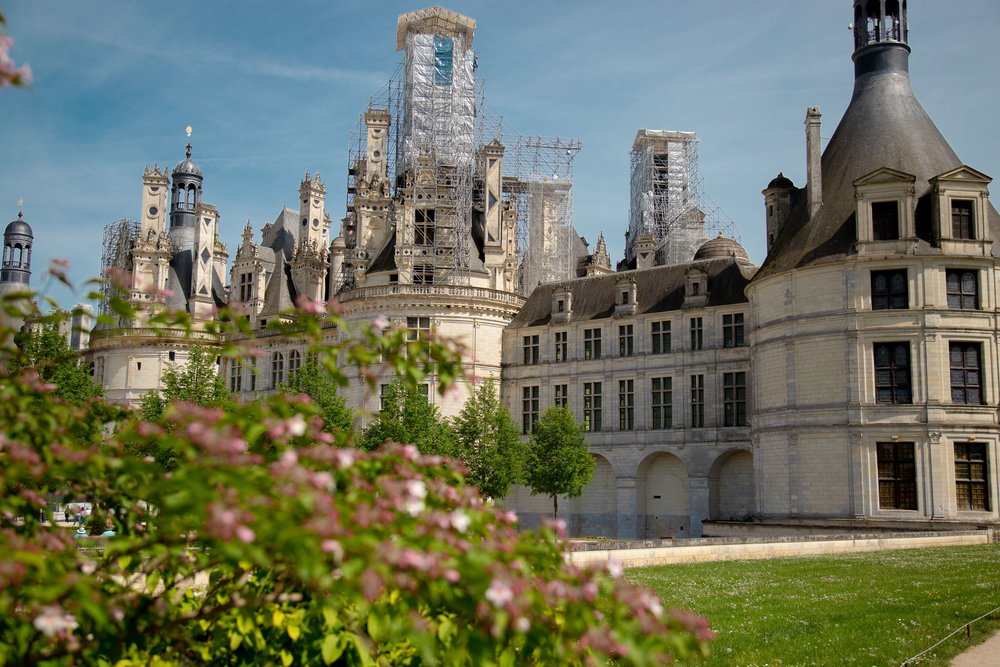
Château de Chambord | Photo Credits: Harper Swan on Pexels
The Château de Chambord is the largest château in the Loire Valley and one of the most recognizable French heritage sites in the world. Built in the 16th century as a hunting retreat for Francis I, it quickly became a showpiece of French Renaissance architecture—drawing on Italian influence while asserting a distinctly French royal ambition. It's now a UNESCO World Heritage Site.
The double-helix staircase inside is the most celebrated architectural feature, designed so that two people can ascend at the same time without crossing paths. The château sits within 5,000 hectares of forest and parkland, so budget at least half a day to explore it properly.
FAQs about cultural attractions in France
What are the most important cultural sites in France?
France's most significant cultural sites include the Louvre Museum, the Palace of Versailles, Notre-Dame Cathedral, Mont Saint-Michel, and the Châteaux of the Loire Valley. These sites span different periods of French history, and most are recognised as UNESCO World Heritage Sites.
Beyond Paris, Avignon's Palais des Papes and Strasbourg's Grande Île are equally important for understanding France's wider cultural and historical identity. Each tells a different chapter of the country's story.
What is France's most visited cultural attraction?
The Louvre Museum in Paris holds that title. It's the world's most visited art museum, drawing millions of visitors each year to see works like the Mona Lisa, the Winged Victory of Samothrace, and Venus de Milo. The Palace of Versailles is close behind, thanks to its scale and its central role in French royal history.
How many UNESCO World Heritage Sites does France have?
As of 2026, France has 54 UNESCO World Heritage Sites, making it one of the countries with the most inscribed properties in the world. These include the Loire Valley, Mont Saint-Michel, the Palace of Versailles, and the Strasbourg Grande Île.
The list also covers the Canal du Midi and several prehistoric cave art sites like Lascaux. France's breadth of UNESCO World Heritage Sites reflects the range of civilizations and historical periods that have shaped the country over millennia.
What are the best museums to visit in France outside of Paris?
Lyon's Musée des Confluences is one of the most architecturally striking and intellectually engaging museums in the country. The Louvre-Lens in the Hauts-de-France region is another strong option, housing major artworks from the main Louvre collection in a far more accessible setting.
What is the best way to experience French culture as a tourist?
Get outside the obvious tourist zones. Paris is essential, but so is a day in Lyon's Vieux-Lyon (old town), a walk through the historic center of Strasbourg, or an afternoon exploring Avignon's medieval streets.
Guided tours at major sites like the Louvre or Versailles add depth; knowing the historical context behind what you're seeing makes everything more interesting.
More France travel guides for you
What is Klook?
Klook is a leading pan-regional experiences platform in Asia Pacific, purpose built to digitalize experiences and make them accessible to every traveler.
Our mission is to build the digital infrastructure for the global experience economy — empowering merchants to share their passions and travelers to discover the heartbeat of each destination. We operate a mobile-first, curated platform featuring diverse experiences across global destinations.