
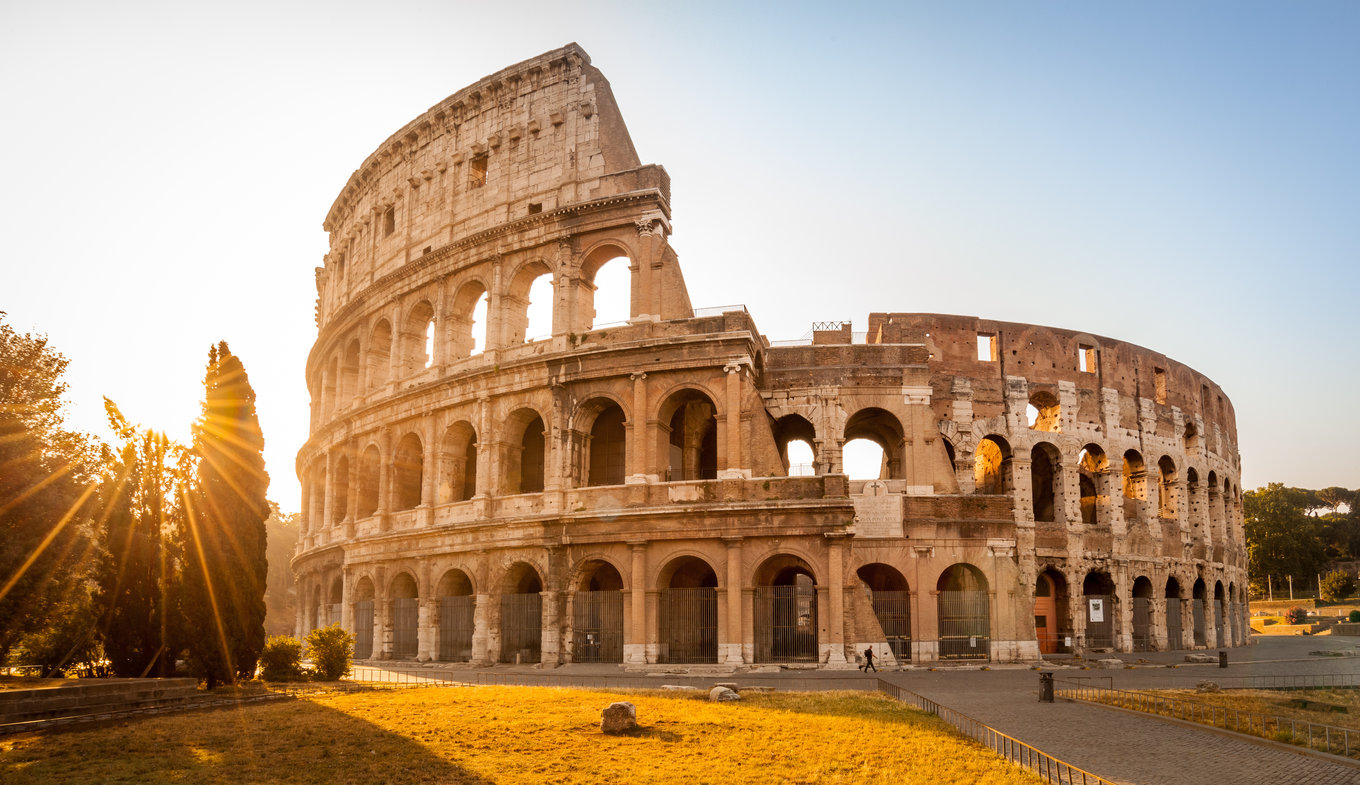
Everything You Need to Know about The Colosseum
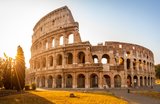
The Colosseum is an enormous amphitheatre in central Rome, Italy, built nearly 2,000 years ago by three emperors of the Flavian dynasty as a venue for gladiator games, spectacles, and public events. It seated tens of thousands and showcased the engineering and power of ancient Rome.
As Rome's most iconic monument and a staple of Roman amphitheatre design, it’s a must for ancient Rome and Rome sightseeing. For the shortest lines, use the group/tour entrances (not the main gate), and visit right at opening or after 4 PM when crowds dip, a pattern echoed across multiple visitor studies and official hours summaries.
History and Construction of the Colosseum
The Colosseum’s construction began under Emperor Vespasian, was inaugurated by Titus with 100 days of games, and was completed by Domitian with upper tiers and refinements. The structure stands roughly 189 × 156 meters (620 × 513 ft) and originally held about 50,000 spectators, according to Encyclopaedia Britannica’s overview of the monument and its dimensions.
Key materials—travertine, tufa, and Roman concrete—underpinned its strength and speed of construction, as outlined in Britannica’s guide to how the Colosseum was built.
Construction timeline
• c. 70–72 CE: Vespasian orders construction of the Flavian Amphitheatre [Britannica: Colosseum].
• 80 CE: Titus dedicates the arena with 100 days of games [Britannica: Colosseum].
• 82 CE: Domitian completes upper tiers and service areas [Britannica: Colosseum].
Architecture and Engineering Highlights
The exterior showcases three stacked arcades framed by Doric, Ionic, and Corinthian orders, capped by an attic storey—an elegant façade tied to a robust, load-bearing travertine skeleton and webs of Roman concrete vaults that allowed unprecedented scale and crowd flow.
The Colosseum employed an intricate radial circulation system with dozens of arches and corridors so spectators could reach seats quickly and safely. Vomitoria were large passageways and stairwells integrated into the Colosseum’s tiered seating that enabled tens of thousands of spectators to enter and exit in minutes.
By dispersing crowds through many exits, they minimized bottlenecks and greatly improved safety and evacuation in emergencies.
Other standout features included a velarium, or retractable awning operated by naval crews to provide shade, and iron clamps that tied stone blocks together—details often compared to modern stadium canopies and exits for their efficiency.
The Hypogeum and Ancient Stagecraft
Beneath the arena floor lay the hypogeum, a two-level maze of corridors, cages, and cells used to stage surprise appearances of gladiators and wild animals. Engineers installed elevators, pulleys, and trapdoors—archaeological reconstructions point to as many as 32 lifting systems—allowing dramatic pop-up reveals and rapid set changes.
Early spectacles could include mock naval battles when the arena was flooded; once the hypogeum was completed under Domitian, large-scale water shows ceased.
Stagecraft highlights
• Cage elevators hoisted animals directly into the arena.
• Trapdoors enabled sudden “on-stage” reveals.
• Pulleys and winches moved scenery for fast resets.
• Corridors separated performers, beasts, and staff for safety and surprise.
Social and Political Role of the Colosseum
The seating map mirrored Roman society’s hierarchy: senators closest to the action, followed by equestrians, ordinary citizens, women, and the poorest in the highest tiers—an arrangement that projected order as much as it provided entertainment. The cavea, the stepped seating area, was carefully subdivided to enforce status distinctions.
Spectacles served imperial aims: gifts to the populace, displays of wealth and control, and rituals of cohesion. Ancient sources and modern histories note staggering opening costs—Roman leaders reportedly showcased 5,000 animals in the inaugural games—and that many gladiators were slaves or prisoners of war.
Visiting the Colosseum: Planning Your Trip
You must secure tickets in advance; peak seasons sell out and all entries are timed. The essential highlights include the arena bowl, first and second tiers (panoramic views), and, with special access, the hypogeum (underground).
For a smoother Rome travel day, you can buy your tickets on Klook which comes with flexible rescheduling on select options, and live support—ideal for last-minute changes. Explore popular options like Klook’s Colosseum, Roman Forum & Palatine Hill ticket and curated Colosseum tours that bundle expert guides and special-access routes.
Colosseum Opening Hours and Best Times to Visit
The Colosseum generally opens at 9:00 AM, with closing tied to sunset; last entry is about one hour before closing. Seasonal schedules vary, and the monument is typically closed on Jan 1, May 1, and Dec 25, per Rome’s consolidated hours guidance [Rome.info: Colosseum opening hours]. The best time to visit the Colosseum is right at opening or after 4 PM to avoid peak crowds.
When to go: quick planning guide
• Early morning (9:00–10:00): Quietest; cooler temperatures; best for photos.
• Late afternoon (after 16:00): Crowds thin; warm golden light; less heat stress.
• Midday (10:30–15:30): Busiest; longer waits; hottest part of day.
How to Buy Tickets and Skip the Line
Ticket types range from standard entry (Colosseum + Roman Forum + Palatine Hill) to combo passes and guided tours with arena floor or hypogeum access. “Skip-the-line” means timed, priority entry via dedicated queues; today, timed-entry reservations are standard for all visitors, which helps keep lines moving [Tickets-Rome: skip-the-line]. Booking via Klook streamlines the process with instant confirmation, clear what’s-included details, and timely customer support.
How to book Colosseum tickets in 3 steps
1. Choose your experience: standard entry, arena floor, hypogeum, or guided tour.
2. Select a timed slot (aim for opening or after 4 PM).
3. Complete booking on Klook and receive mobile tickets and joining instructions.
Understanding the Different Colosseum Entrances
There are separate entrances and queues depending on your ticket type:
• Main entrance (individual visitors): For standard timed-entry ticket holders.
• Group entrance (Sperone Valadier): For guided groups and school groups; often less congested.
• Arena floor entrance (Gladiator’s Gate): For tours that include arena access.
• Underground entrance: For hypogeum tours with a licensed guide.
Each entrance is signed separately; follow the directions on your ticket or tour voucher. For an illustrated breakdown of these gates and who uses them, see this practical overview of Colosseum entrances [Tickets-Rome: entrances].
Entrance comparison
• Main (Individual): Standard visitors; waits vary; no special access.
• Sperone Valadier (Group): Guided groups; typically shortest lines; group coordination required.
• Arena Floor (Gladiator’s Gate): Special-access tours; quick entry; arena views.
• Underground: Special-access tours; controlled entry; direct hypogeum access.
Which Colosseum Entrance Has the Shortest Lines?
In practice, the Sperone Valadier group entrance and the special-access arena floor entrances tend to have the shortest lines because most visitors queue at the main gate. Timed-entry policies have improved flow across all lines, but tours with dedicated access remain the quickest [Tickets-Rome: entrances]. Booking a guided tour with special access is the most reliable way to minimize waiting.
How to access the shortest Colosseum lines
• Book a guided tour with arena or hypogeum access.
• Use the entrance specified on your ticket (don’t default to the main gate).
• Pick opening slots or late afternoon times for the best odds of short queues.
Tips for Avoiding Crowds at the Colosseum
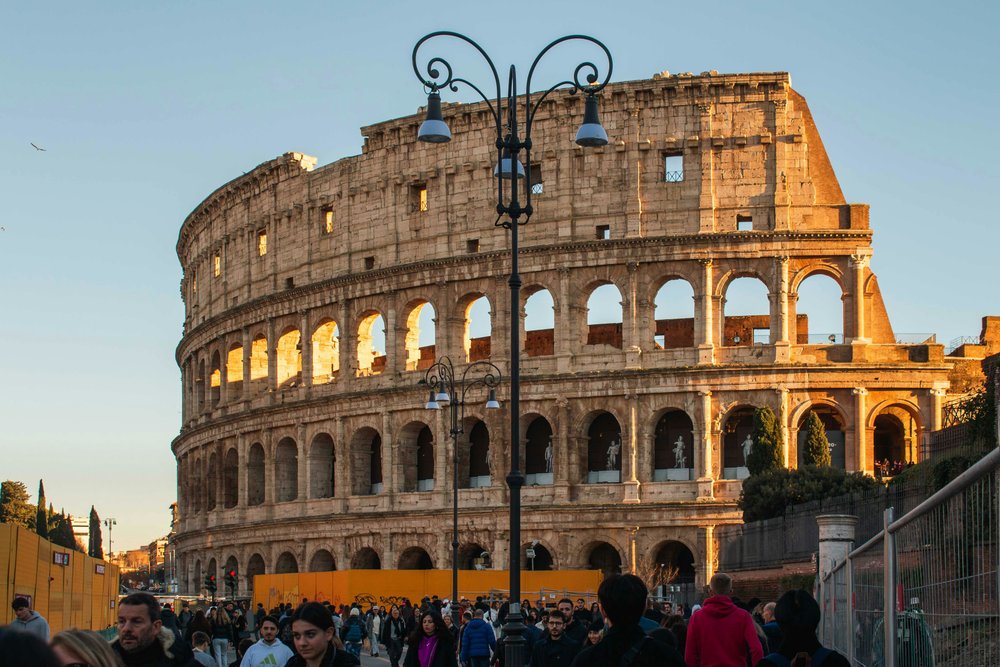
• Go at opening or after 4 PM for fewer people and better temperatures.
• Visit on weekdays; avoid weekends and public holidays.
• Buy tickets in advance and aim for off-peak months (November–March).
• Consider a guided tour with dedicated entrance to bypass main lines.
• Pair your visit with Roman Forum/Palatine Hill at a different time of day.
Top 5 crowd-busting Colosseum tips
• Arrive 20–30 minutes before your timed slot.
• Travel light to clear security quickly.
• Hydrate and plan shade breaks in summer.
• Prioritize arena/hypogeum tours for fast-track access.
• Check closures and strikes before you go.
Types of Tours and Visit Experiences
• Self-guided with audio guide: Flexible pace; covers core history and viewpoints.
• Guided group tour: Expert interpretation; efficient routing; dedicated entrances.
• Special access (arena floor): Stand on the reconstructed floor for unique angles and context.
• Special access (hypogeum): Go underground to see the machinery and corridors that powered the shows.
• Combo tours with Roman Forum/Palatine Hill: Comprehensive ancient Rome immersion in one ticket.
A hypogeum tour takes you beneath the arena to the maze of tunnels, cages, and machinery used to stage combat and animal hunts. Guided access reveals original corridors, reconstructed lifts, and trapdoors, offering a close look at ancient stagecraft unavailable on standard visits.
Accessibility and Visitor Amenities
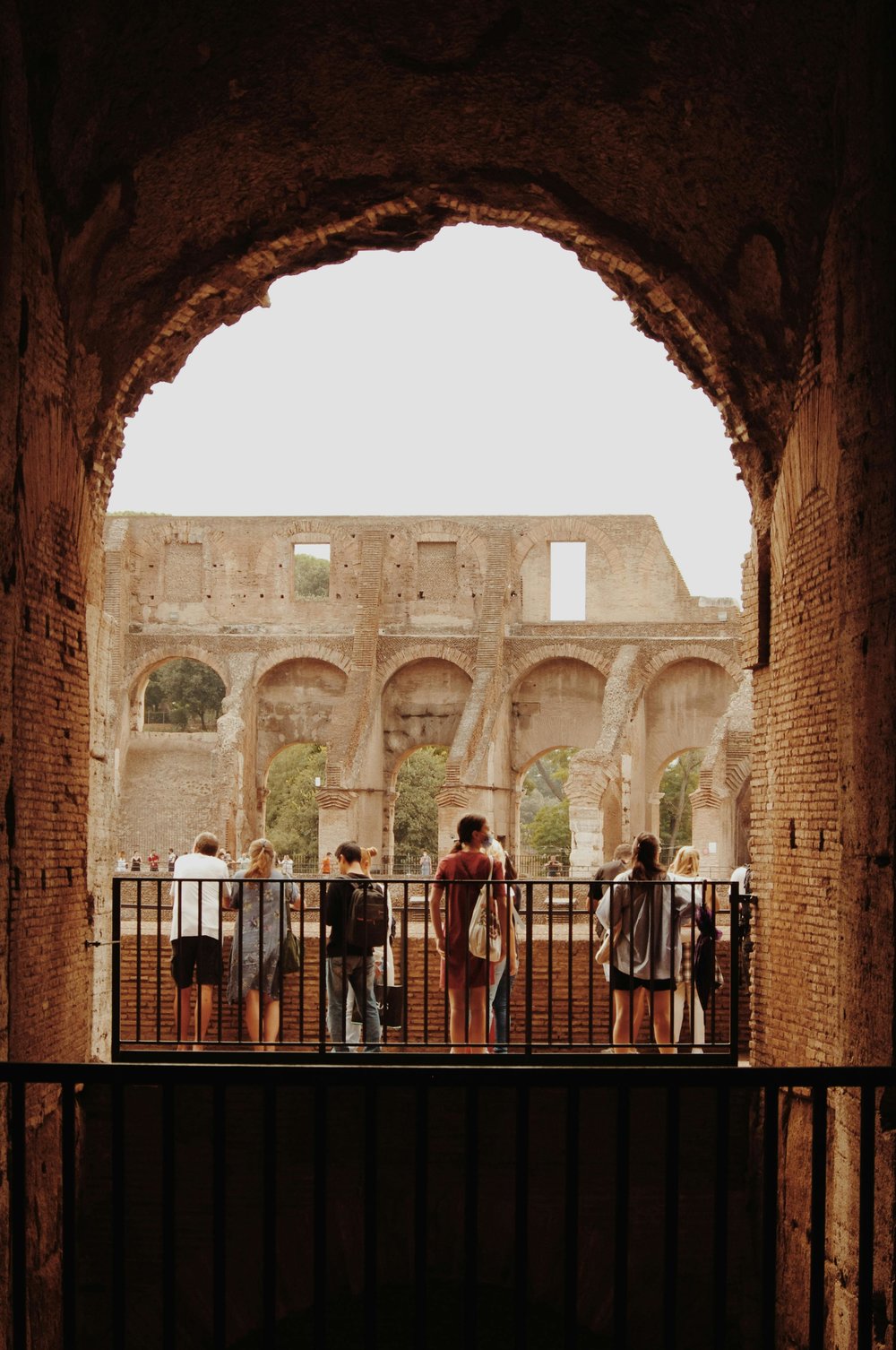
The site offers step-free routes to key areas, lifts to the upper tiers, ramps at entrances, and accessible restrooms; some sections (especially parts of the hypogeum) have limited accessibility. Families will find stroller-friendly routes, restrooms, water fountains, and shaded zones for breaks. Bring government-issued ID to validate timed tickets, and review your tour’s accessibility notes in advance [Viator: Colosseum visit guide].
Practical Visitor Tips: What to Bring and Rules to Follow
Packing list
• Valid photo ID and mobile ticket
• Reusable water bottle (fill at nearby fountains)
• Sunscreen, hat, and sunglasses
• Light layers and comfortable shoes
• Small daypack; camera/phone with power bank
Rules and reminders
• Security checks are mandatory; no large bags, tripods, or drones.
• Do not touch stonework, cross barriers, or lean on railings.
• Food is limited; plan meals around your time slot.
• Cancellation/refund terms vary by ticket; confirm before purchase [Walks Inside Rome: planning tips].
Colosseum Visitor Packing & Rules at a glance
• Bring: ID, water, sun protection, comfortable shoes, small bag.
• Avoid: bulky luggage, sharp objects, prohibited gear.
• Respect: barriers, signage, staff directions.
• Check: your ticket’s change/cancellation policy before finalizing.
Frequently Asked Questions
What is included with a standard Colosseum ticket?
A standard ticket includes the Colosseum’s first and second tiers plus entry to the Roman Forum and Palatine Hill; it excludes arena floor and underground areas.
Do I need to book tickets in advance?
Yes. All entries are timed and popular slots sell out, especially in peak season—reserve early for your preferred time.
What are the best times of day to visit the Colosseum?
Visit at opening or after 4 PM for lighter crowds and better comfort; midday is the busiest and hottest period.
Is a guided tour worth it for visitors?
Generally yes. You gain expert context and, with arena or hypogeum access, faster dedicated entry and more exclusive vantage points.
Can I visit the Roman Forum and Palatine Hill with the Colosseum ticket?
Yes. Standard tickets include both sites, letting you see three major landmarks on one pass.
What is Klook?
Klook is a leading pan-regional experiences platform in Asia Pacific, purpose built to digitalize experiences and make them accessible to every traveler.
Our mission is to build the digital infrastructure for the global experience economy — empowering merchants to share their passions and travelers to discover the heartbeat of each destination. We operate a mobile-first, curated platform featuring diverse experiences across global destinations.
✨ Follow us for more deals and inspiration for your upcoming travels