61 resultat hittades
Klook rekommenderar
Sortera efter:
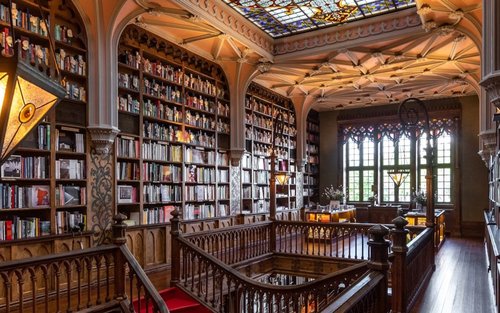
Livraria Lello-biljett i Porto
(26) • 800+ bokad
US$ 33.65
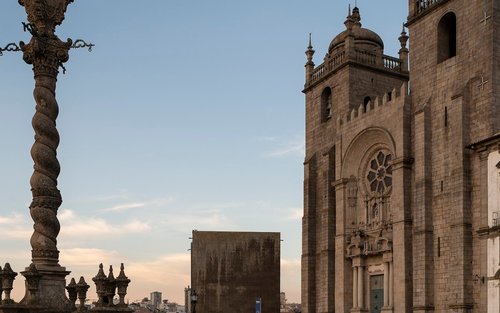
Inträde till katedralen i Porto
(41) • 20K+ bokad
US$ 4.49
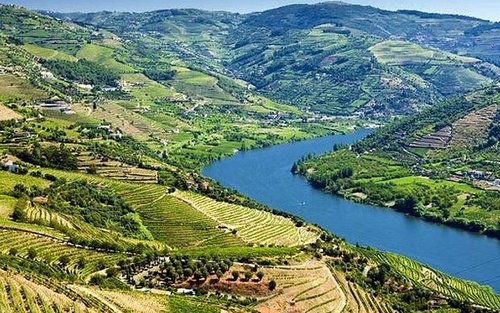
Porto: Vinresa i Dourodalen med lunchprovningar och flodkryssning
(128) • 3K+ bokad
Från
US$ 111.25
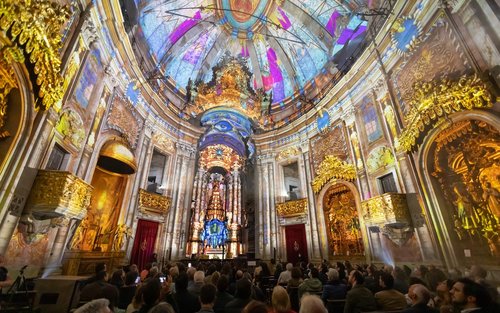
Inträde till Spiritus ljusshow i Clerigos-kyrkan i Porto
(75) • 10K+ bokad
US$ 13.49

Caves Calem-tur med vinprovning i Porto
(14) • 1K+ bokad
Från
US$ 27.19
Porto brokryssning
(12) • 400+ bokad
Från
US$ 23.25
Biljett till Clérigos-tornet i Porto
(12) • 4K+ bokad
US$ 11.25
Taylor's Port Cellars Biljett och provsmakning i Porto
(2) • 400+ bokad
US$ 28.09
Vinprovningstur med portvin och Douro-viner
(14) • 300+ bokad
US$ 63.35
Sightseeing-segling på Dourofloden i Porto
(4) • 100+ bokad
Från
US$ 55.65
US$ 28.09
Sex broars kryssning från Gaia eller Ribeira
(31) • 1K+ bokad
Från
US$ 20.39
Vad folk säger om de bästa upplevelserna
Klook会員
2026-07-24 18:03:51
En populär bokhandel som kräver bokning. Den är välskött och det var väldigt smidigt att komma in. Det sägs vara inspirationen till Harry Potters värld, och utsikten var verkligen fantastisk, jag kunde inte låta bli att beundra den.
Paris ****
2026-06-25 10:45:21
Vi njöt av turen med en mängd olika vinprovningar. Reseledaren, Thomas, förklarade Portos historia samt Portos ekonomi och industri. Det var insiktsfullt. Dessutom körde chauffören Carlos mycket försiktigt och gjorde den långa resan bekväm. Maten var god, och det enda jag skulle vilja nämna är kaffets kvalitet. Jag drack inte kaffet efter att ha smakat lite på det och märkte att andra deltagare inte heller drack upp sitt kaffe. Sammantaget en bra upplevelse och värd att delta i.
클룩 고객
2026-08-29 07:33:49
Det var den första katedralen jag såg i Portugal och jag älskade den verkligen!! Det regnade på morgonen så det var lite mulet i början och utsikten blev inte lika bra, men efter ett tag sprack det upp och blev friskt, så utsikten från utsiktstornet var verkligen fantastisk ㅎㅎ Kyrkklockorna lät mäktiga och eftersom vi gick in vid 10.30-tiden i slutet av augusti var det lagom mycket folk, vilket var jätteskönt :) Som en liten norering ligger katedralen ganska högt upp, så jag rekommenderar att ta spårvagn eller buss upp till São Bento-stationen och gå därifrån ㅎㅎ
pang *****
2026-09-04 12:57:06
billigare än att skaffa den på plats med rabattkod. Det är ett annorlunda sätt att tillbringa tid i en kyrka. Jag skulle rekommendera folk att gå dit
Mario ******
2026-09-06 20:41:55
Mycket intressant rundtur och en enastående vinprovning. Mycket intressant information i museet. Ett måste för vinälskare.
Chin *****
2026-08-03 08:11:20
En fantastisk sightseeingtur, utsikten är vacker, ett evenemang i Porto som inte får missas.
Klook User
2026-05-18 15:44:55
Älskade den här turen, den var informativ och Ricardo var en fantastisk värd, liksom damerna på platserna. Skulle rekommendera den här.
Lee **************
2026-05-21 18:53:30
En fantastisk upplevelse i Taylors vinkällare för att lära sig om deras historia av portvin.
Klook User
2026-09-23 10:24:12
It was really a cool experience. I don't know if it was clearly communicated. The church is free to enter. You only need ticket for the museums/exibitions and the tower. The collection for musuems and exibitions is pretty extensive, I'd suggest to give it at least 1 hour (they close at 6pm during my time of visit). The stairs to the top is not as bad as I expected. Amazing view from the top! You can see the Cathedral and the Douro river and so many other landmarks!