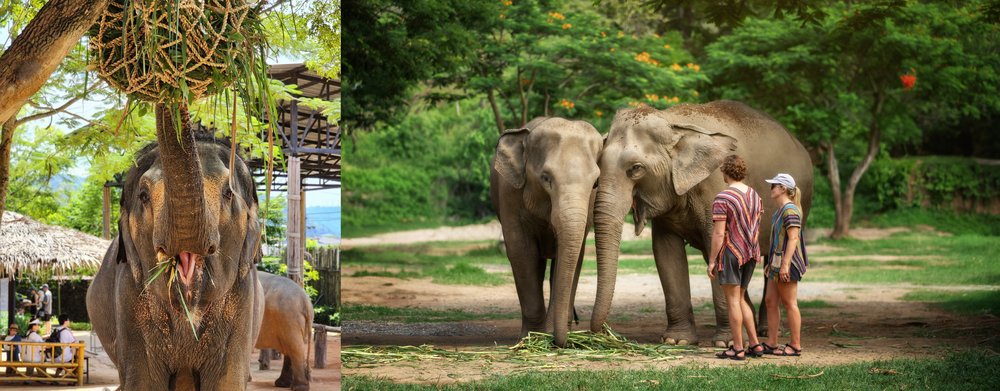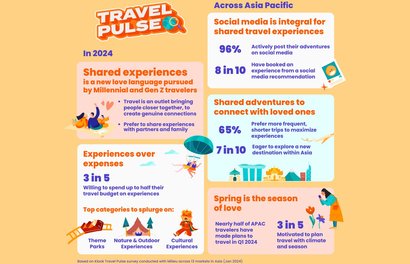

Vice-President of Elephant Jungle Sanctuary, Naipapon Hattakarn (also known as Tanny), chats about how their family-run business is championing elephant tourism through education and responsible growth.
A family’s passion for animal welfare
Elephant Jungle Sanctuary was founded in 2014 by Ponwarin Chaibenjapong, fondly referred to as Mama Noi, with a simple yet profound mission: to provide a safe and sustainable environment for retired and rescued elephants. Starting out with just three elephants in Chiang Mai, Elephant Jungle Sanctuary has expanded to four locations across Thailand, including Phuket, Pattaya, and Koh Samui, with over 100 elephants under its care.
And it’s more than just providing a sanctuary for elephants; it’s about redefining the entire experience of elephant tourism. "We focus on promoting the ethical experience for visitors, while ensuring that visitors also get to know that full Thai cultural experience,” says Tanny. "We're not just a tourist attraction, but a place where people can learn about elephant welfare and conservation."
Education at the heart of fostering sustainable tourism
Beyond serving as its name, Elephant Jungle Sanctuary is also known as EJS, and stands for its values. "Our motto is a part of our name. ‘E’ is for ethical, ‘J’ is for joy, and ‘S’ represents satisfaction and sustainability. This reflects our commitment to offering ethical activities that are both fun and satisfying while also promoting sustainability,” adds Tanny.
One of the cornerstones of Elephant Jungle Sanctuary’s mission is education. Visitors at the sanctuary learn about elephant behavior, and conservation efforts, and leave with a deeper understanding of the challenges and rewards of caring for elephants. "We want these experiences to be a lifetime memory for our guests, even after they leave," Tanny says.
What goes on beyond the guest experience? Elephant Jungle Sanctuary invests heavily in educating their staff, particularly the elephant caretakers (mahouts) to find a common ground between traditional practices and scientific methods.
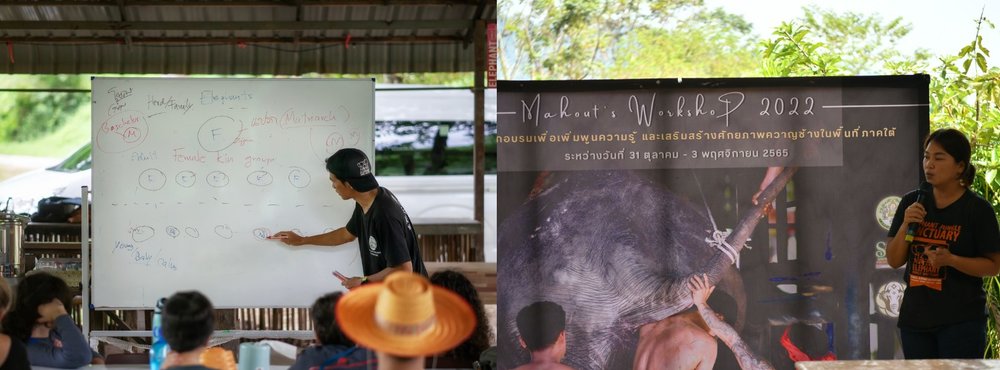
Education for not just the visitors but also their staff (Image: Elephant Jungle Sanctuary)
Tanny explains, "We organize classes for mahouts to learn from veterinarians, who provide training on daily care. This knowledge bridges the gap between traditional practices and scientific methods, fostering a balanced approach to elephant well-being. And we want to make sure that all our staff are on the same page when it comes to our mission and values.”
A pathway to growth alongside with partners
A key component of Elephant Jungle Sanctuary’s success has been its collaboration with partners and travel platforms like Klook. Starting with basic tour listings and evolving into a deeper partnership focused on marketing and education, Klook has provided a platform for Elephant Jungle Sanctuary to reach a global audience and educate travelers about responsible elephant experiences.
With a shared commitment towards sustainable travel experiences, Elephant Jungle Sanctuary has also found synergy with Klook’s approach to animal welfare. "From research and working together, rather than just removing all the animal experiences from Klook’s platform, we are really impressed," adds Tanny.
Obtaining ACES Gold Certification: A benchmark in elephant welfare
Elephant Jungle Sanctuary's dedication to ethical practices is validated by their ACES (Asian Captive Elephant Standard) gold certification. As the only elephant sanctuary in Thailand to receive this recognition (as of October 2024), this reflects the sanctuary’s commitment to maintaining the highest level of welfare for their elephants.
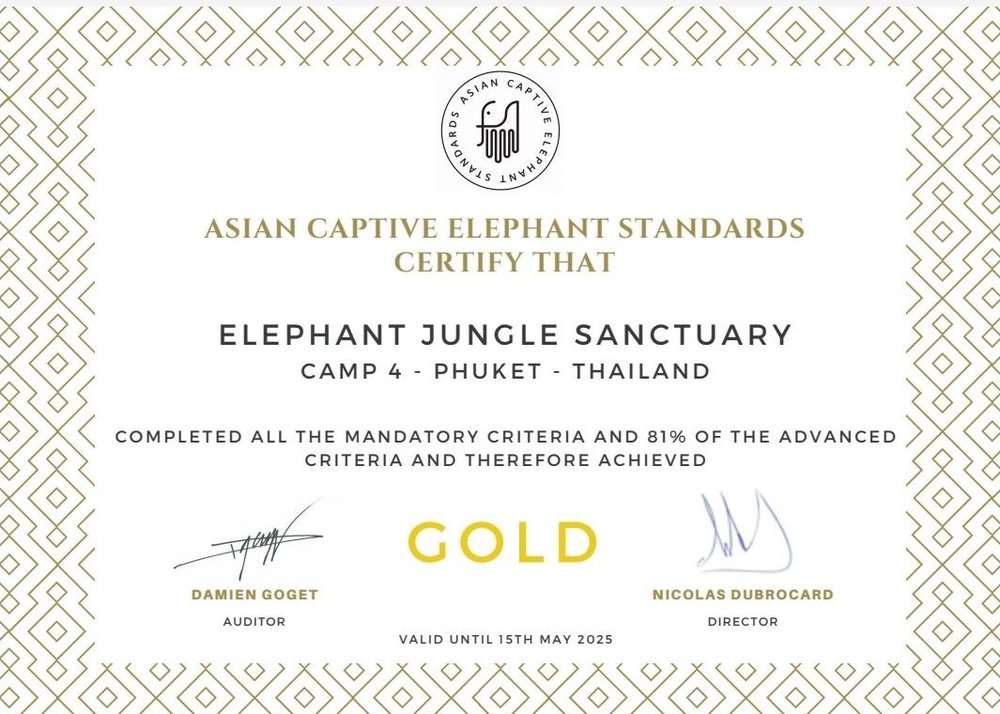
Second gold certification received for Elephant Jungle Sanctuary's Phuket location (Image: Elephant Jungle Sanctuary)
Achieving this certification is no easy feat. The process involves rigorous audits, not only of the elephants' welfare but also the sanctuary’s infrastructure, staff training, and community involvement.
"It’s not just about doing good for the elephants, but also about managing the camp in a way that benefits the community and the environment," Tanny explains."This certification is really important, it enhances creditability and build trust among visitors, and validates us for partners like Klook, to let them know that they're supporting the right organization."
The big dream: expanding the vision beyond sanctuaries
Elephant Jungle Sanctuary has big dreams for the future, including establishing the first elephant clinic in Phuket and expanding its education center to all its locations. This includes collaboration with the Lampang Elephant Hospital to train caretakers and elevate industry standards across Thailand. "We want to help more elephants, even those in camps that may be seen as our competitors," Tanny shares.
Additionally, plans are underway to establish educational centers at each location, further deepening visitor understanding of elephant welfare. These centers are already operational in Chiang Mai, with expansions planned for Phuket, Pattaya, and Samui by 2025.
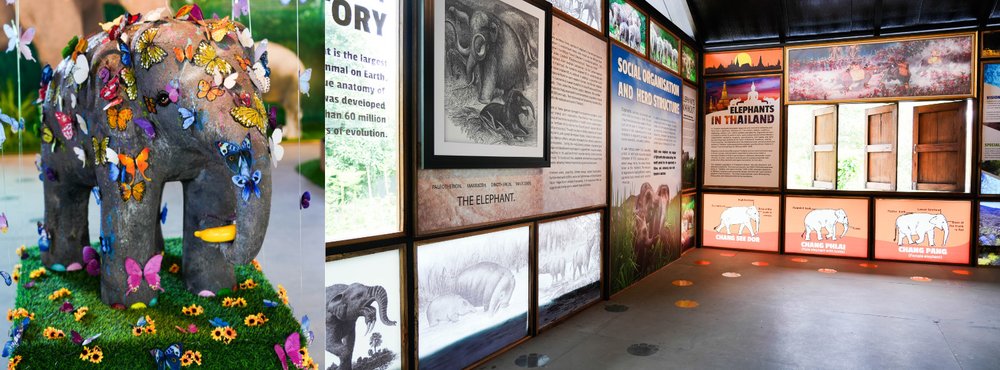
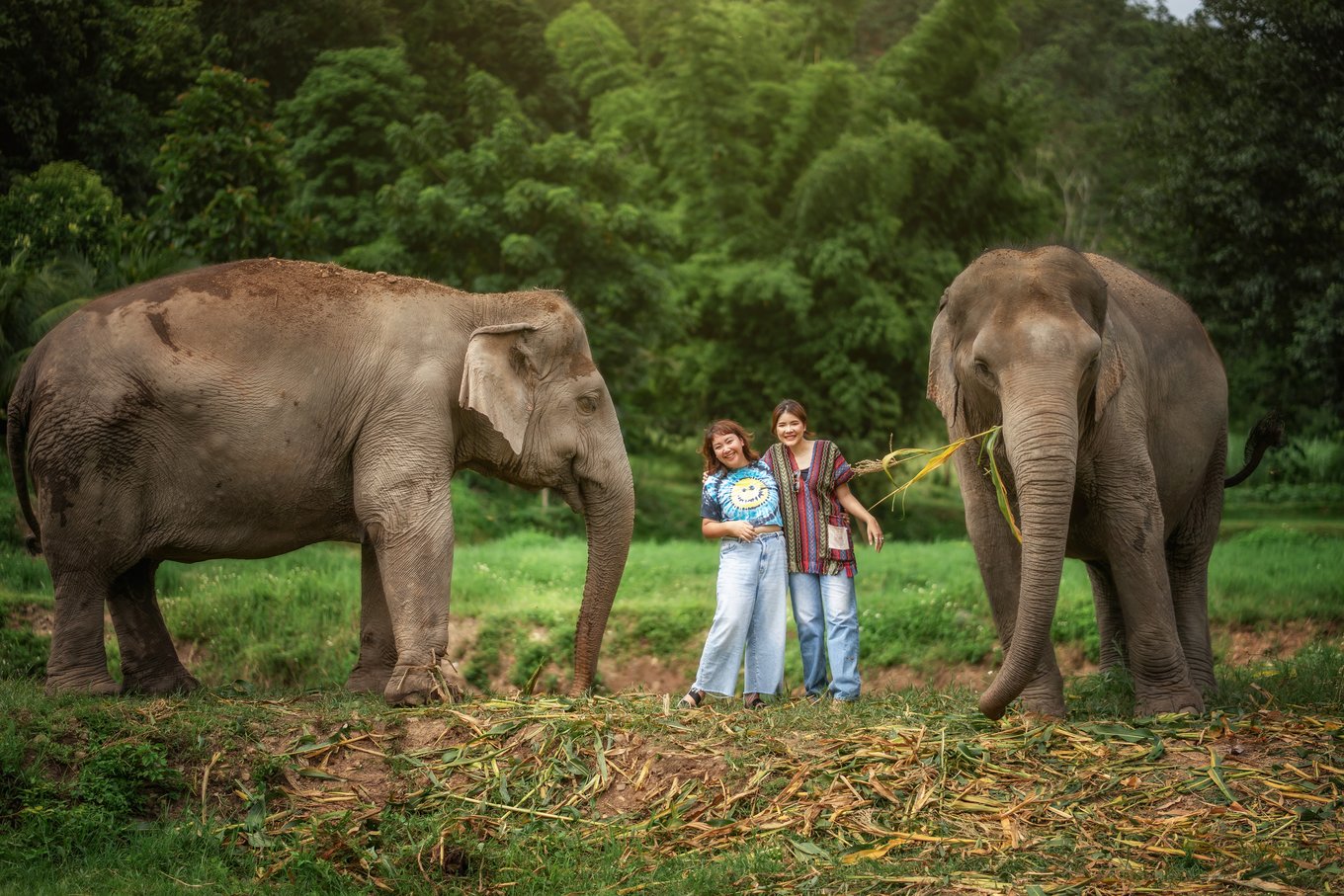
Designing experiences to reach wider audience and raise awareness about ethical tourism practices (Image: Elephant Jungle Sanctuary)
In terms of sustainability, Elephant Jungle Sanctuary has undertaken several projects. They support the local community by sourcing food for the elephants from nearby farmers and employing locals within the sanctuary. Also championing the use of clean energy, Elephant Jungle Sanctuary is using solar panels powering daily operations in their Phuket location, and exploring reforestation initiatives and cloud seeding to support ecosystems.
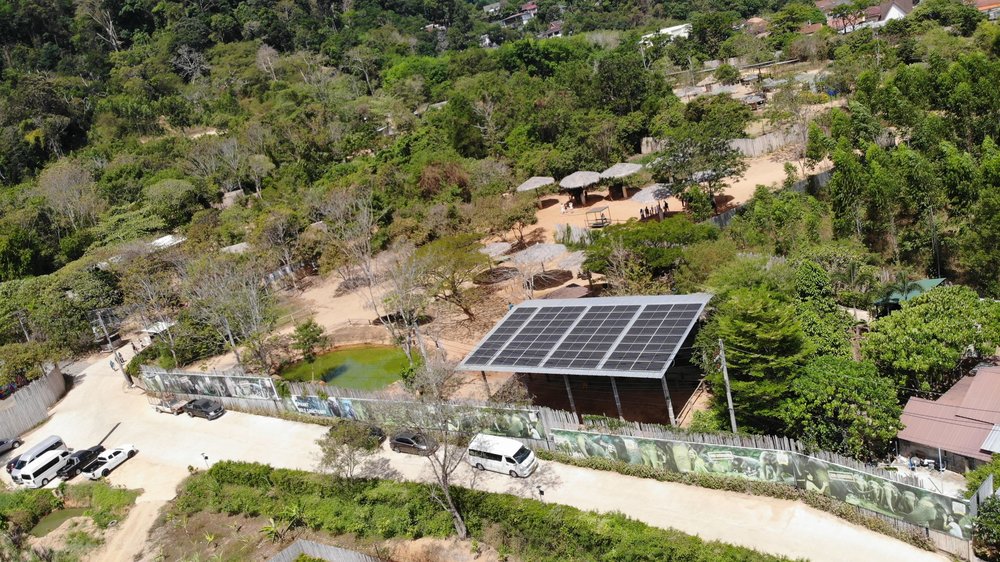
Moving towards sustainable practices such as clean energy, zero single-use plastic policy (Image: Elephant Jungle Sanctuary)
Forging a brighter future for elephants in Thailand
Using tourism as a force for good, Elephant Jungle Sanctuary aims to become a global leader in sustainable tourism. "Together with Klook, I'm sure we can make a difference and ensure a better future for the elephants and the community that supports them,” says Tanny. By prioritizing animal welfare, environmental sustainability, and community empowerment, they are setting a new standard for what ethical tourism can look like by spreading the message of sustainability and animal welfare to travelers worldwide.