
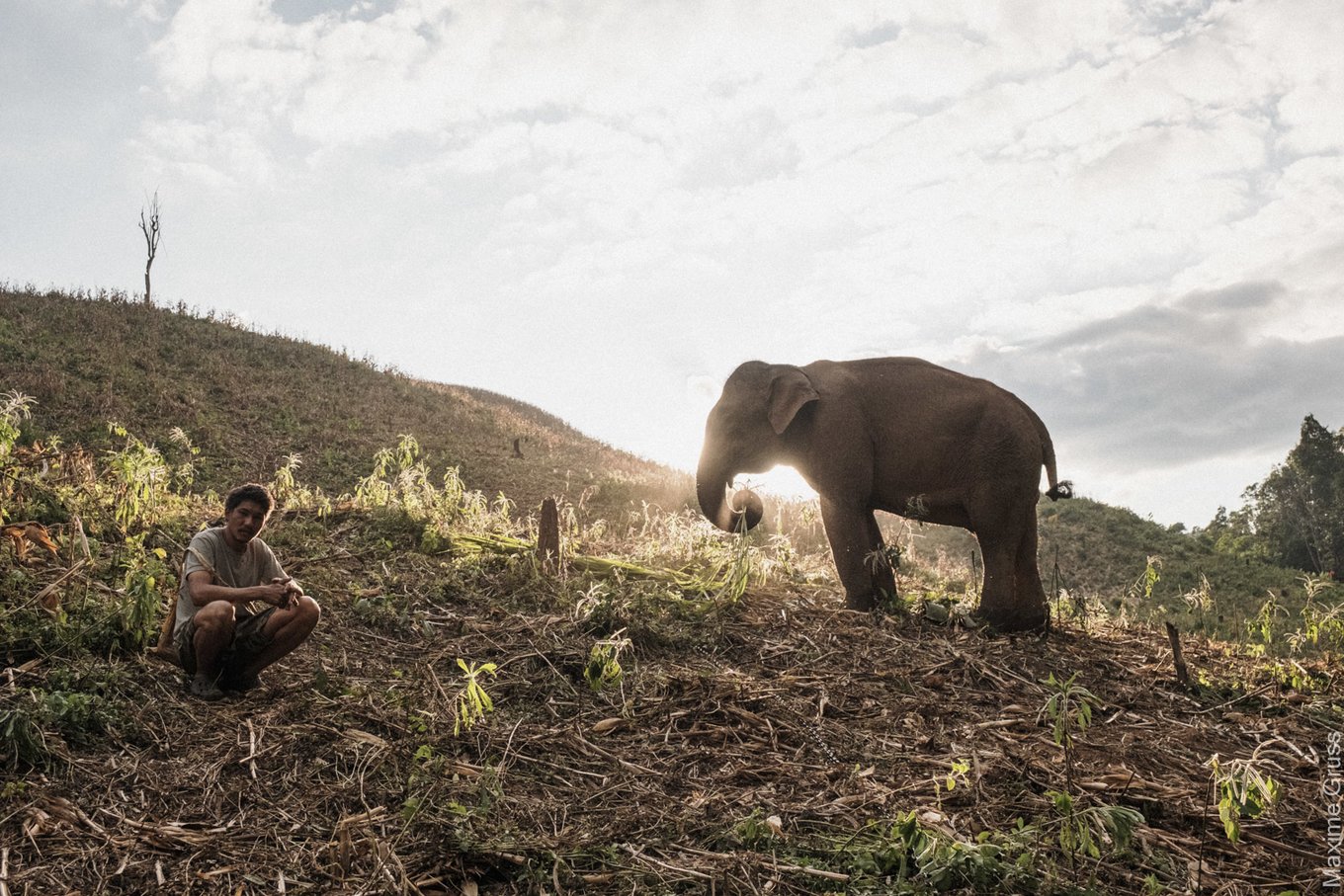
Gladee, known as Khun Dee, is the founder of the Elephant Dream Project and a lifelong resident of Mae Satop, a Karen village in Northern Thailand where elephants have been woven into the fabric of daily life for centuries. This deep-rooted connection, passed down for generations, has guided Dee's life and his mission.
Watch the Video: A Look at Elephant Dream Project
Elephant Dream Project founder Khun Dee shares how the partnership is helping protect elephants, uplift local communities, and turn big dreams into reality.
All about protecting the elephants
As the village grew and modernization took hold, Dee was faced with a heartbreaking dilemma. The forest areas that once provided abundant food for the elephants began to shrink. He knew that without intervention, the elephants could face hunger or be sent away. Spurred to action, Dee launched the Elephant Dream Project in 2021, creating a sanctuary to preserve his family's heritage and ensure a stable future for his elephants.
"From the moment I was born, elephants have been family," Dee says, whose own father was a mahout (elephant care takers) who taught him the ropes. "Back then, villagers depended on elephants for farming and transport. We didn't have machines, only elephants."
He began with three elephants under his wing, and placing other elephants from the community at sanctuaries around Thailand. What’s been a family's dedication has grown into a full-time effort, now employing eight local villagers as mahouts, caretakers, and drivers.
A partnership that changed the game
Built by generations of inherited knowledge in elephant care, Dee’s vision for Elephant Dream Project was clear: to create a haven where elephants could live happily and healthily naturally, while supporting the local community. Mahouts could stay close to their families, and visitors could learn about the true nature of these animals.
Dee's ultimate goal was to acquire land to bring all the village's elephants back home. But in the early days, limited funding and resources made this dream feel distant. He relied on word-of-mouth and local partnerships to attract visitors, but the struggle to secure enough funds for food and salaries was constant.
The turning point came when Dee noticed other camps on Klook and recognized the potential of an online platform to connect with a global audience. The partnership proved to be a game-changer and helped unlock a surge in bookings within a year, diversifying its visitors audience from primarily Thai tourists to include international travelers.
"Before we worked with Klook, we had to struggle finding food for the elephants by ourselves," Dee says. "But after Klook came in, sending customers to us, it made our team and the elephants very happy."
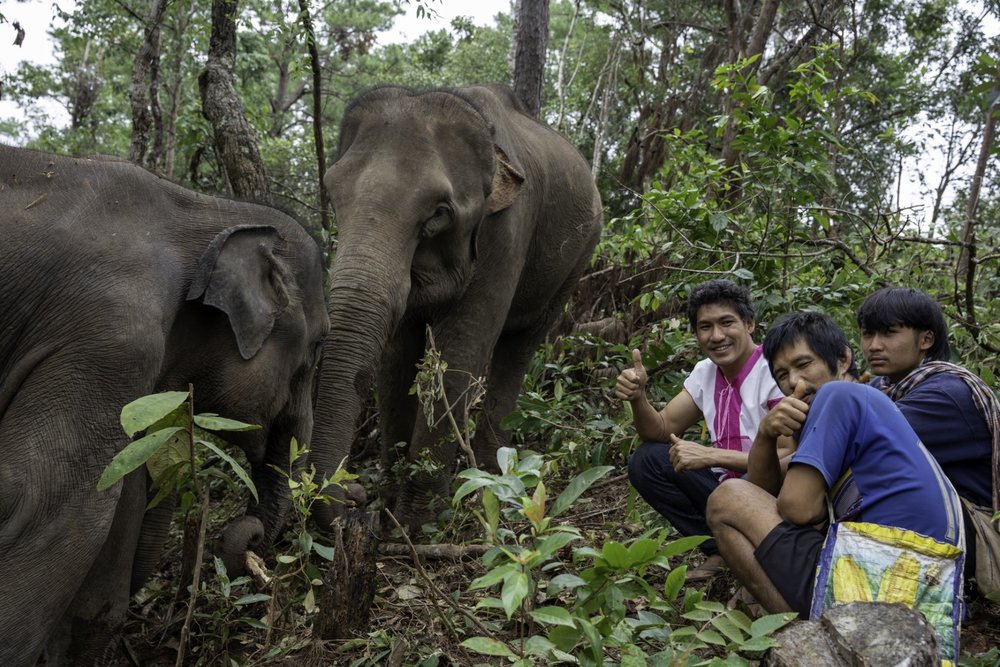
Image credit: Elephant Dream Project
Raising the bar for welfare and trust
And the partnership went far beyond bookings. Klook connected the Elephant Dream Project with ACES (Animal Care and Environmental Standards), funding a professional audit that became a turning point for the sanctuary’s management.
While Dee had always relied on natural and traditional approaches, the assessment revealed crucial safety factors he hadn't considered. "There were many things we were unaware of that needed improvement, such as double-fencing to prevent elephants from getting too close to tourists," he says.
These measures, along with guidance on maintaining a safe distance during walks and feedings, proper waste disposal, and diligent medical record-keeping for the elephants, proved invaluable. “The audit has significantly improved welfare standards and established Elephant Dream Project’s trustworthiness by demonstrating the high quality of our sanctuary,” says Dee. “The auditors provided valuable advice which has significantly enhanced customer trust.”
The biggest dream: A sanctuary to call their own
Looking ahead, Dee's vision remains the same: to bring back all the elephants from camps across Thailand and live on land they own, with enough food and freedom.
Elephant Dream Project has made significant upgrades, from better washrooms to improved vehicles, but land ownership remains the biggest hurdle. Every visitor who comes to the Elephant Dream Project contributes directly to this goal. Dee hopes that with continued support, they can eventually purchase permanent land to expand the sanctuary and reunite the 20-30 elephants currently spread out across Thailand with their families.
"If more people become aware of this project, we won’t have to worry about the elephants’ futures,” says Dee. “I want the Elephant Dream Project to help secure the future of our elephants. The ultimate goal would be to return the elephants to a better environment.”
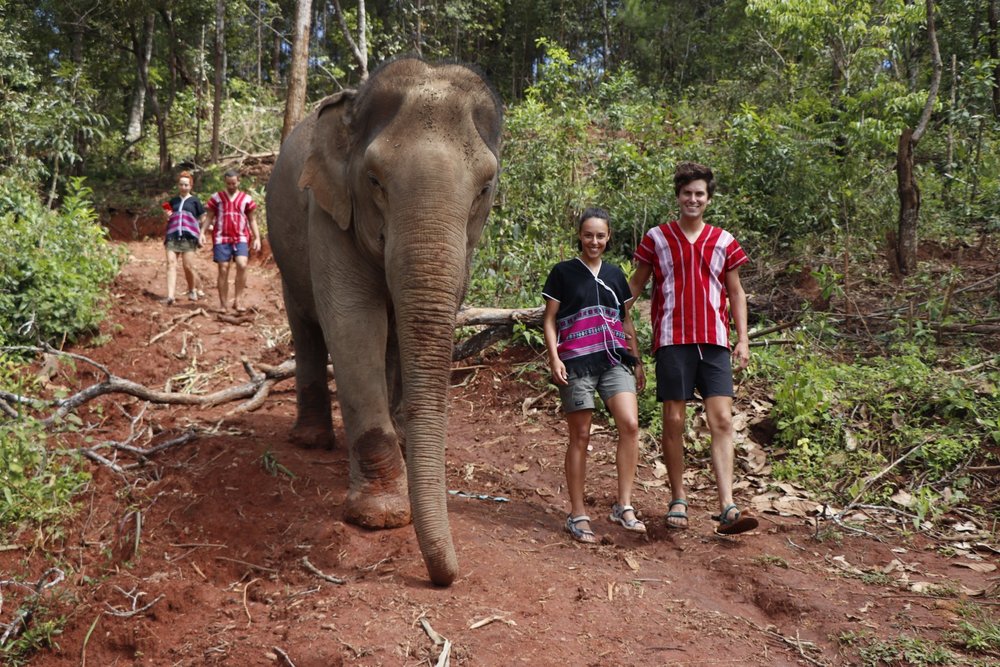
Image credit: Elephant Dream Project
And the Elephant Dream Project is all part of a bigger ecosystem of responsible tourism, with heart and passion at its core.
“Responsible tourism has provided multiple benefits, including stable income, sufficient food for our elephants, and improved access to education for our children,” says Dee. “I would like to thank Klook for coming in and helping share our goals to many others around the world.”