Open year-round from 08:00-17:00;


8
Auto-translated for easier reading.Show original
Show content in original language
Jingdezhen Ancient Kiln Folk Customs Expo Area
Save to wishlist

Opening hours

Changjiang District
Packages
14 Oct
15 Oct
16 Oct
All
Jingdezhen Ancient Kiln Folk Customs Expo Area Adult Ticket
Admission to: Ancient Kiln Folk Custom Expo Area Ticket
 Valid on the selected date
 Conditional cancellation
 48-hour confirmation
 Package details
₹ 1,226
Jingdezhen Ancient Kiln Folk Customs Expo Area Adult Ticket
Refresh to make things right again

48-hour confirmation
See less

Valid on the selected date
The voucher is valid only on the specified date (and time if applicable)
See less

Conditional cancellation
100% refunds will be issued for cancellations made at least 2 day(s) before the selected activity date. Contact Klook customer service for any refunds
0% refunds will be issued for cancellations made at least 1 day(s) before the selected activity date. Contact Klook customer service for any refunds
See less
About this package
What's included


See less
Not included

See less
Things to note
Amendment Policy
- To reschedule, please cancel your booking and re-book.
Eligibility
- Individuals 140cm (excluding) and above. Applies to individuals not eligible for preferential policies.
How to use
Usage validity
- The voucher is valid only on the specified date (and time if applicable)
How to redeem
- Use directly with "ID card or electronic voucher" verification
- Address for use: Ticket gate of Guyao Folk Customs Expo Area
- Usage time: 08:00~16:30
Address
- Jingdezhen Ancient Kiln Folk Customs Exposition Area
- No. 1 Guyao Road, Cidu Avenue, Jingdezhen City
Reviews
Guide
- This place has a profound ceramic culture, showcasing ancient porcelain workshops and the world's oldest porcelain production line.
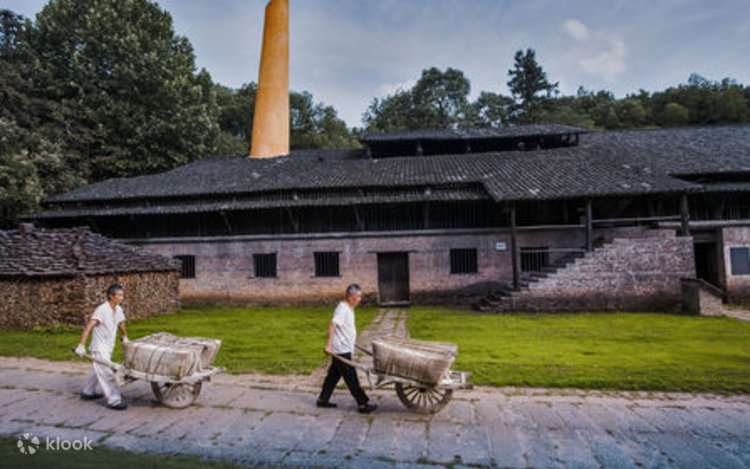
- Visitors can admire the elegance of famous kilns from past dynasties up close and feel the unique charm of the millennium porcelain capital. From the Qing Dynasty's Zhen Kiln, the Ming Dynasty's Gourd Kiln, the Yuan Dynasty's Mantou Kiln, to the Song Dynasty's Dragon Kiln, this place showcases ancient ceramic architectural and traditional famous porcelain masterpieces.
- In the Waterfront Creative Recreation Area, you can taste Jingdezhen's delicacies and purchase unique ceramic products. In addition, you will have the opportunity to try to make your own ceramic work and directly experience the art of porcelain making.
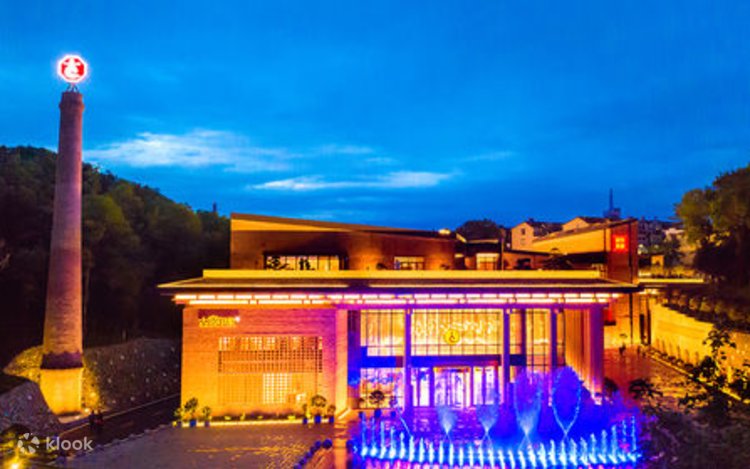
- Jingdezhen Ancient Kiln Folk Customs Exposition Area is mainly divided into two parts: the historical ancient kiln display area and the ceramic folk customs display area. Here you can see the ancient kilns from the Song Dynasty to the Qing Dynasty, reproduce the style of Jingdezhen's porcelain industry in the 15th and 16th centuries, and enjoy unique porcelain music performances. The buildings in the scenic area are mostly transformed from old houses, allowing tourists to learn about Jingdezhen's ceramic culture in an antique atmosphere.
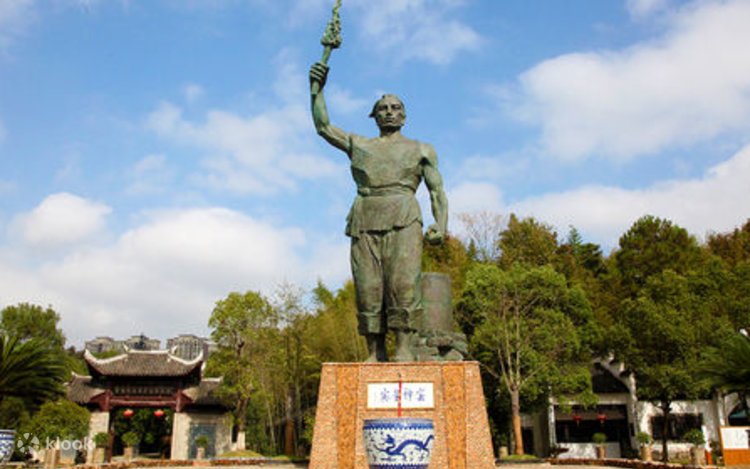
- After entering the scenic area gate, each attraction has porcelain signs indicating the direction. On the right hand side is the historical ancient kiln display area. First, you will see the Fenghuo Xianshi Temple, which enshrines Tong Bin, who sacrificed himself for burning kilns during the Wanli period of the Ming Dynasty. Later generations respected him as the kiln god. Going further in, there is a row of workshops selling exquisite ceramic handicrafts, but the prices are very expensive. Further inside is the highlight of this area - the ancient kilns of various eras. You can see the Qing Dynasty Zhen Kiln, the Ming and Qing Dynasty Imperial Kiln (Qing Kiln, Dragon Vat Kiln), the Ming Dynasty Gourd Kiln, the Yuan Dynasty Mantou Kiln, and the Song Dynasty Dragon Kiln in sequence. Spend a few yuan to drink a bowl of kiln worker's tea, chat with the kiln worker, and you can learn a lot about porcelain and ancient kiln stories. The tea can also be refilled.
- On the left hand side of the scenic area gate is the ceramic folk customs display area. The first thing you see is the Qing Dynasty architectural complex Qingyuan. Passing through the porcelain stele gallery, you will reach the Ming Dynasty architectural complex Minglu at the end. The Porcelain Music Pavilion (water stage) on the west side of the Porcelain Stele Gallery offers free porcelain music performances, and the instruments used are all made of porcelain.
- In addition, you can pay to participate in ceramic production in some workshops in the scenic area and DIY your own ceramic works.
You might also like...
₹ 1,226
Promo codes

5% off min. INR24,189.17
All you need to know
Attraction info

Opening hours
See more

Location
Changjiang District

Guidebook
- This place has a profound ceramic culture, showcasing ancient porcelain workshops and the world's oldest porcelain production line.
- Visitors can admire the elegance of famous kilns from past dynasties up close and feel the unique charm of the millennium porcelain capital. From the Qing Dynasty's Zhen Kiln, the Ming Dynasty's Gourd Kiln, the Yuan Dynasty's Mantou Kiln, to the Song Dynasty's Dragon Kiln, this place showcases ancient ceramic architectural and traditional famous porcelain masterpieces.
- In the Waterfront Creative Recreation Area, you can taste Jingdezhen's delicacies and purchase unique ceramic products. In addition, you will have the opportunity to try to make your own ceramic work and directly experience the art of porcelain making.
- Jingdezhen Ancient Kiln Folk Customs Exposition Area is mainly divided into two parts: the historical ancient kiln display area and the ceramic folk customs display area. Here you can see the ancient kilns from the Song Dynasty to the Qing Dynasty, reproduce the style of Jingdezhen's porcelain industry in the 15th and 16th centuries, and enjoy unique porcelain music performances. The buildings in the scenic area are mostly transformed from old houses, allowing tourists to learn about Jingdezhen's ceramic culture in an antique atmosphere.
- After entering the scenic area gate, each attraction has porcelain signs indicating the direction. On the right hand side is the historical ancient kiln display area. First, you will see the Fenghuo Xianshi Temple, which enshrines Tong Bin, who sacrificed himself for burning kilns during the Wanli period of the Ming Dynasty. Later generations respected him as the kiln god. Going further in, there is a row of workshops selling exquisite ceramic handicrafts, but the prices are very expensive. Further inside is the highlight of this area - the ancient kilns of various eras. You can see the Qing Dynasty Zhen Kiln, the Ming and Qing Dynasty Imperial Kiln (Qing Kiln, Dragon Vat Kiln), the Ming Dynasty Gourd Kiln, the Yuan Dynasty Mantou Kiln, and the Song Dynasty Dragon Kiln in sequence. Spend a few yuan to drink a bowl of kiln worker's tea, chat with the kiln worker, and you can learn a lot about porcelain and ancient kiln stories. The tea can also be refilled.
- On the left hand side of the scenic area gate is the ceramic folk customs display area. The first thing you see is the Qing Dynasty architectural complex Qingyuan. Passing through the porcelain stele gallery, you will reach the Ming Dynasty architectural complex Minglu at the end. The Porcelain Music Pavilion (water stage) on the west side of the Porcelain Stele Gallery offers free porcelain music performances, and the instruments used are all made of porcelain.
- In addition, you can pay to participate in ceramic production in some workshops in the scenic area and DIY your own ceramic works.