Monday-Sunday: 09:00-17:00
Reception hours: 09:00–16:30 (closing at 17:00)
Opening hours and closure dates may change. Kindly check the latest information on the official website before your visit


 Valid on the selected date
 Free cancellation before redemption
 Instant confirmation



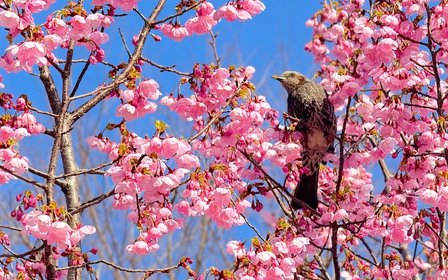
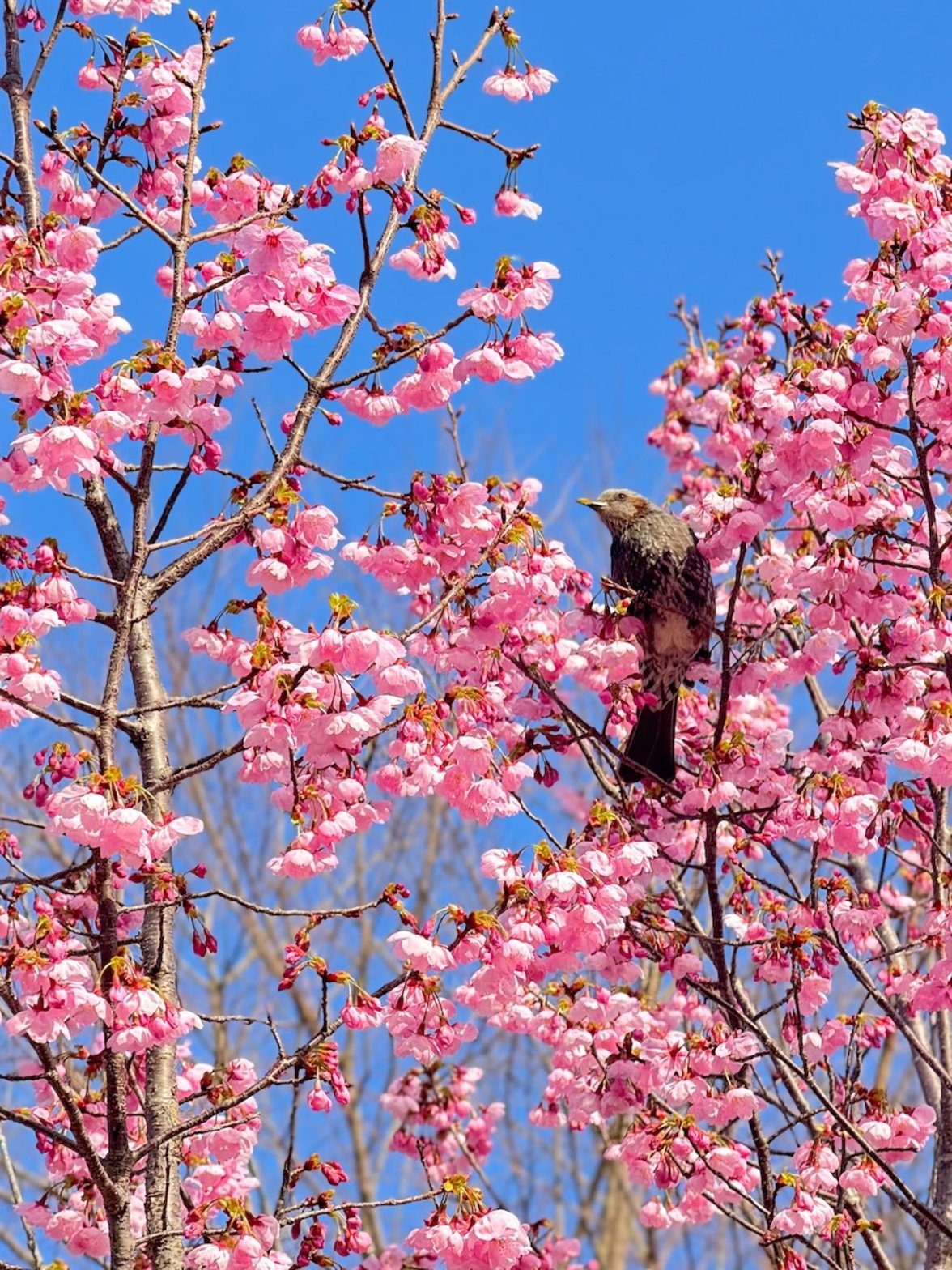
Experience a breathtaking sequence of spring colors, from the vivid pinks of Mitsuba Tsutsuji and Yoko cherry blossoms to the rare, lime-green Gyoiko petals Immerse yourself in the historic beauty of Omuro’s diverse cherry blossoms and rhododendrons, ending with the refreshing sight of vibrant green maple leaves. This exclusive spring display is only available until May 6, 2026, making it a must-see highlight for your itinerary
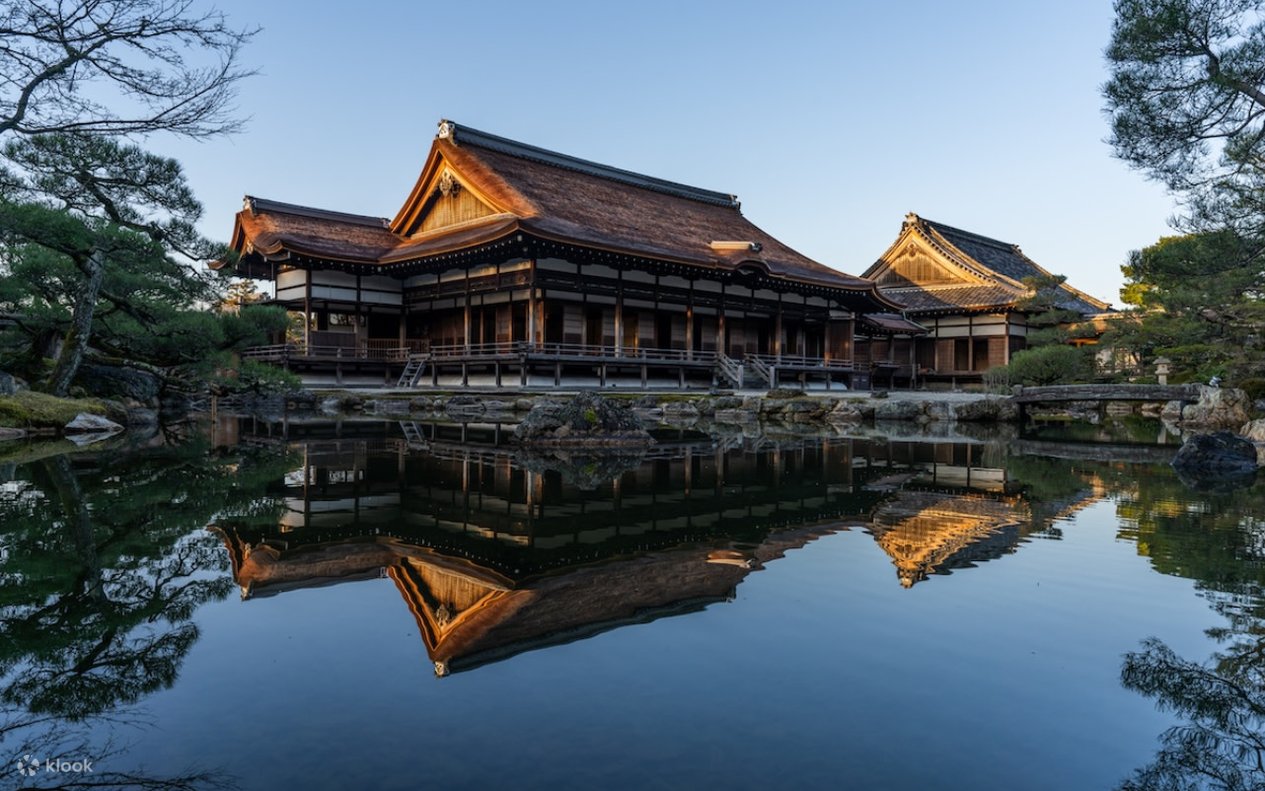
The garden, originally created during the Genroku period (1688–1704), features the “Hito-tei,” a pavilion cherished by Emperor Kokaku (the 119th emperor), designated as an Important Cultural Property. The “Ryokaku-tei,” also an Important Cultural Property, was relocated from the Ogata residence, and a traditional roji garden was developed around the area.
Although structures such as the Shinden were lost in a fire in 1887, six buildings including the Shinden and Chokushi-mon Gate were newly constructed between 1890 and 1914, based on designs by Suekichi Kameoka. Additionally, a building from Yasui Monzeki Rengekoin was relocated and renovated by Tokihide Yasuda to become the Kuroshoin (all designated as Registered Tangible Cultural Properties of Japan). During this period, the garden was also redesigned by the renowned landscape gardener Jihei Ogawa (7th generation, known as Ueji).
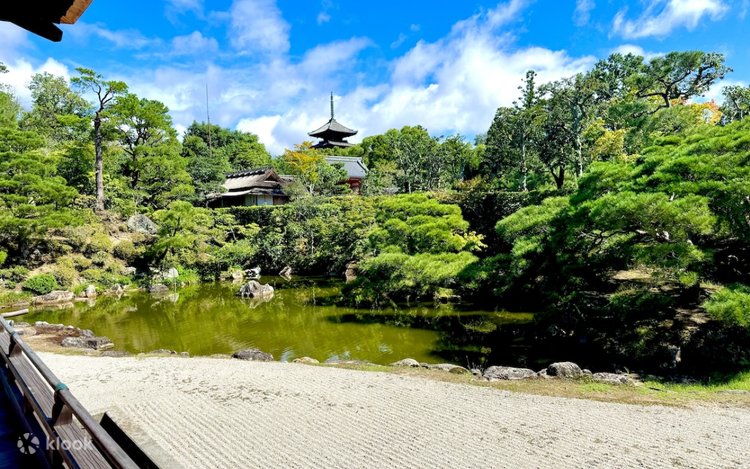
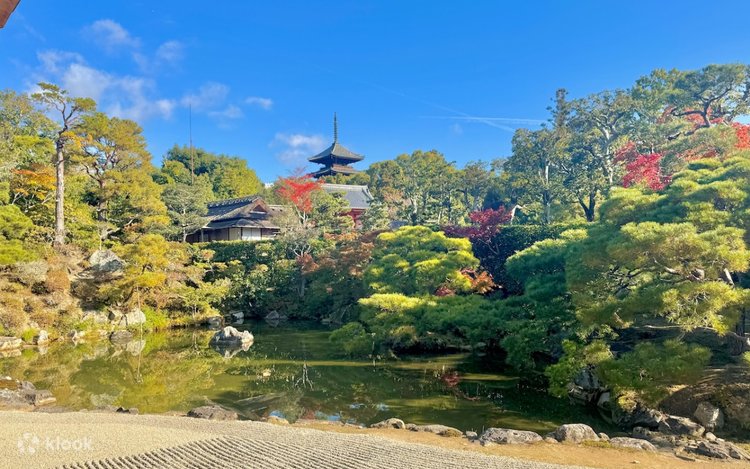
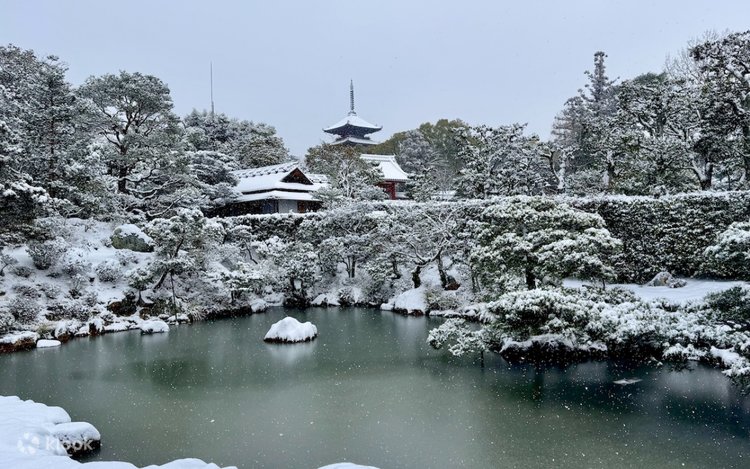
Today, the garden consists of the North Garden and the South Garden. The South Garden features elements such as cherry trees on the left and tachibana orange trees on the right, along with white sand and pine trees. In contrast, the North Garden presents a pond with a stone bridge in the foreground, offering views of the Hito-tei pavilion, as well as the Chumon Gate and the Five-story Pagoda (all Important Cultural Properties) located beyond the garden. The pond is designed with a waterfall stone arrangement, forming an elegant traditional Japanese stroll garden.
Ninna-ji Imperial Palace Garden is a harmonious blend of Edo-period and modern garden design techniques, integrated with palace buildings such as the Shinden. In 2021, it was officially designated as a National Place of Scenic Beauty under the name “Ninna-ji Imperial Palace Garden.”


Monday-Sunday: 09:00-17:00
Reception hours: 09:00–16:30 (closing at 17:00)
Opening hours and closure dates may change. Kindly check the latest information on the official website before your visit

Ninna-ji Temple

The garden, originally created during the Genroku period (1688–1704), features the “Hito-tei,” a pavilion cherished by Emperor Kokaku (the 119th emperor), designated as an Important Cultural Property. The “Ryokaku-tei,” also an Important Cultural Property, was relocated from the Ogata residence, and a traditional roji garden was developed around the area.
Although structures such as the Shinden were lost in a fire in 1887, six buildings including the Shinden and Chokushi-mon Gate were newly constructed between 1890 and 1914, based on designs by Suekichi Kameoka. Additionally, a building from Yasui Monzeki Rengekoin was relocated and renovated by Tokihide Yasuda to become the Kuroshoin (all designated as Registered Tangible Cultural Properties of Japan). During this period, the garden was also redesigned by the renowned landscape gardener Jihei Ogawa (7th generation, known as Ueji).
Today, the garden consists of the North Garden and the South Garden. The South Garden features elements such as cherry trees on the left and tachibana orange trees on the right, along with white sand and pine trees. In contrast, the North Garden presents a pond with a stone bridge in the foreground, offering views of the Hito-tei pavilion, as well as the Chumon Gate and the Five-story Pagoda (all Important Cultural Properties) located beyond the garden. The pond is designed with a waterfall stone arrangement, forming an elegant traditional Japanese stroll garden.
Ninna-ji Imperial Palace Garden is a harmonious blend of Edo-period and modern garden design techniques, integrated with palace buildings such as the Shinden. In 2021, it was officially designated as a National Place of Scenic Beauty under the name “Ninna-ji Imperial Palace Garden.”
Experience a breathtaking sequence of spring colors, from the vivid pinks of Mitsuba Tsutsuji and Yoko cherry blossoms to the rare, lime-green Gyoiko petals
Immerse yourself in the historic beauty of Omuro’s diverse cherry blossoms and rhododendrons, ending with the refreshing sight of vibrant green maple leaves.
This exclusive spring display is only available until May 6, 2026, making it a must-see highlight for your itinerary