Tuesday to Sunday: 10:00 - 17:00
Last admission: 16:30
Closed: Monday
Opening hours and holidays may change; please check the latest information before your visit.
Closed on Lunar New Year's Eve and other specially announced closure days.

 Valid for 365 days
 Free cancellation before redemption
 Instant confirmationValid for 365 daysFree cancellation before redemptionInstant confirmation
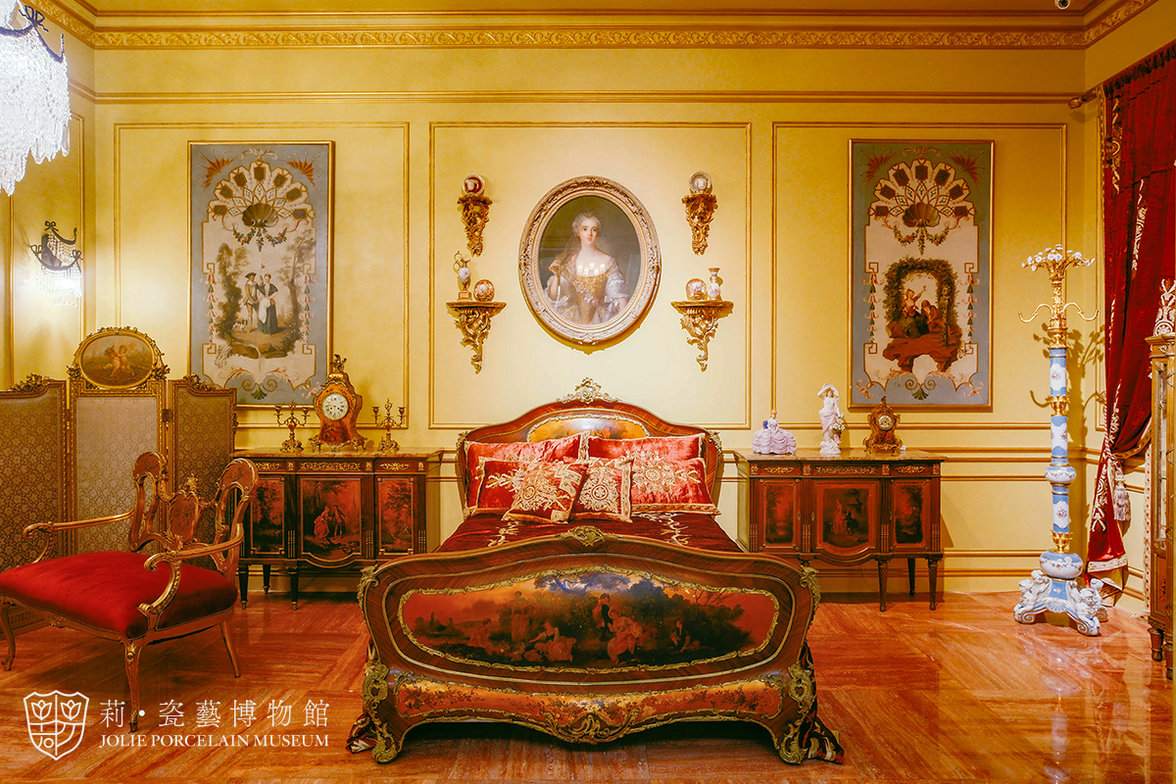
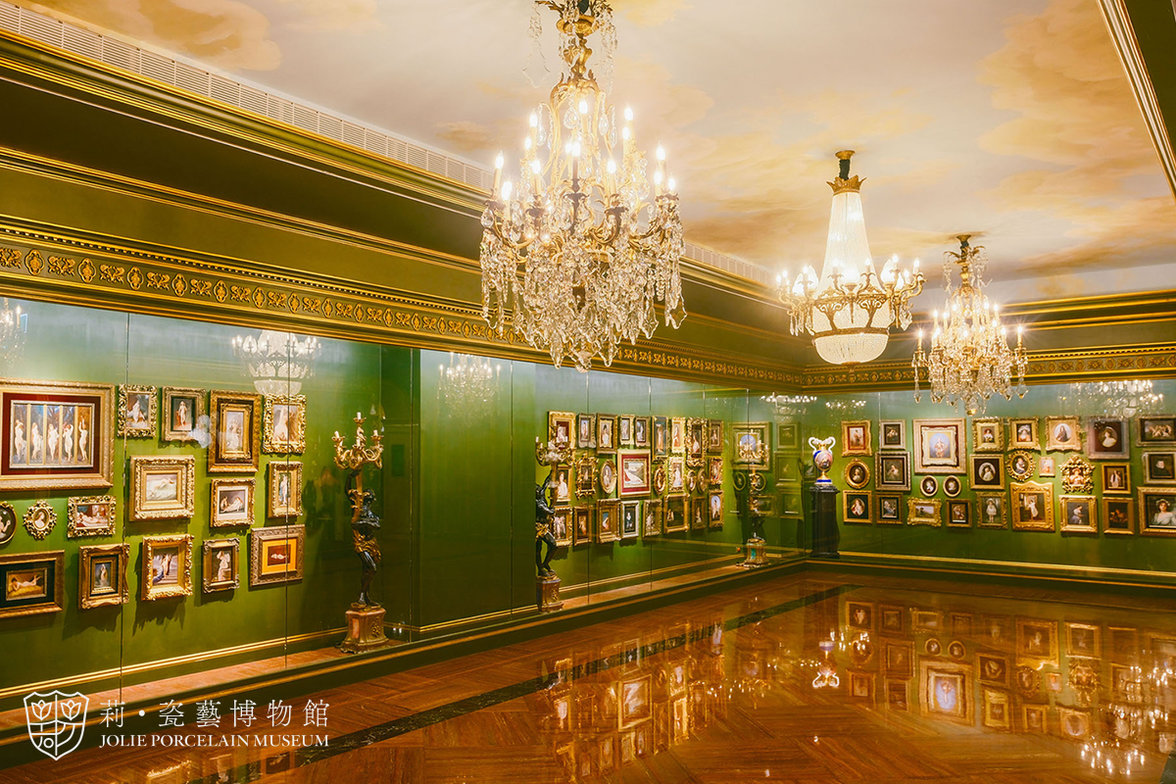
In southern Taiwan, there is a tranquil space that houses a large collection of century-old 19th-century European royal kiln porcelain.
400 years ago, Taiwan was an island for porcelain transshipment; 400 years later, we meet the world’s most beautiful porcelain art again on this land. Each exhibit is a letter from the past, quietly waiting for you to read.
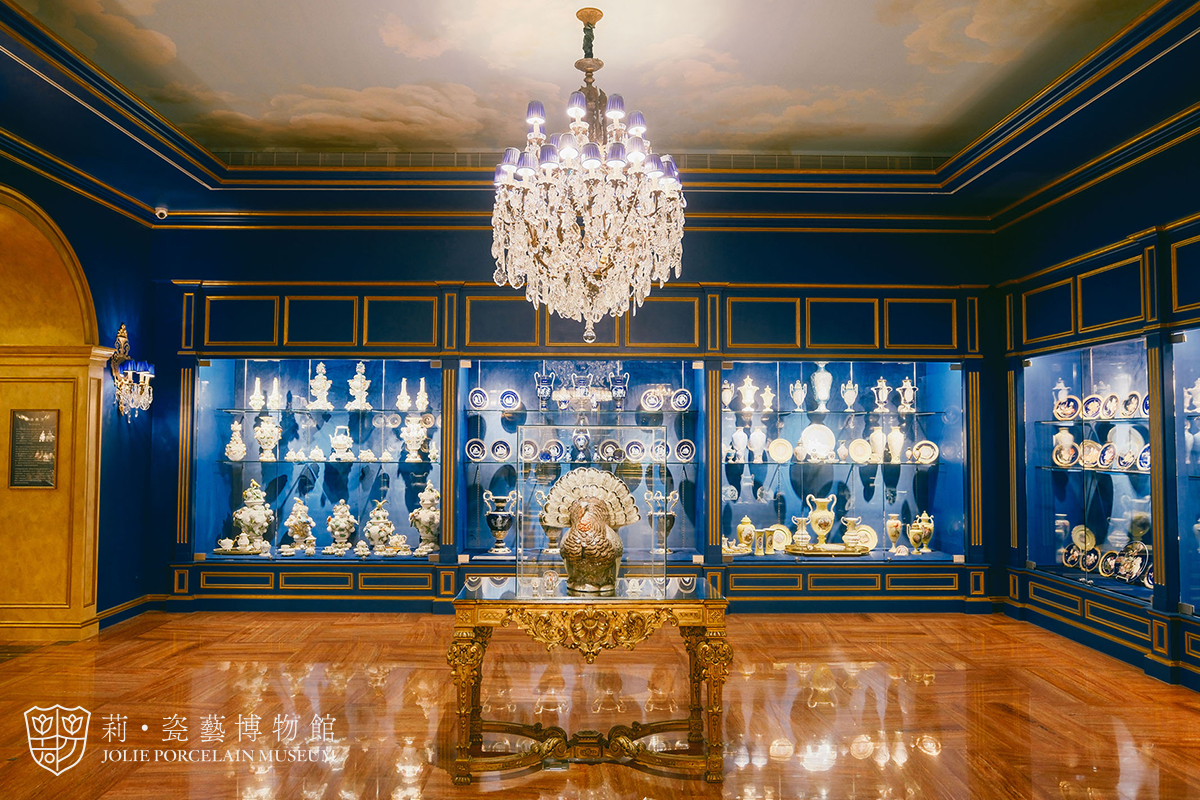
The museum’s collection includes 19th-century European royal kiln porcelain – Meissen of Germany, which set the standard; the delicate brushwork of Berlin KPM; the extraordinary beauty of Sèvres of France; the rustic charm of Royal Worcester of England; and the splendid gold of Royal Vienna of Austria. Each art form blossomed like a flower, vying to achieve a rich and intricate beauty. Porcelain was once known as “white gold” and was a symbol of power for royalty and nobility. Since Meissen of Germany fired the first hard porcelain in the 18th century, ushering in the age of porcelain, Europe’s top porcelain art has been highly respected for centuries. This museum invites everyone to a feast of beauty, entering the artistic palace of 19th-century European royalty.