Blue Mountains National Park Reviews
Popular places near Blue Mountains National Park
FAQs about Blue Mountains National Park
Why are the Blue Mountains so famous?
Why are the Blue Mountains so famous?
What are the opening hours for the Blue Mountains National Park?
What are the opening hours for the Blue Mountains National Park?
What is special in the Blue Mountains?
What is special in the Blue Mountains?
What is the main town in the Blue Mountains?
What is the main town in the Blue Mountains?
Do I need to pay an entry fee for the park?
Do I need to pay an entry fee for the park?
Is a day trip from Sydney enough time?
Is a day trip from Sydney enough time?
Can I see native Australian animals?
Can I see native Australian animals?
What to know about Blue Mountains National Park
Blue Mountains National Park: An Unforgettable Journey into a World Heritage Wilderness
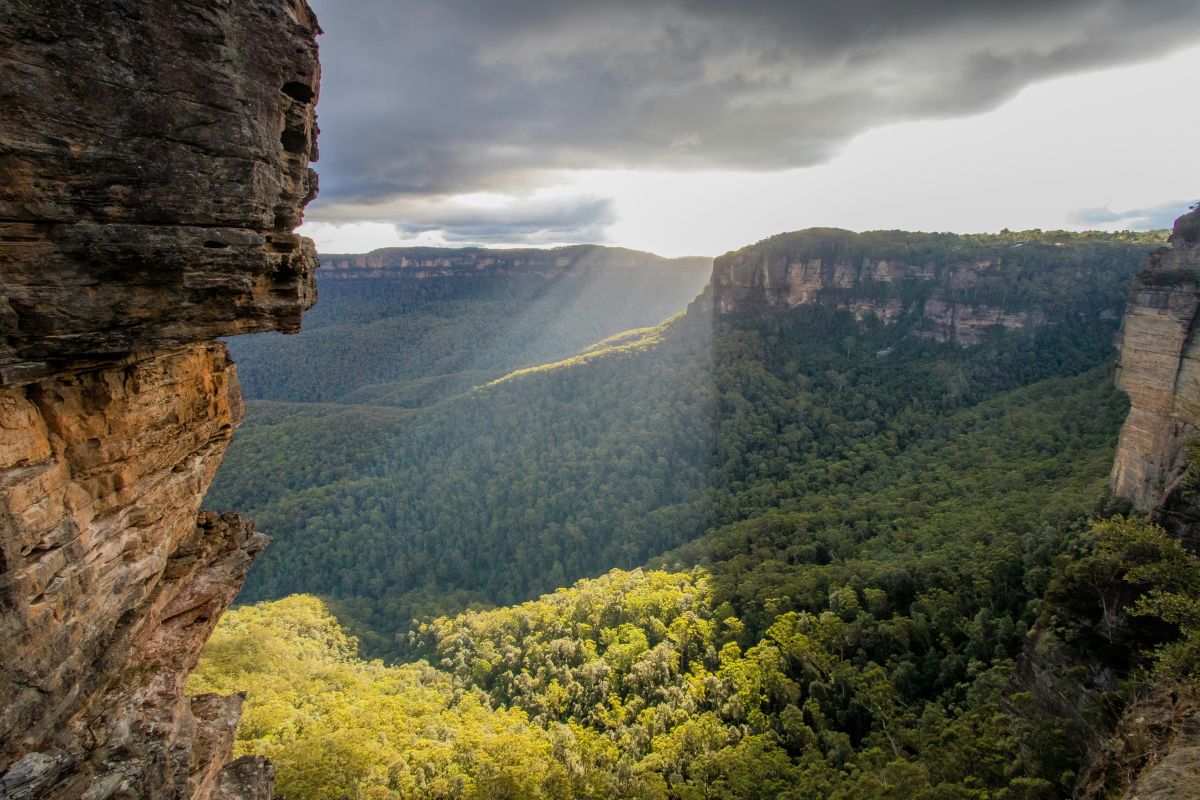
Just a stone's throw from Sydney, the Blue Mountains National Park unfolds as a breathtaking expanse of dramatic cliffs, eucalyptus-filled valleys, and cascading waterfalls. This UNESCO World Heritage-listed landscape is a sanctuary for adventure and serenity, offering an immersive escape into one of Australia's most iconic natural wonders. The park gets its name from the natural blue haze that blankets the region, created by sunlight mixing with tiny droplets of oil released by the vast eucalyptus forests.
Key Sights & Unmissable Highlights In Blue Mountains National Park
While the park is immense, there are several key areas that form the heart of the Blue Mountains experience.
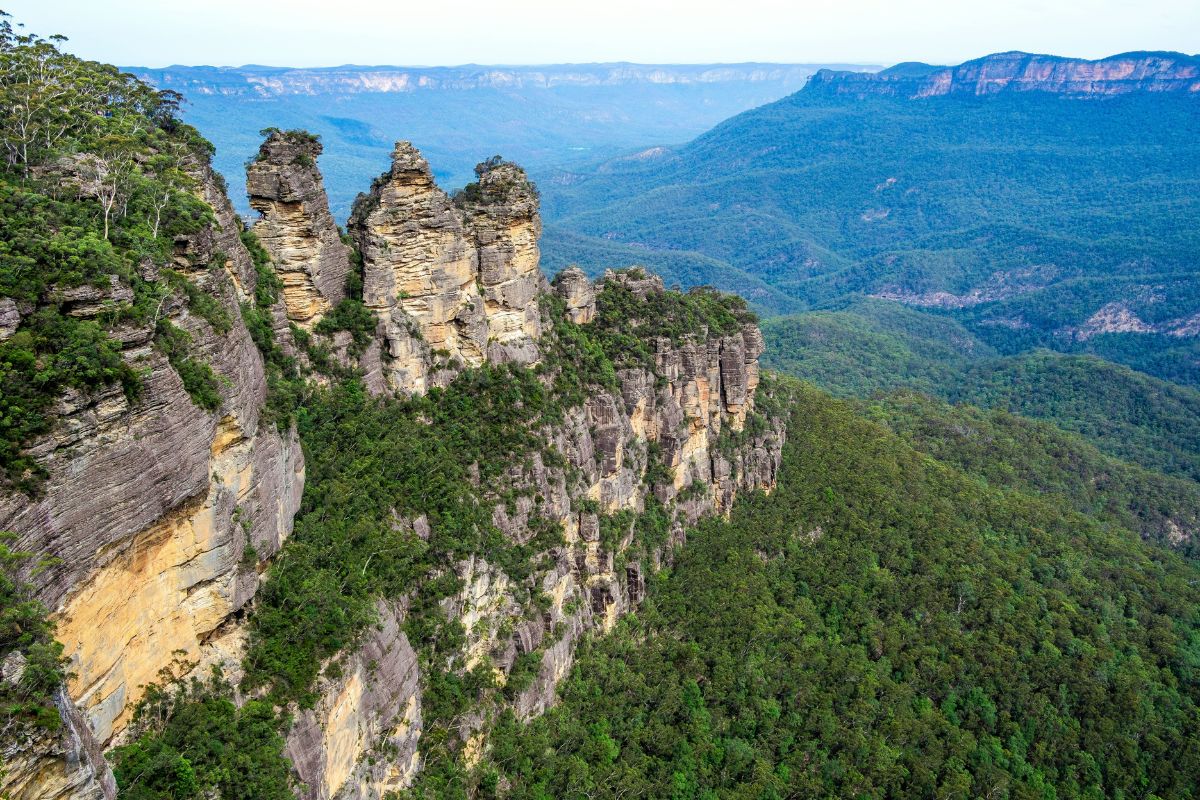
The Three Sisters and Echo Point Lookout (Katoomba)
The Three Sisters, the Blue Mountains' most stunning landmark, captivates visitors at Echo Point Katoomba. Just 2.5 kilometers from the Great Western Highway, this iconic spot draws millions yearly. Named after the 'Meehni', 'Wimlah', and 'Gunnedoo' tribe members, the rock formation symbolizes three sisters from an Aboriginal legend, turned to stone. The Three Sisters' beauty shifts with sunlight and seasons, showcasing magnificent colors. Lit up until 11 pm against the night sky, you can enjoy the breathtaking view.
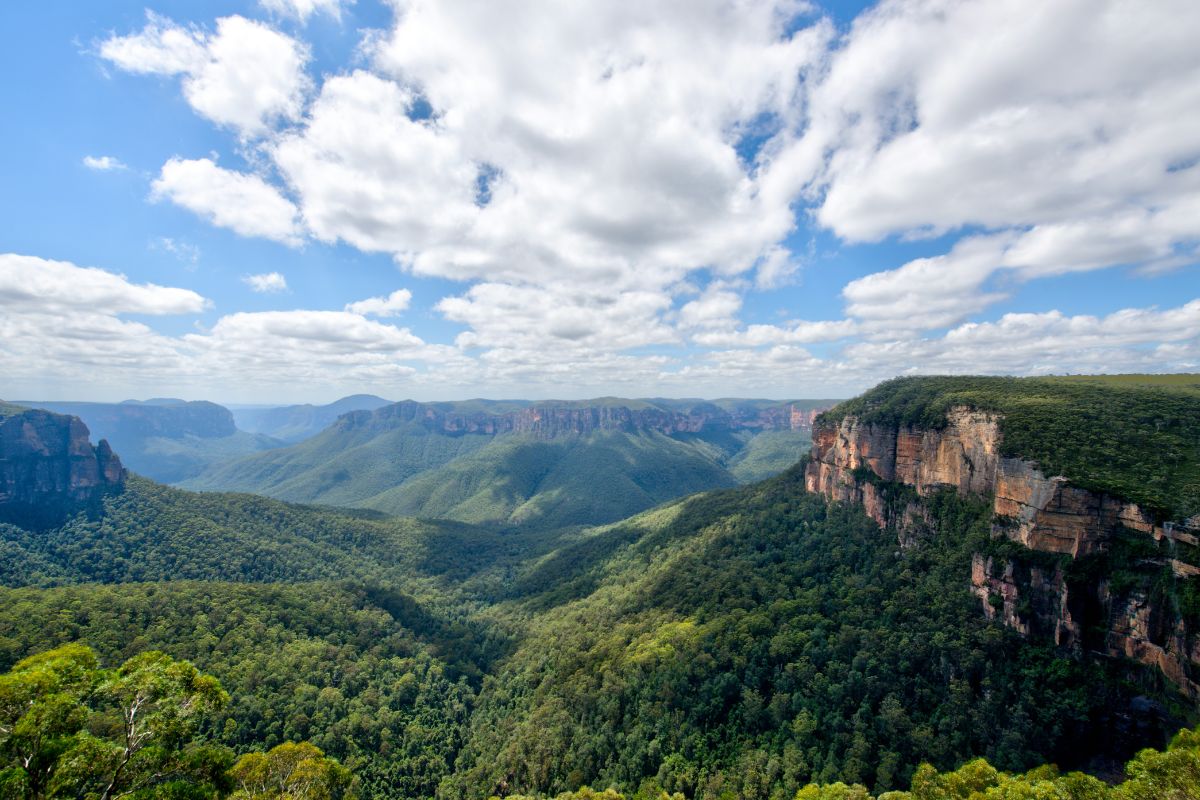
Govetts Leap Lookout and the Grose Valley (Blackheath)
For a view that many locals consider even more dramatic than the Jamison Valley, head to Govetts Leap in Blackheath. This lookout provides a staggering, sheer drop view into the Grose Valley, a declared wilderness area. You can marvel at the immense sandstone cliffs, the dense, untouched forest below, and the Bridal Veil Falls cascading down the escarpment. It's a powerful and humbling perspective on the sheer scale of the park.
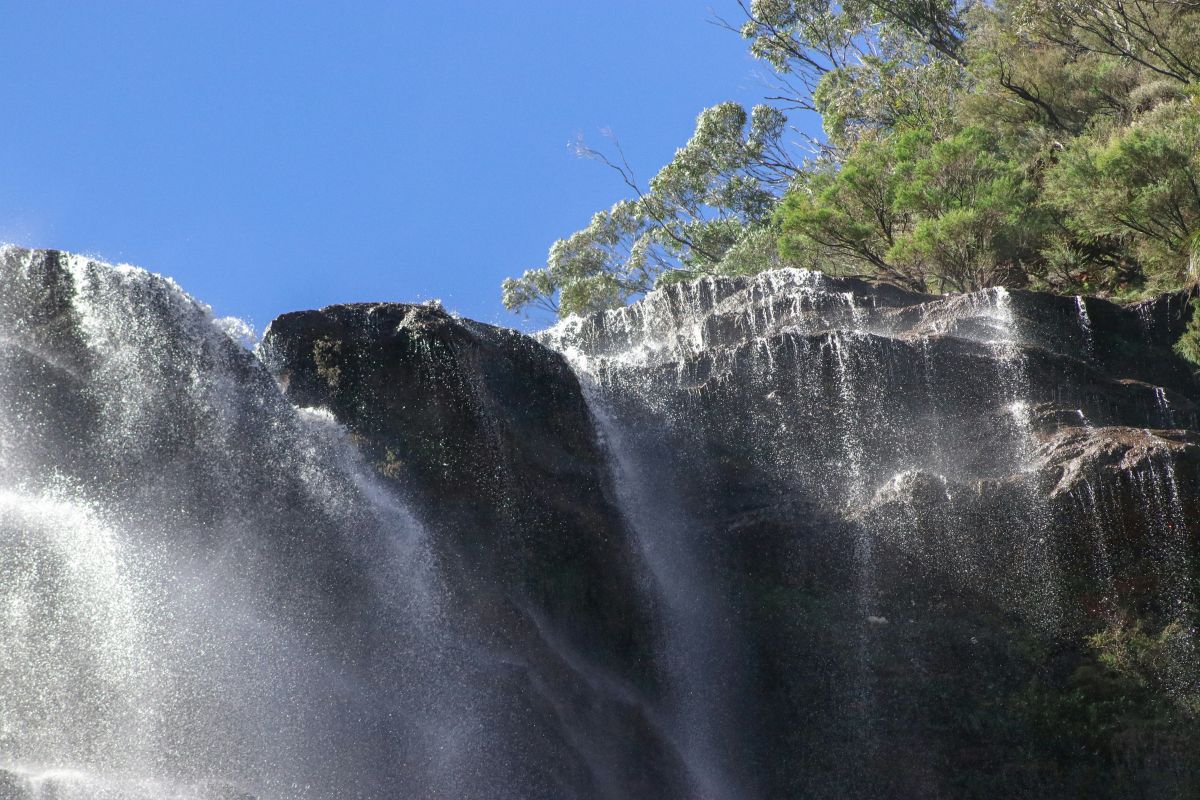
Wentworth Falls
This area is a paradise for waterfall chasers and hikers. The namesake Wentworth Falls is a stunning, three-tiered waterfall that plunges into the Jamison Valley. A network of walking tracks, ranging from easy to challenging, allows you to experience the falls from various lookouts. The view from Fletchers Lookout is particularly spectacular, offering a direct view of the upper falls.
Katoomba Falls
Located along the stunning Scenic Drive, just two kilometers from the Blue Mountains shopping center, Katoomba Falls is a picture-perfect spot frequented by photographers from around the country. A 45-minute walk along the trail offers a breathtaking view of the falls and connects to Echo Point, where you can catch sight of the Three Sisters in the distance. Don't forget to explore Katoomba town during your visit! As the main hub in the Blue Mountains, it offers fresh mountain air, unique village shopping, and a heritage trail waiting to be discovered.
Jamison Valley
Visit Jamison Valley, part of the Coxs River system and located in the Blue Mountains. Just 100km from Sydney and a few kilometers from Katoomba, you can enjoy breathtaking views, rich history, and plenty of tourist attractions and activities, including mountain biking, hiking, camping, and abseiling.
Mount Solitary
Trek over Mount Solitary in Blue Mountains National Park, starting from Katoomba. Enjoy scenic views, historic sites, and camping. The hike includes a challenging yet rewarding climb to the summit, offering sensational views and peaceful forest stretches.
What to do in the Blue Mountains
Hiking (Bushwalking)
The park is world-renowned for its hiking trails, which range from easy, family-friendly walks to challenging multi-day treks.
Easy Walks
The path from Echo Point to the Three Sisters is a popular and accessible option. The Prince Henry Cliff Walk offers stunning views between Katoomba and Leura.
Challenging Hikes
The Grand Cliff Top Walk is a spectacular 19km multi-day trek that connects the iconic landscapes of Wentworth Falls, Leura, and Katoomba, offering continuous, breathtaking views from the edge of sheer sandstone cliffs. The Grand Canyon Track near Blackheath is another world-famous loop that takes you deep into a lush, fern-filled canyon. For the truly adventurous, the Six Foot Track is a historic three-day hike from Katoomba to Jenolan Caves.
Mountain Biking
The Blue Mountains National Park is a premier destination for mountain bikers, offering a spectacular network of mountain bike trails that cater to various skill levels, all set within a World Heritage-listed landscape defined by its expansive fire trails rather than tight single-track. Among the most iconic routes, the Narrow Neck Peninsula Trail in Katoomba offers an unparalleled scenic experience, following a high plateau with jaw-dropping, continuous views into both the Jamison and Megalong Valleys. For those seeking a true test of fitness, the legendary Woodford-Oaks Trail provides a thrilling descent followed by a famously punishing and relentless climb back to the top, solidifying its reputation as a classic endurance challenge. More accessible but equally rewarding options include the Faulconbridge Ridge Trail, a longer and more undulating ride leading to a stunning lookout over the Grose Valley, perfect for families and intermediate riders, and the shorter Mount Banks Road ride, which offers unique northern perspectives of the valley without requiring a full-day commitment. Regardless of the trail chosen, riders should always check the NSW National Parks website for alerts before heading out and be fully self-sufficient with water, food, and repair kits, as the remote and rugged beauty of the mountains demands respect and preparation.
Other Adventure Sports
The sheer sandstone cliffs and deep canyons are a magnet for rock climbing, abseiling, and canyoning, with numerous accredited tour companies offering guided experiences for all skill levels.
Aboriginal Heritage
The Blue Mountains are the traditional lands of the Darug and Gundungurra peoples, and the landscape is rich with Aboriginal history and cultural significance. Throughout the park, you can find ancient sites, including rock art and engravings that tell the stories of the land's traditional custodians. A visit to the Waradah Aboriginal Centre in Katoomba can provide deeper insights into this living culture through dance and didgeridoo performances.
Tips for Your Blue Mountains Visit
When is the best time to visit the Blue Mountains?
Late spring, from October to November, offers warm, dry weather perfect for bushwalking in the Blue Mountains. Late autumn, around May, and the winter months also provide great bushwalking conditions. Make sure to explore the Blue Mountains' stunning cool-climate gardens, showcasing vibrant foliage in autumn and blooming flowers in spring.
How to get to the Blue Mountains from Sydney?
1. By Train (The Most Popular & Affordable Option)
Taking the train is a relaxing, scenic, and highly recommended way to travel to the Blue Mountains. It's the preferred method for most independent travelers.
Which Train to Take: You need the Blue Mountains Line.
Departure Station: Trains depart regularly from Sydney's Central Station. You can also board at other major city stations like Town Hall or Wynyard.
Destination Stations: The train doesn't stop at one single "Blue Mountains" station, but rather a series of charming mountain towns. For the main tourist sights, you should get off at:
Wentworth Falls: For the start of many beautiful waterfall hikes.
Leura: A picturesque village with beautiful gardens and boutiques.
Katoomba: The main hub. This is the closest station to the Three Sisters, Echo Point Lookout, and Scenic World.
Journey Time: Approximately 2 hours to reach Katoomba from Central Station.
Cost & Ticketing: This is a very budget-friendly option. You don't need a special ticket; simply use your Opal card or a contactless credit/debit card to tap on and off. Travel on the Sydney Trains network has daily and weekend caps, making a weekend trip especially cheap.
Getting Around After Arrival: From Katoomba or Leura station, you can walk to many lookouts or use the Blue Mountains Explorer Bus (a hop-on, hop-off service) or local public buses to easily get between the main attractions.
Pros: Very affordable, relaxing journey with beautiful views, avoids traffic.
Cons: Can be slower than driving, requires you to make your own way from the station to the lookouts.
2. By Car (The Most Flexible Option)
Driving gives you the ultimate freedom to explore the vast national park at your own pace, including less-visited lookouts and towns.
The Route: The most direct route from Sydney is via the M4 Motorway, which becomes the Great Western Highway as you ascend the mountains. The drive is straightforward and well-signposted.
Journey Time: Approximately 90 minutes to 2 hours to Katoomba, but this can be significantly longer depending on Sydney's traffic, especially during peak hours.
Pros: Complete flexibility to stop wherever you like, easy access to more remote areas, and convenient for carrying gear or traveling with a family.
Cons: Sydney traffic can be heavy, parking in popular spots like Katoomba and Leura can be very difficult to find and is often paid, and you have to consider the cost of fuel and potential road tolls. This option is best for those who are comfortable driving in Australia.
3. By Guided Tour (The Most Hassle-Free Option)
For a completely stress-free experience, a guided day tour is an excellent choice, especially for first-time visitors or those on a tight schedule.
How it Works: Blue Mountains Tours are typically run on coaches or in smaller mini-buses and depart from a central location in Sydney. They handle all the driving, navigation, and scheduling for you.
What's Included: A typical day tour will include:
Return transport from Sydney.
A visit to key highlights like the Three Sisters at Echo Point.
Often includes admission to Scenic World (with its famous Railway, Skyway, and Cableway).
Many tours also include a stop at a wildlife park like Featherdale Sydney Wildlife Park on the way, where you can see kangaroos and koalas.
A knowledgeable guide providing commentary throughout the day.
Pros: Totally hassle-free and efficient, you see multiple key sights in one day without worrying about timetables or parking, great for learning about the area from a guide.
Cons: A fixed itinerary with less flexibility to explore on your own, can be more expensive than traveling by train.
How many days do you need in the Blue Mountains?
If you have a little extra time to spare in the Blue Mountains, extending your stay for two days or more allows for a deeper exploration of the national park and its unique attractions. This extended stay offers a more comprehensive experience of the local area, allowing you to fully take in the peaceful surroundings.
Where is Blue Mountains Heritage Centre located?
Blue Mountains Heritage Centre: Your essential first stop. Located in Blackheath, the centre offers expert advice, detailed maps, and the latest information on track conditions and weather.
Location: 270 Govetts Leap Road, Blackheath
Hours: 9am to 4pm daily (closed on Christmas Day)
What should I wear when visiting Blue Mountains?
Layers are key. The weather in the mountains can change quickly and is often several degrees cooler than in Sydney. Even on a sunny day, it can be windy on the clifftops.
Essential: Comfortable, sturdy walking shoes.
Recommended: A t-shirt, a fleece or sweater, and a waterproof/windproof jacket.
Always: A hat and sunscreen, as the Australian sun is strong.
Top 5 Attractions Near the Blue Mountains National Park
Scenic World (Katoomba)
Location: In Katoomba, right on the edge of the Jamison Valley and very close to Echo Point.
What it is: A privately-owned tourist attraction that offers a unique way to experience the park's dramatic scenery through a series of thrilling rides.
Details: This is one of the most popular destinations in the Blue Mountains, especially for families. Your ticket gives you access to three main experiences:
Scenic Railway: The steepest passenger railway in the world. You'll descend at a thrilling 52-degree incline through a cliff-side tunnel, emerging into the ancient rainforest on the valley floor. You can adjust your seat to make the ride even steeper.
Scenic Skyway: Glide between clifftops while suspended 270 meters above the ancient ravine. The Skyway has a glass floor that gives you a breathtaking 360-degree view of the Three Sisters, Katoomba Falls, and the Jamison Valley.
Scenic Cableway: This is the steepest aerial cable car in the Southern Hemisphere. It offers a gentler descent or ascent into the Jamison Valley, with incredible views and access to the Scenic Walkway below.
Scenic Walkway: A 2.4-kilometer elevated boardwalk that meanders through the lush, temperate rainforest of the valley floor, allowing you to learn about the local flora and fauna.
Jenolan Caves
Location: About a 90-minute scenic drive from Katoomba, through winding mountain roads.
What it is: One of the world's oldest and most spectacular cave systems, a must-see for anyone with a bit of extra time in the region.
Details: The Jenolan Caves are a labyrinth of ancient limestone tunnels, underground rivers, and vast caverns filled with breathtaking crystal formations (stalactites and stalagmites). You can choose from a wide variety of guided show cave tours, each focusing on a different cave and catering to different fitness levels. The Lucas Cave is famous for its massive chambers, while the Orient Cave is renowned for its delicate and beautiful crystal formations. The drive to the caves is an adventure in itself, culminating in your passage through the Grand Arch, a massive natural tunnel that serves as the entrance to the valley.
The Town of Leura
Location: The next major town east of Katoomba, just a 5-minute drive or train stop away.
What it is: The most picturesque and charming of the Blue Mountains villages, famous for its beautiful gardens, quaint main street, and boutique shops.
Details: Leura Mall, the main street, is lined with cherry trees and is perfect for a leisurely stroll. You'll find art galleries, antique shops, bookstores, and delightful cafes and candy stores. Leura is also famous for its stunning private gardens, many of which are open to the public during the spring Leura Gardens Festival. Don't miss Sublime Point Lookout, which offers a less-crowded but equally spectacular view over the Jamison Valley.
Blue Mountains Botanic Garden Mount Tomah
Location: On the Bells Line of Road, about a 45-minute drive from Katoomba.
What it is: Australia's highest botanic garden, sitting at 1,000 meters above sea level. It is the only botanic garden in the world located within a UNESCO World Heritage Area.
Details: Unlike a typical manicured garden, this is a cool-climate garden that specializes in plants from the Southern Hemisphere. It's a beautiful and tranquil place to explore, with stunning panoramic views back across the northern part of the national park. The garden has various walking trails, a fantastic visitor centre, a restaurant with incredible views, and showcases plants that thrive in the cooler mountain climate, including a world-class collection of conifers and rhododendrons.
The Zig Zag Railway (Clarence)
Location: Near the town of Lithgow, on the western edge of the mountains, about a 40-minute drive from Katoomba.
What it is: A heritage steam train railway that was an engineering marvel of the 19th century.
Details: Recently reopened after a long restoration, the Zig Zag Railway is a fantastic family-friendly attraction. You can take a ride on a historic steam train along a remarkable route that navigates a steep descent via a series of "zig-zag" switchbacks, viaducts, and tunnels. The journey offers beautiful views of the surrounding valleys and is a thrilling trip back in time to the golden age of steam. Booking in advance is essential as it's very popular.
Explore more on Klook
Top attractions in Australia
- 1 Puffing Billy Railway
- 2 Great Ocean Road
- 3 Great Barrier Reef
- 4 Phillip Island
- 5 Sydney Harbour
- 6 Uluru
- 7 Rottnest Island
- 8 Sydney Opera House
- 9 The Pinnacles Desert
- 10 Hutt Lagoon Pink Lake
- 11 Penguin Parade
- 12 Peninsula Hot Springs
- 13 Bruny Island
- 14 Queen Victoria Market
- 15 Caversham Wildlife Park
- 16 Currumbin Wildlife Sanctuary
- 17 Cradle Mountain
- 18 Sydney Zoo
- 19 Bondi Beach