
A Japan trip from the UK might sound like a big leap at first. It’s far, it’s different, and the language can look a little intimidating. But here’s the good news: Japan is actually one of the easiest long-haul destinations for UK travelers to plan and enjoy.
Japan has world-class public transport and food that you’ll dream about long after the trip (hello ramen and sushi). And even if you don’t speak Japanese, it’s a country that’s safe, clean, and welcoming to tourists. Compared to planning a multi-country European holiday, organizing travel to Japan from the UK is surprisingly easy!
That’s where this step-by-step guide comes in. We’ll walk you through everything you need to know: visa rules, when to go, flights to Japan from the UK, budgeting, trains, accommodation, language tips, and cultural etiquette.
Grab a cuppa, get comfy, and bookmark this! Because by the end of this guide, planning your Japan adventure will feel a whole lot easier and way more exciting. 🇯🇵✨
Step 1: Check visa rules for UK passport holders
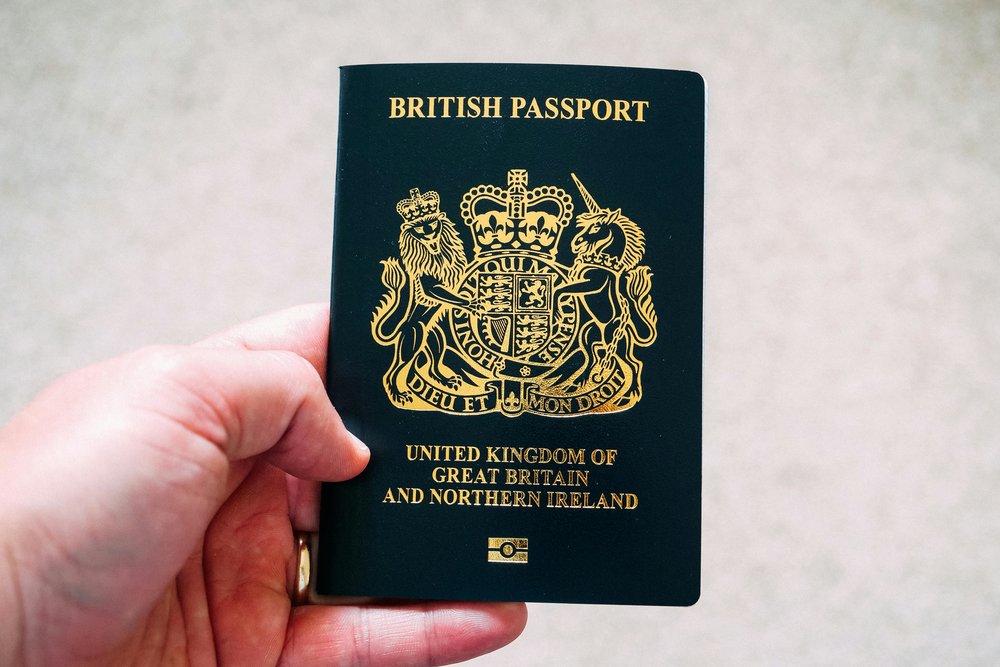
UK passport ready for a visa-free Japan trip | Photo by Ethan Wilkinson on Pexels
One of the biggest worries people have when planning a Japan trip from the UK is visas. Luckily, this is one of the easiest steps.
UK passport holders can enter Japan visa-free for tourism. You can stay for up to 90 days, as long as you’re visiting for holidays, sightseeing, or short-term travel.
Your passport should be valid for the length of your stay. Unlike some countries, Japan doesn’t require six months of validity, but it’s always smart to check before flying. You’ll also need proof of return travel, such as a flight ticket back to the United Kingdom or onwards to another destination.
When you arrive, immigration officers may ask simple questions: how long you’re staying, where you’re staying, or what your travel plans are. But there’s no need to stress—clear, honest answers are perfectly fine.
Before flying, you’ll also be asked to complete Japan’s online arrival forms. These cover immigration and customs details and help speed things up at the airport. Fill them out a few days before departure and keep the QR codes handy on your phone.
You will need a visa if you plan to work, study, or stay long-term. For standard holidays, though, this step is easy.
Klook Tip: Although Japan doesn’t require its tourists to have travel health insurance, we recommend getting your own travel insurance so you can travel worry-free!
Step 2: Choose the best time to visit Japan from the UK
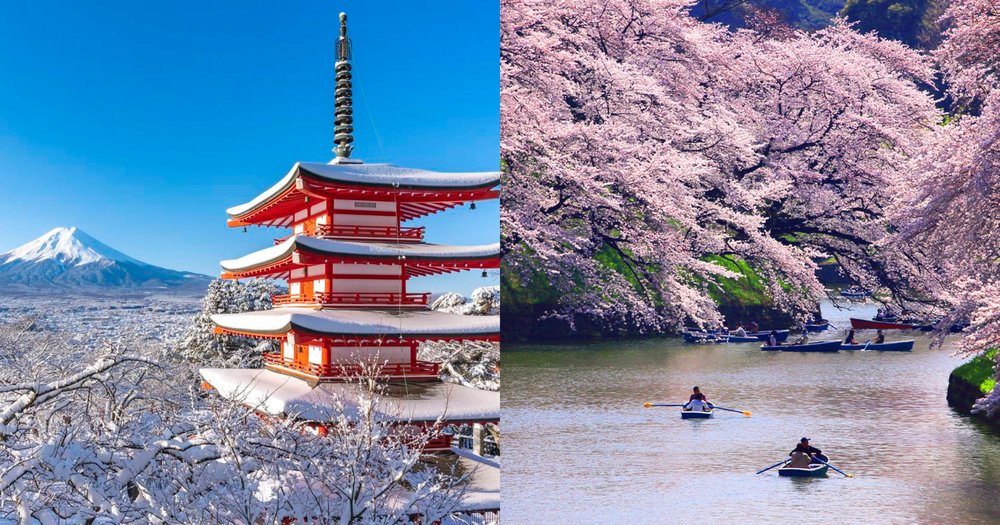
Two of the best seasons in Japan: winter and spring
Japan has four distinct seasons, and each one gives you a very different travel experience. Choosing when to go plays a big role in shaping your Japan trip from the UK.
Spring (March to May) is famous for cherry blossoms. The weather feels mild and comfortable for UK travellers, similar to a warm British spring. This is peak season, so expect higher prices and larger crowds.
Klook Tip: Check out our 2026 cherry blossom guide so you’ll know which spots in Japan to visit for that full sakura bloom!
Summer (June to August) is hot and humid, much warmer than anything the UK usually feels. It’s festival season, though, and cities come alive with fireworks and street food. Flights can be cheaper, but you’ll need light clothing and patience with the heat.
Autumn (September to November) is a favourite for many visitors. Temperatures cool down, autumn leaves turn cities and mountains red and gold, and crowds thin out after summer.
Winter (December to February) brings crisp air and snow in northern areas. Cities like Tokyo and Osaka stay fairly mild, and prices are often lower. If you prefer quieter streets and seasonal food, then visiting Japan during winter is a good choice!
Klook Tip: If you’re flexible and on a budget, we suggest going to Japan outside cherry blossom season so your flights to Japan from the UK and hotels are much more affordable.
Not sure which season to visit? Read our in-depth seasonal guide on the best times to visit Japan.
Step 3: Book flights from the UK to Japan
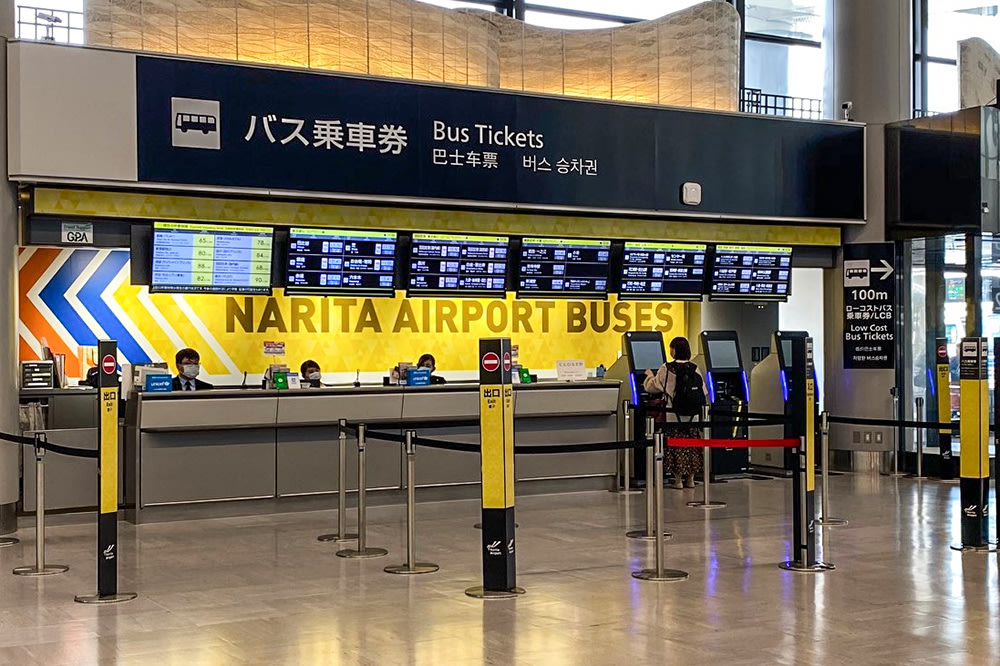
Flights are usually the biggest cost when planning UK to Japan travel, so it’s worth taking a little extra time here.
Most travelers fly from London Heathrow Airport, which offers direct flights to Japan with a travel time of around 13-14 hours. If you’re flying from Manchester or another major UK airport, expect at least one stop, often via Europe or the Middle East.
Choosing your arrival airport in Japan
If Tokyo is your first stop, you’ll most likely land at either Narita International Airport or Haneda Airport.
Haneda Airport is the more convenient option. It’s much closer to central Tokyo, which means you can reach your hotel faster after a long flight. Flights here can cost a bit more, but the time and energy you save are often worth it.
Narita International Airport is farther from the city, but it’s well connected by trains and airport transfers. Flights into Narita are sometimes cheaper, making it a solid option if you’re keeping an eye on your budget.
If your itinerary starts in western Japan, look for flights into Kansai International Airport. This airport serves Osaka, Kyoto, and nearby cities, and flying directly here saves you a long train journey from Tokyo.
Klook Tip: Tired from your long flight? Book a limousine bus transfer from Kansai Airport to Osaka so you can relax on your way to your hotel.
Jet lag and baggage tips
Jet lag tends to hit harder when flying east from the UK. Try to stay awake until evening on arrival, drink lots of water, and skip long naps. You’ll usually feel back to normal within a couple of days.
Before booking, always check baggage allowances. Some airlines include checked luggage, while others charge extra. And if shopping is part of your plan (which it usually is in Japan), having extra baggage space can make your return journey much easier.
Step 4: Plan your Japan route and itinerary
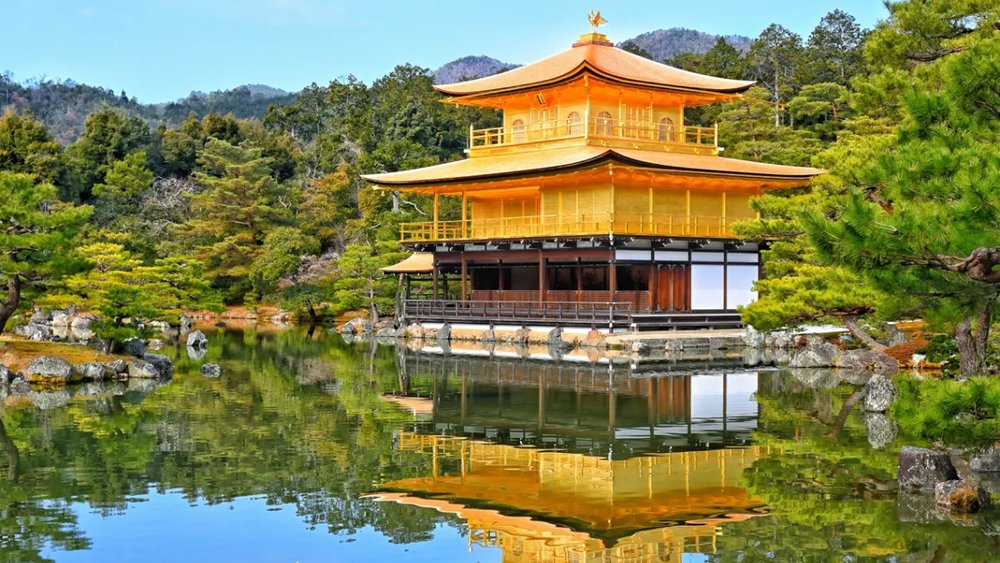
Planning your route is one of the most exciting parts of a Japan trip from the UK, but it’s also where many travelers try to squeeze in too much. Japan may look small on the map, but moving between cities takes time and energy, especially after long travel days.
How long should you spend in Japan?
The length of your trip will shape everything from your route to your pace:
- 7 days works if you focus on one or two cities, but it can feel rushed
- 10 days is a good balance for first-time visitors
- 14 days is ideal if you want to explore without constantly packing and unpacking
If you’re flying all the way from the UK, giving yourself enough time helps you adjust to the time difference and enjoy the journey properly.
Want to get an idea of what a 14-day itinerary looks like? Read our 2-week Japan itinerary guide.
A classic first-time Japan route
If it’s your first time visiting, the Tokyo-Kyoto-Osaka route is popular for good reason. These cities are easy to travel between and show different sides of Japan.
Tokyo lets you experience modern city life, shopping, and food from all over the country. Kyoto is known for temples, traditional streets, and cultural experiences. Osaka adds a more relaxed, food-focused vibe and makes a great base for exploring nearby areas.
If you have extra days, consider adding one or two day trips rather than more major cities. Hakone is popular for hot springs and views of Mount Fuji, Nara is perfect for a relaxed day trip, and Hiroshima adds historical depth to your itinerary.
Klook Tip: Going to Japan for the first time? We highly recommend going on a Mount Fuji day tour, where it’ll take you to the most popular viewing spots of Mount Fuji, such as Oshino Hakkai!
Step 5: Understand transport in Japan
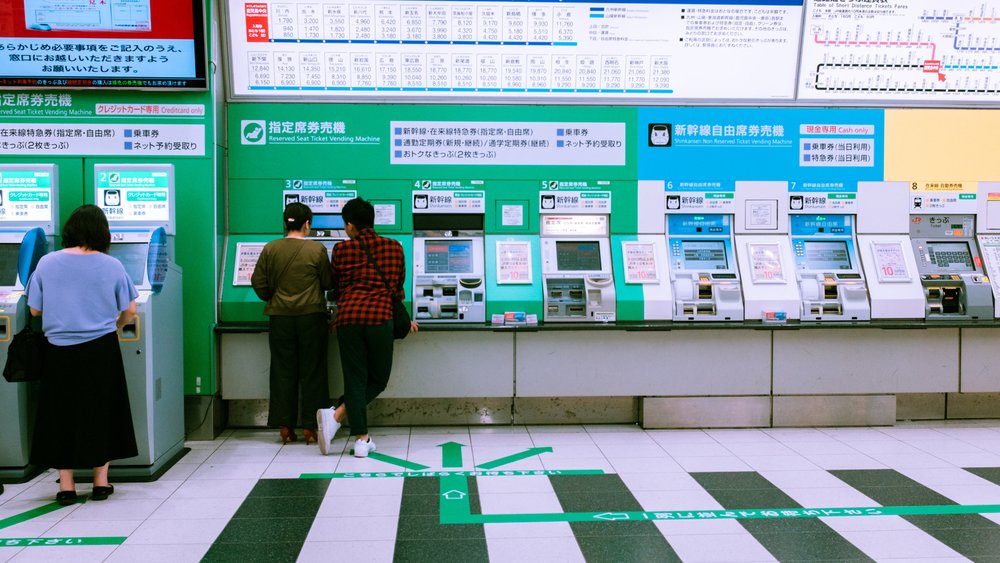
Japan train ticket machines | Christian Chen on Unsplash
For many UK travellers, Japanese public transport ends up being one of the biggest highlights of the trip.
Trains in Japan are clean, punctual, and well organised. Platforms are clearly marked, queues are tidy, and announcements are usually made in both Japanese and English. Even in large cities, stations are designed to guide you step by step, which makes getting around far less stressful than you might expect.
Station staff are also used to helping visitors. Even if there’s a language barrier, they’ll usually point you in the right direction with maps or simple instructions.
Getting around within cities using IC Cards
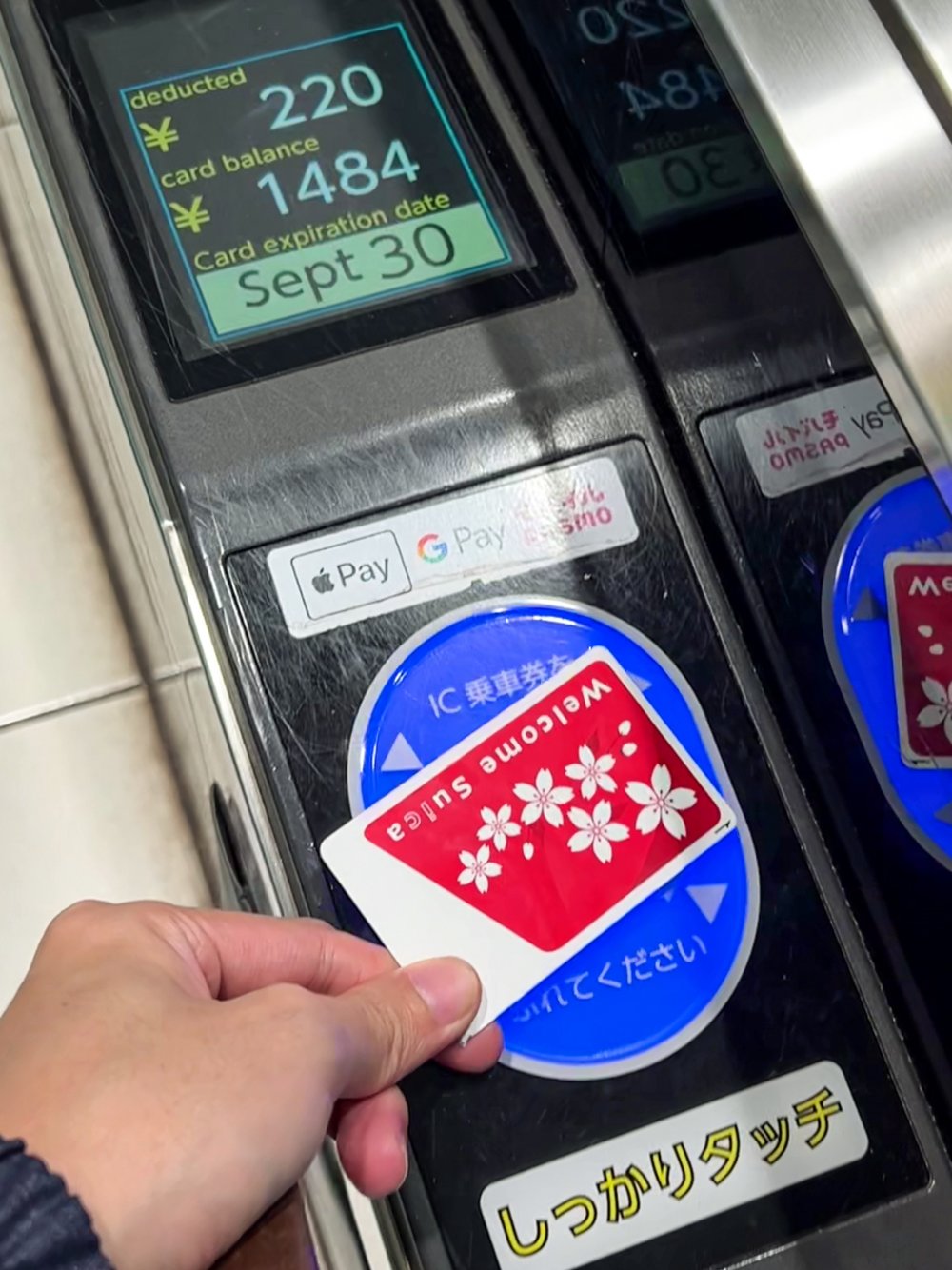
For daily travel within cities, IC cards such as Suica are a game-changer. Instead of buying individual tickets, you simply tap in and out on buses and trains. You can top them up easily at stations and use them across most major cities in Japan. For UK travellers, this is similar to using contactless travel cards at home.
Travelling between cities on the Shinkansen
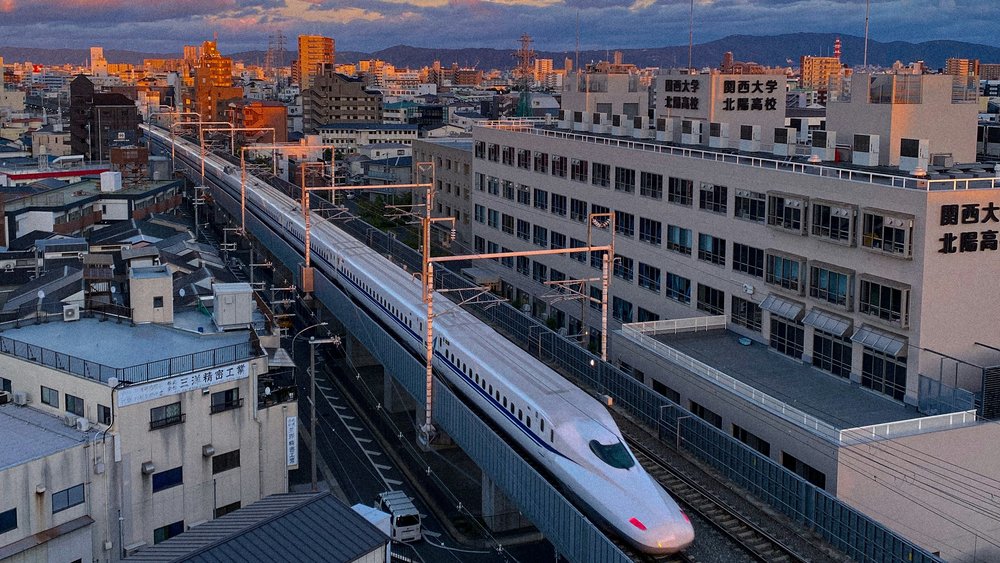
Board the Shinkansen to get to Kyoto from Tokyo in a jiffy. Photo credit: Jaden Williams on Unsplash
For longer journeys, the Shinkansen (bullet train) is the fastest and most comfortable way to travel. Seats are spacious, luggage space is available, and trains run exactly on schedule. It’s a smooth, quiet experience that turns travel days into something you actually look forward to.
Klook Tip: If you’re planning to move between cities like Tokyo, Kyoto, and Osaka, booking Shinkansen tickets in advance can save time and help you plan your days more efficiently.
Travelling with luggage on the Shinkansen: What to know
Luggage and large suitcases are allowed on the Shinkansen, but space can be limited during busy periods (especially during holidays like Golden Week). Navigating stations with heavy bags can also be tiring, especially after a long flight.
That’s why many travellers use luggage delivery services to send bags directly between hotels. It’s reliable, affordable, and makes moving around Japan far more relaxed, particularly if you’re visiting multiple cities.
Bottom line: Japan’s transport system is designed to make travel smooth. Once you understand the basics, getting around feels effortless and often becomes part of the fun.
Step 6: Budgeting and money tips for UK travelers
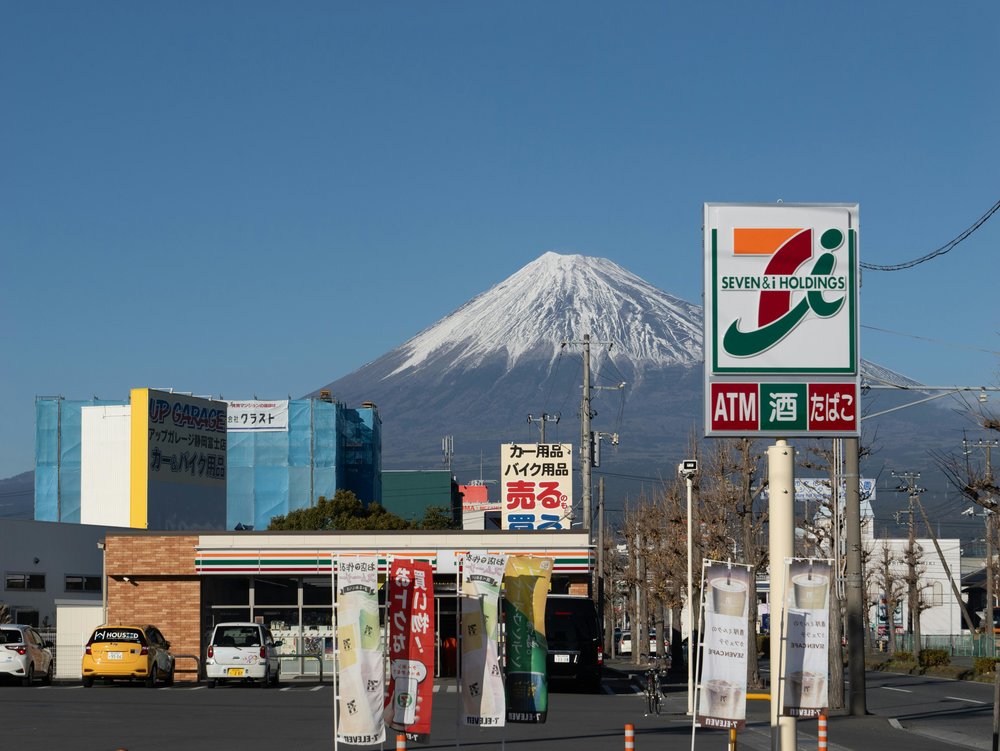
Budget-friendly travel tips for a Japan trip from the UK | Photo by Tien Nguyen on Pexels
Japan has a reputation for being expensive, but that’s not always true.
Food is often cheaper than in London, especially if you eat where locals eat. Transport costs add up, but you get excellent value for the service.
Cash is still widely used. While cards are accepted more than before, many small restaurants and shops prefer cash. UK debit cards work well at convenience store ATMs, especially 7-Eleven.
Klook Tip: Bring a mix of cash and cards, and avoid exchanging large amounts at airports if possible because exchange rates are a bit more expensive here.
Step 7: Book your accommodation the smart way
Japan offers accommodation styles you won’t often see in the UK, and knowing what to expect makes booking much easier and more enjoyable!
Know your accommodation options

APA Hotel Asakusa, a smart stay near Tokyo transport links
If you’re unsure what type of accommodation to pick, business hotels are usually a popular choice because of their good location (often next to train stations!). Rooms might be a bit small, but it’s designed to be practical and efficient, where everything’s arranged according to what you need!
Good examples around Tokyo include Hotel Mystays Ueno East and APA Hotel Asakusa Ekimae, which are both reliable, affordable, and well connected to public transportation.
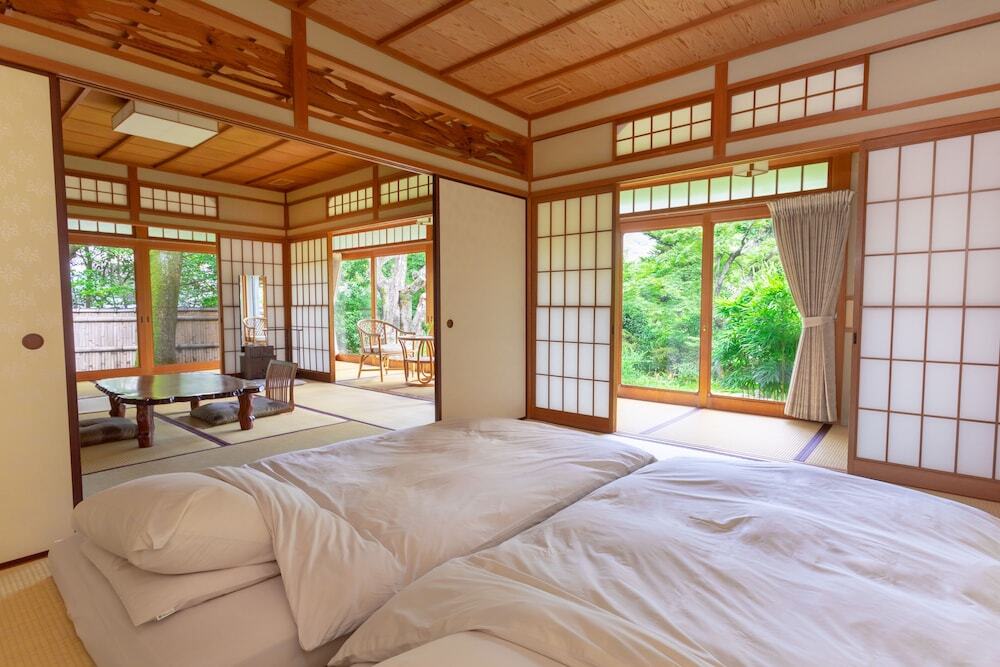
Traditional ryokan stay at Yoshida Sanso in Kyoto
If you want a more traditional experience, try a ryokan. These feature tatami floors and futon beds and often include Japanese-style breakfasts or dinners. They’re a great way to experience local culture, especially in places like Kyoto or Hakone. A popular option is Yoshida Sanso for a classic stay or Hakone Yuryo Ryokan for hot spring access.
For solo travellers or those on a tighter budget, capsule hotels are worth considering. They’re surprisingly comfortable, very clean, and ideal if you just need a place to sleep near a station. Rembrandt Cabin Shinjuku Shinkoubo is a well-known option with a modern, traveler-friendly setup.
Check the house rules
Hotels in Japan run on clear schedules. Check-in and check-out times are usually strict, and early check-in isn’t always available. Many hotels also have simple house rules, such as no loud noise at night or specific instructions for using facilities.
Following these rules keeps everything running smoothly and ensures a pleasant stay for everyone.
Klook Tip: Book accommodation early during peak seasons like cherry blossom season and autumn. Good-value hotels near stations fill up fast.
Step 8: Learn helpful Japanese phrases
You don’t need to speak Japanese fluently, but learning a few phrases helps a lot. Here are some practical Japanese phrases:
Japanese Phrase | Pronunciation | What It Means |
Arigatou gozaimasu | ah-ree-gah-toh go-zai-mass | Thank you (polite) |
Sumimasen | soo-mee-mah-sen | Excuse me / Sorry |
Onegaishimasu | oh-neh-guy-shee-mass | Please |
Hai / Iie | hi / ee-yeh | Yes / No |
Eki wa doko desu ka? | eh-kee wah doh-koh dess-ka | Where is the station? |
Densha wa doko desu ka? | den-shah wah doh-koh dess-ka | Where is the train? |
Oishii desu! | oh-ee-shee dess | It’s delicious! |
Ikura desu ka? | ee-koo-rah dess-ka | How much is this? |
Kādo de ii desu ka? | kah-doh deh ee dess-ka | Is card okay? |
Arimasu ka? | ah-ree-mahss-ka | Do you have this? |
Step 9: Know a few basic tips before visiting Japan
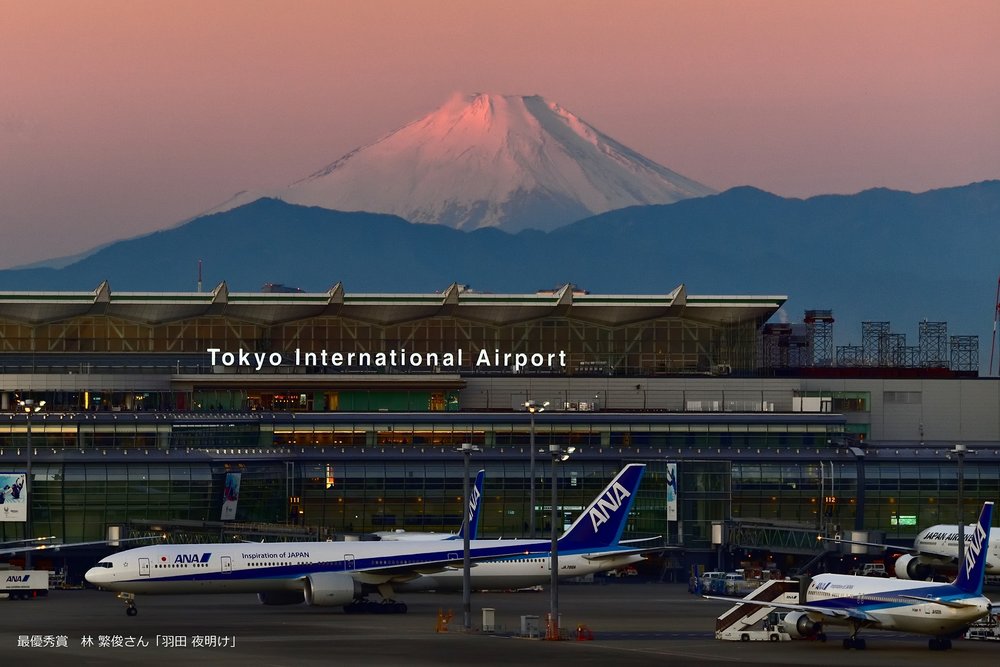
Tokyo International Airport at dawn
Before you hop on your flight, it helps to understand a few everyday basics about how things work in Japan. None of these are hard rules, but knowing them in advance can make your Japan trip from the UK feel smoother from day one!
Get an eSIM
To make your trip a lot easier, getting a Japan eSIM will save you from the hassle of navigating streets and checking out restaurant menus. We suggest setting it up before you fly so you’re connected as soon as you land. There’s no need to hunt for Wi-Fi or queue at airport counters, and it works straight from your phone.
Always carry cash (even in big cities)
Japan is modern, but it’s still a cash-friendly country. While cards are widely accepted in hotels, department stores, and larger restaurants, smaller eateries, local shops, and rural areas often prefer cash. Convenience stores like 7-Eleven are your best bet for withdrawing money using UK debit cards.
Expect lots of walking
Put on your most comfy shoes because in Japan, you’ll be walking a lot. Train stations are usually big, with long corridors and multiple exits. And most tourist spots require you to walk, so it’s best to be prepared.
No tipping culture
Unlike in the UK or the US, tipping isn’t part of Japanese culture. Service staff take pride in doing a good job, and tipping can actually feel awkward or confusing. If you want to show appreciation, a polite thank-you or a small bow is more than enough.
Public trash bins are rare
Japan is incredibly clean, but public rubbish bins are surprisingly hard to find. Many people carry small bags to hold their rubbish until they get home or back to their hotel. This is especially useful if you’re buying snacks or drinks while sightseeing.
Turning your Japan plan into a smooth trip
A Japan trip from the UK may feel daunting at first, but once broken into steps, it becomes surprisingly simple.
Plan your flights, understand the basics, book key transport early, and stay flexible. Japan is welcoming, safe, and endlessly rewarding—and it’s a destination that often exceeds expectations.
And once you’ve done it once, you’ll find yourself already planning your next visit! 🇯🇵
Japan trip FAQs
How expensive is a trip to Japan from the UK?
A Japan trip can cost less than many people expect. Flights are the biggest expense, but food, transport, and accommodation can be very reasonable. With good planning, Japan can feel similar in cost to a UK city break.
Is 2 weeks too long for Japan?
No, two weeks is ideal. It allows you to see multiple cities without rushing and still enjoy downtime. Many travellers feel two weeks is just right.
How much does a 7-day trip to Japan cost?
A 7-day trip costs less overall but more per day. You’ll likely move faster and spend more on transport. Staying in one or two cities helps control costs.
Is a Japan visa free for UK citizens?
Yes. UK passport holders can enter Japan visa-free for up to 90 days for tourism. You only need a visa for work, study, or long-term stays.
More Japan guides for you ✨

What is Klook?
Klook is a leading pan-regional experiences platform in Asia Pacific, purpose built to digitalize experiences and make them accessible to every traveler.
Our mission is to build the digital infrastructure for the global experience economy — empowering merchants to share their passions and travelers to discover the heartbeat of each destination. We operate a mobile-first, curated platform featuring diverse experiences across global destinations.
✨ Follow us for more deals and inspiration for your upcoming travels