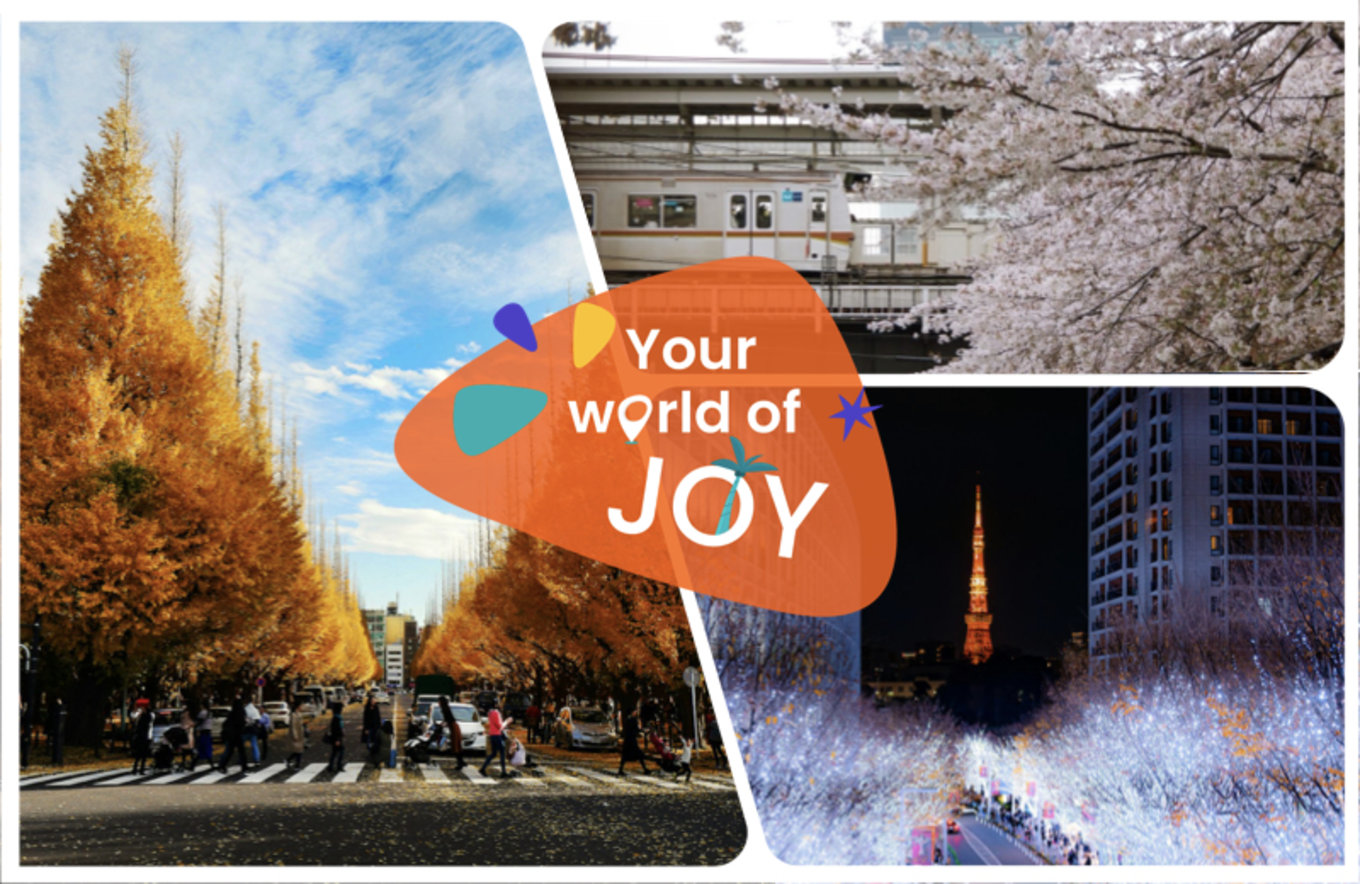
The best time to visit Tokyo depends on what you want from the trip. Cherry blossom fans and crowd dodgers end up picking very different months.
For cherry blossoms, aim for late March to early April. For autumn leaves and ginkgo trees, mid-November to early December is your window. If you just want comfortable weather, April to May and November are all solid picks. To keep crowds down, go in June, which has no public holidays in Japan, while the April blossom season and the November leaf season draw more visitors.
The weather data comes from the Japan Meteorological Agency, and every month below comes with blossom, festival and booking tips, so you can line your dates up with Japan’s holidays. One note for Southern Hemisphere travellers: the seasons are flipped, so Tokyo’s spring is autumn back home in Australia.
Best time to visit Tokyo by travel goal
The best time to go to Tokyo comes down to the one thing you most want to do.
Travel goal | Best months | Why |
|---|
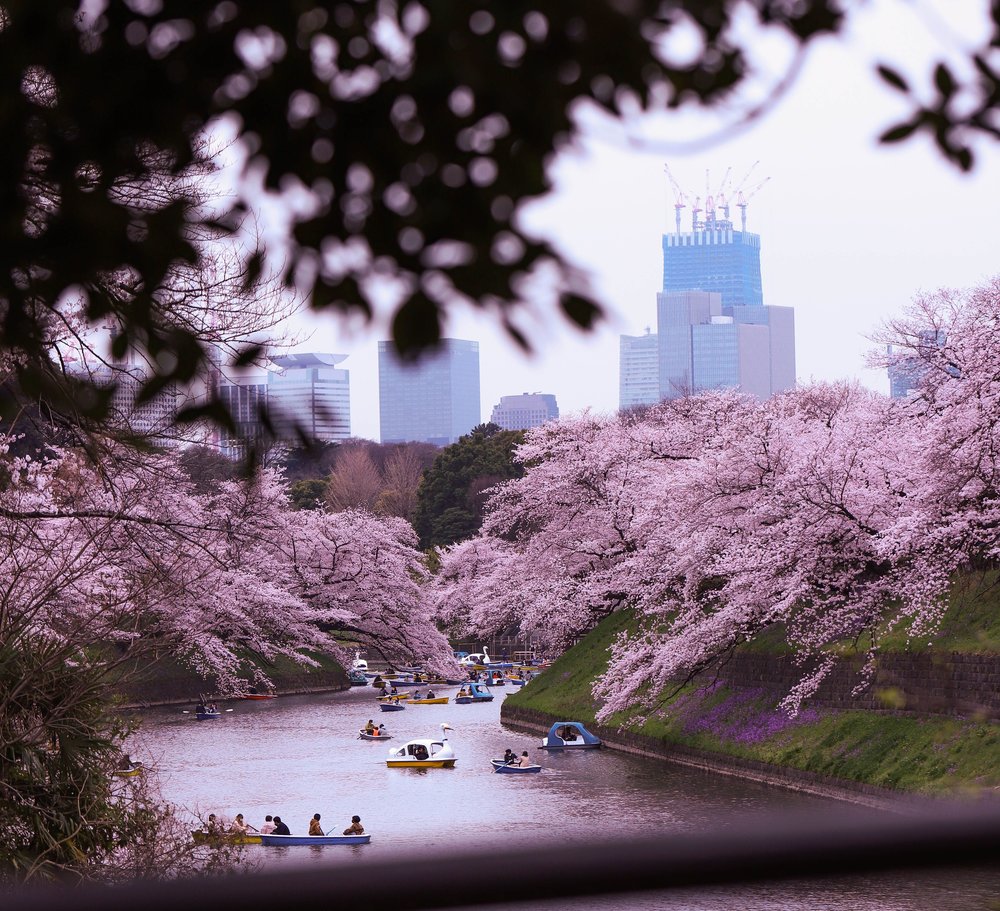
Cherry blossoms | Late March to early April | Tokyo’s average first-bloom date is 24 March (19 March in 2026), with full bloom about 1 week to 10 days later |
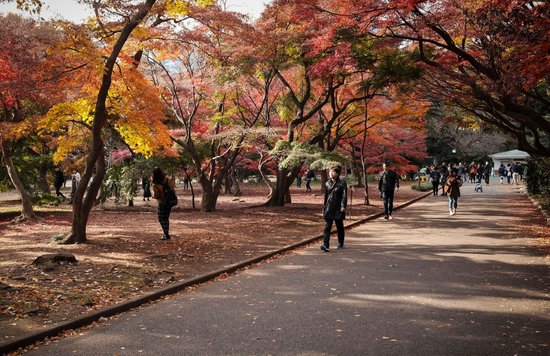
Autumn leaves and ginkgo trees | Mid-November to early December | The ginkgo avenue at Jingu Gaien usually peaks in late November to early December |
Fireworks | Around the last Saturday of July | The Sumida River Fireworks Festival is held then every year, with about 20,000 shots in 2026 |
Illuminations | November to mid-February | Tokyo’s light displays usually start after Halloween and run until mid-February |
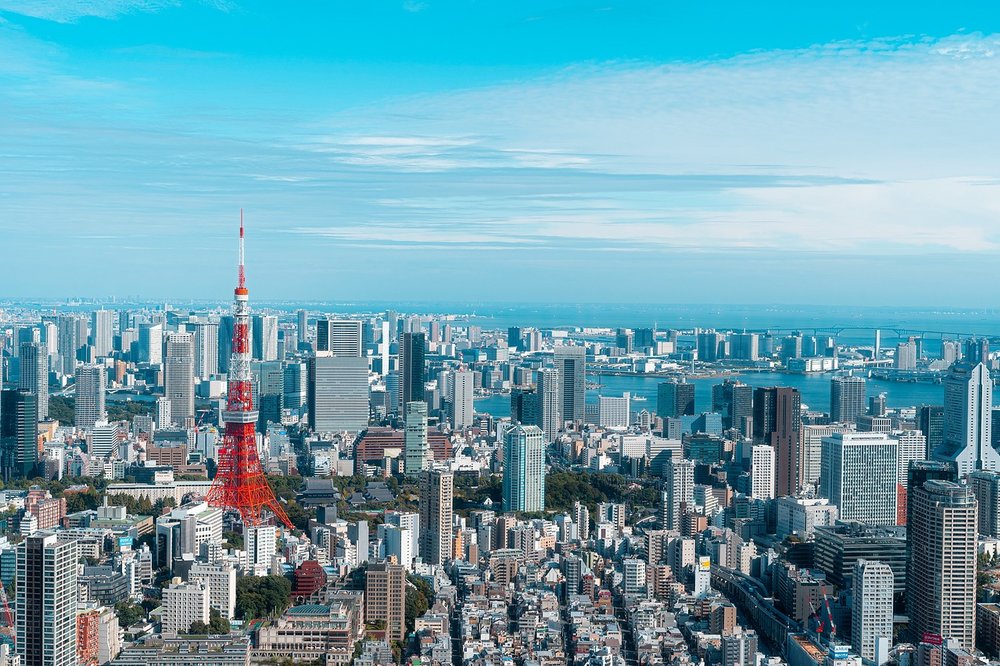
Views of Mount Fuji | Winter (December to February) | Clearer air gives you a chance of spotting Mount Fuji from Tokyo Skytree or Tokyo Tower |
Comfortable, drier weather | November | Average 12.5°C and about 96 mm of rain, clearly less than October |
Fewer crowds | June | No public holidays in Japan, so your plans are less affected by long weekends |
New Year shrine visit | 1 to 3 January | Meiji Jingu usually welcomes more than 3 million visitors over these three days |
Tokyo weather by month: temperature and rainfall
January is Tokyo’s coldest month and August is the hottest, while September and October bring the most rain.
Month | Average temperature | Rainfall | Highlights |
|---|
January | 5.4°C | 60 mm | Hatsumode (first shrine visit of the year), clear winter skies |
February | 6.1°C | 57 mm | Setsubun, plum blossoms, end of illuminations |
March | 9.4°C | 116 mm | Plum blossoms, first cherry blossoms |
April | 14.3°C | 134 mm | Cherry blossoms, Asakusa yabusame |
May | 18.8°C | 140 mm | Golden Week, Sanja Matsuri |
June | 21.9°C | 168 mm | Rainy season |
July | 25.7°C | 156 mm | Sumida River Fireworks Festival |
August | 26.9°C | 155 mm | Obon, extreme heat |
September | About 25°C early, about 21°C late | About 225 mm | Typhoons, autumn rain, Silver Week |
October | 18.0°C | 235 mm | Halloween, first autumn leaves |
November | 12.5°C | 96 mm | Autumn leaves and ginkgo trees |
December | 7.7°C | 58 mm | Illuminations, year-end crowds |
Temperature and rainfall are 1991 to 2020 normals from the Japan Meteorological Agency’s Tokyo observation station.
Tokyo in spring (March to May): what’s the best month?
Spring starts with plum blossoms and early cherry blossoms in March and ends with traditional festivals in May. Average temperatures climb from 9.4°C to 18.8°C over the three months.
March: early cherry blossoms, changeable weather
Tokyo’s March averages 9.4°C with about 116 mm of rain, so you’ll still want a jacket in the morning and evening. In 2026, Tokyo’s cherry blossoms started to bloom on 19 March, five days earlier than the average date of 24 March. Full bloom usually arrives about a week to 10 days after that, so late March already has a good chance of catching the peak.
Want a head start? Tokyo’s plum blossom festivals run between early February and mid-March. Plum trees bloom more slowly and handle the cold better, so the viewing window is longer than for cherry blossoms. The Kyodo-no-Mori Plum Festival, the Setagaya Plum Festival and the Bunkyo Plum Festival are well-known options around the city.
Klook Tip: Bloom dates change every year, so check the latest forecast one to two weeks before you fly, then lock in your dates.
April: cherry blossom season
Tokyo’s April averages 14.3°C with about 134 mm of rain, and it’s the month most travellers picture when they think of cherry blossoms. Based on the average first-bloom date of 24 March and about a week to 10 days until full bloom, the season usually lands in late March to early April. The exact timing still depends on that year’s temperatures. Blossom season often overlaps with the Easter break and April school holidays in Australia, so book flights early.
Asakusa holds yabusame (mounted archery) in April. Archers in traditional costume shoot at targets from horseback against a modern city backdrop, which makes a great alternative to the blossoms.
May: Golden Week, then Sanja Matsuri in Asakusa
Tokyo’s May averages 18.8°C with about 140 mm of rain, so it’s properly warm again. Golden Week, in late April and early May, is Japan’s busiest domestic travel period though. In 2026 the longest stretch of days off ran 29 April to 6 May, with higher flight and hotel prices and the heaviest crowds.
After Golden Week, the highlight of May is Asakusa’s
Sanja Matsuri, a three-day festival that draws about 1.8 million visitors. It’s the liveliest event in Asakusa all year. While you’re there, you can also rent a
kimono or yukata for the day or make your own ring at a
ring-making workshop.
Tokyo in summer (June to August): rainy season, fireworks and heat
Summer starts with the rainy season, passes through fireworks festivals and ends in August’s heat, so plan every day around the weather.
June: rainy season and no public holidays
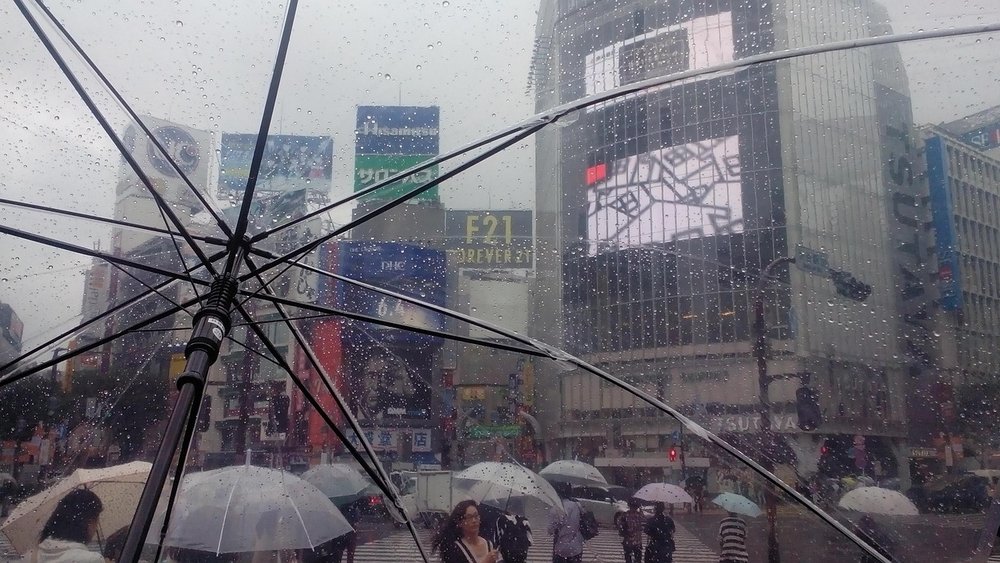
Tokyo’s June averages 21.9°C, with about 168 mm of rain in an average year. In the Kanto-Koshin region, the rainy season normally starts around 7 June and ends around 19 July. In 2026 it began around 7 June and ended around 20 July, close to normal.
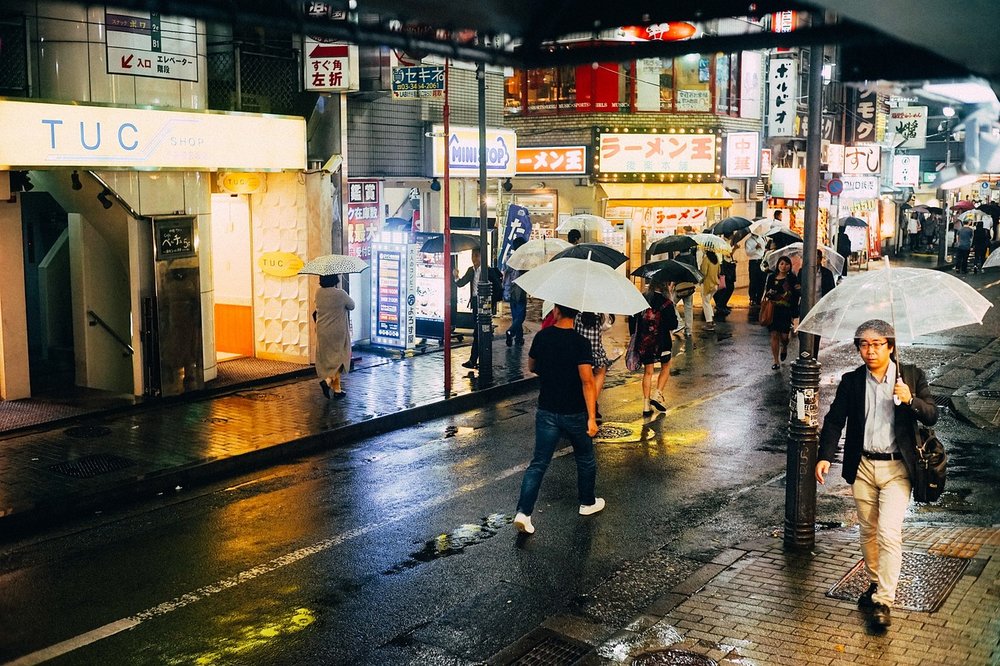
June 2026 was hit by three typhoons, and Tokyo’s monthly rainfall reached 436.5 mm, about 2.6 times the average and the third wettest June on record, so totals can swing a lot year by year. Still, June has no public holidays in Japan, so long weekends are less likely to disrupt your plans. Pack an umbrella and keep some indoor options in reserve.
teamLab Borderless is indoors, so it works on wet days.
Klook Tip: For a June trip, keep one swappable indoor activity free each day, so you can switch plans when it pours.
July: Sumida River Fireworks Festival
Tokyo’s July averages 25.7°C with about 156 mm of rain. The Sumida River Fireworks Festival takes place on the last Saturday of July. The 49th edition in 2026 ran on 25 July, 7pm to 8.30pm, with about 20,000 fireworks.
The festival has two viewing areas. The first runs along the river between Sakurabashi Bridge and Kototoi Bridge, and the second between Komagata Bridge and Umaya Bridge. It’s cancelled in bad weather.
Klook Tip: Fireworks night is packed, so wear light, easy clothes and leave extra time to get back.
August: extreme heat and Obon
Tokyo’s August averages 26.9°C with about 155 mm of rain. August 2025 averaged 29.6°C, the hottest August on record, so bring sun protection and plenty of water for daytime outings.
Obon (a Buddhist festival honouring ancestors) falls around 13 to 16 August. It isn’t an official public holiday, but many Japanese companies close and people head home, so trains and hotels get busier. If it’s too hot during the day, start out in the evening and head up
Tokyo Skytree to dodge the worst of the heat. The tower is 634 m tall, and its Tembo Deck sits at 350 m.
Tokyo in autumn (September to November): typhoons, autumn leaves and crowds
Autumn begins with typhoon season in September and peaks with the autumn leaves and ginkgo trees in November.
September: watch for typhoons and autumn rain
Tokyo’s temperatures in September average about 25°C in early September and about 21°C in late September, with about 225 mm of rain over the month. It’s also a time when typhoons hit more often. On 19 to 22 September 2026, Typhoon No. 25 approached the Kanto region, and the Edogawa Rinkai station in Tokyo recorded 282.5 mm of rain in 24 hours, a record for that station.
September 2026 also had a five-day Silver Week, when more domestic travellers hit the road, so check the holiday dates before you book.
Klook Tip: For a September trip, keep an eye on typhoon forecasts and choose hotels and transport you can change.
October: cooler weather, plenty of rain
Tokyo’s October averages 18.0°C with about 235 mm of rain in an average year, making it the wettest month of the year. It’s cooler, but you should still have rainy-day backups.
In some parts of Tokyo, leaves begin to change from late October, and many theme parks run Halloween events in autumn, such as
Sanrio Puroland. Tokyo’s illuminations usually start after Halloween, so evening outings are possible from late October through November.
November: autumn leaves and ginkgo season
Tokyo’s November averages 12.5°C with about 96 mm of rain, much drier than October. It’s one of the months with the best mix of temperature and weather.
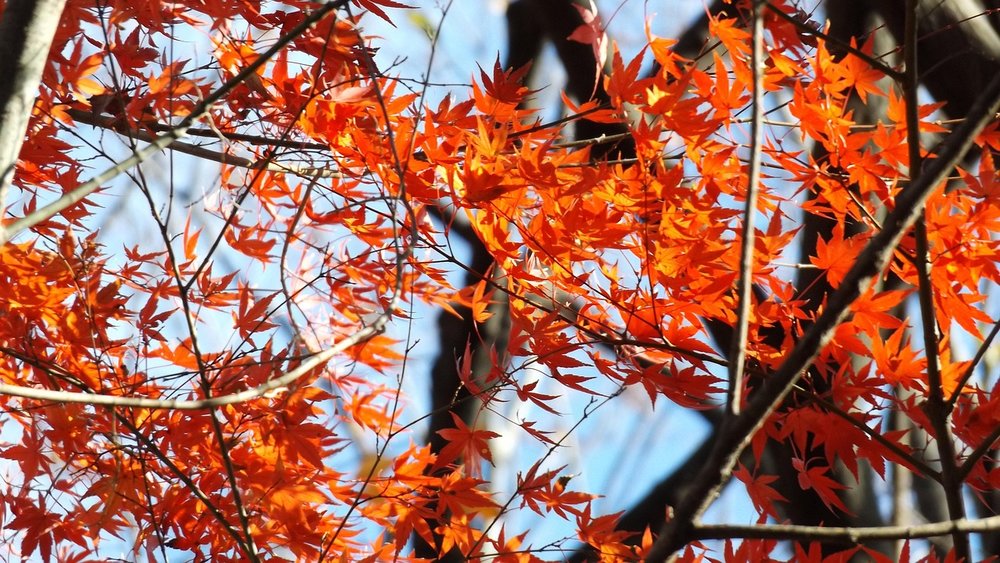
The ginkgo avenue at Jingu Gaien is about 300 m long. The trees start turning yellow in mid-November and go golden in late November, with the usual peak in late November and early December. The Meiji Memorial Picture Gallery is undergoing seismic reinforcement and conservation work, expected to last until the end of May 2027, so there’s scaffolding around it and the view differs from usual. For evening leaf viewing, Rikugien, Showa Kinen Park and Shiba Park all have illuminated spots.
Want to see leaves farther out? Add a
Mount Fuji day tour, as leaves around the lakes near Mount Fuji start changing around late October and last through November. If you’re planning day trips by rail, the
JR Tokyo Wide Pass and
JR East Pass are worth a look.
November is leaf season, and Culture Day (3 November) and Labor Thanksgiving Day (23 November) are both public holidays, so book early.
Tokyo in winter (December to February): illuminations, hatsumode and Mount Fuji views
Winter averages about 5°C to 8°C. It’s cold but dry, which makes it the season for illuminations and observation decks.
December: illuminations start, year-end crowds build
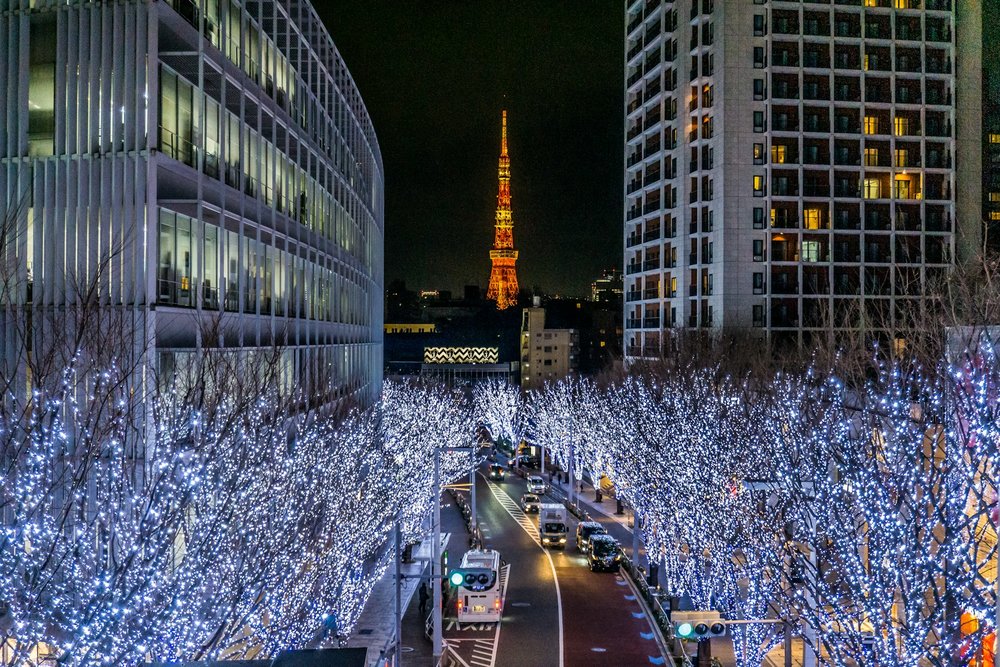
Tokyo’s December averages 7.7°C with about 58 mm of rain. The city’s illuminations usually start after Halloween and run until mid-February, and the displays in Roppongi and Shibuya are especially well known.
Japan’s New Year holiday runs through late December and early January, so confirm your itinerary and bookings early. Australia’s Christmas and January school holidays fall in the same window, so flights and hotels book out fast.
January: hatsumode and clear skies
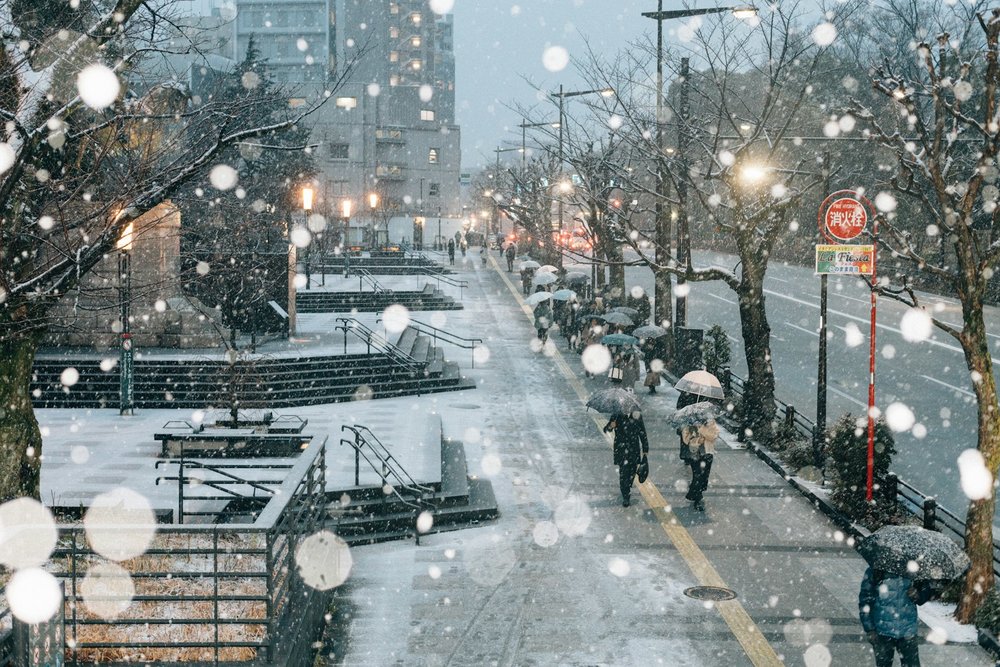
Tokyo’s January averages 5.4°C, the lowest of the year, with about 60 mm of rain. Snow isn’t common in Tokyo in winter, and trains and buses normally keep running. Rail operators only tend to plan suspensions when strong wind or heavy snow is forecast.
Meiji Jingu is Japan’s most visited shrine for
hatsumode (the first shrine visit of the year), and it usually welcomes more than 3 million people on 1 to 3 January. In winter, the air is clearer, so from
SHIBUYA SKY or Tokyo Skytree you have a chance of spotting Mount Fuji. SHIBUYA SKY sits at Shibuya Scramble Square, 229 m up.
Klook Tip: Arrive at the observation deck about an hour before sunset to see the city by day, at sunset and by night.
February: Setsubun and plum blossoms
Tokyo’s February averages 6.1°C with about 57 mm of rain. Setsubun (a spring-welcoming festival with bean throwing) falls on 3 February, and Zojoji, Sensoji, Kanda Myojin and Okunitama Shrine all hold events. At Zojoji, you can join the bean-throwing ritual.
Plum blossoms start opening in early February, and Kasai Rinkai Park holds its Narcissus Festival in February too. Illuminations can still be seen in early February before they gradually wind down.
Tokyo peak and off-peak seasons: when are the crowds?
Tokyo’s busy and quiet periods are mostly driven by Japanese holidays, blossom season and leaf season.
Period | Dates | Impact |
|---|
New Year holidays | Late December to early January | Huge hatsumode crowds at Meiji Jingu |
Coming-of-Age Day | Second Monday of January (12 January in 2026) | Longer queues at Tokyo Disney |
Golden Week | 29 April to early May (longest 2026 break ran to 6 May) | Highest flight and hotel prices, heaviest crowds |
Obon | Around 13 to 16 August | Not a public holiday, but trains and hotels are busier |
Silver Week | September (five days off in 2026) | More domestic travellers |
Labor Thanksgiving Day | 23 November | Overlaps with leaf season |
Keen to avoid crowds? Pick June, which has no public holidays in Japan. If you must travel during Golden Week, avoid the day before the break starts and the last two days.
How many days do you need in Tokyo?
Klook’s Tokyo page recommends 5 days. That’s enough for the city’s observation decks, a theme park and a day trip nearby, with one spare day for rain or typhoons. For getting around the city, consider the
Tokyo subway ticket.
FAQs about the best time to visit Tokyo
What is the best time to visit Tokyo?
It depends on your goal. Pick late March to early April for cherry blossoms and mid-November to early December for autumn leaves and ginkgo trees. If you want to avoid both the rainy season and the extreme heat, April to May and November are the better fit.
When is the best time to see cherry blossoms in Tokyo?
It varies by year. The average first-bloom date is 24 March, and in 2026 it was 19 March. Full bloom comes about a week to 10 days after that, so late March to early April gives you the best chance. Checking the latest forecast one to two weeks before departure is the safest approach.
When are the autumn leaves in Tokyo?
Tokyo’s autumn leaves usually peak in mid-November to early December. The popular ginkgo avenue at Jingu Gaien usually peaks in late November to early December. Leaves around the lakes near Mount Fuji start changing around late October.
Is June a good time to visit Tokyo?
June is Tokyo’s rainy season, with about 168 mm of rain in an average year, but it has no public holidays in Japan, so long weekends are less likely to disrupt your plans. Bring an umbrella and keep some indoor options in reserve.
How far ahead should I book Tokyo activities?
Book earlier for peak periods: cherry blossom season, Golden Week, the November leaf season and the year-end holidays. Observation decks, theme parks and day tours are the ones most worth locking in ahead of time.
Does it snow in Tokyo in winter?
Snow is occasional but not frequent, and it rarely settles. January and February are the coldest months, and winter averages about 5°C to 8°C, so pack a warm coat, gloves and a scarf.
Which month has the fewest crowds in Tokyo?
June, which has no public holidays in Japan. The April blossom season, Golden Week, Obon, the November leaf season and the New Year holidays are the busier periods.
Can you visit Tokyo during Golden Week?
You can, but crowds are at their heaviest and flights and hotels cost the most. The longest 2026 break ran 29 April to 6 May. If you have to go, avoid the day before the break starts and the last two days.
How long is the flight to Tokyo?
Sydney is about 9.5 hours direct, and Tokyo is 1 hour behind Sydney during AEST, 2 hours behind during daylight saving (AEDT), and 1 hour ahead of Perth. Flight times vary by route, but as a rough guide: Hong Kong is about 4.5 hours (per Klook’s Tokyo page), Singapore about 7 hours, Los Angeles about 11 to 12 hours, and London or Frankfurt about 14 hours direct.
Do I need a visa to visit Tokyo?
Travellers from many countries, including Australia, the US, UK, Canada and most EU countries such as Germany, can enter Japan without a visa for short stays, generally up to 90 days. Rules depend on your passport, so check Smartraveller (smartraveller.gov.au) and Japan’s Ministry of Foreign Affairs before you book. Visit Japan Web isn’t required, but registering ahead makes immigration and tax-free shopping smoother. Japan also plans to introduce an electronic travel authorization system called JESTA in fiscal year 2028, so trips before then are unaffected.
Plan your Tokyo trip
The best time to visit Tokyo comes down to what you want to see, how many crowds you can handle and how much weather variation you can live with. For cherry blossoms or autumn leaves, plan around the bloom dates. For fewer crowds, June is the safer pick. Once you’ve chosen your month, browse
things to do in Tokyo on Klook to book observation decks, theme parks and day tours.
🔍️ More Tokyo travel guides
What is Klook?
Klook is a leading pan-regional experiences platform in Asia Pacific, purpose built to digitalize experiences and make them accessible to every traveler.
Our mission is to build the digital infrastructure for the global experience economy — empowering merchants to share their passions and travelers to discover the heartbeat of each destination. We operate a mobile-first, curated platform featuring diverse experiences across global destinations.