Taal lake Tickets & Tours
Manila & Tagaytay Full-Day Private Guided Tour
Manila Tagaytay Ridge Full-Day Private Guided Tour

Where to stay in Taal lake

Aspen at Wind Tagaytay – Executive Suites, Taal Volcano & Lake Views
Calinisan Resort Hotel Inc.
Taal lake Reviews
Popular places near Taal lake
FAQs about Taal lake
When is the best time to visit Taal Lake in the Philippines?
When is the best time to visit Taal Lake in the Philippines?
How can I get to Taal Lake from Manila?
How can I get to Taal Lake from Manila?
What should I be aware of when visiting Taal Lake?
What should I be aware of when visiting Taal Lake?
What transportation options are available for exploring Taal Lake?
What transportation options are available for exploring Taal Lake?
What local cuisine should I try when visiting Taal Lake?
What local cuisine should I try when visiting Taal Lake?
Are there any safety precautions I should take when visiting Taal Lake?
Are there any safety precautions I should take when visiting Taal Lake?
What to know about Taal lake
Remarkable Landmarks and Must-Visit Sights
Volcano Island
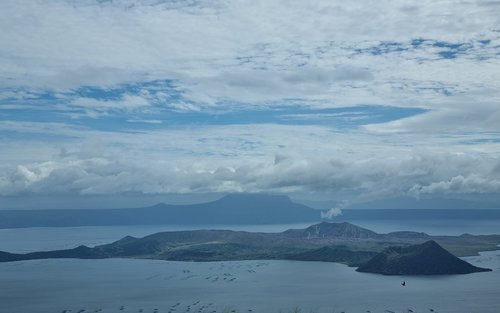
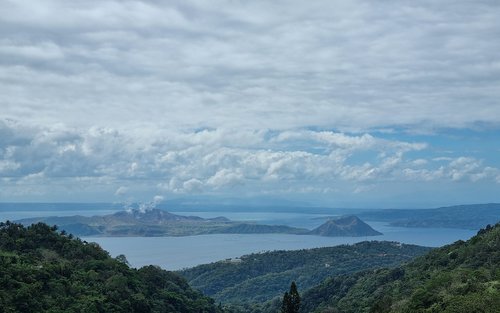
Embark on an unforgettable journey to Volcano Island, where the active Taal Volcano awaits your exploration. This captivating island is home to the mesmerizing Yellow Lake, with its unique third-order islet, Vulcan Point. Whether you're trekking to the summit or enjoying a scenic horseback ride, the panoramic views of the surrounding lake and landscapes promise an adventure like no other.
Taal Volcano
Discover the awe-inspiring beauty of Taal Volcano, a natural wonder rising from the heart of Taal Lake. This iconic attraction offers picturesque vistas and exhilarating hiking trails that beckon nature lovers and adventure seekers alike. Immerse yourself in the breathtaking scenery and experience the thrill of exploring one of the Philippines' most renowned volcanic sites.
Main Crater Lake
Step into a world of wonder at Main Crater Lake, the world's largest 'double' lake, nestled within the embrace of Volcano Island. This serene body of water, with its tranquil ambiance and the intriguing Vulcan Point rock formation, offers a surreal escape from the ordinary. Whether you're a geology enthusiast or simply seeking tranquility, Main Crater Lake is a must-see marvel that captivates all who visit.
Culture and History
Taal Lake is steeped in a rich history marked by significant volcanic activity. The 1754 eruption of Taal Volcano was one of the largest, reshaping the landscape and submerging several lakeside towns. The area is now a protected landscape, emphasizing conservation and historical preservation. The lake is recognized as one of the 'Decade Volcanoes,' highlighting its importance in volcanic studies. The surrounding towns, once thriving, now lie in ruins, adding a layer of historical intrigue to the area.
Unique Biodiversity
Taal Lake is a haven for nature enthusiasts, home to several endemic species like the freshwater sardine Sardinella tawilis and the rare sea snake Hydrophis semperi. These fascinating creatures have adapted to the lake's unique environment, making it a site of ecological interest and a must-visit for those passionate about biodiversity.
Local Cuisine
Indulge in the delightful flavors of Taal Lake's local cuisine, featuring delicacies such as 'maliputo,' a freshwater fish found in the lake. The region's culinary offerings are a unique blend of flavors that reflect its rich cultural heritage, providing a delicious experience for food lovers.
Ecological Significance
Taal Lake is not just a picturesque destination but also a vital fisheries resource, supporting a diverse array of native and endemic fish species. However, challenges such as overexploitation and the introduction of exotic species have impacted its ecological balance, making conservation efforts crucial for maintaining its natural beauty.
Cultural Heritage
The lake and its surroundings are steeped in cultural history, with local communities relying on its resources for generations. The traditional practices and stories of the people add a rich cultural layer to the natural beauty of the area, offering visitors a glimpse into the vibrant heritage of the region.
Geological History
Taal Lake's geological history is as intriguing as its beauty. Once part of the ocean, it became a lake due to volcanic eruptions in the 18th century. This transformation has led to the development of unique fauna, including freshwater sea snakes, making it a fascinating destination for geology enthusiasts.