

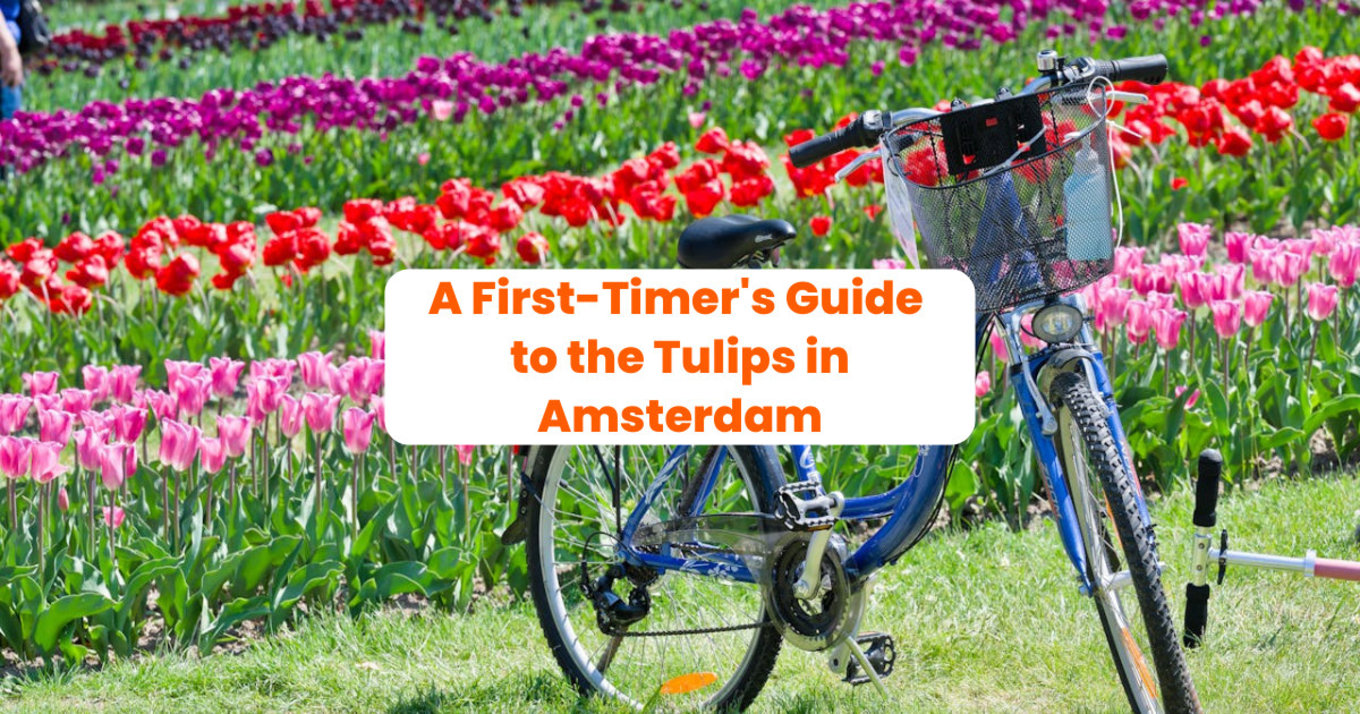
Your next big adventure awaits you here at Amsterdam, the Netherlands’ capital. A small city with a big personality, Amsterdam wows visitors from all over the world with its bustling nightlife, a food scene of Michelin restaurants, the Amsterdam Canals, and a rich history. Here, you’ll be spoiled for choice as you walk or even bike through its lively streets to visit famous destinations such as the Rijksmuseum, the Albert Cuyp Market, and Jordaan.
And while Amsterdam is a fantastic destination year-round, it is most popular during the springtime when the tulip fields are in full bloom. During this time, you can get to see millions of tulips in various colors as you walk around Bloemenmarkt for shopping, the Keukenhof for photography, and Lisse for cycling.
Read on below for our 6 best tips to see the iconic tulips in Amsterdam!
1. Peak blooming period is around mid April to early May
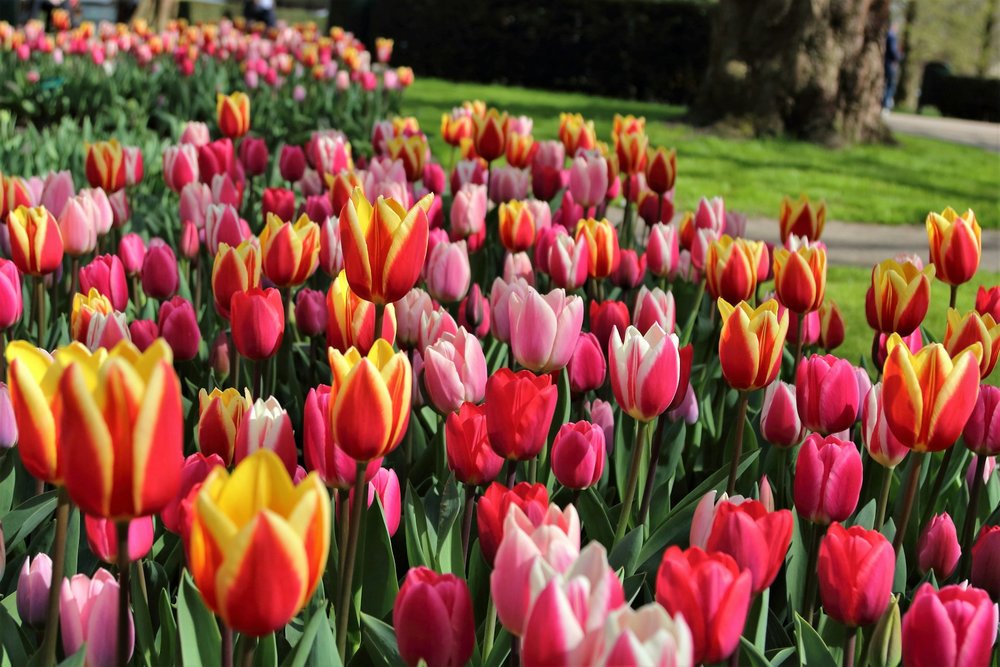
Visit from mid April to early May to see the tulips in Amsterdam in full bloom.
Though the tulips in Amsterdam may start blooming from as early as March and can even continue until the end of May, timing your visit can still prove to be quite finicky. Go too early and you may find budding flowers, while the blooms may already be cut off to prepare for next year’s growing season if you go too late.
It’s best to visit from the second week of April to the first week of May, as this is typically the peak blooming period. If you want to maximise the tulip season in Amsterdam, then a visit between the second to third weeks of April is best, as you’ll also get to experience limited time events such as the Tulp Festival and the Bloemencorso Flower Parade.
Klook tip: Blooming season may be delayed after a cold winter, or pushed earlier after a warm spring. Check the forecasts when planning your trip and try to keep your itinerary open, just in case you need to make some last minute changes to your schedule.
2. Avoid crowds by going early in the morning or late in the afternoon
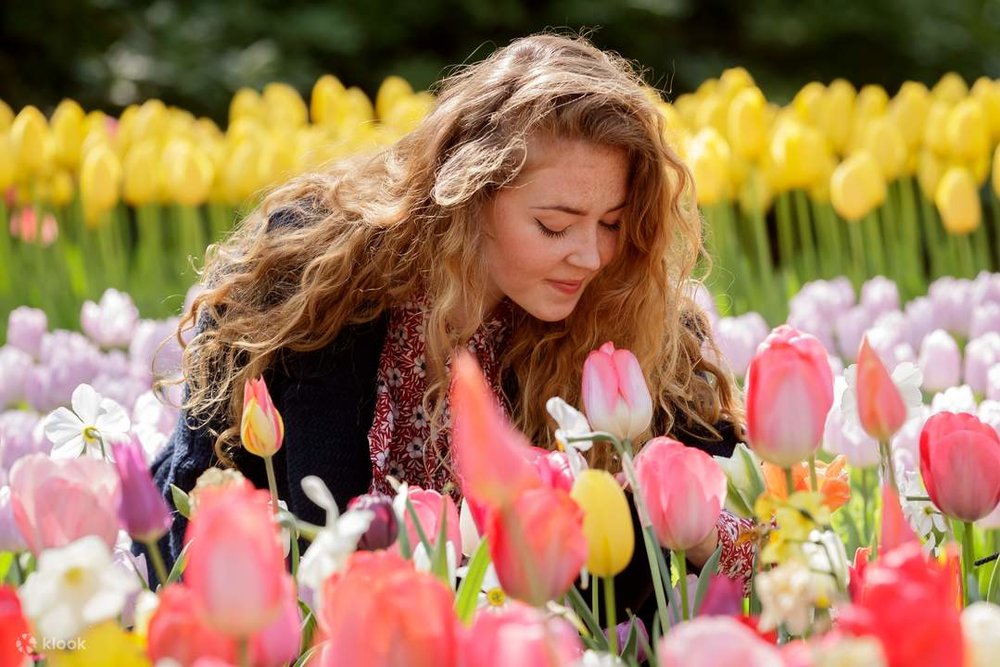
The best time to take photos of the tulips is either early in the morning or around sunset.
Avoid visiting the tulip fields in the middle of the day, as this tends to be the busiest time to see the tulips in Amsterdam. Instead, it’s best to go after breakfast or around sunset, as crowds are generally thinner during this time. This ensures that you’re freely able to walk around and admire the stunning flowers without feeling rushed.
Aside from smaller crowds, the lighting is also generally better in the morning and the afternoon. The harsh overhead sun in the middle of the day can make it difficult to take photos, while early mornings or late afternoons offer better opportunities to capture the perfect shot due to better lighting.
3. Tulip fields like the Keukenhof are must-visits
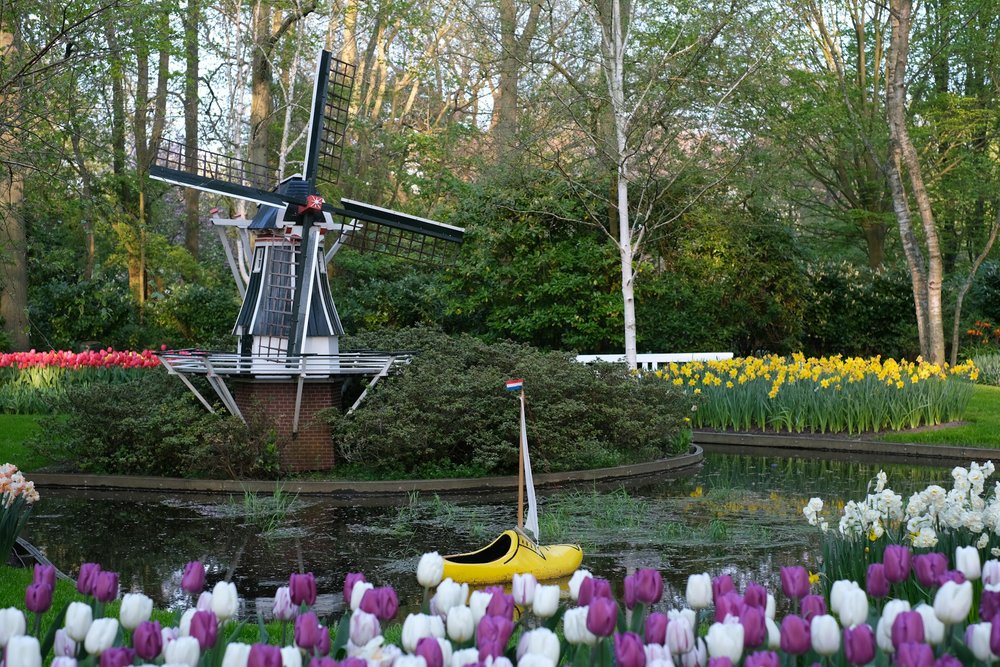
See 800 different varieties of tulips at Keukenhof, all planted and cared for by hand year-round.
The Keukenhof tulip fields are the most popular destination during peak blooming season for a good reason: here you can witness millions of tulips in full bloom, which makes for an unforgettable sight! With over 800 different varieties planted and cared for by hand, you’ll get to see tulips in different colors such as red, white, pink, purple, blue, and more.
But there’s more to Keukenhof than just the tulip fields: you’ll also get to see themed gardens, flower shows at the pavilions, a windmill from the 19th century, and go on a canal cruise. You can even enjoy a wonderful picnic here if the weather permits, as long as you bring your own food, drinks, and of course, a blanket to lay on.
Due to its popularity, prebooking your Keukenhof tickets is required. Tickets are valid for a specific date and time slot to avoid overcrowding, which means you’re guaranteed entry on your date of visit.
Klook tip: For ease of access, we recommend booking Keukenhof tickets with round trip transfers from Amsterdam for your visit (also called a combiticket). You may also consider Keukenhof tours, which includes Keukenhof tickets, round trip transfers, and a couple of other stops for sightseeing. Some of our favorites include:
- Keukenhof & Delft Full-Day Flower Viewing Tour: Stop by the Keukenhof tulip fields before visiting Delft, known for its pottery.
- Zaanse Schans and Keukenhof Day Trip: Explore Keukenhof before visiting Zaanse Schans for wooden shoe making, clog painting, and cheese tasting.
You may also consider visiting other tulip fields in the area such as the De Tulperij flower farm in Voorhout or the Tulip Barn in Hillegom.
4. Stop by the Bloemenmarkt for a unique shopping experience
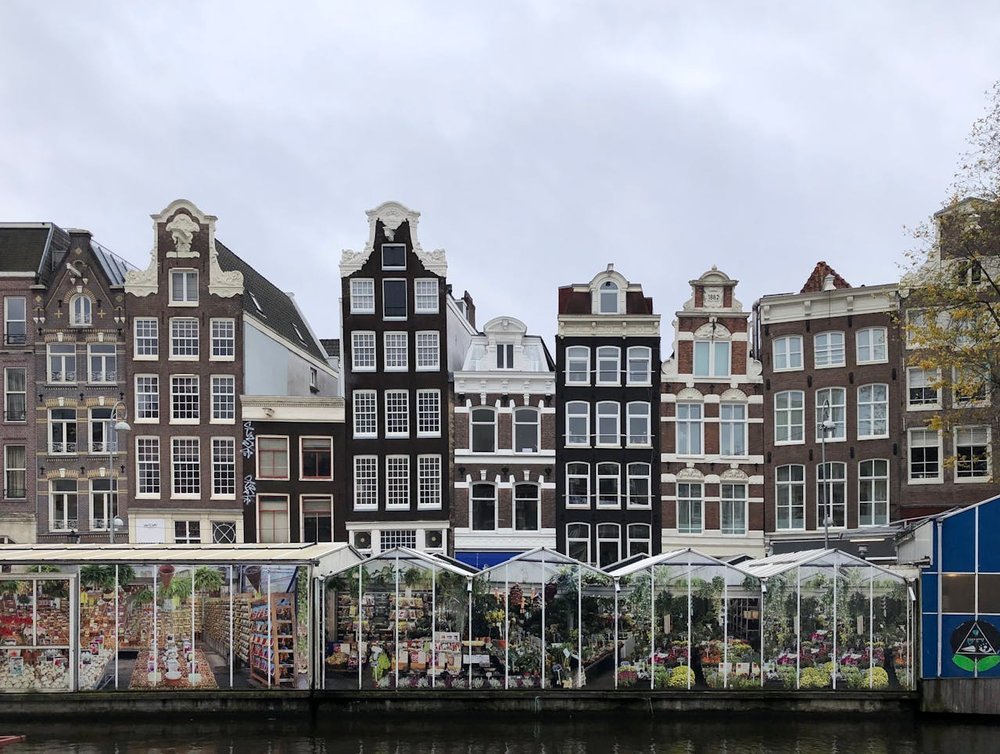
Shop for fresh flowers and other Dutch souvenirs like clogs, pottery, and even cheese at Bloemenmarkt.
The world’s only floating flower market, Bloemenmarkt along the Singel Canal is a must-see for anyone visiting Amsterdam. Shops on floating barges are lined up one after another to form a typical shopping street, each one displaying cut flowers and live plants like tulips, daffodils, and more.
While the Bloemenmarkt is known for its fresh flowers, you can also find a variety of other products such as clogs, pottery from Delft, dried flowers, and even Dutch cheeses. They also sell different types of bulbs for planting here (make sure you check if you can bring them home before purchasing any, especially if you’re coming from overseas!)
Bloemenmarkt is open year round, from 9:00 am to 5:30 pm on Mondays to Saturdays, and from 11:30 am to 5:30 pm on Sundays.
5. Check the weather before you go
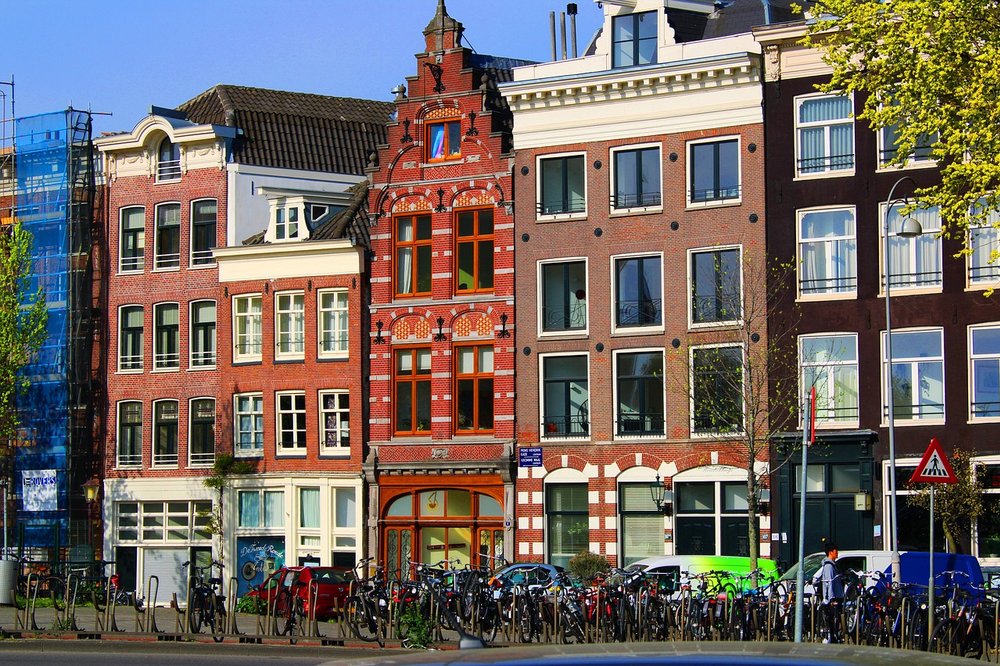
While Amsterdam’s skies are generally clear during spring, it’s best to be prepared for the occasional rainy day.
Springtime weather in Amsterdam can prove to be unpredictable. Some days are sunny and warm, while other days can be chilly, cloudy, or even rainy. It’s best to check the forecast the night before your visit and once more right before you leave, just to make sure you’re dressed appropriately.
Klook tip: Wear layers that can be removed easily, in case the weather suddenly warms up while you’re outside. We also recommend bringing an umbrella or a sun hat on extra warm days, while waterproof boots are ideal for rainy days when the fields get pretty muddy.
6. Rent a bike if you’re feeling adventurous

See more of the Keukenhof, Lisee, and the Bollenstreek areas by renting a bike.
No trip to the Netherlands would be complete without participating in its famous bicycle culture, and the tulip fields give you the perfect opportunity to do so. You can rent a bike directly at Keukenhof or Bollenstreek, before you set off along the various bike trails around the Keukenhof fields. There are several cycle routes in the area, which vary in length and difficulty, so make sure to pick one suitable for your skill level and interests.
Klook tip: The Keukenhof bike routes include:
- Blue route: A 5 kilometer route that takes you around Keukenhof Castle and the flower fields around Keukenhof Mill. It takes around 1 hour.
- Purple route: A 10 kilometer route that passes through the flower fields of Lisse and Voorhout, as well as Tulip Farm De Tulperij and ‘t Huys Dever. This route takes around 2 hours.
- Green route: A 15 kilometer route that follows the purple route, with additional stops at Landgoed Tespelduyn, The Tulip Experience Amsterdam, The Tulip Barn. This takes around 2 - 3 hours.
- Red route: A 25 kilometer route that passes by the beaches and dunes around Bollenstreek. This is the longest route and can take about 5 hours.
FAQs
1. When is the best time to see tulips in Amsterdam?
The best time to see tulips in Amsterdam is from the middle of April to early May, with the peak blooming period typically taking place around the second week of April. However, the exact timing may vary depending on the weather for that year, with warm springs leading to earlier blooms and colder winters causing delays.
Should you arrive too early or too late for peak blooming season but still want to see tulips, consider visiting greenhouses or nurseries, which have both early blooming and late blooming varieties.
2. Where can I find the most iconic Amsterdam tulip fields?
The most iconic tulip field in Amsterdam is Keukenhof, one of Europe's largest flower gardens and considered by most as the best tulip field in Amsterdam. Here you can see millions of tulips as you walk around the themed gardens, admire the windmills, and even enjoy a leisurely cruise along the canal.
Other popular tulip fields in Amsterdam include:
- Tulip Experience Amsterdam: The most accessible option for those who wish to stay in the city.
- De Tulperij: Explore the flower fields and the farm, free of charge unless you wish to book a guided tour to learn more about the tulips being grown there.
- Tulip Barn: Take photos of over 200 different tulip varieties, along with some cool props like vintage cars and mirrors.
Klook tip: If you have the time, you can visit Keukenhof, De Tulperij, and the Tulip Barn in one day by renting a car in Amsterdam or a bike around Bollenstreek.
3. What is tulip season in Amsterdam like for visitors?
Amsterdam during tulip season is one of the best times to visit the city. During this time, the weather has already started warming up, making it an ideal time for sightseeing the colorful tulip fields and trying out other outdoor activities like cycling.
However, this is also one of the busiest seasons in Amsterdam, so expect crowds especially during big events like the Bloemencorso Flower Parade or the King's Day holiday at the end of April.
4. Are the tulips in Amsterdam easy to reach without a tour?
Yes, tulip fields like Keukenhof and De Tulperij are accessible via public transportation. While most take either the train, the bus, or book round-trip transfers, you can also choose to rent a bike from Amsterdam or even rent a car and drive yourself there.
5. What are the top spots in the city to enjoy tulip displays without leaving Amsterdam?
While many of the top tulip displays are located outside of Amsterdam, there are still plenty of options if you’d rather stay in the city:
- Amsterdam City Center: Walk around the canal district to the Rijksmuseum, where you can see tulips by the pond.
- Vondelpark: Stroll among the tulips at Amsterdam’s most famous park. Other parks like Erasmuspark, Amstelpark and Nelson Mandelapark also have their own tulip displays in the spring, along with rose and magnolia gardens.
- Tulip Experience Amsterdam: Learn about the growing process as you walk through the colorful tulip fields.
- Bloemenmarkt: While you won’t see tulip fields here, you can still shop for cut flowers and even tulip bulbs at the world’s only floating flower market.
What is Klook?
Klook is a leading pan-regional experiences platform in Asia Pacific, purpose built to digitalize experiences and make them accessible to every traveler.
Our mission is to build the digital infrastructure for the global experience economy — empowering merchants to share their passions and travelers to discover the heartbeat of each destination. We operate a mobile-first, curated platform featuring diverse experiences across global destinations.
✨ Follow us for more deals and inspiration for your upcoming travels