
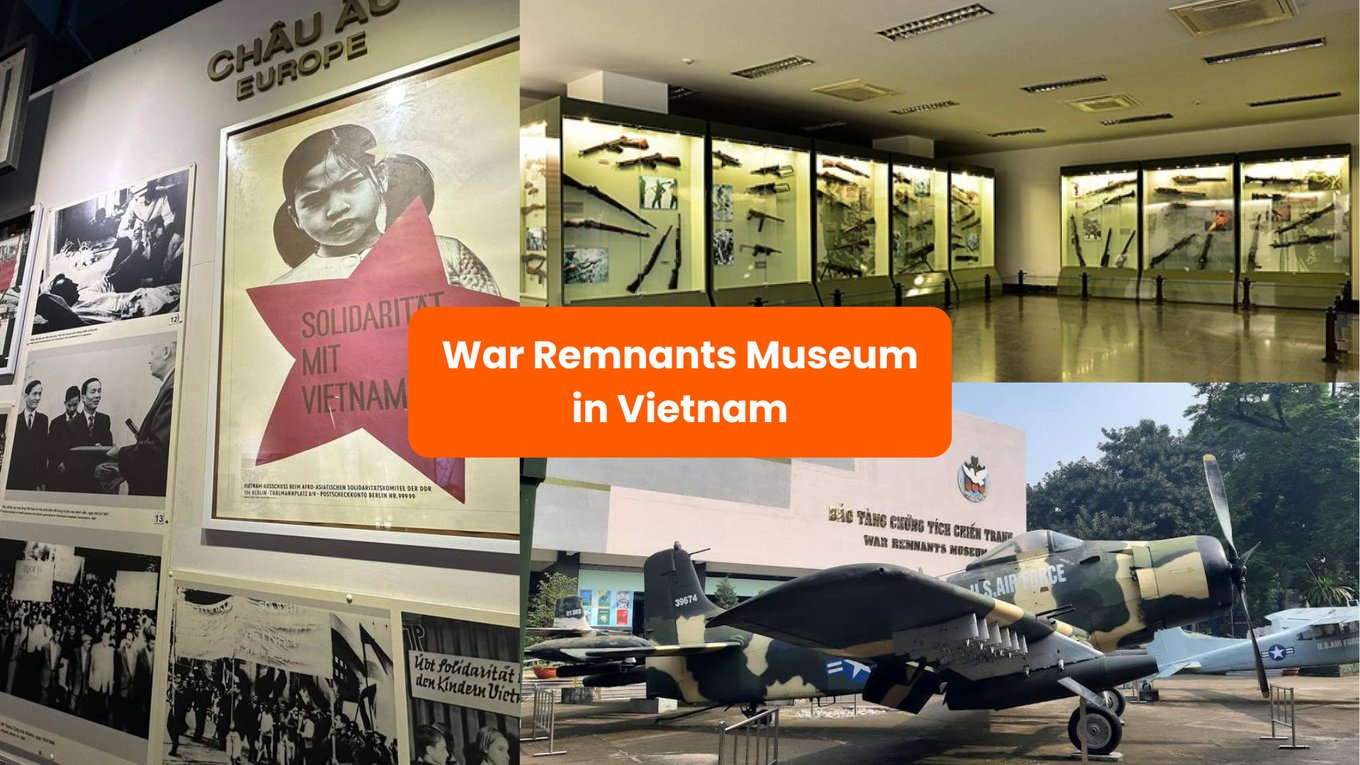
Ho Chi Minh City is known for its charm, with its sizzling street food, bustling markets, rich coffee culture, and thrilling motorbike adventures past historical sites. There’s nothing that quite compares to the comforting steam of authentic phở drifting from street stalls and the aroma of cà phê sữa đá from corner cafes where you could spend hours just people-watching. But tucked away in the lively heart of Saigon is a trip down Vietnam’s resilient past: the War Remnants Museum.
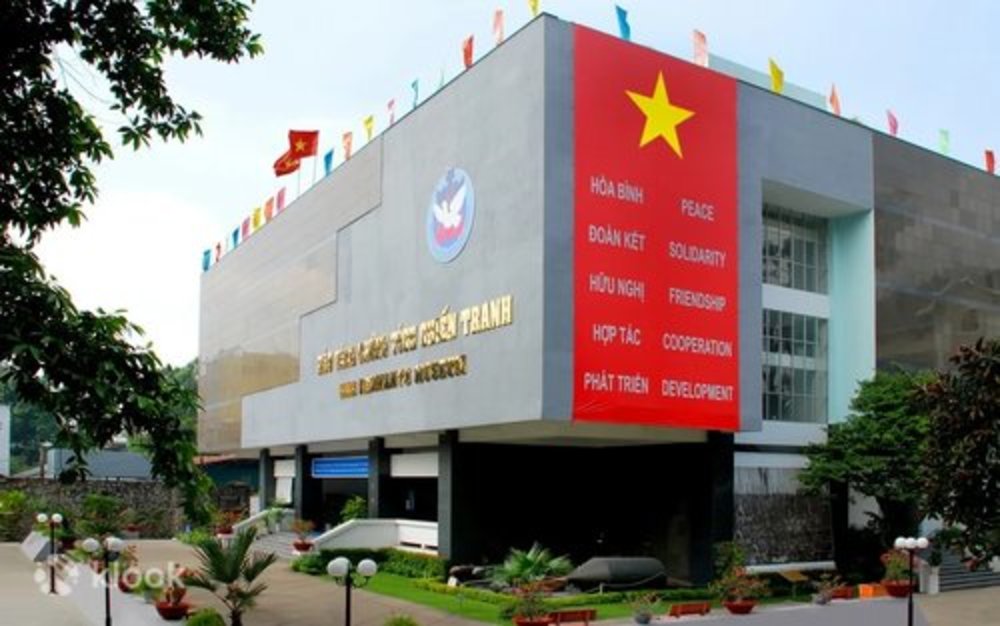
Main Building, War Remnants Museum
Visiting this museum isn’t just another sight to tick off your list; it’s an invitation to pause and learn about the country’s complex history. It’s the kind of place that balances the city’s energy with quiet moments of reflection–a powerful and sobering experience that offers a deeper understanding of the human cost of war.
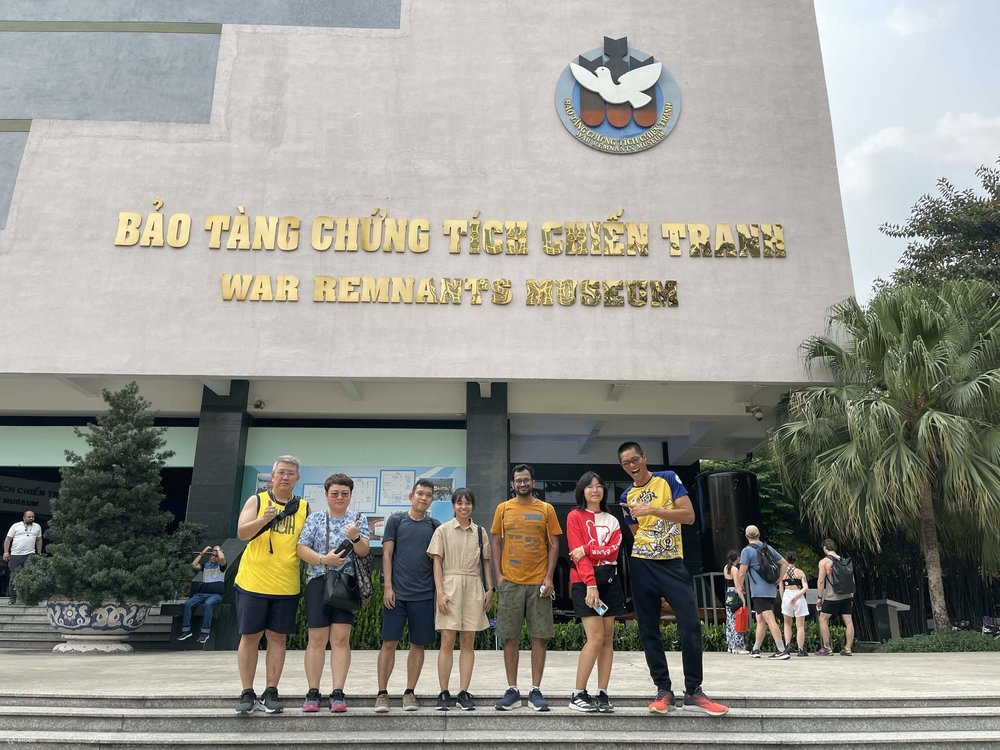
Visitors in front of the War Remnants Museum
For anyone who wants to step beyond the surface of Vietnam’s vibrant culture and really get to know the spirit of its people, the War Remnants Museum is an experience you wouldn’t want to miss.
Curious to see what lies inside? Let’s explore the War Remnants Museum and discover Vietnam’s history up close.
A Glimpse into Vietnam’s History
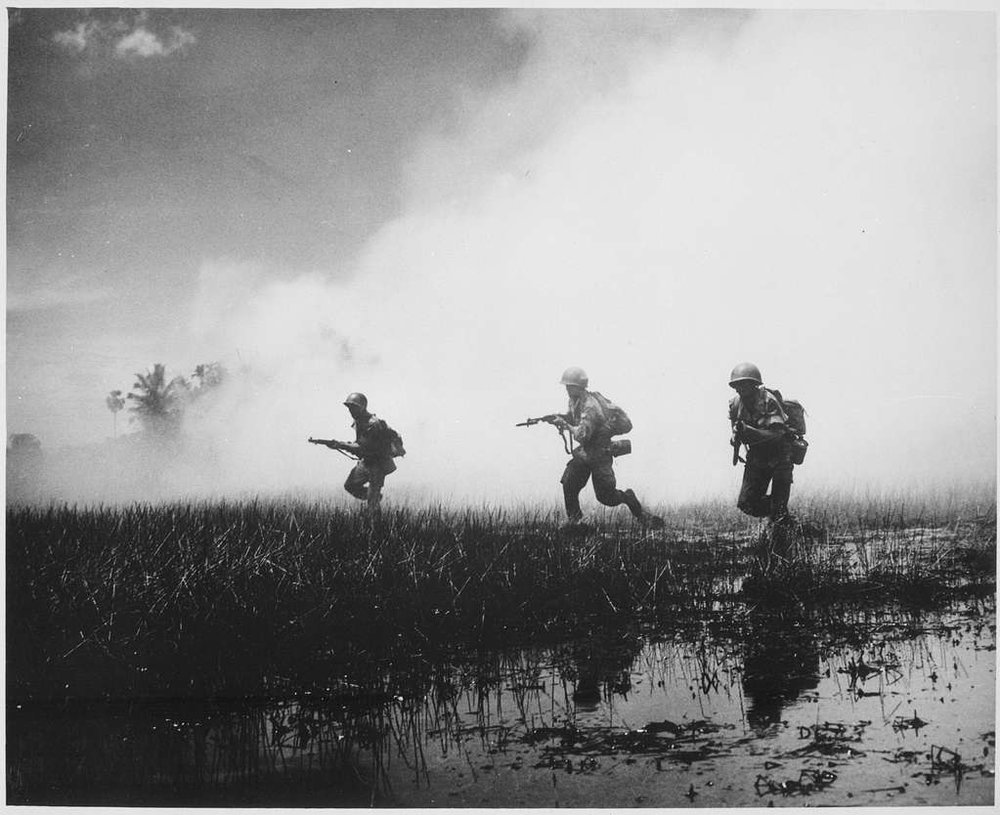
Crack troops of the Vietnamese Army in combat
The War Remnants Museum takes you straight into one of Vietnam’s most defining moments: The Vietnam War (1955-1975). Known locally as the Resistance War Against America, what began as a fight for reunification after decades of colonial rule and division escalated into a 20-year-long battlefield between the communist North Vietnamese forces and the South Vietnamese government, supported by the U.S.
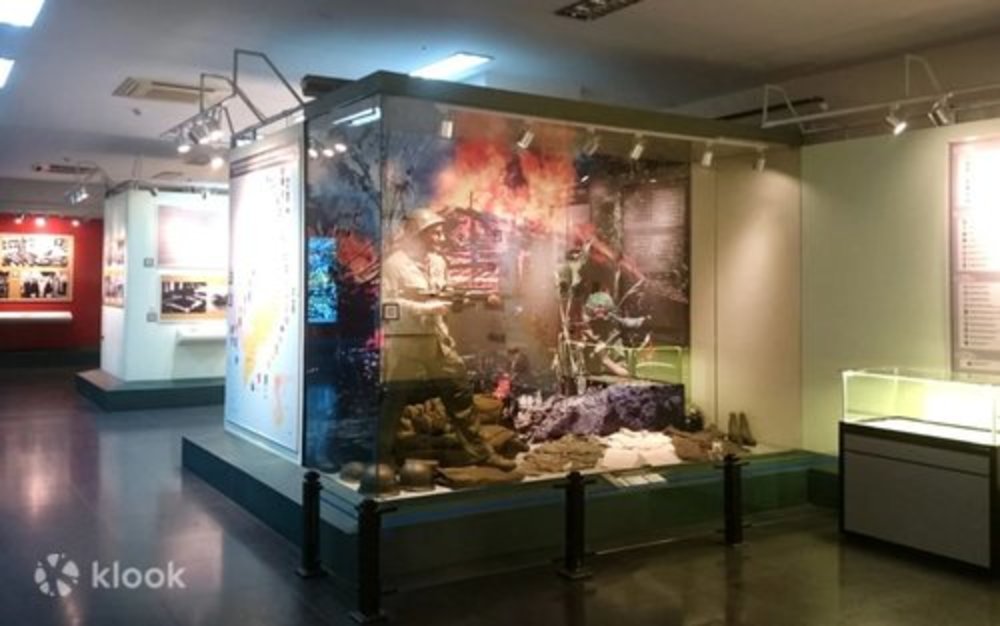
Brutal scenes of imprisonment and torture endured by war prisoners
The cost of war came at a devastating price: millions of lives lost, villages and cities reduced to ruins, and landscapes scarred by bombings and chemical exposure. Generations were left with the social and economic aftermath and the great challenge of rebuilding their nation. And yet, the war also became a story of Vietnam’s resilience.
The War Remnants Museum preserves this turbulent chapter of history.
About the War Remnants Museum
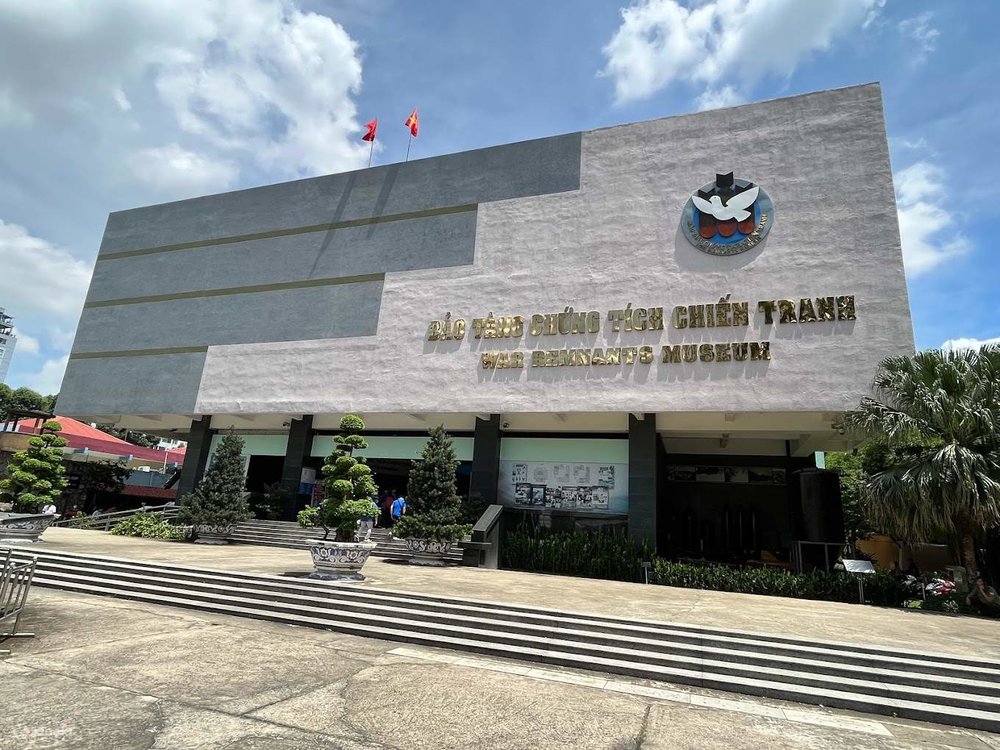
Overview of the War Remnants Museum building from the outside
Did you know? The War Remnants Museum opened its doors to the public on September 4, 1975, just five months after the Vietnam War had ended. It was initially called the “Exhibition House for U.S. and Puppet Crimes,” and its early exhibits were raw, unfiltered, and reflected the post-war sentiments of a nation fresh from conflict. As Vietnam and the United States improved diplomatic relations in the 90s, the name was changed to the “Exhibition House for Crimes of War and Aggression,” before finally adopting the title it holds today – the War Remnants Museum.
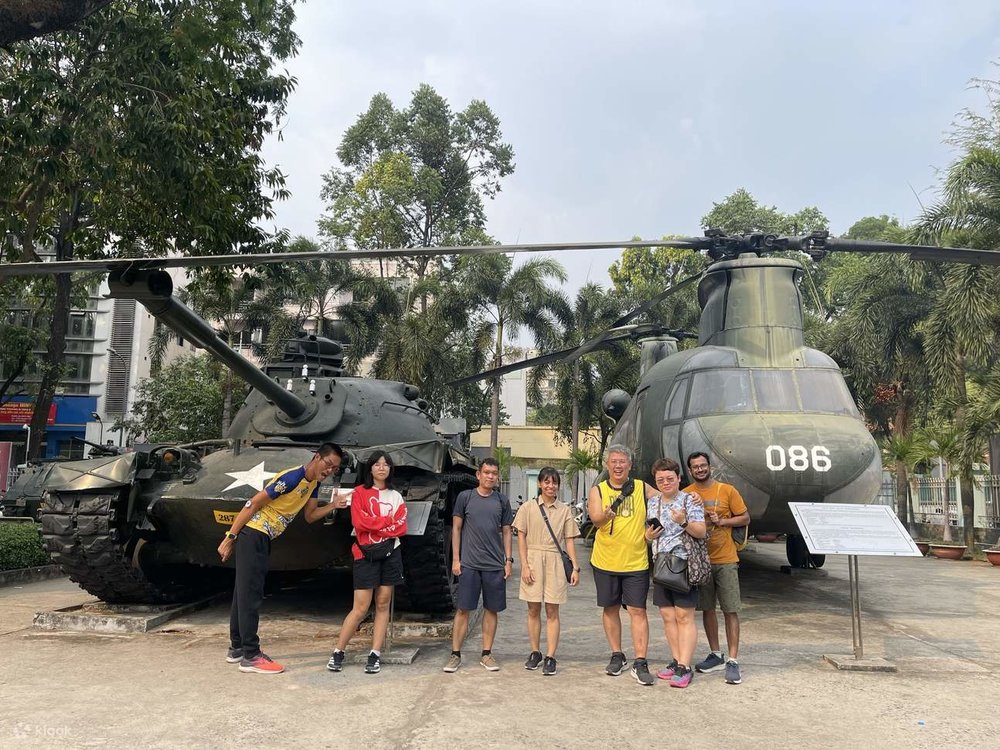
War Remnants Museum guided tours visitors
Today, it’s become the most visited museum in Ho Chi Minh City, attracting travelers from all over the world. The War Remnants Museum in Vietnam holds deep historical significance as it documents the Second Indochina War and the consequences inflicted on the Vietnamese people. While its main focus is on the Vietnam War, the museum also presents accounts from the French colonial era.
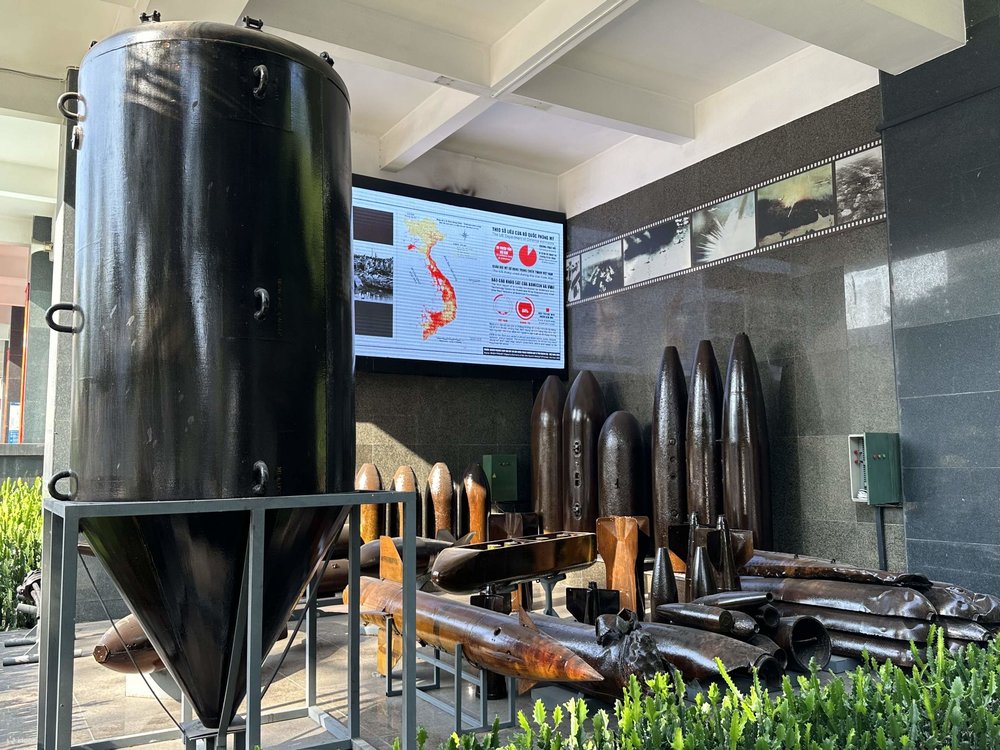
Military weapons on display
Inside, you’ll find the museum’s vast collection of over 20,000 artifacts is both comprehensive and unflinching. It includes weapons and other military equipment, sensitive photographs, films, and detailed narratives that vividly paint the nation’s reality during the war. These displays are not designed to sensationalize but rather to ensure that their history is neither forgotten nor repeated.
What to See Inside the Museum
The War Remnants Museum is relatively easy to navigate. It’s laid out across three main floors with eight thematic exhibitions, including the open-air exhibition area outside.
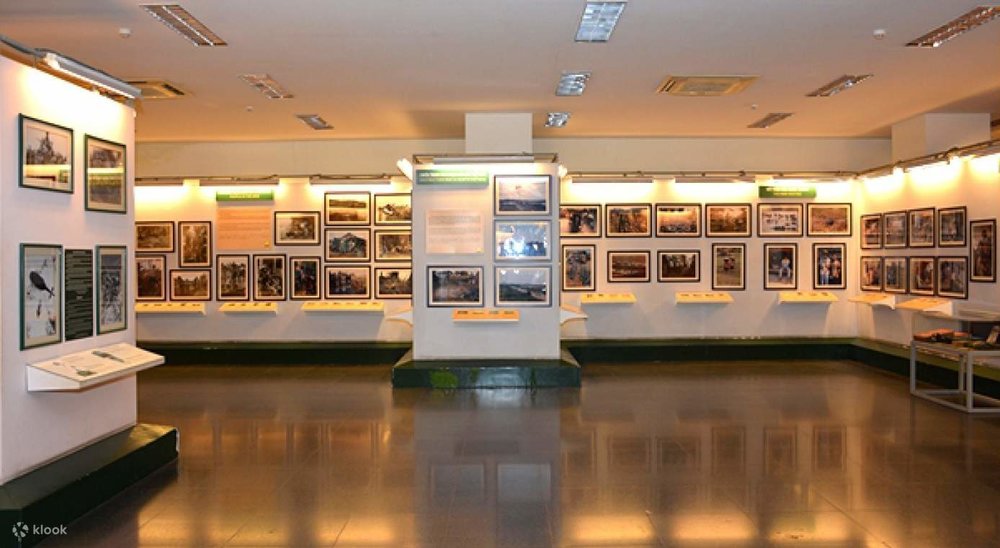
Vietnam War and Peace consists of 123 photographs by Japanese photographer Ishikawa Bunyo
Here’s what you can explore in each section:
1. Outdoor Military Display
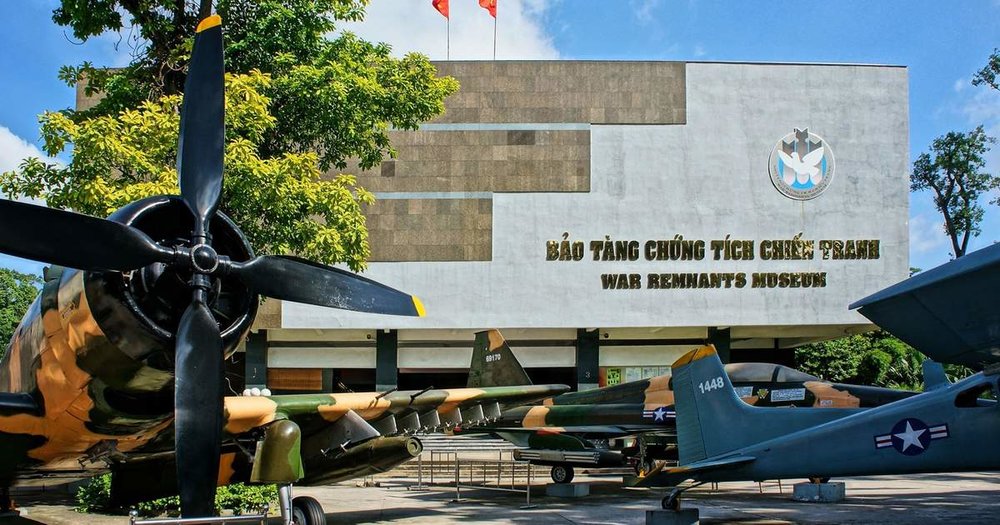
Aircraft in front of the War Remnants Museum
Before you even step inside, you’ll be greeted by an impressive yet intimidating collection of military equipment and heavy weapons used by the U.S. Army and Air Force. The courtyard displays armored tanks, helicopters, and fighter jets, as well as different types of weapons such as bombs, missiles, and mines that were active during the war. And of course, all detonators were disarmed before display.
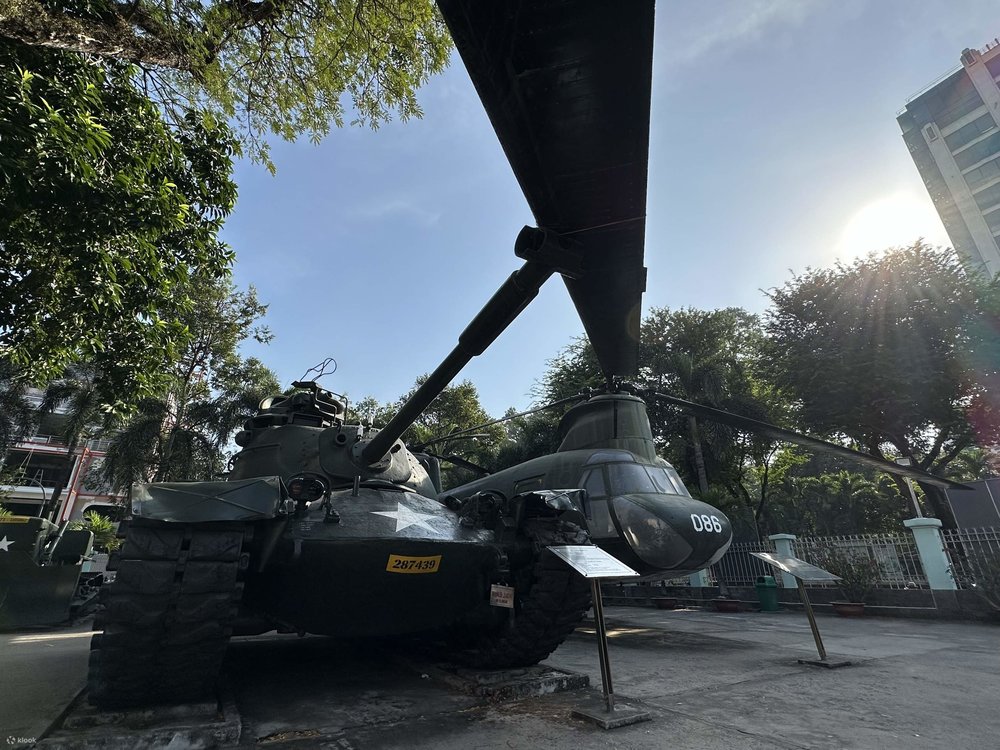
Battle tanks used during the war
Outdoors, you’ll also find a pathway leading to one of the most haunting exhibits: the Tiger Cages. On display are only replicas of Tiger Cages—small, cramped barbed-wire prisons used to detain and torture political prisoners in Con Dao.
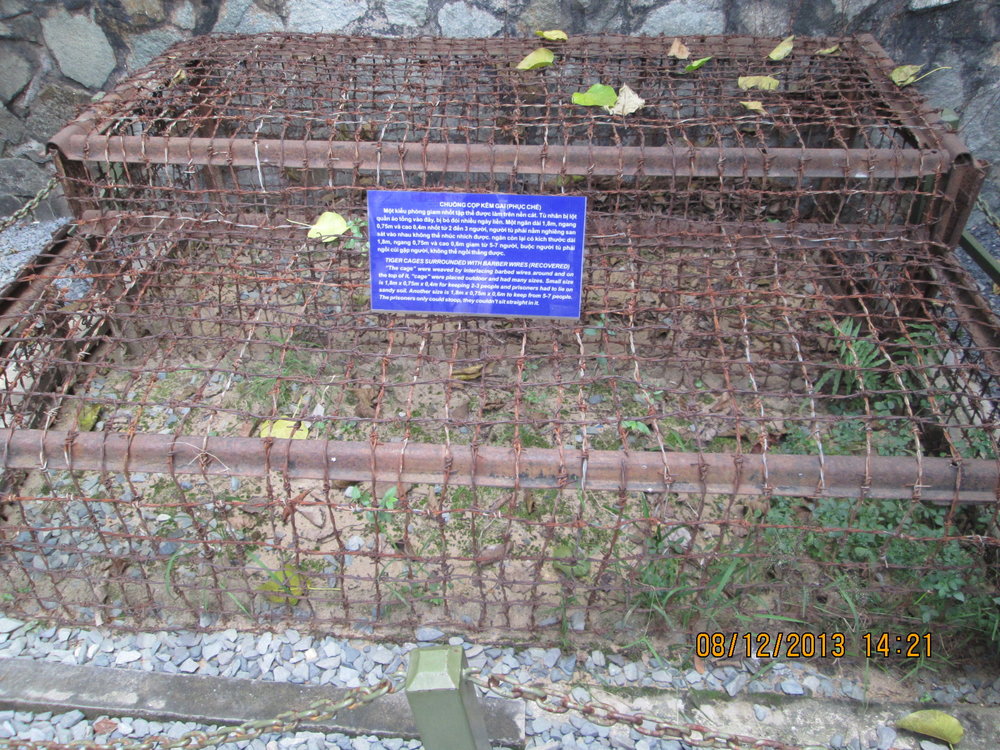
Replica of Tiger Cages used to confine war prisoners / Photo from Rudolph Furtado on Wikimedia Commons
2. Ground Floor: The World Supports Vietnam
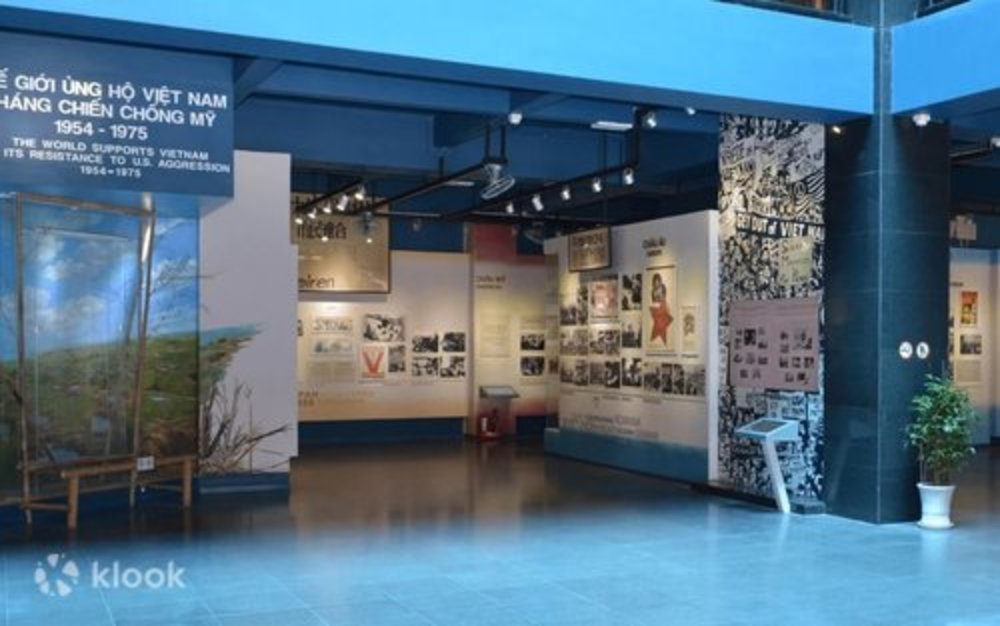
The World Supports Vietnam and its Resistance to U.S. Agression exhibition
As you enter the War Remnants Museum, you'll notice that the ground floor is centered around the international response to the war in Vietnam. You’ll find an exhibit titled “The World Supports Vietnam in the Resistance Against U.S. Aggression,” showcasing hundreds of images highlighting the global criticism toward the U.S. government’s involvement in Vietnam. It also features propaganda posters, banners, flags, and other items from around the world to show support for Vietnam.
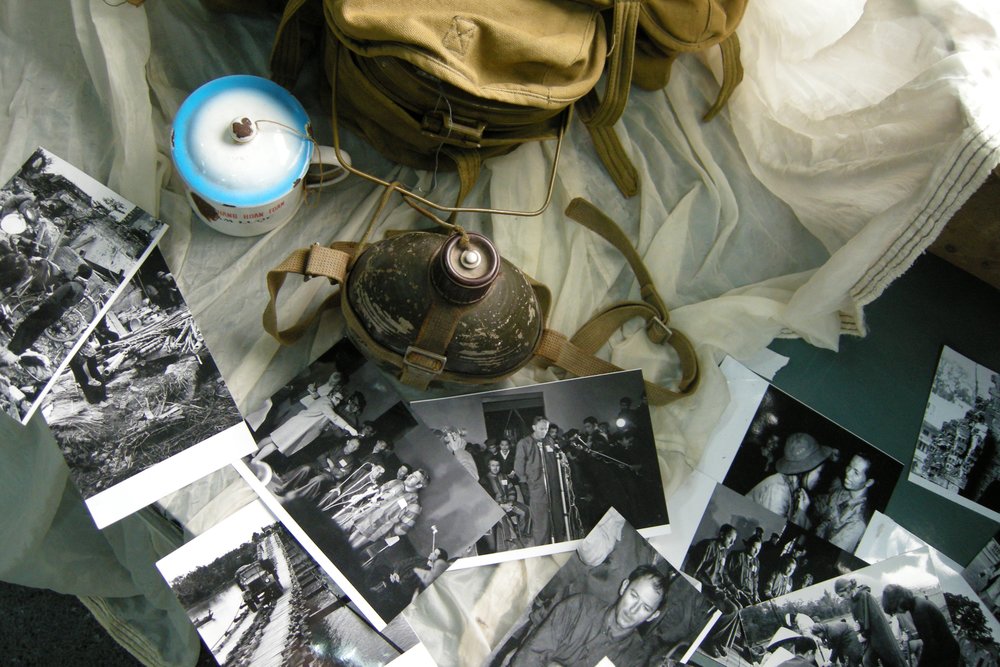
Items donated by American Vietnam War soldiers / Photo from Vyacheslav Argenberg on Wikimedia Commons
Additionally, personal items donated by former American soldiers can also be found on this floor. These items were donated by those who fought in the Vietnam War as a way to express respect and remorse to the Vietnamese people for their participation.
3. First Floor: War Crimes and Agent Orange
Be prepared. We’re letting you know now, so you don’t get too shocked or overwhelmed later, but this is where the emotional weight of the museum truly hits
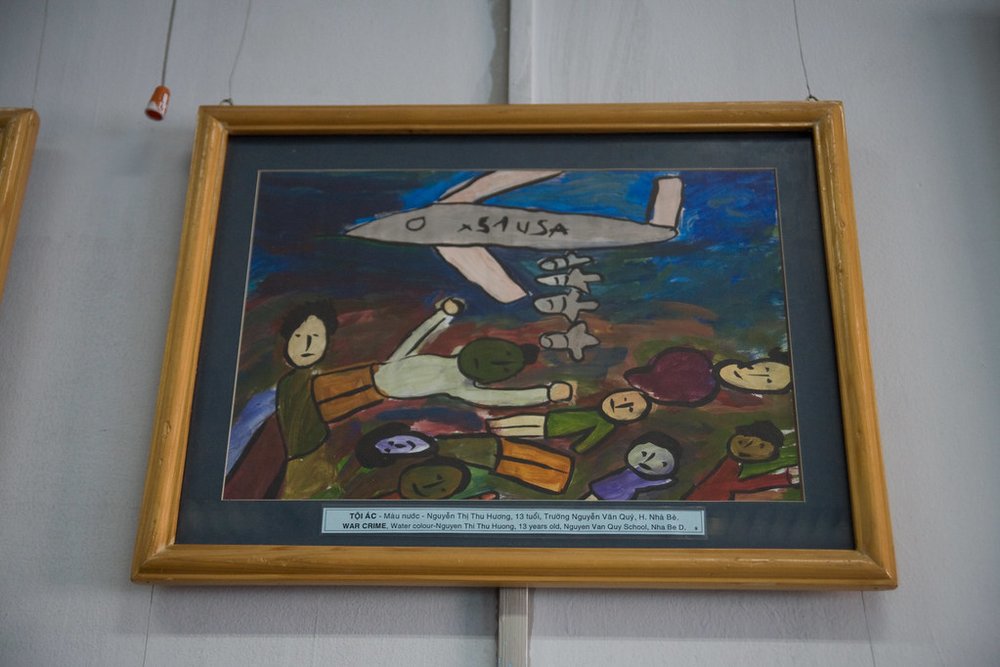
Artwork made by Vietnamese student / Photo from Caitlin Childs on Flickr
The first floor holds two main exhibitions: the “Aftermath of Agent Orange” and the “Aggressive War Crimes.” There is also an area for temporary exhibits that rotate around themes of civilian casualties, anti-war movements, and the role of international solidarity.
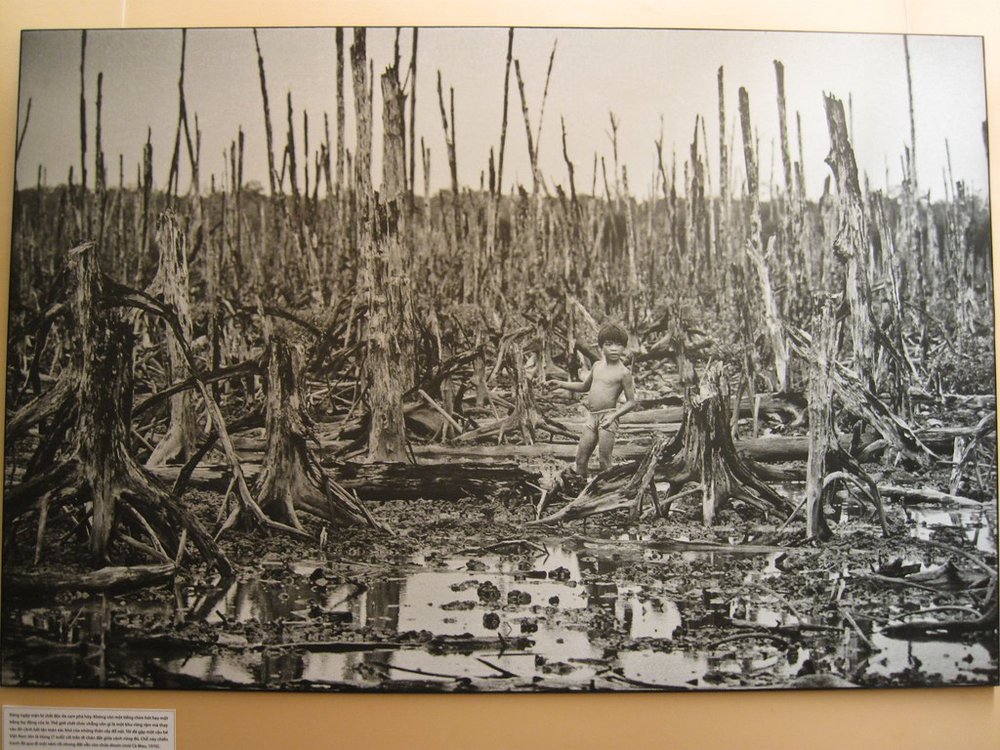
Consequences of Agent Orange / Photo from Felix Triller on Flickr
The first collection details the devastation and long-term effects of the toxic chemical herbicide weaponized on the Vietnamese land and people during the war. Photographs and displays reveal the harrowing impact on both the environment and generations of Vietnamese people, including risks of severe disability, birth defects, and other illnesses.

Photographs of the devastating impact of Agent Orange on humans
Meanwhile, the “Aggressive War Crimes” exhibit presents disturbing photographs, documents, and physical remnants of the crimes committed against the elderly, men, women, and children alike. It’s a difficult but important reminder of the human cost of conflict—millions dead or injured, families torn apart, and a country left to rebuild.
4. Second Floor: Messages of Peace
On the top level, the museum presents a broader narrative of the Second Indochina War through exhibitions like the Vietnam War and Peace, Historical Truth, and the Requiem.
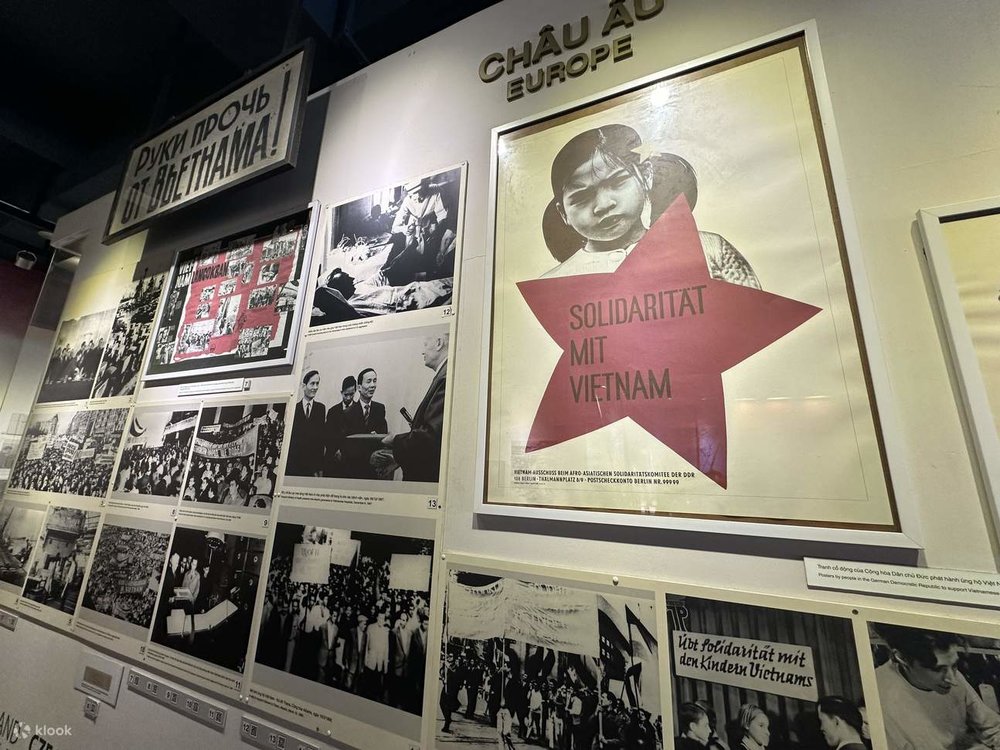
Photographs of International support and solidarity for Vietnam
Exhibits here feature historical photographs, remnants, and personal accounts that chronicle the conflict from its beginning to end. You’ll learn about the details of the causes, the strategies, and the haunting experiences of those trapped in the middle of chaos.
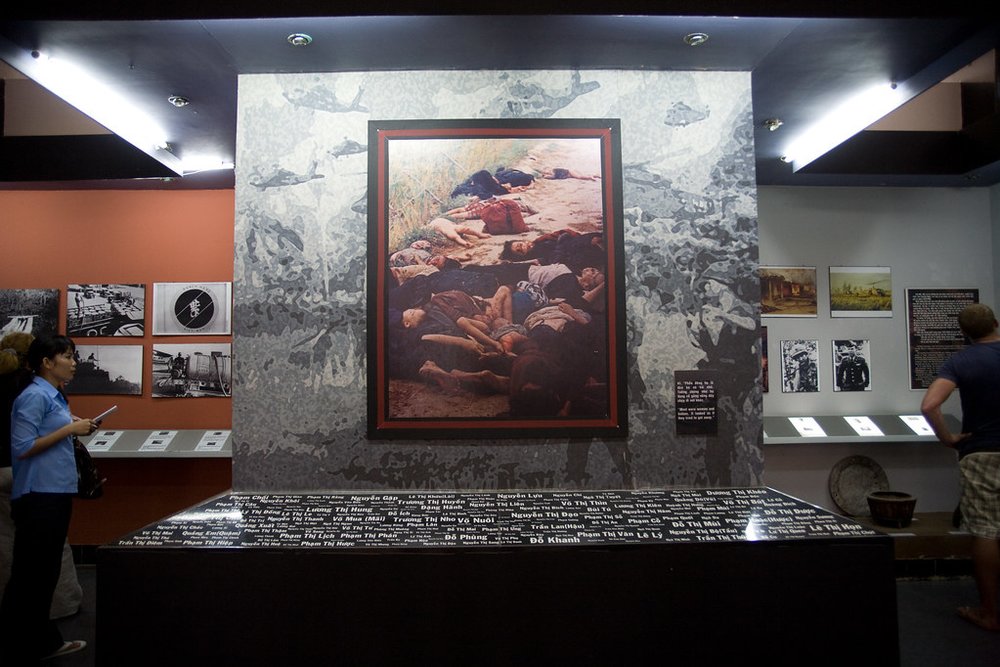
Victims of Vietnam War on photograph /Photo from Caitlin Childs on Flickr
While the images can be shocking, this floor also emphasizes hope, resilience, and Vietnam’s journey toward peace. It’s a space that encourages reflection on the consequences of war and the significance of history in our lives.
Visitor’s Guide to the War Remnants Museum
Planning your visit? Here’s what you need to know:
Opening Hours
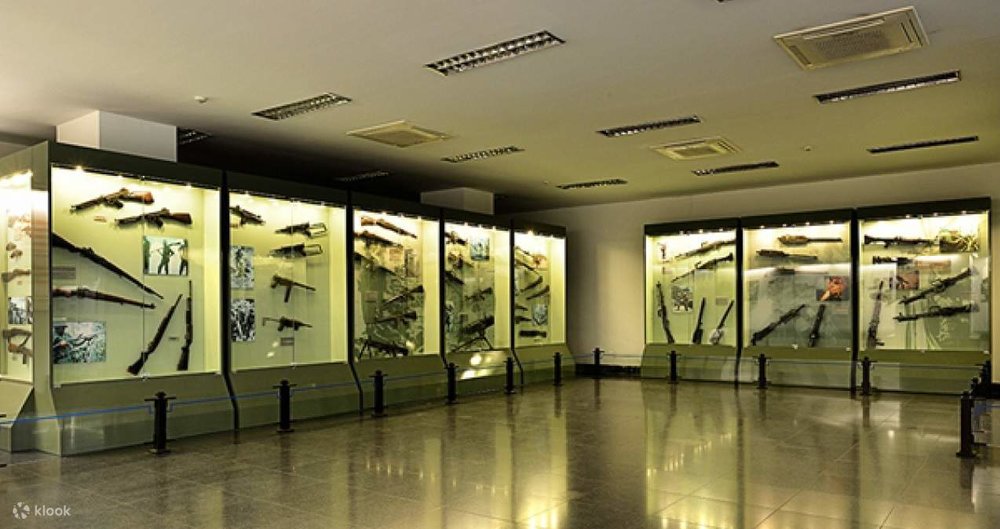
Guns and weapons used in the war
The War Remnants Museum is open daily from 7:30 AM to 5:30 PM, including weekends and public holidays. Last admission is at 5:00 PM.
Klook Tip: To avoid bigger crowds and make the most of your visit, consider going early in the morning or later in the afternoon.
Ticket Admission
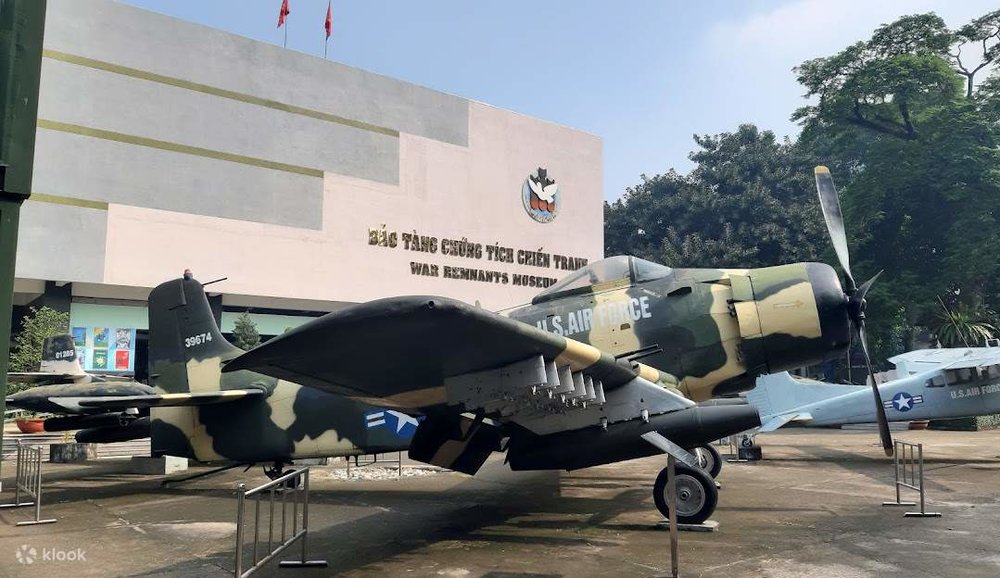
Close up of U.S. Air Force aircraft on display
Tickets cost 40,000 VND (2.32 AUD) for adults and 20,000 VND (1.16 AUD) for children aged 6–15. Children under six enter for free.
As one of Ho Chi Minh City’s most popular attractions, the museum tends to get busy and lines can build up quickly throughout the day. To skip the lines and guarantee entry, you can get your War Remnants Museum Ticket online ahead of time.
Visit Duration
Most visitors spend two hours exploring the War Remnants Museum. If you plan to visit nearby attractions like Reunification Hall or Notre-Dame Cathedral Basilica, try to allot 3 - 4 hours for the area.
Getting to the War Remnants Museum
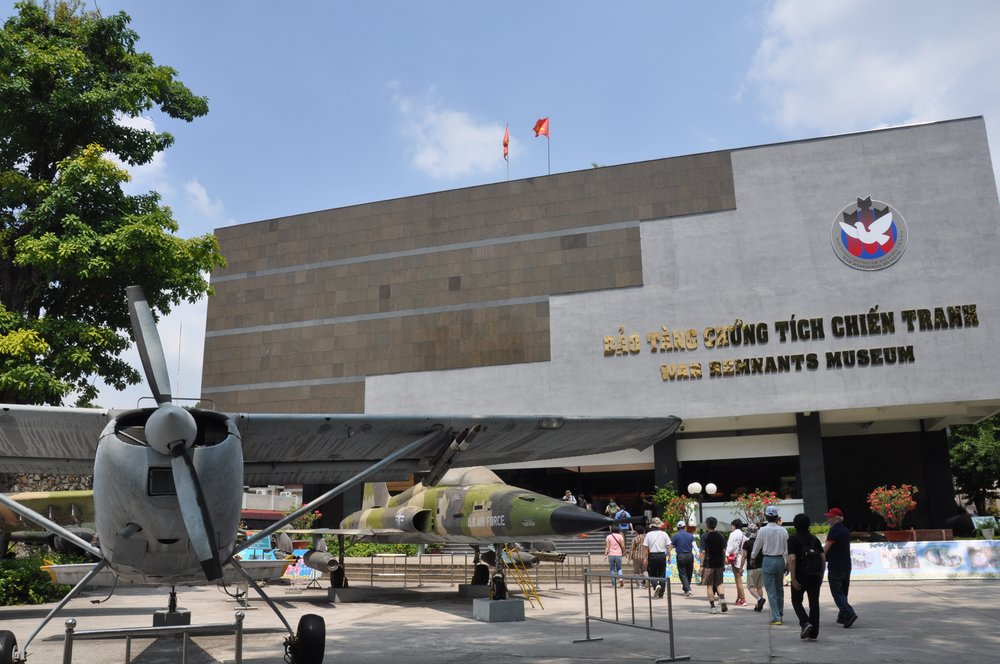
Photo from Trungydang on Panoramio
The War Remnants Museum is located at 28 Võ Văn Tần, Phường 6, Quận 3, Ho Chi Minh City, on the corner of Vo Van Tan and Le Quy Don streets.
It’s a convenient and walkable area that is easily accessible from popular spots like the Independence Palace and Notre-Dame Cathedral Basilica of Saigon. So if you’re looking to add this to your Saigon itinerary, it’s a perfectly convenient stop that fits well into a day of exploring the city’s historical landmarks.
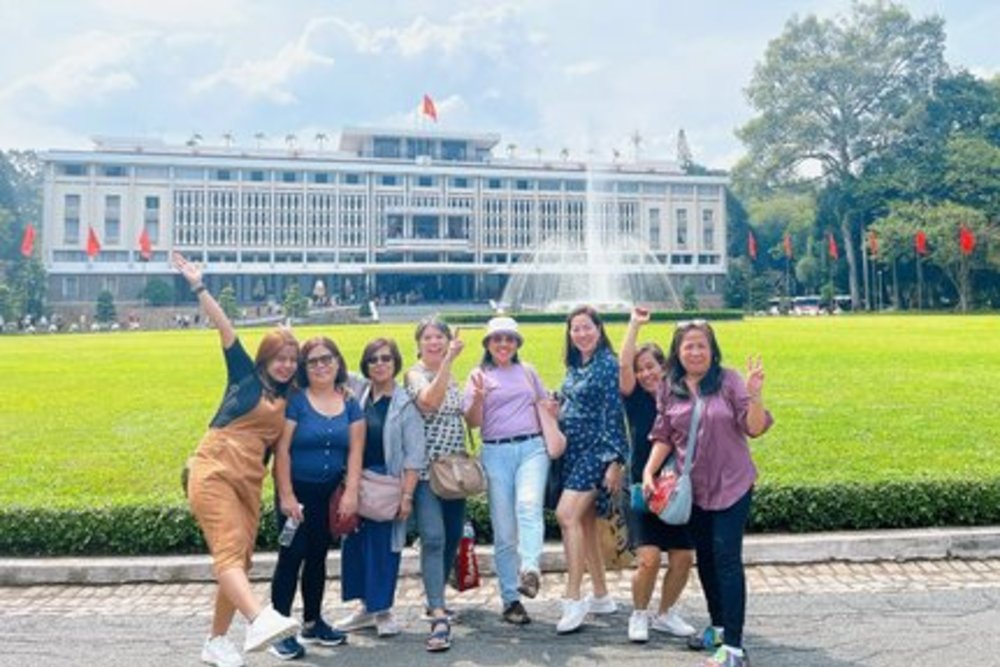
Independence Palace, 10-minutes away from museum
By Foot
If you’re staying in District 3, it’s an easy walk to the museum. And if you’re nearby in District 1, it’s about a 10-15 minute walk.
By Taxi or Ride-Hailing App
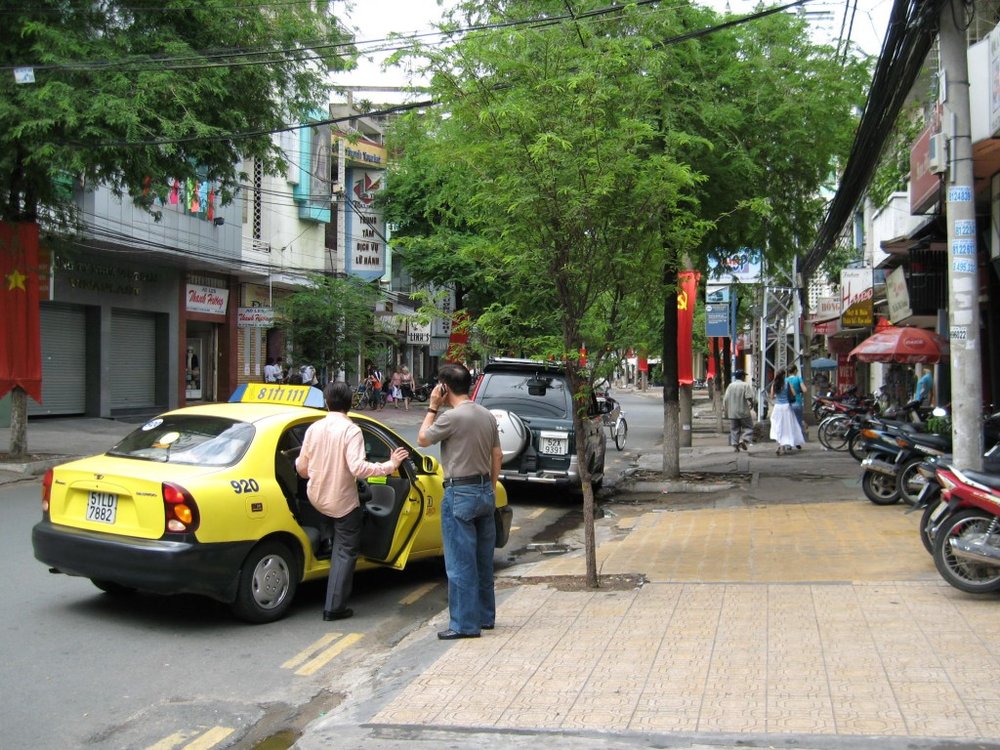
Passenger entering taxi / Photo from Kham Tran on Wikimedia Commons
Taxis are widely available in the city and offer the most convenient option if you want a quick and comfortable ride straight to the museum. Another great option is to book a car or motorbike ride from a ride-hailing app such as Grab or Be.
By Bus
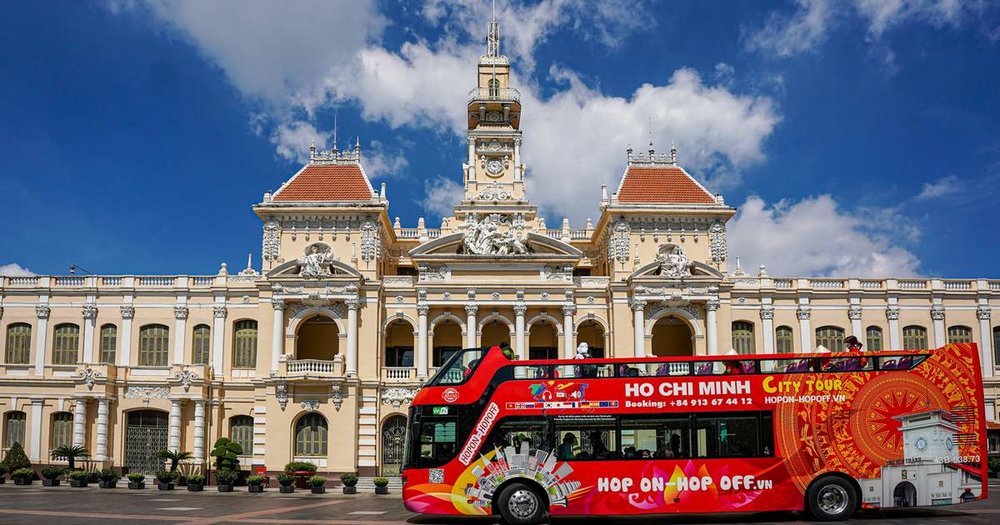
Hop-On Hop-Off Bus in Ho Chi Minh City
You can also consider taking a public bus route based on your starting point:
- Bus 14: Departs from Mien Dong Bus Station.
- Bus 28: Departs from Ben Thanh Market.
- Bus 06: Departs from Cho Lon Bus Station.
For a more comfortable, hassle-free option, consider the Hop-On Hop-Off Bus and War Remnants Museum ticket package. This allows you to skip the stress of navigating the city and worrying about admission to the War Remnants Museum.
By Private Car
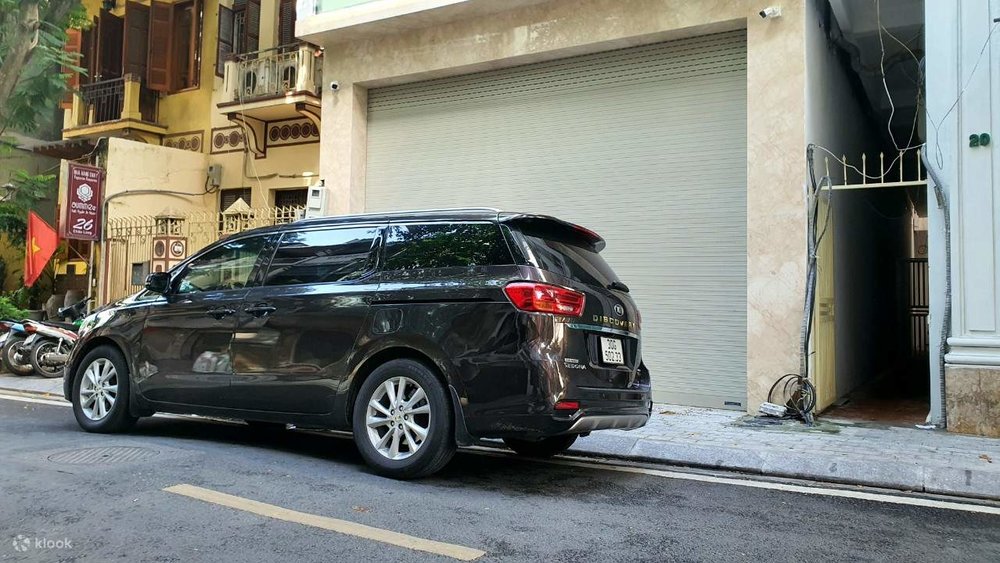
You can select a vehicle good for groups of 3, 5, and 12 passengers
If you’re coming with a small group of family or friends, you might want to consider booking a Private Car Charter in Ho Chi Minh City for a more comfortable and personalized experience.
Klook Tip: Traffic in District 3 can get busy, so give yourself extra travel time during peak hours. For seamless navigation, consider using a 5G Vietnam Data eSIM to stay connected for maps and local directions, or when booking your ride.
How to Prepare for Your Visit

Inside the museum / Photo from Jorge Cortell on 500px
Visiting the War Remnants Museum can be emotionally heavy, so it helps to come prepared.
Here’s what to keep in mind:
- Pace Yourself: Some exhibits can be heavy or unsettling, so take your time and step out to rest if needed.
- Be respectful: This isn’t just a tourist attraction; it’s a memorial space for many Vietnamese families.
- Dress Modestly: While the museum doesn’t have a strict dress code, visitors are advised to dress respectfully. Opt for comfortable and modest attire. Comfortable shoes are also recommended since much of the museum involves walking and standing.
- Stay Hydrated: Bring a bottle of water, especially if you’re visiting on a hot day.
- Bring Cash: Ticket counters and souvenir shops in the museum may not accept cards.
War Remnants Museum Vietnam FAQs
Is the War Remnants Museum worth it?
If you’re not afraid to face heavy and controversial topics, it’s definitely worth checking out. The War Remnants Museum isn’t just about war; it’s about humanity and people coming together. The exhibits push you to explore the past and step into a world you possibly haven’t explored yet. It offers an immersive insight into the country’s history and all its tragedies and triumphs. It’s both educational and moving. For many travelers, it’s one of the most memorable experiences in Ho Chi Minh City. You’ll walk away with a deeper understanding of Vietnam’s past and a greater appreciation for its present.
How much does the War Remnants Museum cost?
Tickets are 40,000 VND (2.32 AUD) for adults and 20,000 VND (1.16 AUD) for children aged 6–15. Admission for children under six years old is free.
How much time do you need at the War Remnants Museum?
Most visitors spend around 1.5 - 2 hours exploring the museum, including the outdoor exhibition. If you enjoy reading every display and taking photos, you may want to budget more time.
Why is the War Remnants Museum famous?
It’s one of the most visited attractions in Ho Chi Minh City and is internationally recognized for unapologetically documenting the Vietnam War–serving as a powerful reminder of the realities of war and the brutalities of war crimes by foreign aggressive forces. It’s a member of the International Network of Museums for Peace (INMP) and the International Council of Museums (ICOM) and stands as a dedicated institution for preserving history and promoting peace.
Is there a dress code for the War Remnants Museum?
While there’s no strict dress code, it’s recommended to dress modestly out of respect for the sensitive nature of the exhibits.
What is Klook?
Klook is a leading pan-regional experiences platform in Asia Pacific, purpose built to digitalize experiences and make them accessible to every traveler.
Our mission is to build the digital infrastructure for the global experience economy — empowering merchants to share their passions and travelers to discover the heartbeat of each destination. We operate a mobile-first, curated platform featuring diverse experiences across global destinations.
✨ Follow us for more deals and inspiration for your upcoming travels