

Food is deeply tied to Vietnamese culture, history, and celebration. And what makes traditional Vietnamese food even more special is how it changes with festivals, seasons, and regions.
Planning a trip to Vietnam is also about tasting your way through the country. No matter if you’re visiting during Lunar New Year or simply exploring local markets, each dish offers a look into Vietnamese traditions and daily life.
In this guide, you’ll explore some of the most loved classic Vietnamese dishes, especially those tied to major festivals like Tet, the Mid-Autumn Festival, and the Hue Festival.
🧧 Lunar New Year (Tet) food in Vietnam
When: Usually falls on late January to February 20
Tet (Lunar New Year) is the most important celebration in Vietnam, and food plays a huge role in bringing families together. During this time, many dishes carry symbolic meanings like luck, unity, and prosperity.
1. Banh Chung & Banh Tet (sticky rice cake)

Banh Chung traditional Vietnamese sticky rice cake for Tet celebration
Banh Chung and Banh Tet are the heart of Tet celebrations and are among the most iconic examples of traditional Vietnamese food. These rice cakes are made with sticky rice, mung beans, and pork, wrapped tightly in banana leaves. Banh Chung is square, representing the earth, while Banh Tet is cylindrical and more common in southern Vietnam.
The preparation itself is a family activity, often taking hours as the cakes are boiled overnight. This dish is strongly tied to the idea of gratitude and family bonding, especially during the banh chung New Year tradition.
If you’re curious about local flavors, join a guided experience like a Ho Chi Minh City food tour!
2. Ga Luoc (boiled chicken)
Ga Luoc may look simple, but it holds a special place during Tet. This boiled chicken dish is served whole, symbolizing completeness and prosperity for the coming year. It’s usually paired with salt, pepper, and lime for a clean, flavorful bite.
Families prepare Ga Luoc as an offering to ancestors before sharing it during meals. Its simplicity highlights the essence of traditional Vietnamese food, where freshness and natural flavors shine.
For an authentic taste of northern-style dishes, explore Hanoi’s food scene with an Old Quarter food tour!
3. Gio Lua (Vietnamese pork sausage)
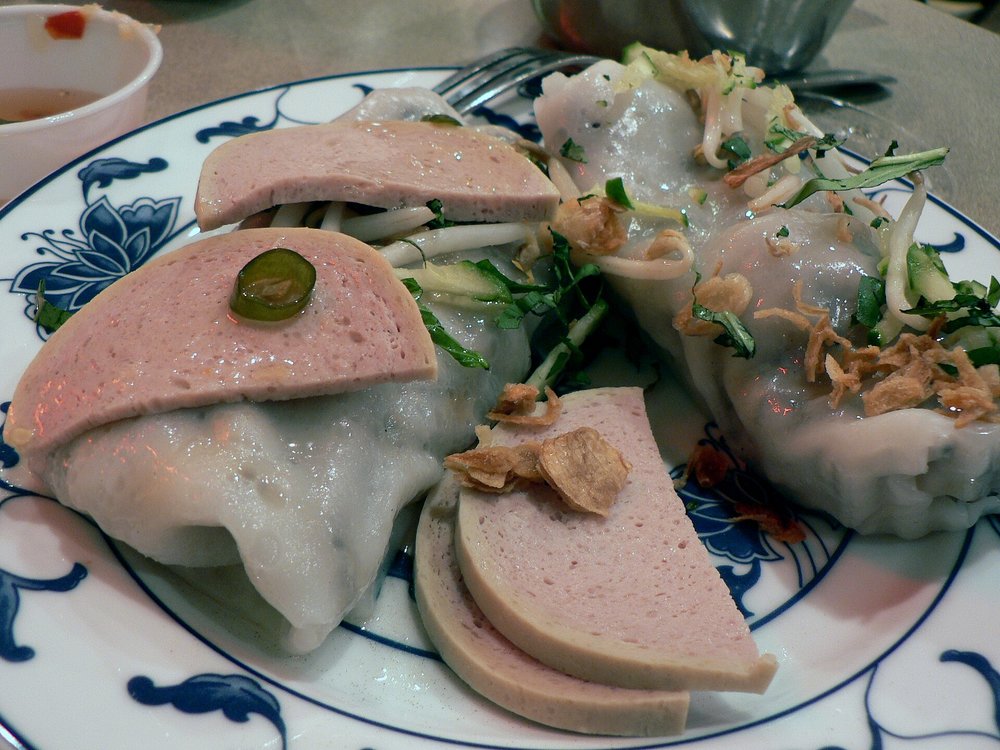
Vietnamese rice rolls with Gio Lua pork sausage and herbs | Photo from stu_spivack on Wikimedia
Gio Lua is a smooth, savory pork sausage wrapped in banana leaves and steamed to perfection. It’s a staple on Tet dining tables and is usually sliced and served alongside sticky rice or pickled vegetables.
The texture is soft yet firm, with a subtle flavor that balances richer dishes. It’s one of those classic Vietnamese dishes that may seem simple but is deeply rooted in tradition.
You’ll often find Gio Lua in local markets and family-run eateries, especially during festive seasons. Check out our guide on Vietnam’s best markets!
🌕 Mid-Autumn Festival food in Vietnam
When: Usually falls on late September to early October
The Mid-Autumn Festival is a joyful celebration filled with lanterns, family gatherings, and, of course, delicious treats.
4. Mooncakes (Banh Deo & Banh Nuong)
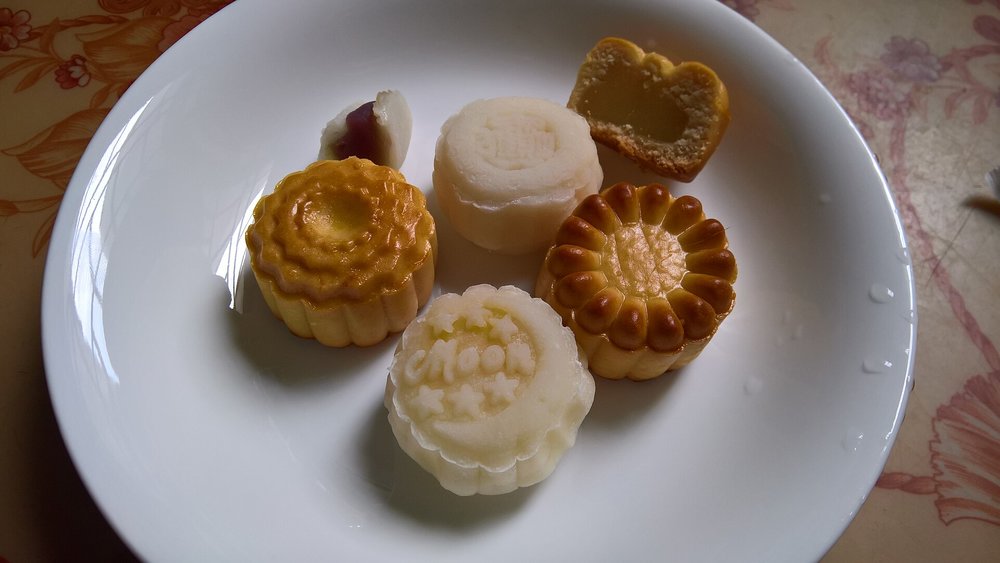
Vietnamese mooncakes for Mid-Autumn Festival in assorted flavors | Photo from Donald Trung on Wikimedia
Mooncakes are the highlight of this festival and a must-try when exploring traditional Vietnamese food. Banh Deo is soft and chewy with a snow-white exterior, while Banh Nuong is baked with a golden crust.
Both types are filled with a variety of ingredients like lotus seed paste, salted egg yolk, or even mixed nuts. These treats symbolize reunion and happiness, making them perfect for sharing.
5. Grapefruit dishes
During the Mid-Autumn Festival, grapefruit is a big part of festive displays and creative dishes. Families carve grapefruit into decorative shapes or use it in refreshing desserts.The light, citrusy flavor balances heavier festival foods, offering a refreshing contrast. It’s a unique example of how traditional Vietnamese food blends creativity with seasonal ingredients.
For a farm-to-table experience, visit Tra Que Vegetable Village and go on a guided tour with an Aodai rider!
🎎 Hue Festival food in Vietnam
When: Year-round, peak celebration during June
Hue, once the imperial capital, is known for its refined and flavorful cuisine. Many dishes here reflect royal traditions and attention to detail.
6. Bun Bo Hue
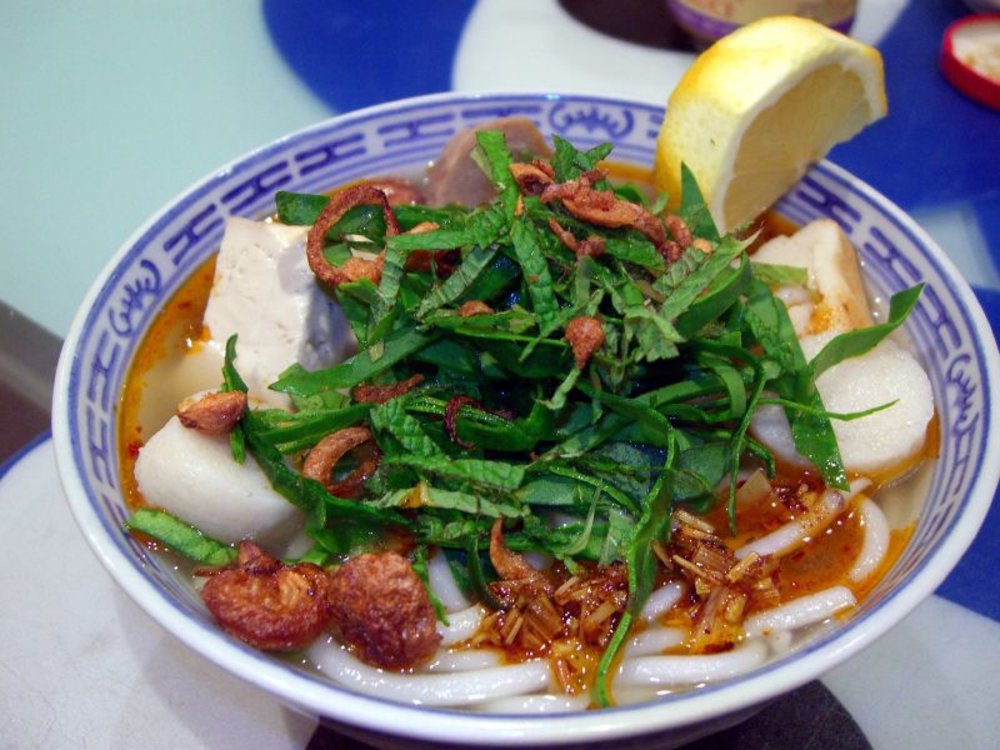
Bun Bo Hue spicy Vietnamese beef noodle soup with herbs | Photo from avlxyz on Flickr
Bun Bo Hue is a spicy beef noodle soup that stands out from the more famous pho. It has a rich broth flavored with lemongrass, chili oil, and shrimp paste, creating a bold and unforgettable taste.
This dish represents the complexity of central Vietnamese cuisine and is a must for anyone exploring classic Vietnamese dishes. Taste it like a local with a Hue food walking tour!
7. Mi Quang
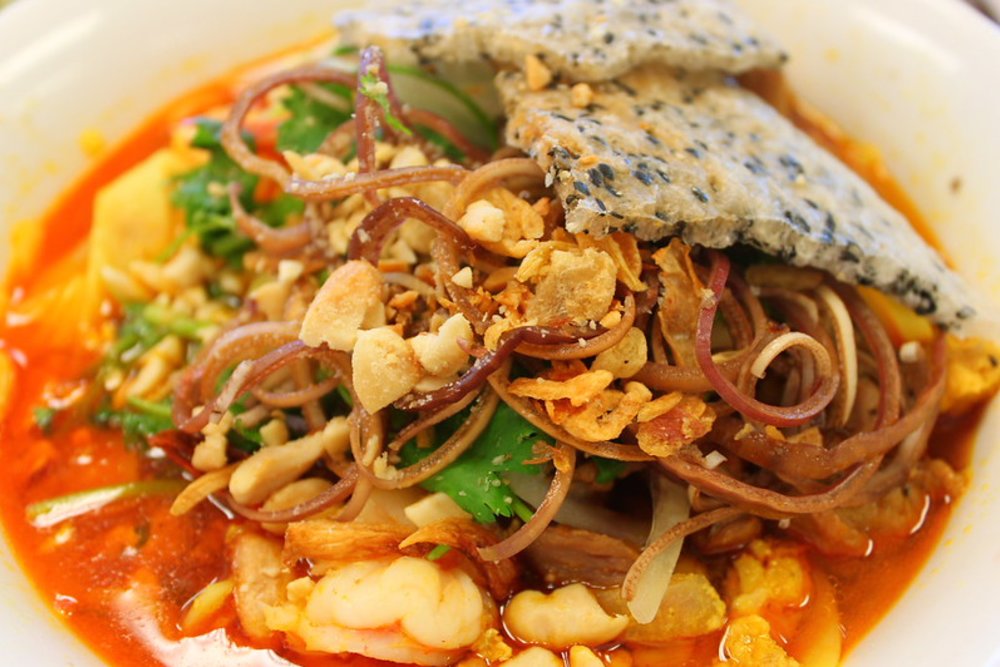
Mi Quang Vietnamese turmeric noodles with shrimp and pork | Photo from . Entrer dans le rêve on Flickr
Mi Quang is a vibrant noodle dish from central Vietnam, known for its turmeric-colored noodles and small amount of rich broth. It’s topped with shrimp, pork, herbs, and crunchy rice crackers.
Unlike soups, Mi Quang is more about texture and balance. Each bite combines fresh herbs, savory protein, and a hint of crunch.
You can also explore similar regional dishes while checking out food spots in Phu Quoc!
FAQs about traditional Vietnamese food
What are the most traditional dishes in Vietnam?
Some of the most traditional dishes in Vietnam include Banh Chung, Pho, Bun Bo Hue, and Gio Lua. These meals are deeply tied to Vietnamese culture and are often prepared during festivals or family gatherings.
How does food differ between northern, central, and southern Vietnam?
Northern Vietnamese food tends to be milder and focuses on balance and simplicity. Central cuisine, especially from Hue, is spicier and more complex, influenced by royal cooking traditions. Southern dishes are sweeter and more vibrant, using more herbs and tropical ingredients.
What traditional dishes should first-time visitors try in Vietnam?
Start with Banh Mi traditional sandwiches, Pho, and Bun Bo Hue for a well-rounded experience. These dishes are easy to find and showcase the diversity of traditional Vietnamese food. Don’t miss festival dishes like Banh Chung if you visit during Tet.
Are traditional vegetarian dishes available in Vietnam?
Yes, Vietnam has many vegetarian-friendly options, especially influenced by Buddhist traditions. Dishes often use tofu, mushrooms, and fresh vegetables while still keeping bold flavors. Visiting places like Tra Que Vegetable Village gives you a deeper look into plant-based Vietnamese cooking.
Where can you find the best traditional food in Vietnam?
The best places to try traditional Vietnamese food are local markets, street stalls, and guided food tours. Cities like Hanoi, Hue, and Ho Chi Minh City offer a wide range of authentic experiences. Joining a food tour can help you discover hidden gems and learn the stories behind each dish.
More Vietnam guides for you!

What is Klook?
Klook is a leading pan-regional experiences platform in Asia Pacific, purpose built to digitalize experiences and make them accessible to every traveler.
Our mission is to build the digital infrastructure for the global experience economy — empowering merchants to share their passions and travelers to discover the heartbeat of each destination. We operate a mobile-first, curated platform featuring diverse experiences across global destinations.