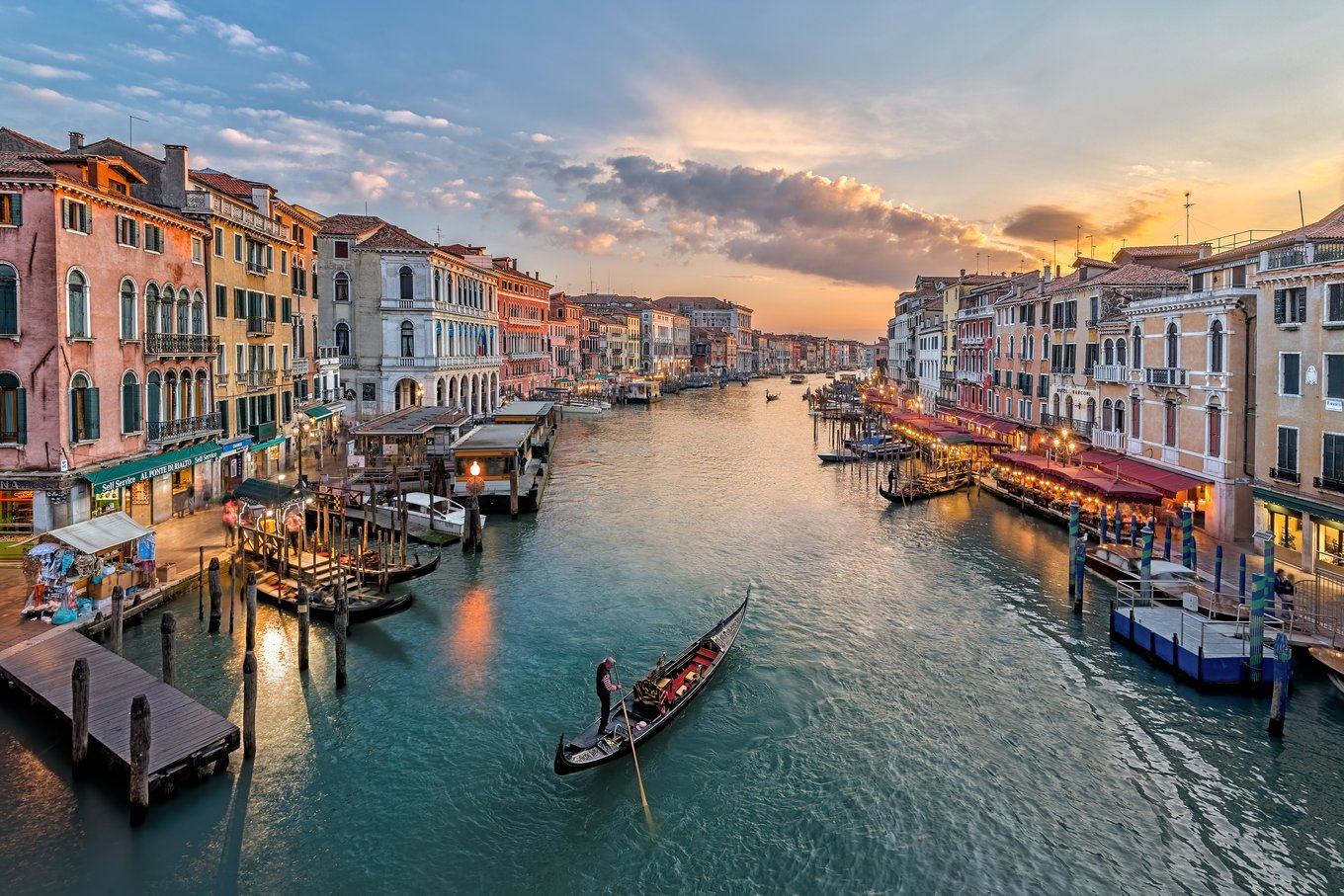
Venice is one of those places that feels unreal the first time you see it. Canals replace roads, boats replace cars, and every corner looks like a postcard. But here’s the thing: the best time to visit Venice can completely change how you experience the city. Weather, crowds, prices, and even water levels all play a role.
In this guide, I’ll break down the best time to visit Venice, Italy, by season and traveler type. If you’re chasing festivals, avoiding crowds, or traveling on a budget, you’ll know exactly when to go and why.
🌸 Explore Venice comfortably (March–May)
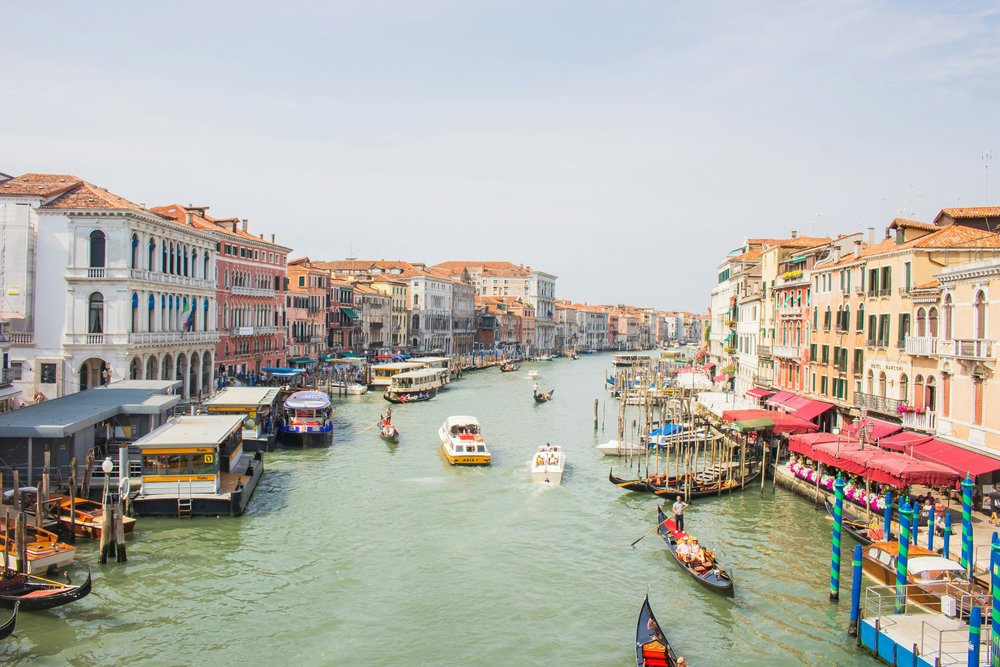
Grand Canal view shows why spring is the best time to visit Venice | Photo from Emily Geibel on Pexels
Best for: 🌷 First-time visitors, couples, culture lovers
Why it works: Comfortable weather + full access to top sights
Spring is considered the best time to go to Venice for first-time visitors. From April to June, the weather is mild, the days are longer, and the city feels lively without being overwhelming. You can walk for hours, hop on a vaporetto, and enjoy outdoor cafés without extreme heat or cold.
This is the perfect season to visit icons like St. Mark’s Square and Doge’s Palace without rushing. Crowds exist, especially in May, but they’re manageable if you start early in the day. Spring also brings cultural events and a fresh energy that makes Venice feel extra romantic.
☀️ Soak up the energy (July–August)
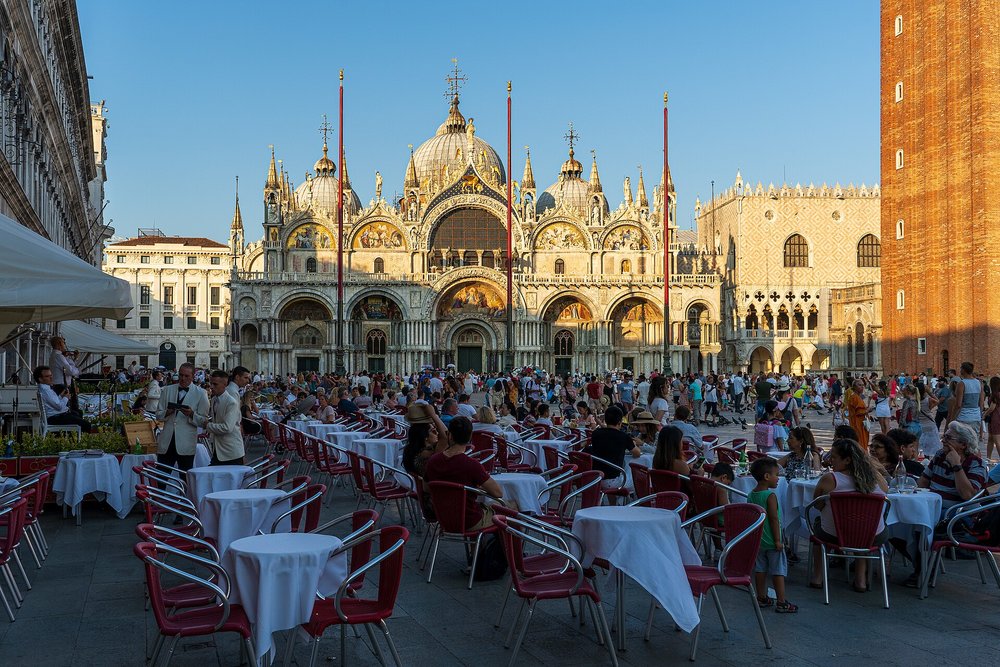
St. Mark’s Square buzzes with life during peak travel season in Venice | Photo from Oyvind Homstad on Wikimedia Commons
Best for: ☀️ Festival fans, social travelers, summer holidaymakers
Why it works: Long days + vibrant nightlife
Summer in Venice is hot, busy, and bold, and for some travelers, that’s exactly the point. July and August bring long daylight hours, vibrant nightlife, and a festive buzz across the city. If you love lively destinations and don’t mind crowds, this can be the best time to see Venice for you.
Yes, it gets humid, and yes, popular areas can feel packed. But, as the sun sets, the temperatures cool. Walk along quiet canals, enjoy late dinners, and watch Venice glow at night. Early mornings are your secret weapon; explore major sights before 9 a.m., then relax midday.
To make the most of those cooler mornings, plan a visit to Doge’s Palace before the crowds arrive. Booking your Doge’s Palace in advance lets you explore grand halls, secret passages, and historic prisons without waiting in the heat.
🍁 Slow down and savor Venice (September–October)
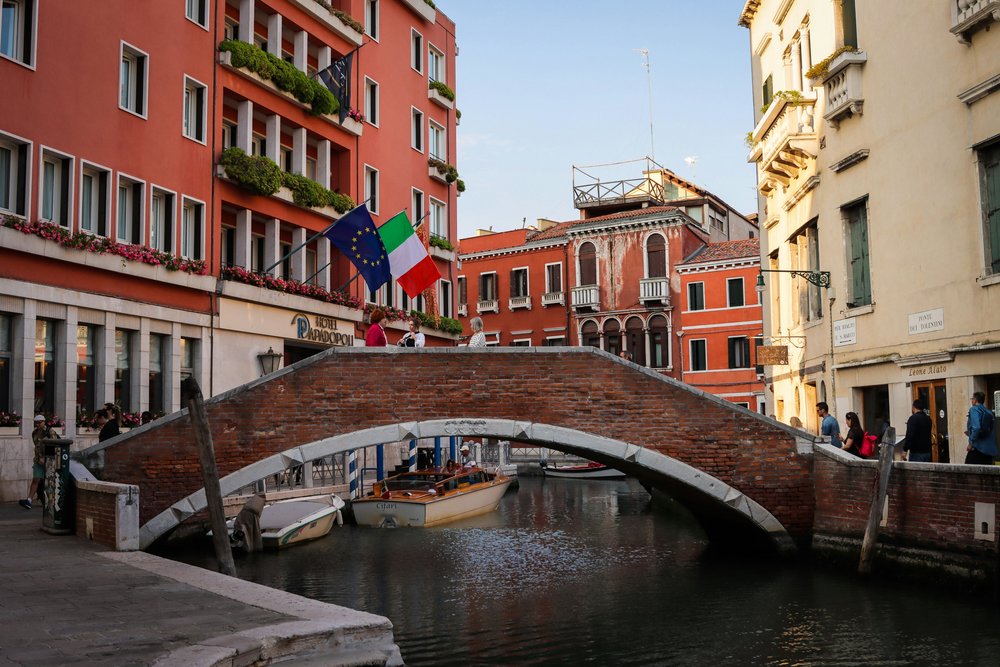
Quiet canals and bridges highlight Venice in the shoulder season | Photo from Efrem Efre on Pexels
Best for: 🍂 Slow travelers, photographers, repeat visitors
Why it works: Fewer crowds + cooler weather
Ask seasoned travelers, and many will say fall is the best time to visit Venice, hands down. September and October bring cooler air, fewer crowds, and a more relaxed pace. The summer rush fades, but the city stays lively and beautiful.
This is an ideal time to explore neighborhoods beyond the main tourist zones. Explore quieter canals, shop local markets, and enjoy museums without long lines. Prices for hotels and flights also start to dip, making it easier to travel comfortably without overspending.
This slower pace also makes fall a great time to take a Murano and Burano Islands Tour. With fewer crowds and cooler weather, you can enjoy Murano’s glassmaking traditions and Burano’s colorful houses without feeling rushed. It’s an easy, rewarding day trip that fits perfectly with Venice’s laid-back autumn rhythm.
🎭 Experience Venice like a local (November–February)
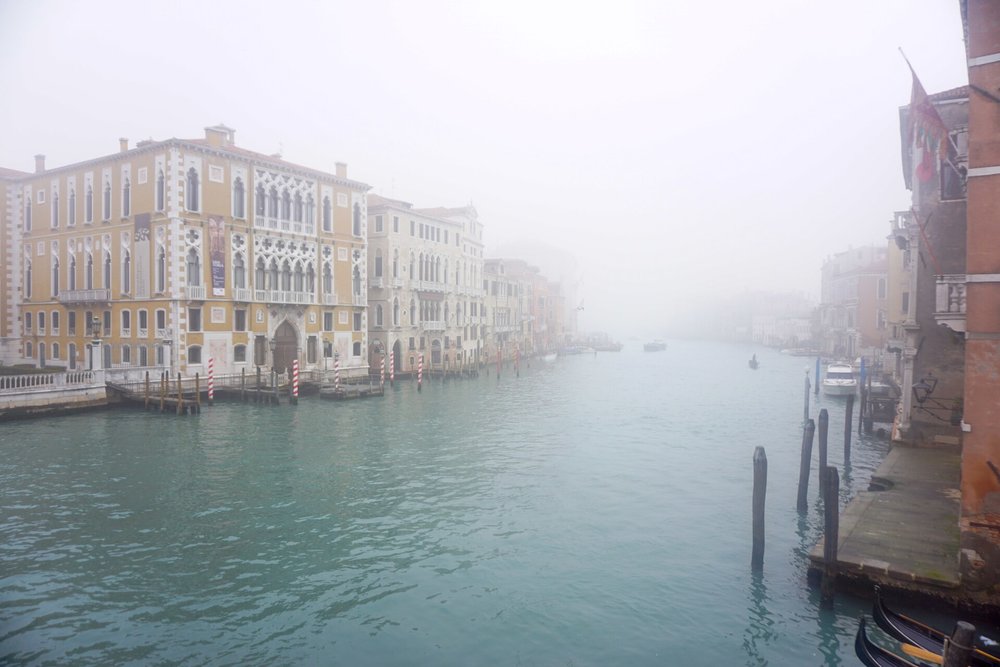
Foggy winter mornings reveal a peaceful side of Venice | Photo from Rodrigo Argenton on Wikimedia Commons
Best for: 🎭 Budget travelers, culture lovers, winter explorers
Why it works: Lower prices + authentic atmosphere
Winter surprises a lot of people, in a good way. From November to February, Venice is quieter, cheaper, and more atmospheric. If you’re looking for the best time to go to Venice, Italy on a budget, this is it.
November can be rainy, and acqua alta (seasonal flooding) is more common, but the city adapts well. Walkways go up, boats keep running, and life goes on. December brings festive lights and cozy cafés, while January and February feature one huge highlight: Carnival. Masks, costumes, and parades turn Venice into pure theater.
No matter the season, getting a vaporetto pass is one of the smartest moves you can make in Venice, and it’s especially useful in winter. During high tide, some walkways can flood, but public water buses keep running smoothly. A vaporetto pass lets you skip detours, stay dry, and move around the city comfortably even when acqua alta hits!
Winter in Venice is also the perfect time to slow down and savor an Italian Wine Tasting experience. Walking inside a warm wine bar or historic venue feels especially inviting on cooler days, and tastings tend to be more intimate this season. You’ll have time to learn about regional Italian wines, chat with locals, and enjoy rich flavors without the noise of peak crowds.
💡 Plan Smarter With Year-Round Essentials
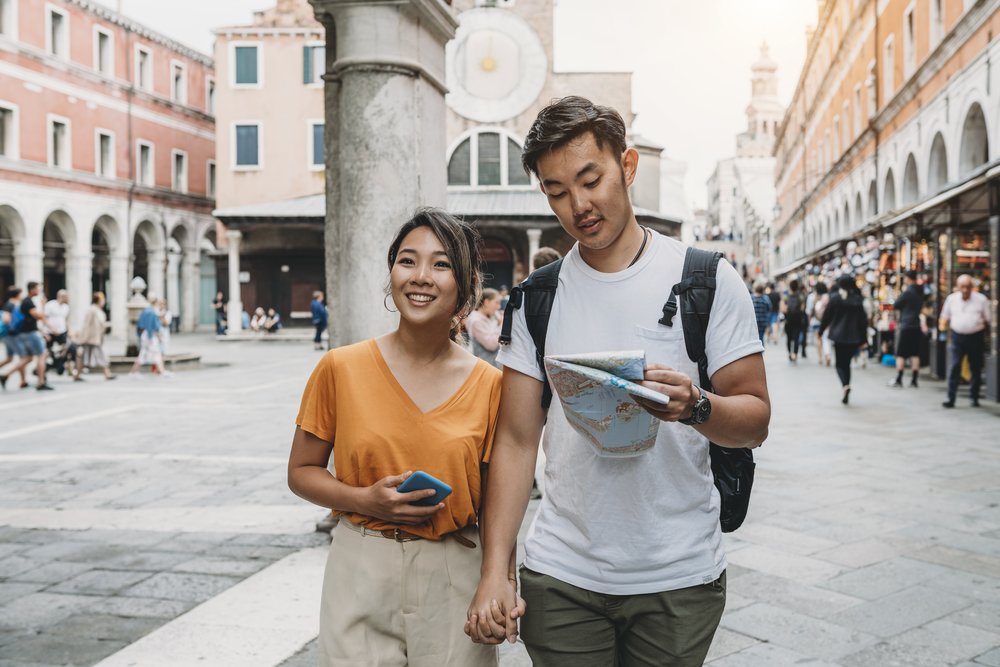
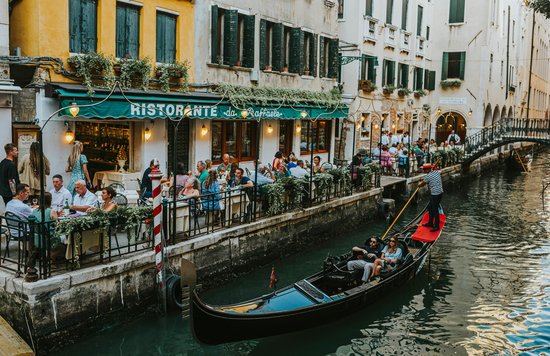
Exploring Venice together is easier when you visit at the right time
No matter when you decide the best time to visit Venice is for you, planning ahead makes everything smoother. Book attractions early, travel light, and use digital tools to save time and energy.
The Venice City Pass is useful in every season, especially during spring and summer crowds. A reliable eSIM keeps you connected year-round, whether you’re navigating flooded walkways or finding a hidden trattoria.
Make sure to also stay connected so you can navigate easily with an Italy Unlimited Data eSIM. It’s perfect for maps, bookings, and real-time transport updates.
When you’re exploring Venice, dragging a suitcase over bridges and narrow streets can quickly ruin the experience. That’s why using luggage storage is a smart move, especially if you arrive early or have a late departure.
Here are some convenient places where you can leave your luggage while you explore:
Storing your bags lets you move freely, hop on boats, and enjoy the city without the extra weight slowing you down. It’s an easy way to make the most of your first and last hours in Venice.
FAQs about the best time to visit Venice
Which month is best to visit Venice?
May and September are usually considered the best months to visit Venice. They give pleasant weather, fewer extremes, and a good balance between lively and relaxed. These months are great if you want to see top attractions comfortably without peak summer stress.
What is the cheapest month to go to Venice?
January is usually the cheapest month to visit Venice. Flights and hotels drop after the holidays, and crowds are minimal. If you don’t mind cooler weather, this is a great time to save money and enjoy a quieter city.
What time of year is Venice flooded?
Venice flooding, known as acqua alta, most commonly happens between November and February. It’s usually temporary and well-managed with raised walkways. Many travelers still enjoy Venice during this time with a little planning.
What’s the rainy season in Venice?
The rainiest months tend to be October and November. Showers are usually short but frequent. Bringing waterproof shoes and flexible plans helps you enjoy the city even on rainy days.
What months should you avoid Venice?
August can feel overwhelming due to heat and crowds, especially in popular areas. Late November can also be tricky if you dislike rain and flooding. Still, every month has its charm depending on your travel style.
Let’s find the best time to visit Venice for you 🌊✨
There’s no single answer to the best time to visit Venice, because the best time depends on you. Whether you crave sunshine, savings, festivals, or slow travel, Venice delivers year-round magic. Choose your season, plan smart, and let the city surprise you.
Start planning your trip now, lock in the right passes, stay connected, and make your Venice experience unforgettable. ✨

What is Klook?
Klook is a leading pan-regional experiences platform in Asia Pacific, purpose built to digitalize experiences and make them accessible to every traveler.
Our mission is to build the digital infrastructure for the global experience economy — empowering merchants to share their passions and travelers to discover the heartbeat of each destination. We operate a mobile-first, curated platform featuring diverse experiences across global destinations.
✨ Follow us for more deals and inspiration for your upcoming travels