Tuscany's coastline doesn't get the same attention as its hill towns, but it deserves more credit. From Versilia to Maremma and the islands beyond, Tuscany, in Florence, is home to some of Italy's most beautiful beaches. It's a different experience from the Amalfi Coast or Puglia. There are no dramatic clifftop villages or long queues for boat tours.
Instead, you get a practical mix: long sandy beaches with organized lidi (beach clubs with sun lounger hire), quieter rocky coves backed by scrubland, and island beaches that feel remote. This guide covers the coast by area, Versilia; the Maremma; and the islands of Elba and Giglio, so you can pick the right beach based on where you're staying or how far you want to travel.
1. Forte dei Marmi
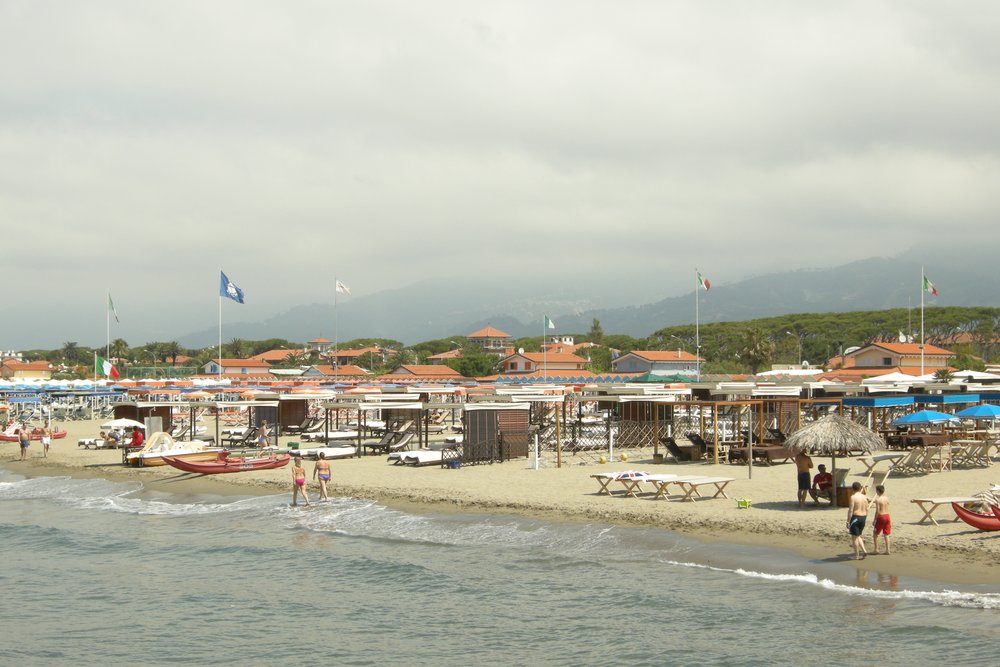
Forte dei Marmi | Photo Credit: Wikimedia Commons
How to get there: Drive via the A11/A12 motorway from Florence (about 1h 45min), or take a train to Forte dei Marmi-Pietrasanta station, then a short taxi or bus to the seafront.
Forte dei Marmi is the name most Italians associate with Versilia, the northern stretch of Tuscany's coast backed by the Apuan Alps. This is old-money Italian beach culture at its most polished: wide, flat sandy beaches lined with private lidi, tidy pine forests, and a small town filled with designer boutiques and good restaurants.
The beach here is almost entirely lido-managed (privately owned), which means paying for sun lounger and umbrella hire. Expect to pay around $27–55 USD per day for a set depending on proximity to the water. If you want a free stretch, you'll find small spiagge libere (public beach access points) interspersed between the private clubs, though they're limited.
⛱️ Klook Tip: High season runs from mid-June to late August, when Forte dei Marmi is packed, visiting in June or September gives you the same beautiful beach with smaller crowds
2. Viareggio
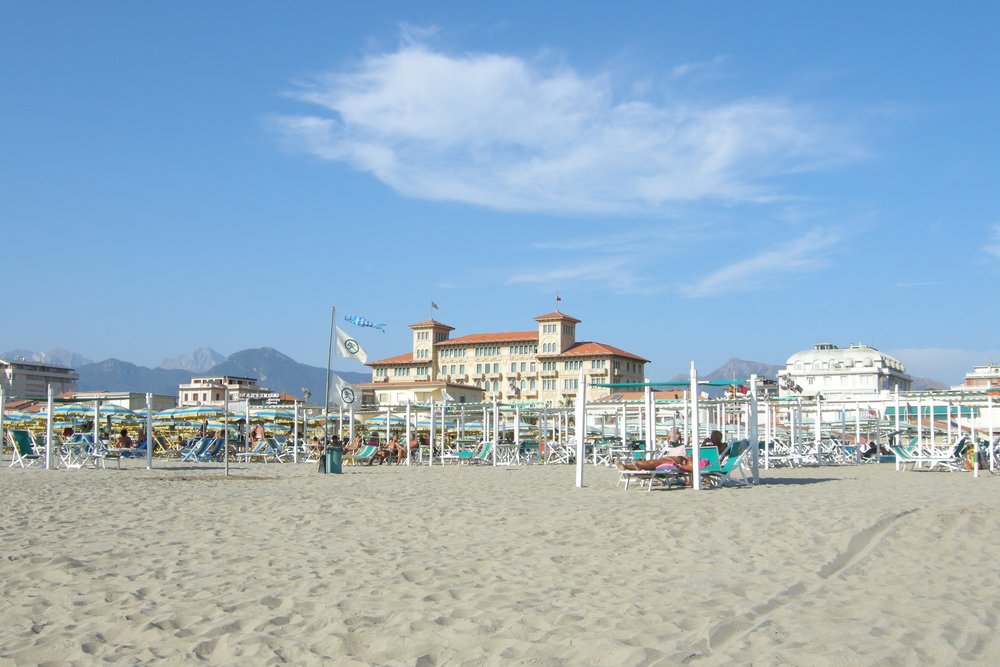
Viareggio | Photo Credit: Wikimedia Commons
How to get there: Direct trains from Florence to Viareggio run regularly (about 1h 30min). By car, take the A11 motorway.
A short distance south of Forte dei Marmi, Viareggio is Versilia's most accessible resort town, bigger, livelier, and more affordable. The main beach is a long, straight stretch of sand organized largely by lido clubs but with more free beach access than Forte dei Marmi.
The seafront promenade is one of the nicest on the Tuscan coast, lined with Art Nouveau buildings, cafés, and gelato shops. It's a popular base for Italian families on summer holidays.
Viareggio is also well-connected by rail, making it one of the easiest Tuscany beach resorts to reach without a car. The town itself is worth exploring beyond the beach; it's home to Italy's most famous carnival and has a good fish restaurant scene.
3. Cala Violina
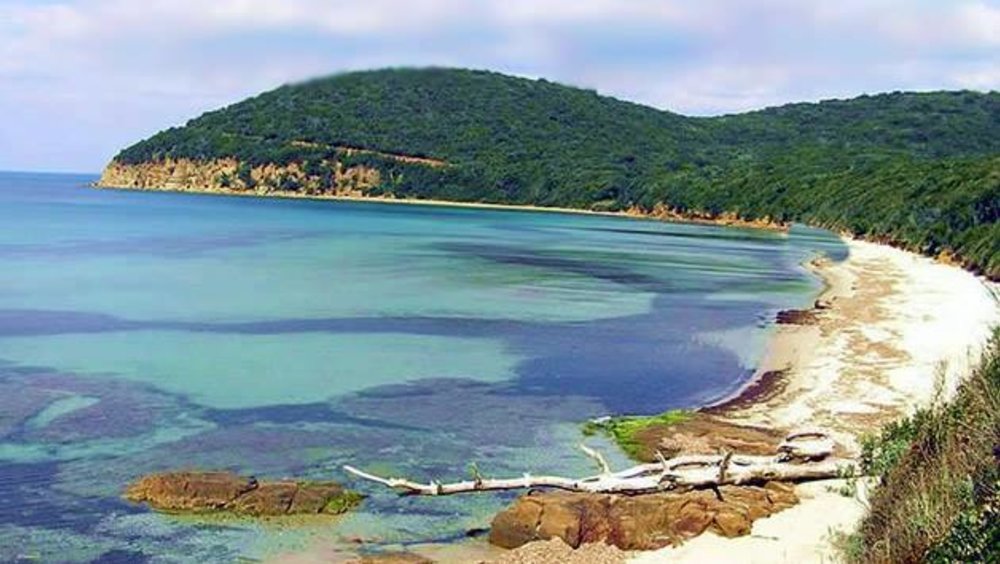
Cala Violina | Photo Credit: Wikimedia Commons
How to get there: Drive to the car park at Pian d'Alma (around 2h 30min from Florence), then walk or cycle roughly 2km through the pine forest to the beach. Booking the entry permit in advance is mandatory in summer.
Down in the southern Maremma, Cala Violina is one of the most beautiful Maremma beaches Tuscany has to offer, and once you see the color of the water, it's easy to understand why. Located in a protected nature reserve, this curved stretch of white sand is surrounded by pine trees and clear blue water. The beach gets its name from the sound the sand makes underfoot, which genuinely resembles a violin string.
Because it's inside a protected area, access is managed: you need to pre-book a daily entry permit online through the Bandite di Scarlino nature reserve system. Numbers are capped, which keeps the beach from becoming overcrowded in summer, but it also means you cannot just turn up.
4. Marina di Grosseto and Castiglione della Pescaia
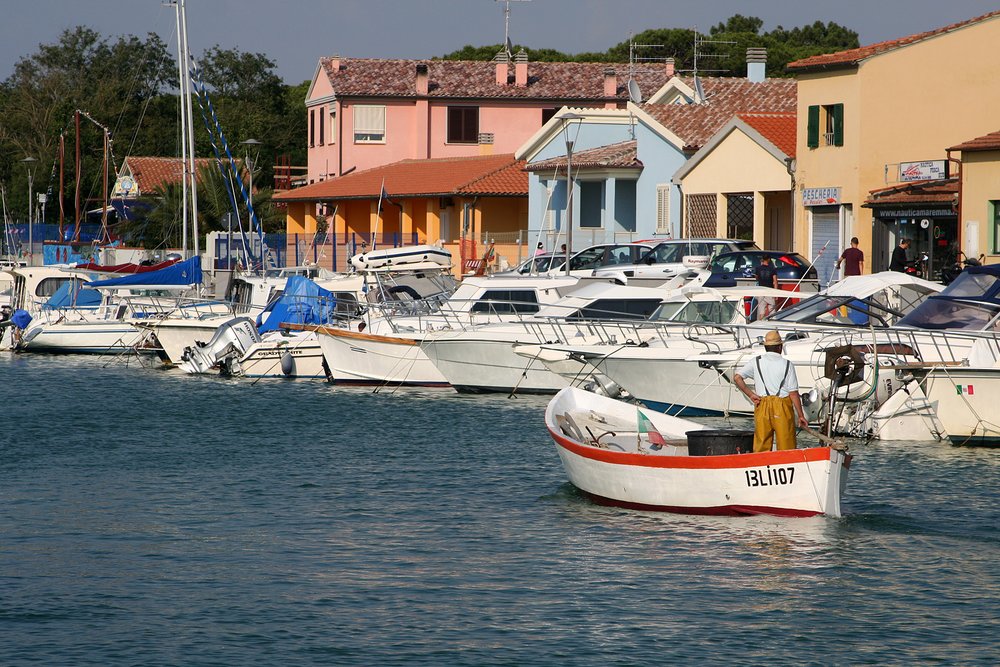
Marina di Grosseto | Photo Credit: Wikimedia Commons
How to get there: Grosseto is served by train from Florence (around 2h). From Grosseto, Marina di Grosseto is a 15-minute drive west. Castiglione della Pescaia is a further 20 minutes by car.
For a more relaxed and accessible take on Maremma beaches Tuscany style, the stretch between Marina di Grosseto and Castiglione della Pescaia is one of the most enjoyable on the whole coast.
Looking for a place to stay nearby? La Canova II offers a peaceful base close to some of Tuscany’s most beautiful beaches.
Marina di Grosseto has wide, gently shelving beaches with a good mix of free public sand and organized lidos. The water is clean and calm, the town is low-key, and it doesn't attract the same tourist crowds as the more famous Versilia resorts.
Castiglione della Pescaia, just a few kilometers north, is a charming coastal town with a medieval hilltop center, a small harbor, and beautiful beaches. It's widely considered one of the most attractive seaside towns in Tuscany.
5. Beaches of the Maremma Natural Park
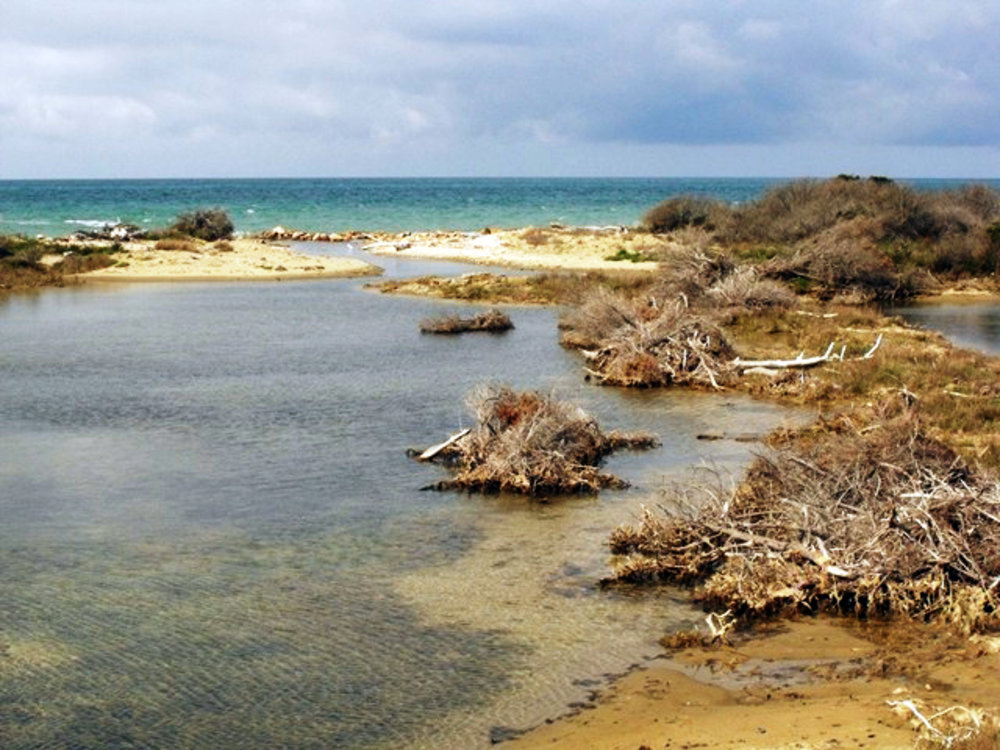
Beaches of the Maremma Natural Park | Photo Credit: Wikimedia Commons
How to get there: Drive to Alberese village (around 2h 15min from Florence). The main beach access points are a 4–6km walk from the park entrance.
Good to know: Park entry tickets must be purchased in advance during summer.
For something more adventurous, the beaches within the Parco Naturale della Maremma (also known as the Uccellina Park) are among the most unspoiled in Tuscany. This protected coastal strip south of Grosseto has no lidos, no development, and no roads to the beach, access is on foot or by boat only, and entry to the park requires a ticket.
The most accessible entry point is from Alberese village, where park shuttles or guided walks take you down to the coast. The beaches along this stretch are part of what makes the Maremma region one of the best-kept secrets for beach seekers in Tuscany.
If you're combining a beach trip with the Tuscany countryside, the rolling landscapes of Val d'Orcia are not far; a Val d'Orcia tour from Florence makes an excellent combination with a coastal day nearby.
Want to see more of the Tuscan countryside? This Vespa tour from Florence is a fun way to explore it.
6. Fetovaia and Cavoli
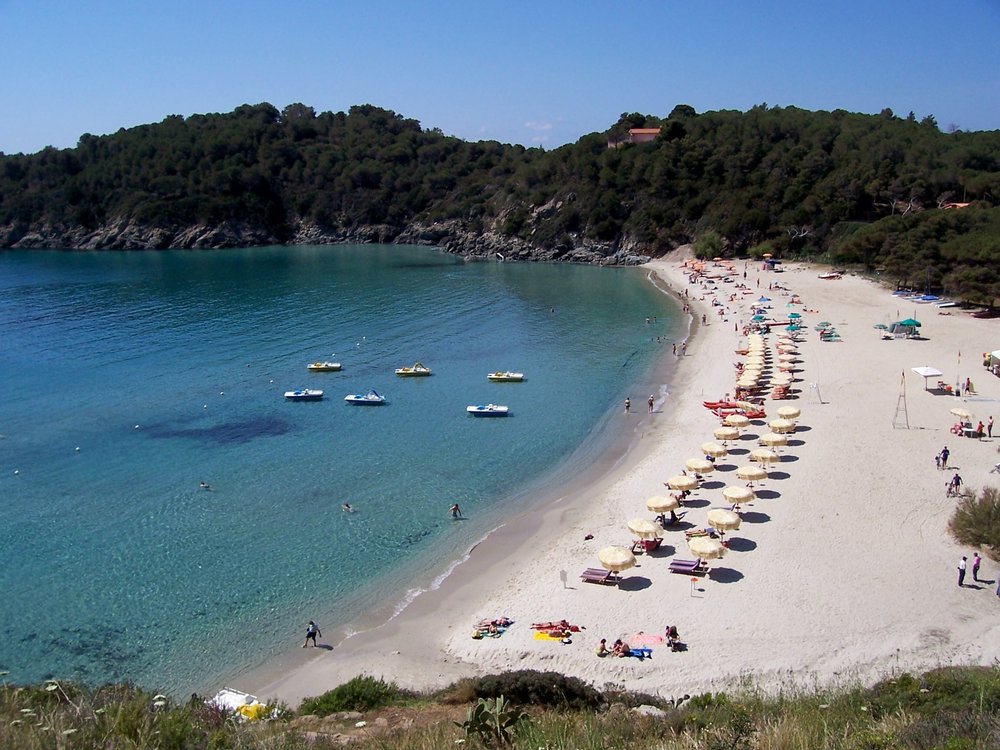
Fetovaia beach in Elba Island | Photo Credit: Wikimedia Commons
How to get there: Train or drive to Piombino Marittima station, then take the Moby or Toremar ferry to Portoferraio (Elba's main town). Journey time approximately 1 hour.
Elba Island’s beaches are among the highlights of the Tuscan Archipelago, and Fetovaia is often considered the most beautiful. Located on the island’s southwest coast, this sheltered bay is known for its turquoise water, soft sand, and scenic granite headland. Arrive early in summer, as it’s one of Elba’s most popular beaches.
A short drive away, Cavoli Beach is another popular choice, with a larger sandy beach, beach bars, and a more lively atmosphere. If you're looking for quieter spots, Elba's north and west coasts have several smaller coves worth exploring. Ferries from Piombino take about an hour, and once on the island, a car or scooter is the easiest way to get around.
7. Giglio Island
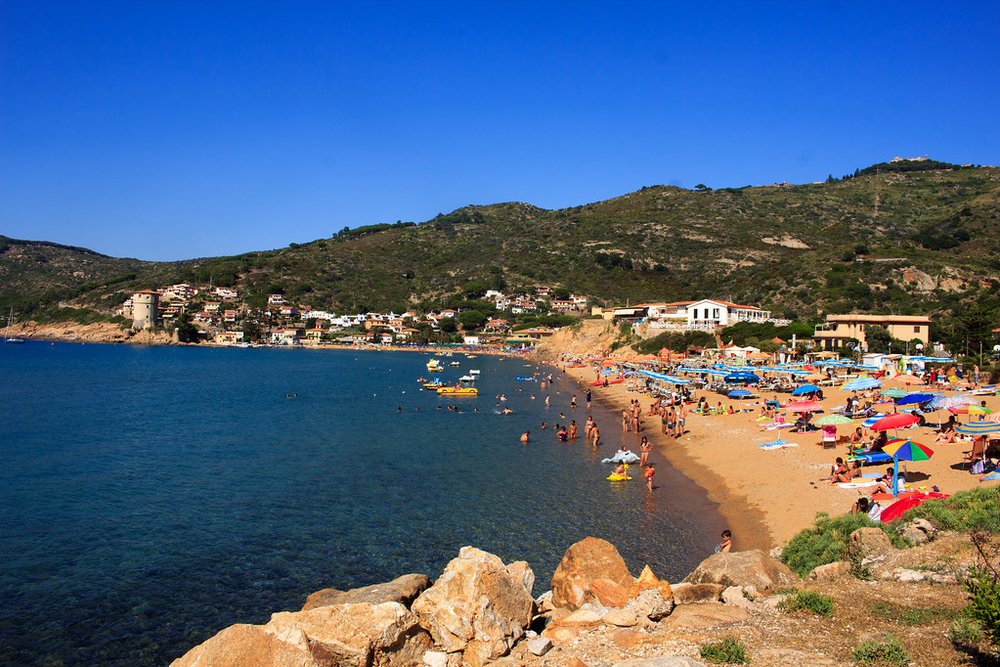
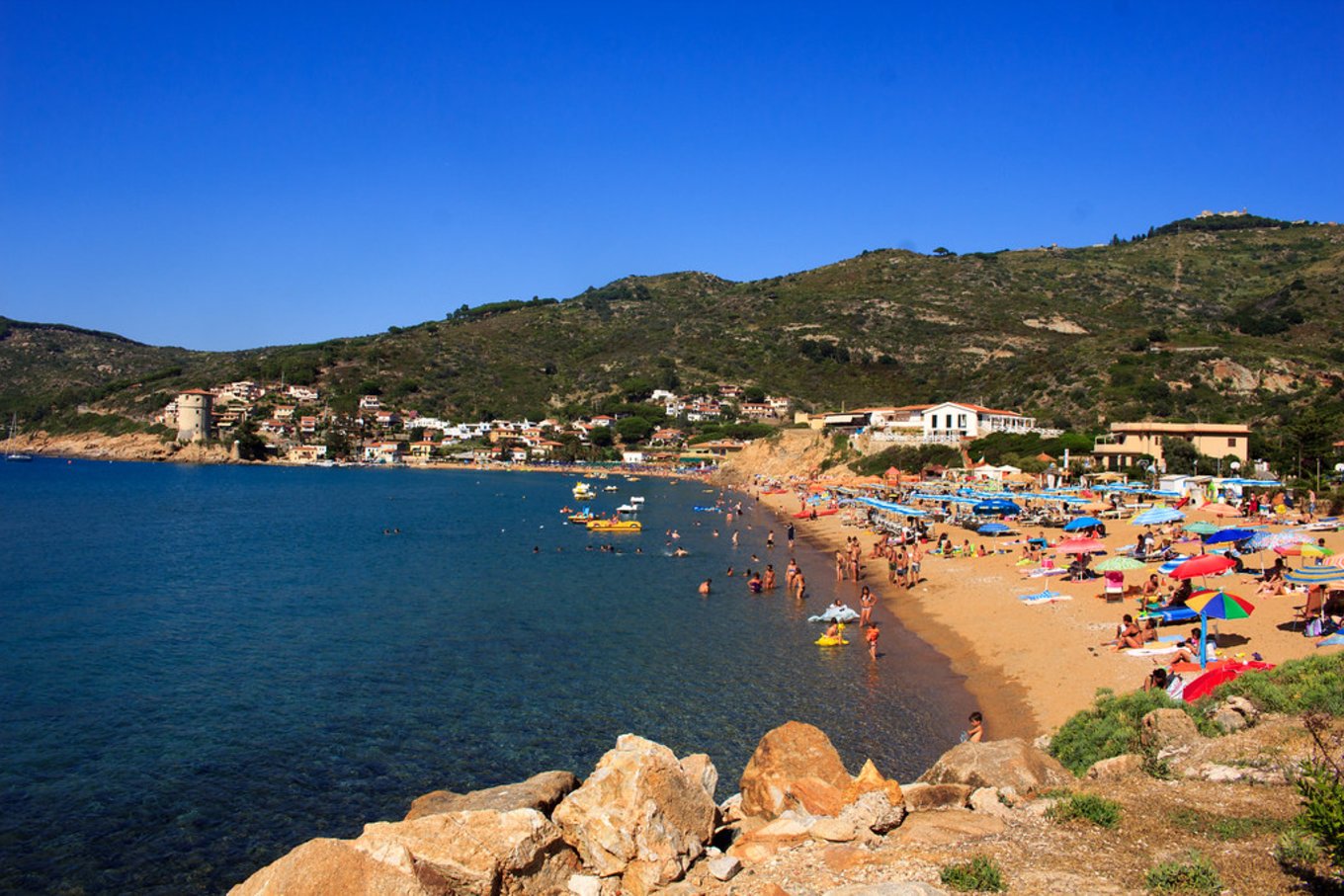
Giglio Campese in Giglio Island | Photo Credit: Wikimedia Commons
How to get there: Drive or take the train to Orbetello-Monte Argentario, then drive to Porto Santo Stefano for the Maregiglio ferry to Giglio Porto. Crossing takes about 1 hour.
Giglio Island sits off the Tuscan coast near Monte Argentario and offers a quieter, more remote alternative to Elba. Its best beaches include Campese, the island’s largest sandy beach; Cannelle with its crystal-clear water; and Arenella, a smaller cove popular for snorkeling.
Part of Giglio’s appeal is its laid-back atmosphere. Giglio Porto is a colorful harbor village, while medieval Giglio Castello sits higher up the hill. If you're combining an island trip with the mainland, the nearby Argentario coast also has excellent beaches around Porto Ercole and Feniglia.
Explore Tuscany beyond the beach
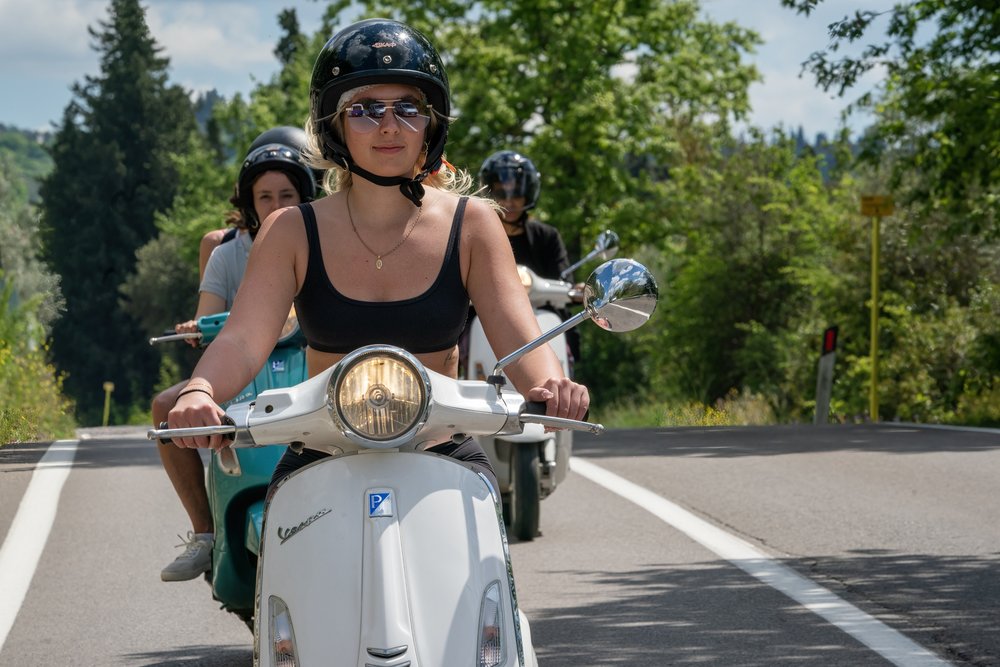
Explore Tuscany on a vespa
Tuscany's coast gives you more variety than most people expect, from the polished lidos of Forte dei Marmi to the protected wild beaches of the Maremma and the turquoise coves of Elba.
If you're planning a trip from Florence and want to see more of the region, a Tuscany Vespa tour with lunch and wine is one of the best ways to experience the Tuscan countryside before or after a beach day.
And if you're thinking about combining the coast with the Cinque Terre, which sits just north of Versilia, a Cinque Terre day tour from Florence makes it easy to see both coastlines in one trip.
FAQs about the best beaches in Tuscany
Does Tuscany have good beaches?
Yes, Tuscany has a varied and impressive coastline that will surprise you if you associate the region mainly with art cities and hill towns. The coast includes wide sandy beaches with organized lidos in Versilia, quieter stretches in the Maremma, and island beaches on Elba, Giglio, and Capraia with some of the clearest water in the Mediterranean.
The best beaches in Tuscany cover a wide range of styles, from glamorous resort towns to protected natural parks with near-empty sand.
What is the best beach in Tuscany?
It depends on what you're after. For natural beauty and clear water, Cala Violina in the Maremma and Fetovaia on Elba are hard to beat. For a classic Italian beach resort experience with easy access and good facilities, Forte dei Marmi and Viareggio in Versilia are the top choices.
For something wild and undeveloped, the beaches inside the Maremma Natural Park offer a completely different feel. Most beach travelers find the islands, particularly Elba, offer the best overall combination of water quality, scenery, and variety.
How do you get to the beaches in Tuscany?
From Florence, most Tuscan beaches are reachable in 1.5 to 3 hours. Viareggio and the Versilia coast are the closest and easiest to reach by train (direct services from Florence Santa Maria Novella, around 1.5 hours). The Maremma beaches require a car or a train to Grosseto followed by a local bus or taxi. Elba and Giglio require a ferry crossing from Piombino or Porto Santo Stefano, respectively.
Are the beaches in Tuscany sandy or rocky?
Both. The Versilia coast is mostly flat, sandy, and well-organized with lidos. The Etruscan Coast further south has a mix of sand and pebble beaches. The Maremma has beautiful stretches of fine white sand, particularly around Cala Violina and the natural park.
The islands vary: Elba has a mix of sandy coves and rocky bays, while Giglio leans more towards pebbly stretches with clear water. In general, the further south and further offshore you go, the more likely you are to find unspoiled and rocky coastline.
What is the best time of year to visit Tuscany's beaches?
June and September are the sweet spot. The sea is warm, the weather is reliably sunny, and the beaches are significantly less crowded than July and August. July and August are peak season; expect higher prices, busier beaches, and the need to book ferry crossings, entry permits (for places like Cala Violina), and accommodation well in advance.
More Tuscany travel guides for you

What is Klook?
Klook is a leading pan-regional experiences platform in Asia Pacific, purpose built to digitalize experiences and make them accessible to every traveler.
Our mission is to build the digital infrastructure for the global experience economy — empowering merchants to share their passions and travelers to discover the heartbeat of each destination. We operate a mobile-first, curated platform featuring diverse experiences across global destinations.