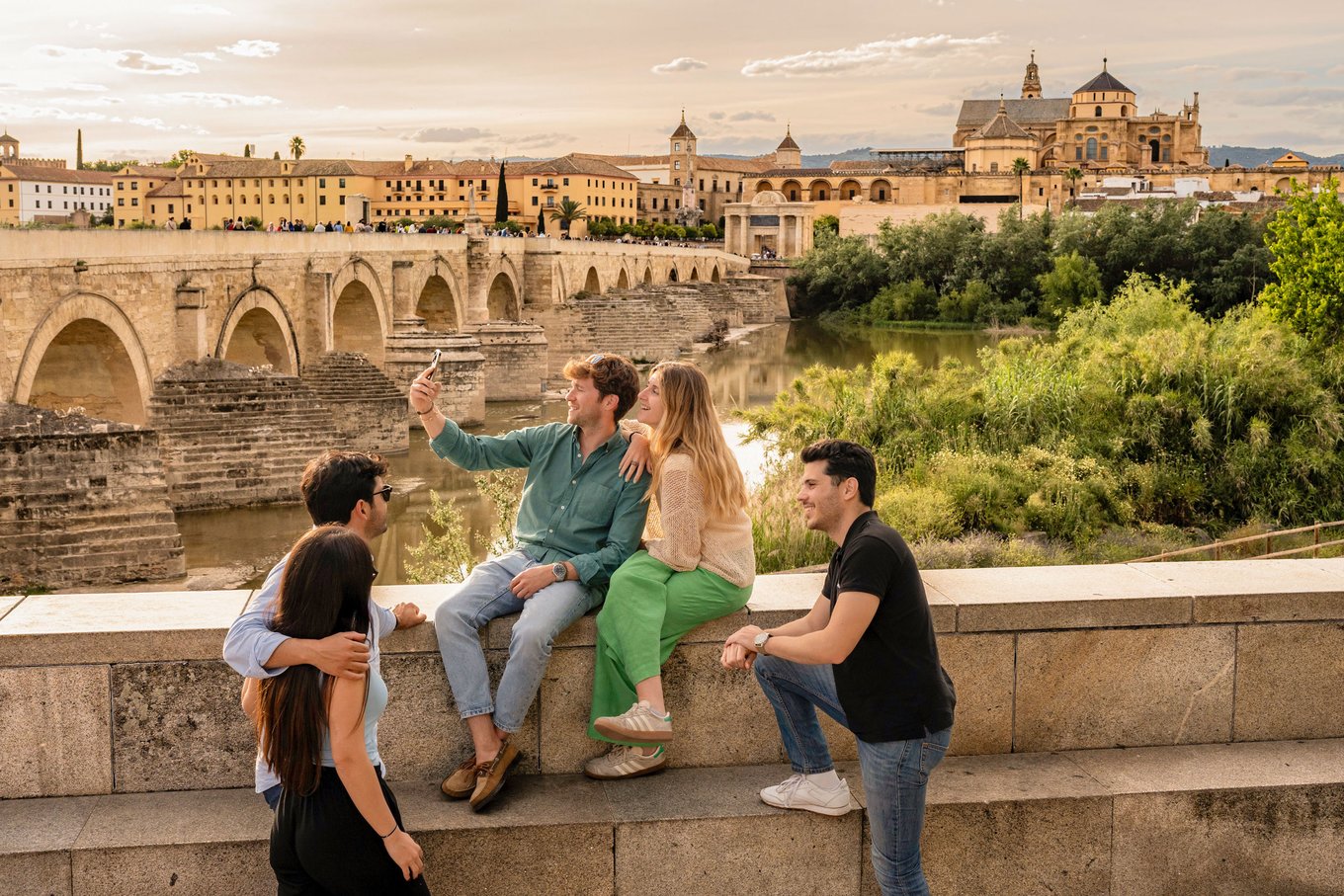
No two cities in Spain feel quite the same, and that's a big part of what makes it worth more than one trip. The beaches, the architecture, the food, the history; it all varies depending on where you go. Knowing which cities to prioritize makes the difference between a good trip and a great one.
This guide covers the best cities to visit in Spain, with practical details for each one: when to go, how long to stay, and what type of traveler it suits best. Check out everything Spain has to offer before you start planning.
Barcelona
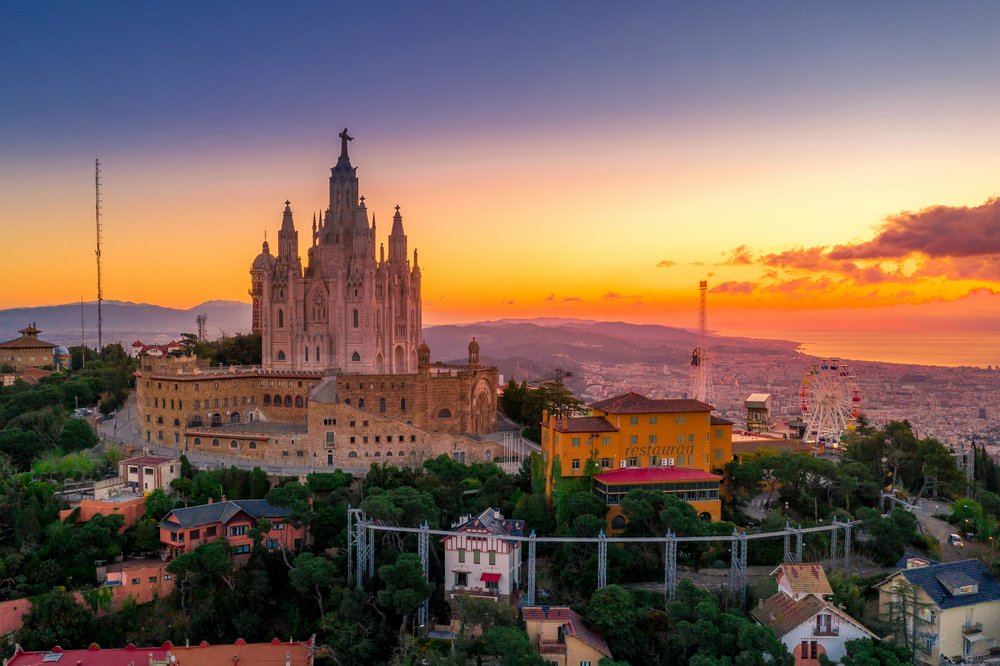
Sagrada Familia at sunset in Barcelona | Photo Credit: Ken Cheung on Unsplash
Best for: Art lovers, beach seekers, foodies, first-timers
Best time to visit: April to June or September to October
How long to stay: 3 to 4 days
Barcelona earns its reputation. The architecture alone could fill a week, from the modernista buildings along Passeig de Gràcia to the surreal heights of La Sagrada Família, Antoni Gaudí's still-unfinished basilica that has been under construction since 1882. Seeing it in person, especially the light through the stained glass on a clear morning is breathtaking.
Klook Tip: Visit La Sagrada Família first thing in the morning on a weekday. The light inside the nave is at its best before midday, and the crowds are noticeably thinner before 10am.
Beyond Gaudí, Barcelona has the Gothic Quarter for exploring and Barceloneta beach for a relaxed afternoon by the water. Join a Gothic Quarter walking tour to get the stories behind the streets. The food scene ranges from market pintxos at La Boqueria to some of Europe's most talked-about restaurants.
If it's your first time in Barcelona, a hop-on hop-off sightseeing bus tour is a great way to cover the highlights, including Placa de Catalunya and Antoni Gaudí's masterpieces like the Sagrada Familia and Park Guell quickly.
Madrid
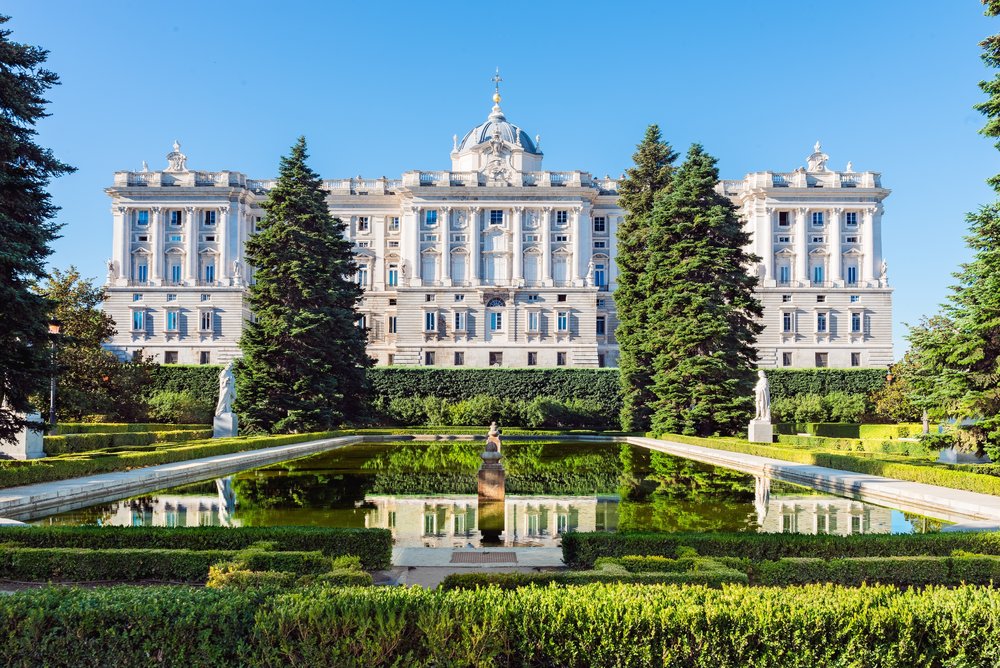
Royal Palace of Madrid
Best for: Art lovers, foodies, nightlife seekers, first-timers
Best time to visit: March to May or September to November
How long to stay: 2 to 3 days
Madrid is Spain's capital, and it takes that role seriously. The Prado Museum houses one of the most important art collections in the world, with works by Goya, Velázquez, El Greco, and more spread across room after room of extraordinary painting. If you're an art lover, spend a solid half day here. It's also worth pairing with the nearby Reina Sofía to see Picasso's Guernica.
The city does the Spanish lifestyle better than most, with long lunches, late dinners, and tapas bars that fill up well after midnight. El Retiro Park is perfect for a slow morning before the day really gets started. Take a Royal Palace of Madrid guided tour to see the official residence of the Spanish royal family and get context from your very own tour guide.
Klook Tip: Madrid's best tapas bars are concentrated around La Latina and Malasaña. A tapas tour with rooftop is a fun way to hit the highlights without ending up lost in the wrong bar. Go between 7pm and 9pm for the classic pre-dinner vermut (vermouth) hour.
Seville
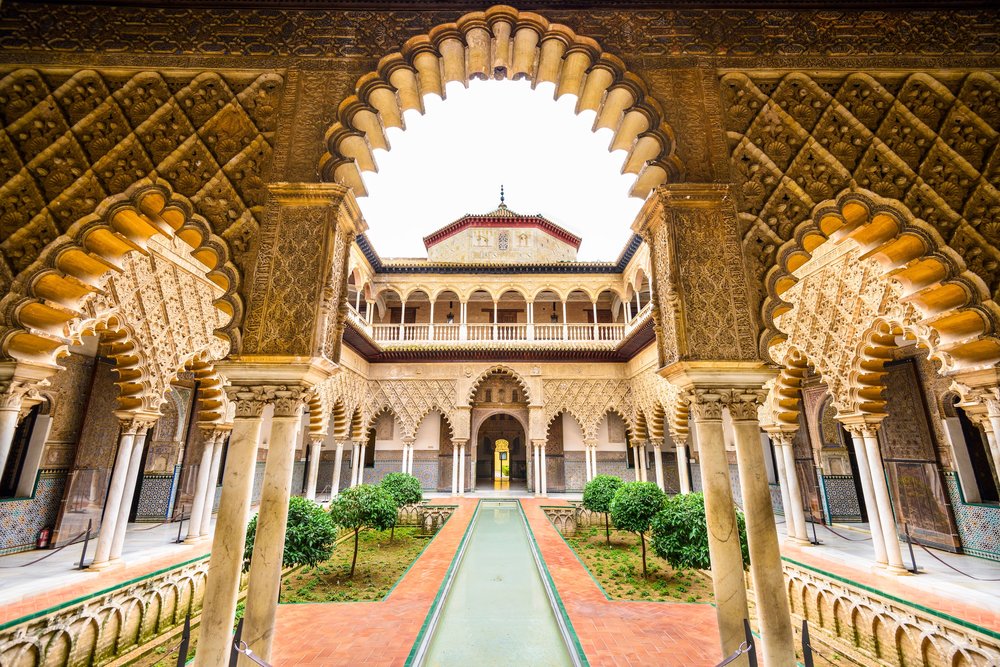
Royal Alcazar of Seville
Best for: History enthusiasts, culture lovers, romantics, architecture fans
Best time to visit: March to May or October to November
How long to stay: 2 to 3 days
Seville is the kind of city that photographs well but feels even better in person. The old town is one of the most beautiful historic centers in Europe. The Royal Alcázar of Seville is right in the center, a UNESCO World Heritage complex still used by the Spanish royal family today. The mix of Moorish, Gothic, and Renaissance styles makes it worth every minute you spend inside.
It's worth a visit any time outside the brutal heat of July and August. Book a Royal Alcázar tour to skip the lines and get the full story behind the palace's remarkable history.
Seville is also the spiritual home of flamenco, and catching a live flamenco performance here feels different from watching it anywhere else in Spain. The city has a passionate energy, especially during Semana Santa (Holy Week) and the Feria de Abril (April Fair).
Klook Tip: Seville in July and August regularly exceeds 40°C. If you're visiting in summer, plan outdoor sightseeing for early morning or evening and save the heat of the day for museums, tapas bars, or a long lunch with the locals.
Granada
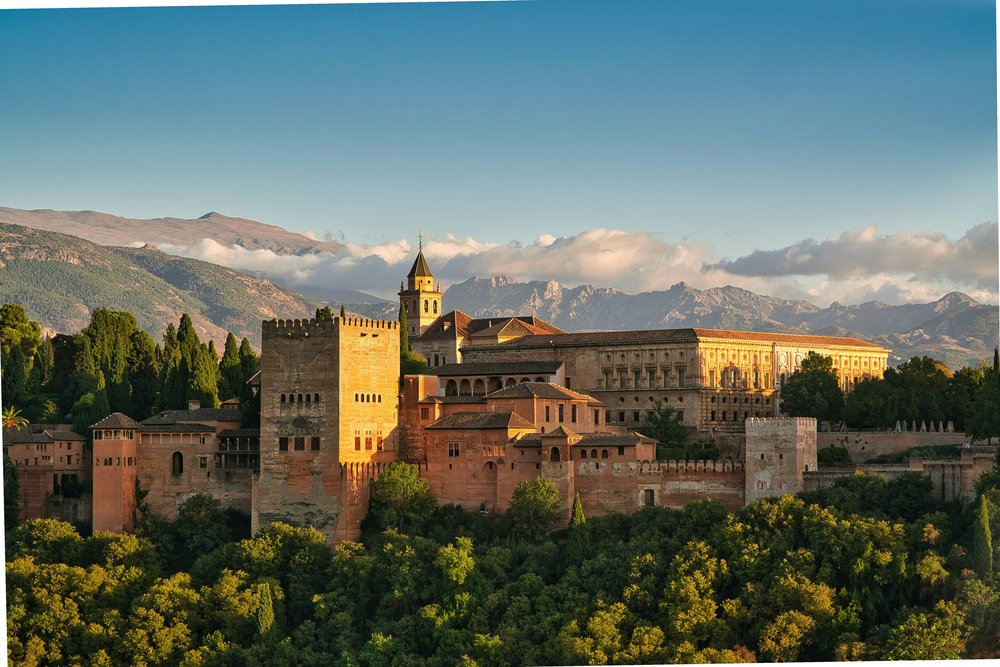
Alhambra in Granada | Photo Credit: Alexander Psiuk on Unsplash
Best for: History enthusiasts, architecture lovers, off-the-beaten-path seekers
Best time to visit: March to May or September to November
How long to stay: 1 to 2 days
Granada is a smaller city, but there’s a lot to see and do here. Visit Alhambra, a 13th-century Moorish palace and fortress complex placed above the city, and it's considered one of the greatest historic monuments in the world. The Nasrid Palaces inside are extraordinary, with elaborate geometric tilework, carved plaster ceilings, and reflected pools.
For something a bit different, the Sacromonte Caves Museum tells the story of Granada's Roma community through the cave dwellings carved into the hillside. It's one of the more memorable stops in the city outside the Alhambra itself.
Klook Tip: Granada is one of the few cities in Spain where tapas are still served free with drinks at many bars, a tradition that's largely disappeared elsewhere. Take full advantage of it.
San Sebastián
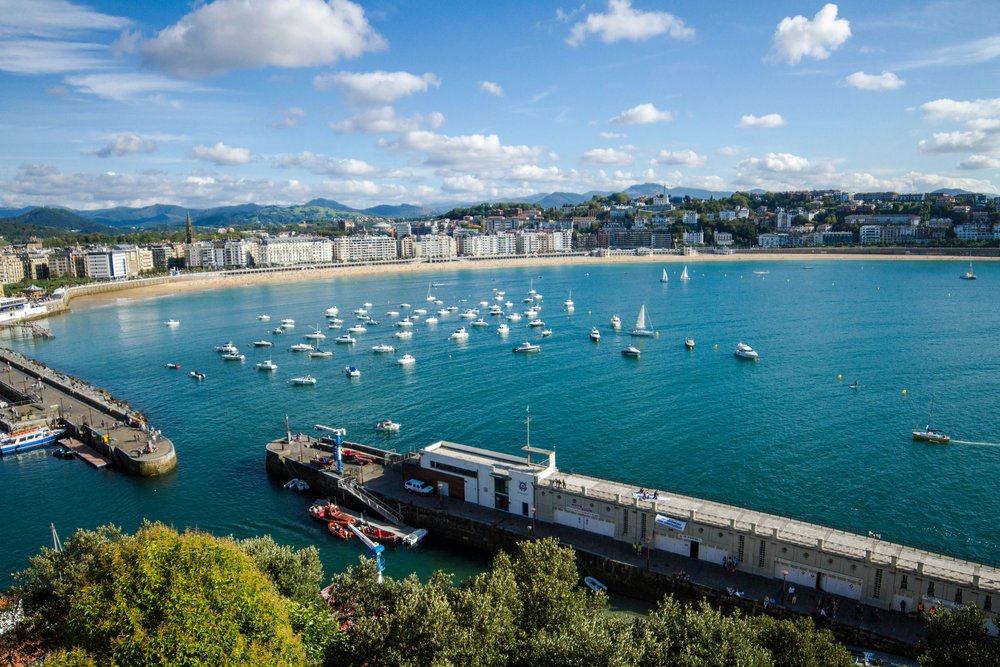
San Sebastián beach coast | Photo Credit: Andrea Huls Pareja on Unsplash
Best for: Foodies, beach lovers, couples, travellers who want a slower pace
Best time to visit: June to September for beaches; year-round for food
How long to stay: 2 days
San Sebastián, called Donostia in Basque, is a relatively compact city on Spain's northern coast, but the food scene here is impressive. The old town's pintxos bars are a whole way of spending an evening, with small inventive bites lined up along the counter for you to pick and graze. Book a pintxo tasting with Spanish wines to hit the best spots with a local in the lead.
The city has more Michelin stars per capita than almost anywhere else in the world. It's one of the best cities to travel to in Spain if food is a priority. Sitting alongside all of this is La Concha beach, a curved bay surrounded by hills that's considered one of the best urban beaches in Europe.
The combination of a top-tier food scene and a beautiful coastline makes San Sebastián worth adding to your Spain itinerary. If you're traveling between cities by train, it connects well with Bilbao and is worth pairing on a northern Spain leg.
Klook Tip: The pintxos crawl in San Sebastián's Parte Vieja (old town) works best if you treat each bar as one or two bites and a drink, then move on. Don't sit down at a table; stand at the bar and join the locals.
Valencia
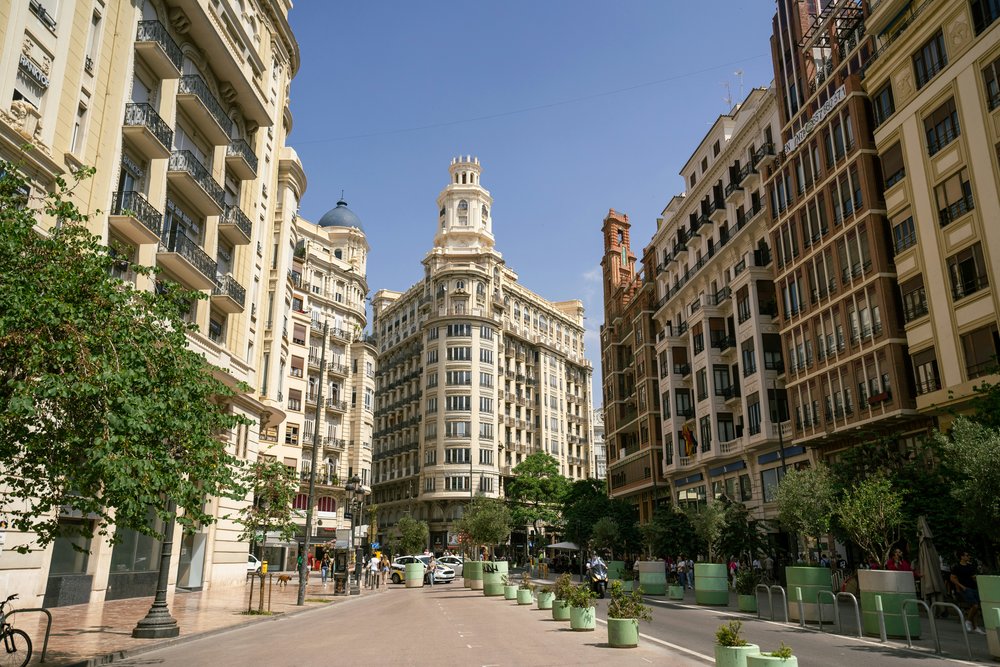
Plaza de Ayuntamiento in Valencia | Photo Credit: Northleg Official on Unsplash
Best for: Foodies, beach seekers, families, design enthusiasts
Best time to visit: March for Las Fallas festival, or April to June and September to October
How long to stay: 2 days
Valencia's big claims to fame are well-founded. It's the birthplace of paella, and eating it here, the real version made with rabbit, chicken, and green beans rather than the tourist-facing seafood adaptation, is worth going out of your way for.
Beyond the food, the City of Arts and Sciences is one of Europe's most architecturally striking complexes. It's a string of futuristic buildings by Santiago Calatrava sitting in a dry riverbed that was converted into a public park.
The city also has a relaxed pace that Barcelona and Madrid don't always offer, with decent beaches within easy reach of the center. The charming old town around the Central Market is worth an easy half day on its own. It’s one of the best cities to visit in Spain if you want the full Spanish experience of culture, food, and coastline without the tourist density of the larger cities.
Klook Tip: Valencia's Las Fallas festival in mid-March is one of Spain's most spectacular events, five days of fireworks, elaborate sculptures, and street parties. Accommodation books out months in advance, so plan early if you want to catch it.
Bilbao
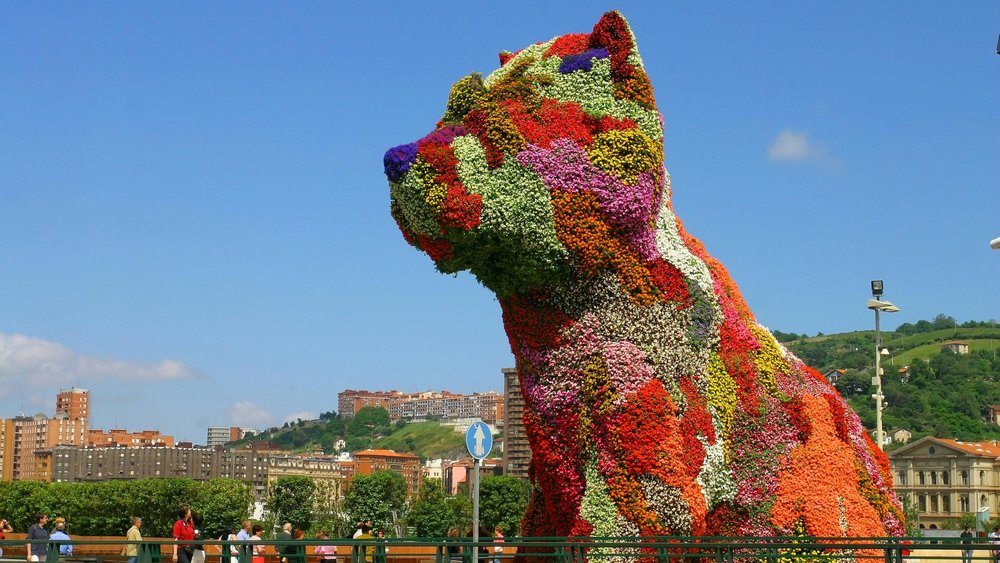
Puppy, the giant flower-covered dog sculpture outside the Guggenheim Museum in Bilbao
Best for: Art lovers, architecture fans, foodies, curious travellers
Best time to visit: April to June or September to October
How long to stay: 1 to 2 days
Bilbao spent decades as an industrial port city before Frank Gehry's titanium-clad Guggenheim Museum opened in 1997 and changed the conversation entirely. The building itself is a flowing, sculpted mass that looks different from every angle and is as much of an attraction as the art inside. It's become one of the most photographed structures in Spain.
The Guggenheim Museum effect is real: the museum pulled the whole city's economy and self-image upward, and Bilbao is now a genuinely exciting destination with excellent restaurants and a lively old quarter. Book a Guggenheim Museum tour to get the full story behind the building and the art inside.
Bilbao pairs naturally with San Sebastián for a two-city northern Spain trip, giving you a very different side of the country from Andalusia or Barcelona. The Basque food scene here is serious, and the local wine, especially txakoli (a slightly sparkling local white), is excellent.
Klook Tip: Book Guggenheim Museum tickets online before your trip, as queues at the door can be long especially on weekends. The free outdoor sculptures, including Jeff Koons' flower-covered Puppy, are accessible any time without a ticket.
Toledo
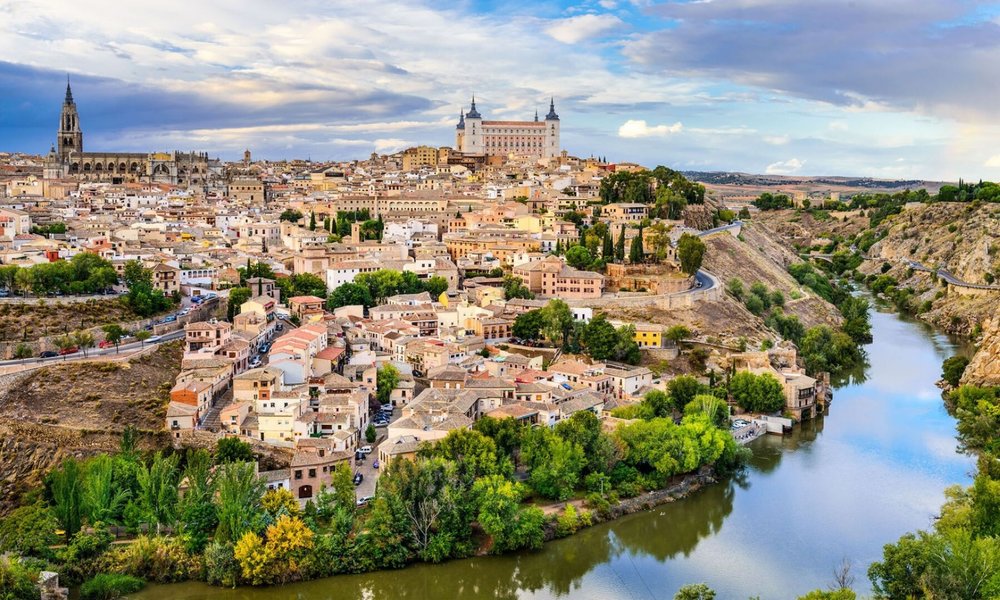
Medieval towns of Toledo
Best for: History enthusiasts, day-trippers from Madrid, architecture lovers
Best time to visit: March to May or September to November
How long to stay: 1 full day, or overnight to catch the city at sunrise to sunset
Toledo is one of the best areas in Spain to visit that’s usually seen as a quick day trip from Madrid rather than a destination in itself, but it deserves more than that. It’s a UNESCO World Heritage Site right on a rocky promontory above the Tagus River. It was once the capital of Spain and has layers of Christian, Muslim, and Jewish history visible in almost every street and building.
The Cathedral of Toledo and the Alcázar are the headline sights, but the real pleasure of Toledo is getting lost in the medieval street grid without much of a plan. If you stay overnight, the city empties out after the day-trippers leave and takes on a quieter, more atmospheric character that's easier to appreciate at your own pace.
Grab a Toledo tourist bracelet for easy access to 7 monuments across the city, from the Real Colegio de Doncellas Nobles to the Mosque of Cristo de la Luz.
Toledo is just 33 minutes from Madrid by high-speed train, making it one of the most accessible and rewarding short escapes in the country.
Klook Tip: Toledo's streets are steep and cobbled, so wear comfortable shoes. The city is best explored on foot, and most of the major sights are within easy walking distance of each other in the old town.
Córdoba
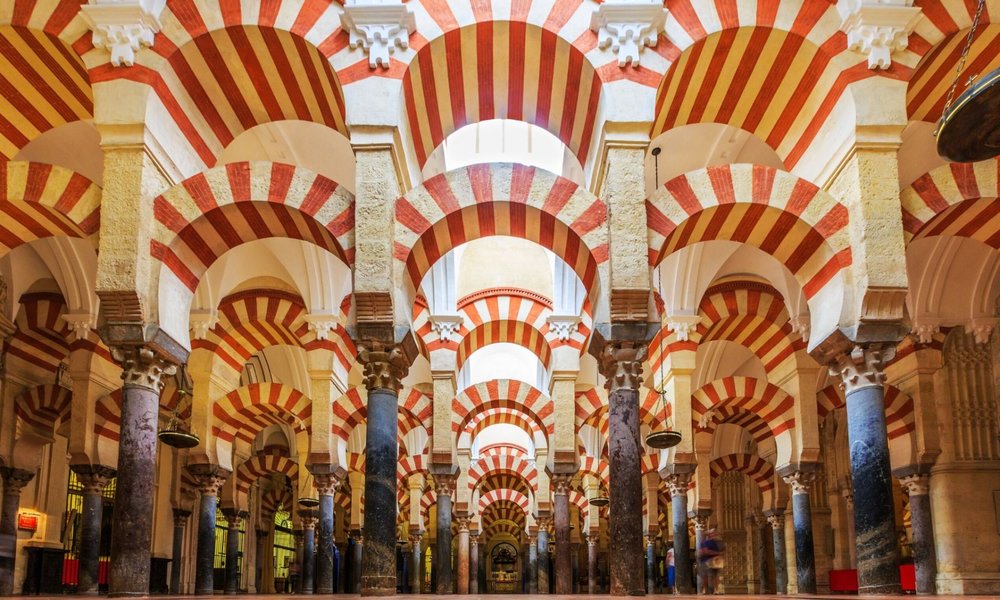
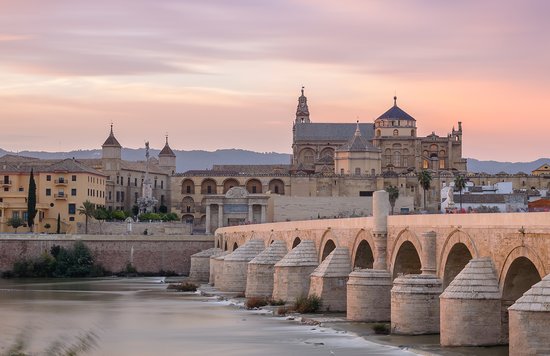
Mosque-Cathedral of Córdoba
Best for: History enthusiasts, architecture lovers, day-trippers from Seville
Best time to visit: March to May or October to November
How long to stay: 1 day (easy day trip from Seville or Madrid)
Córdoba is worth visiting for the Mosque-Cathedral of Córdoba, also known as the Mezquita. The building began as a Roman temple, became a Visigoth church, was rebuilt as a grand mosque, and then had a full Gothic cathedral in its center in the 16th century. The result is a forest of 856 striped red-and-white arches with a Renaissance nave rising from the middle.
The surrounding judería (old Jewish quarter) is among the best-preserved in Spain, adding another layer to a city that already has plenty to explore.
Go on a Popular Patios of Cordoba guided tour to see Córdoba's famous patios, private courtyards filled with flowers that are opened to the public each May during the Patio Festival, are a charming bonus.
Klook Tip: Córdoba is a 45-minute high-speed train ride from Seville and about 1 hour 45 minutes from Madrid, making it an easy addition to either end of an Andalusia trip.
FAQs about the best cities to visit in Spain
What is the most beautiful city in Spain?
Granada and Seville come up most often, and both make a strong case. Granada has the Alhambra above the city, the Sierra Nevada behind it, and the winding streets of the Albaicín unchanged from their Moorish past. Seville has a stunning historic center, the Royal Alcázar, and a golden-hour light over the Guadalquivir River that's hard to beat.
Which Spanish city is best for first-time visitors?
Barcelona and Madrid are the natural starting points. Barcelona gives you architecture, beaches, food, and Gaudí all in one place. Madrid has top-tier museums, an authentic city pace, and easy access to Toledo as a day trip. If you can only pick one, Madrid feels more distinctly Spanish, but Barcelona's variety is hard to argue with.
What is the best city in Spain for food?
San Sebastián is the most common answer, with more Michelin stars per capita than almost anywhere else in the world. Barcelona has one of Europe's most exciting restaurant scenes, and Seville's tapas bars are informal, sociable, and genuinely excellent. Valencia is the place to eat paella in its original form.
What is the best city in Spain to visit in summer?
San Sebastián and Bilbao are the most comfortable options, with a mild Atlantic climate that stays manageable in July and August. Barcelona works too, as sea breezes help keep the heat in check. Seville, Granada, and Córdoba regularly exceed 40°C, so plan outdoor activities for early morning or evening if you're visiting then.
How many Spanish cities can you visit in two weeks?
Two weeks comfortably covers four to six cities. A classic route combines Madrid, Toledo, Córdoba, Seville, Granada, and Barcelona, all linked by high-speed rail. For a northern Spain focus, swap Toledo and Córdoba for San Sebastián and Bilbao.
More Spain travel guides for you
What is Klook?
Klook is a leading pan-regional experiences platform in Asia Pacific, purpose built to digitalize experiences and make them accessible to every traveler.
Our mission is to build the digital infrastructure for the global experience economy — empowering merchants to share their passions and travelers to discover the heartbeat of each destination. We operate a mobile-first, curated platform featuring diverse experiences across global destinations.