
🗓️ When is winter in New Zealand?
New Zealand's winter runs from June to August, which might feel a little backwards if you're used to the Northern Hemisphere. While the rest of the world is enjoying the summer sun, New Zealand is getting dusted with snow on its mountain ranges, and honestly? That's what makes winter in New Zealand so good.
The South Island gets the most dramatic winter weather, where you’ll see snow-capped peaks, frosty mornings in Queenstown, and glaciers that look even more striking in the cold light. The North Island’s winter is milder but still has its own winter charm, especially in places like Taupo, where the landscape takes on a moody, misty feel.
❄️ New Zealand weather during winter
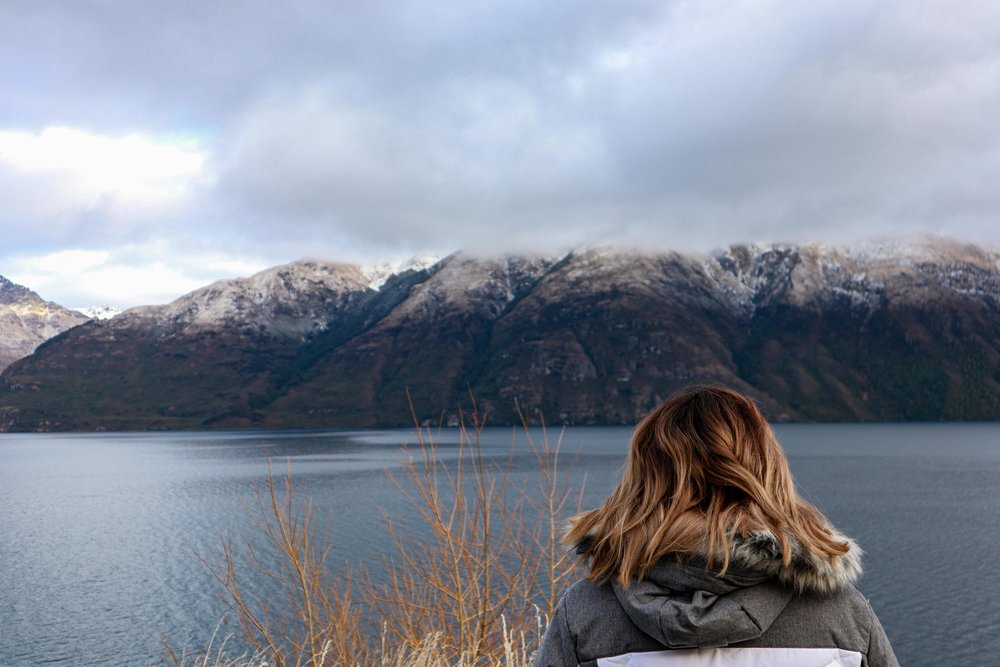
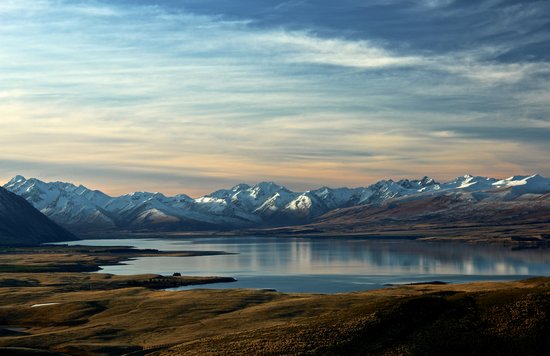
Winter weather in Lake Wakatipu | Photo Credits: Elaine Carstens on Pexels
Here's a quick look at what to expect weather-wise across some of the top winter destinations in New Zealand:
Destination | Average Winter Temp | Snowfall | Best For |
1–10°C (34–50°F) | Yes (at ski resorts) | Skiing, snowboarding, adventure | |
1–10°C (34–50°F) | Yes (nearby ski fields) | Skiing, nature, relaxed pace | |
4–12°C (39–54°F) | Rarely in town | Hot pools, hiking, lake views | |
2–11°C (36–52°F) | Occasionally | Thermal soaks, adventure sports | |
0–8°C (32–46°F) | Yes | Stargazing, snowscapes |
Temperatures change a lot depending on elevation, so always pack layers. A good waterproof jacket is non-negotiable, especially in the South Island!
Things to do in New Zealand during winter
1. Hit the ski slopes in Queenstown
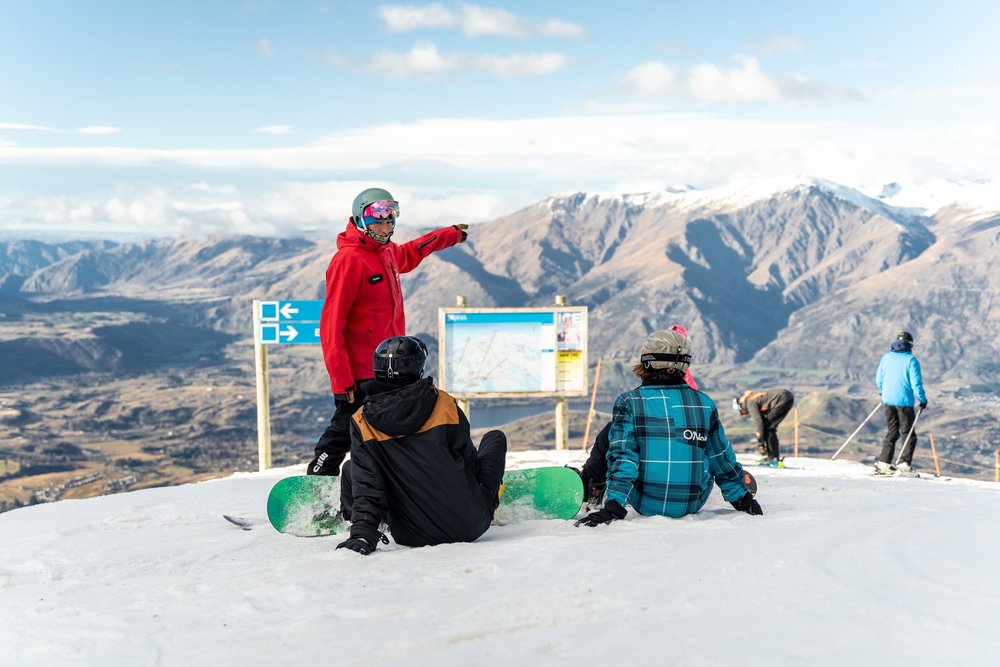
Coronet Peak skiing
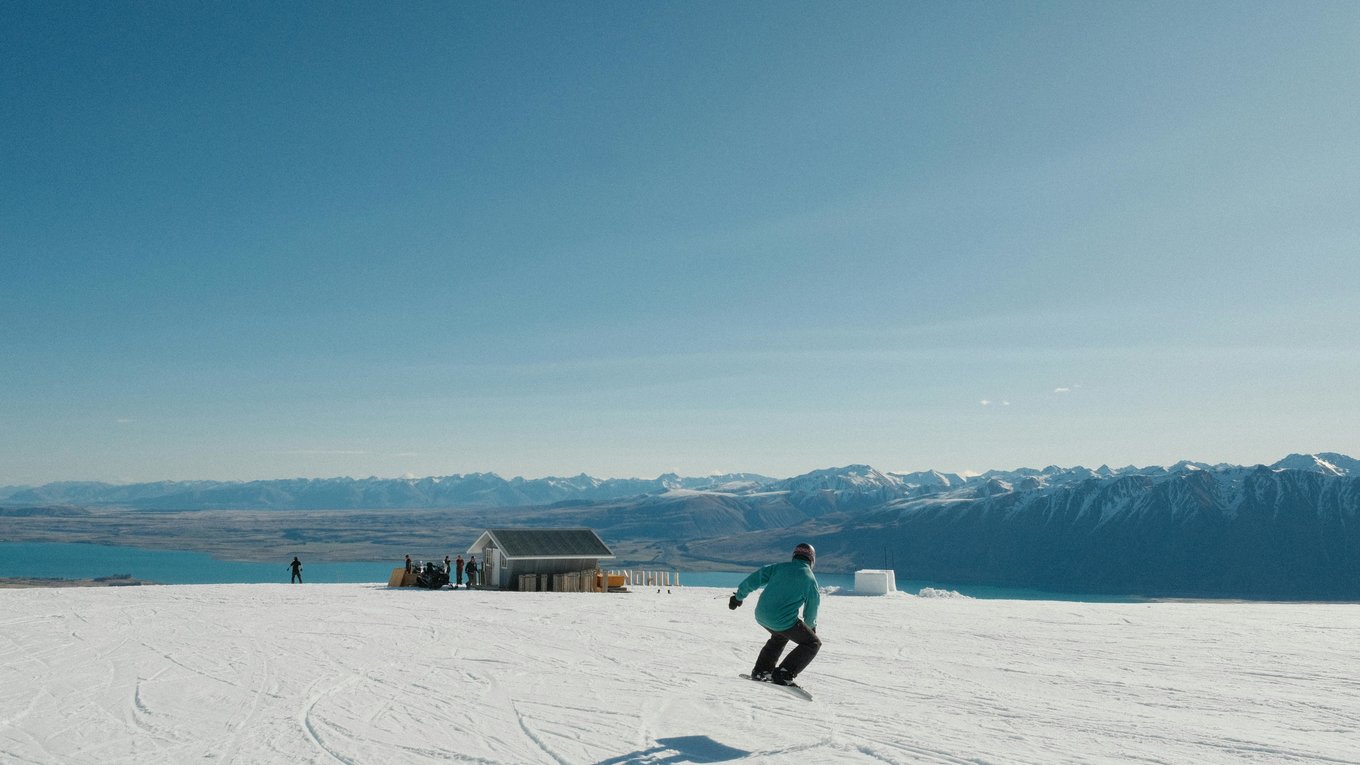
Queenstown is New Zealand's most well-known winter destination, and for good reason. Just a short drive from town, you'll find two major ski resorts: Coronet Peak and The Remarkables. The Remarkables, in particular, has stunning views of Lake Wakatipu that make the ski run worth it.
If you want to make the most of your ski day without the hassle, grab a Remarkables ski pass and transfer bundle so you can go straight from your hotel to the slopes. Queenstown ski season typically runs from around late June through to October, so there's plenty of time to fit in a few days on the mountain.
💡Klook Tip: Book your ski lessons and equipment rental in advance, especially during school holidays. Things fill up fast at both Coronet Peak and The Remarkables
2. Fly over Milford Sound
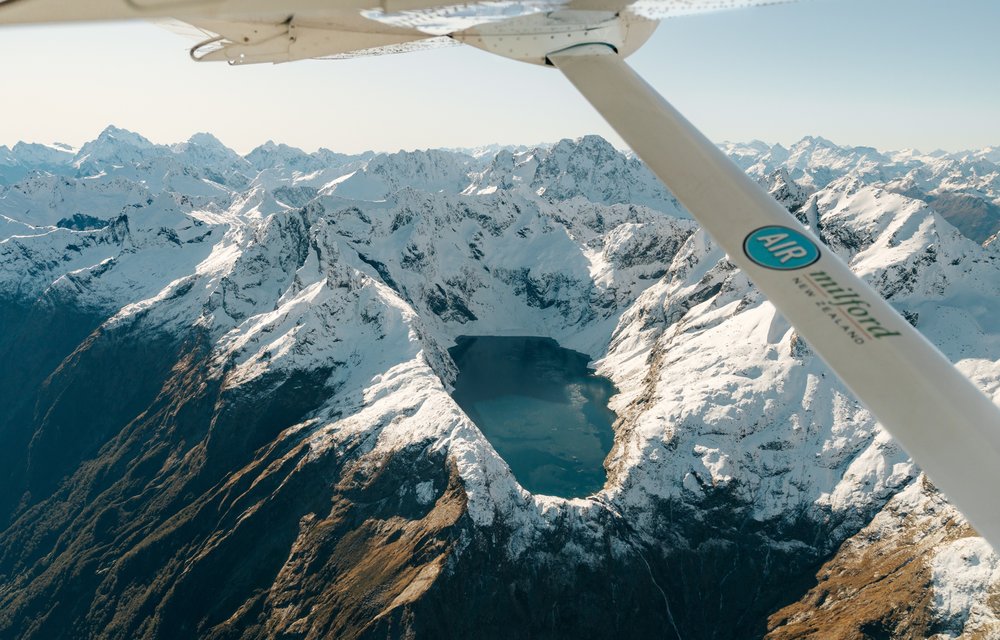
Winter in Milford sound
Winter is actually one of the best times to visit Milford Sound (Piopiotahi). The waterfalls run fuller, the misty atmosphere is dramatic, and there are fewer visitors compared to summer. A scenic flight combined with a nature cruise is the most popular way to experience it. And, from the air, the fiord looks absolutely wild in winter light.
You can book a Milford Sound scenic flight and nature cruise from Queenstown that covers both the flight and the cruise in one trip. It's one of the most memorable things to do in Queenstown in winter, hands down.
3. Stargaze at Lake Tekapo
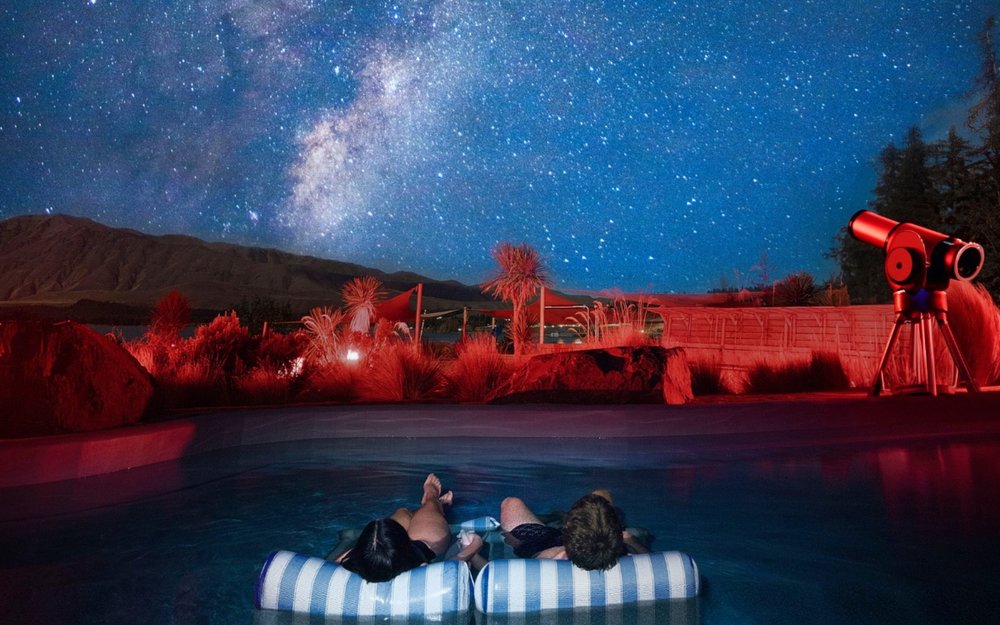
Stargazing and hot springs at Lake Tekapo
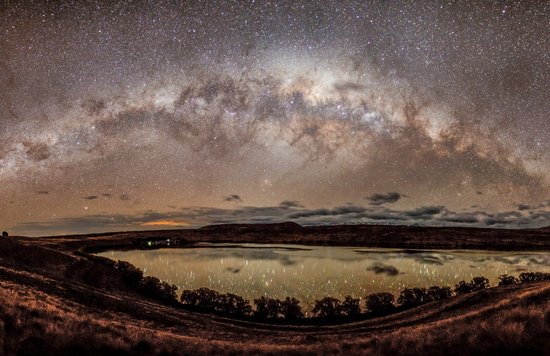
Lake Tekapo is one of the few places in the world where you can stargaze from a designated Dark Sky Reserve. Winter nights are longer and clearer, making this one of the best times to visit. The combination of snow-dusted mountains, turquoise lake water, and a sky full of stars is something you really can't replicate anywhere else.
For the full experience, join the Tekapo Stargazing experience. It’s a guided night that combines stargazing while soaking in Tekapo's famous hot springs. It's one of the most unique things to do in New Zealand during winter.
4. Soak in Hanmer Springs Thermal Pools
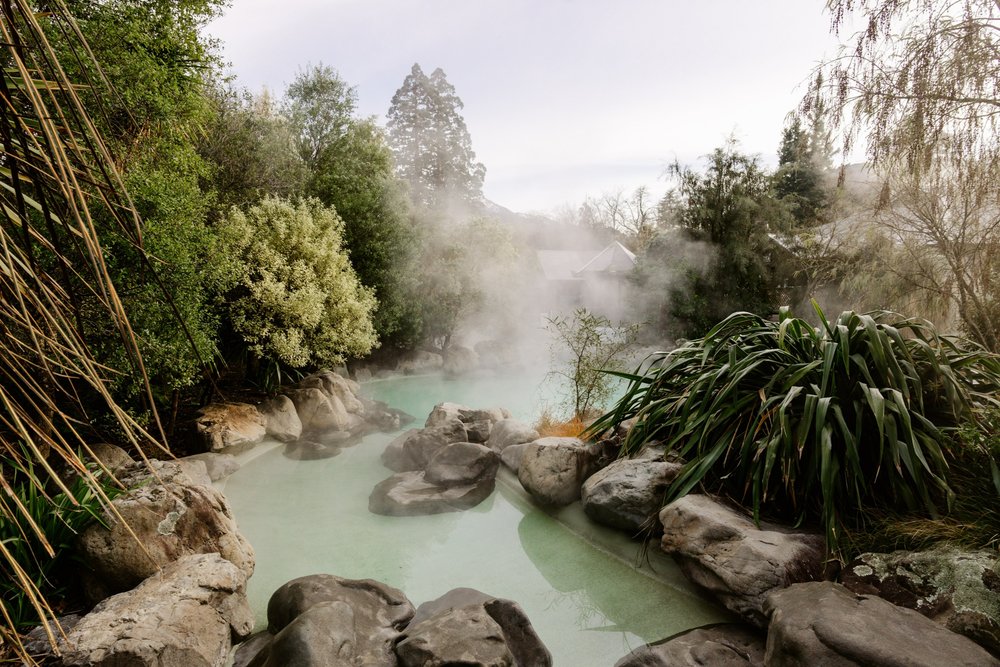
Hanmer Springs Thermal Pools
Hanmer Springs is a small alpine village in the Canterbury region, and it's one of the coziest places to be during winter in New Zealand. The main draw is the Hanmer Springs Thermal Pools & Spa, a large complex of geothermal pools set right at the foot of the mountains. Soaking in warm mineral waters while surrounded by snowy peaks is as good as it sounds.
Beyond the pools, the Hanmer Springs area also offers adventure activities like bungy jumping, rafting, and quad biking. It's a solid base for a quieter, more relaxed New Zealand winter trip away from the ski resort crowds.
5. Go on a Tasman glacier hike
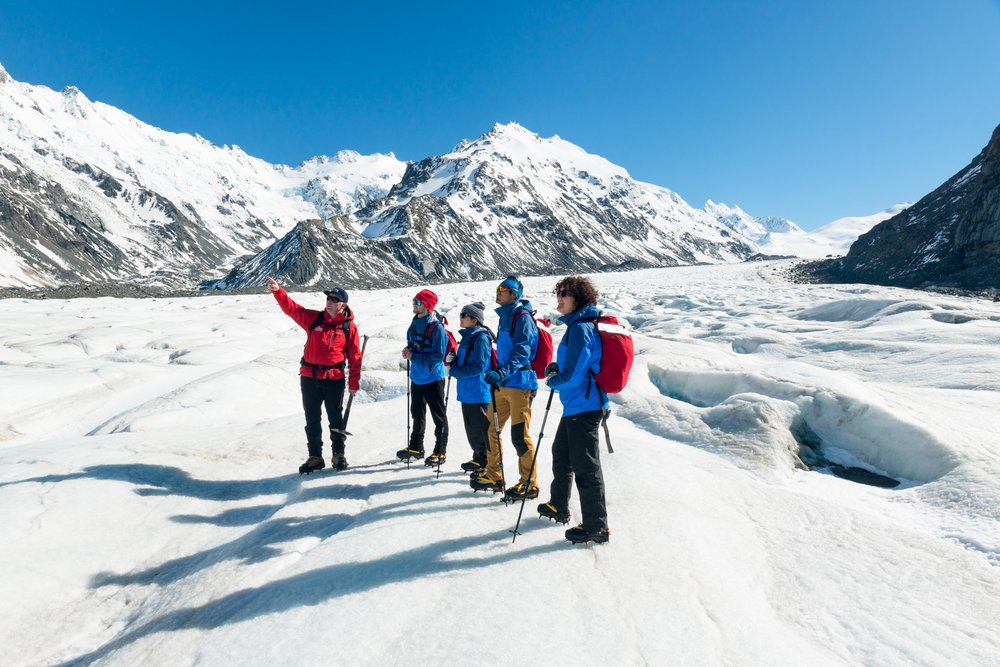
Hiking at the Tasman Glacier
If you've ever wanted to walk on a glacier, New Zealand's South Island makes it surprisingly doable. The Tasman Glacier, near Aoraki/Mount Cook, is one of the longest in the Southern Hemisphere and is breathtaking during winter when the ice is at its most striking.
Book a Tasman Glacier Heli Hike for a guided glacier walk that includes a helicopter flight over the alpine terrain. You don't need any prior experience; the guides take care of everything.
💡Klook Tip: Dress in warm, waterproof layers for any glacier activity. Crampons are usually provided, but thick wool socks are a must.
Tips for visiting New Zealand during winter
Getting the most out of a winter in New Zealand comes down to planning ahead and knowing what to expect:
💡 Book ski passes and activities early
Peak winter weeks (mid-July school holidays) sell out fast, especially at Coronet Peak and The Remarkables.
💡 Pack for all conditions
Even in Queenstown town center, temperatures can drop below zero at night. Layers, a warm jacket, and waterproof footwear are non-negotiable.
💡 Take advantage of fewer crowds
Winter is shoulder season for many tourist spots outside the ski fields. Places like Milford Sound and Lake Tekapo are far less crowded than in summer.
FAQs about winter in New Zealand
Which months are winter in NZ?
Winter in New Zealand runs from June through August, with the coldest temperatures typically hitting in July. This is the reverse of the Northern Hemisphere, so June is the start of winter rather than summer. If you're planning a ski trip, aim for July or August when snowfall is most reliable across the major ski resorts.
How cold is the winter in New Zealand?
It depends on where you are. In Queenstown and the central South Island, winter temperatures typically range from around 1°C to 10°C during the day, dropping below zero at night. The North Island is milder — Taupo, for example, averages around 4°C to 12°C in winter. Coastal cities like Auckland and Wellington stay warmer, usually between 8°C and 15°C.
What is New Zealand's coldest month?
July is generally New Zealand's coldest month. Mountain areas like the Queenstown region and the Canterbury Plains see the most persistent cold and snowfall during this time. It's also the peak of ski season, so resorts tend to be at their busiest in mid-July.
Does snow fall in New Zealand?
Yes, it does but mostly in elevated areas. The mountain ranges of the South Island receive a lot of snowfall in the winter, particularly in the ski fields around Queenstown (Coronet Peak and The Remarkables), Wanaka (Cardrona and Treble Cone), and the Canterbury/Mackenzie region near Lake Tekapo and Aoraki/Mount Cook.
Snow in lowland towns and cities is rare but does occasionally happen in places like Queenstown, Dunedin, and Christchurch.
Which month has the most snow in New Zealand?
July typically sees the heaviest and most consistent snowfall across New Zealand's ski regions. August can also bring good snow, and some resorts stay open well into October depending on conditions. If a guaranteed snow experience is top of your list, July is your best bet.
More New Zealand travel guides for you
What is Klook?
Klook is a leading pan-regional experiences platform in Asia Pacific, purpose built to digitalize experiences and make them accessible to every traveler.
Our mission is to build the digital infrastructure for the global experience economy — empowering merchants to share their passions and travelers to discover the heartbeat of each destination. We operate a mobile-first, curated platform featuring diverse experiences across global destinations.