
![[US] Madrid Public Transport](https://res.klook.com/image/upload/q_85/c_fill,w_1360/v1764343387/zjk0sr6gljldpohoxqyy.jpg)
Say ‘hola, Madrid’! ✨
Navigating a new city can be both exciting and a little intimidating, and Madrid is no exception. Luckily, Madrid’s public transport system is well-organized, reliable, and surprisingly easy to get the hang of once you learn the ropes.
Klook Tip: For staying connected while navigating the city, a 5G eSIM Spain (Vodafone, Orange, Movistar, Yoigo) comes in handy. Real-time maps, metro apps, and bus schedules are easier to use with reliable mobile data, especially if you’re exploring areas off the main tourist trail.
Why Madrid’s system works
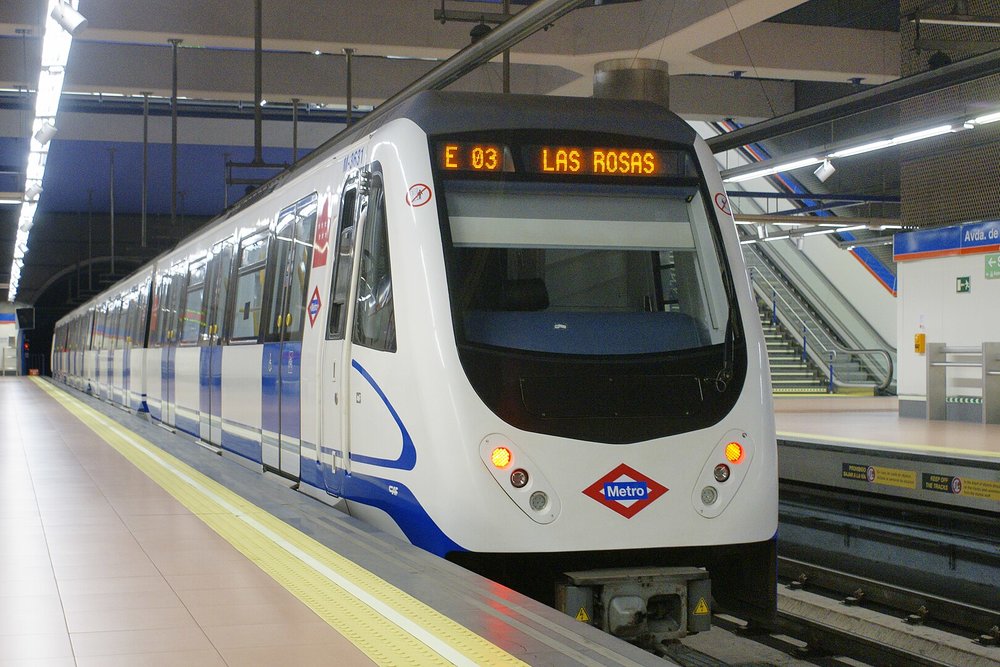
A Madrid metro train, Photo Credit: Wikipedia Commons
The Madrid public transport system is coordinated by the Consorcio Regional de Transportes de Madrid (CRTM), which integrates metro, buses, light-rail, and suburban trains into one network.
- The Madrid Metro is one of the world’s largest rapid transit systems, with over 300 stations across 13 lines, including a small branch line. It’s fast, reliable, and covers most of the city’s key areas.
- Cercanías Madrid commuter trains connect suburbs and nearby towns to the city center, making day trips or off-center visits easy.
- Buses fill the gaps, reaching neighborhoods and areas the metro doesn’t cover, with daytime and night-time services.
For many visitors, combining metro, bus, and commuter train rides is the most flexible way to explore the city. Looking for inspiration for things to do in Madrid? Check out our guide below!

Tickets, passes, and planning your rides
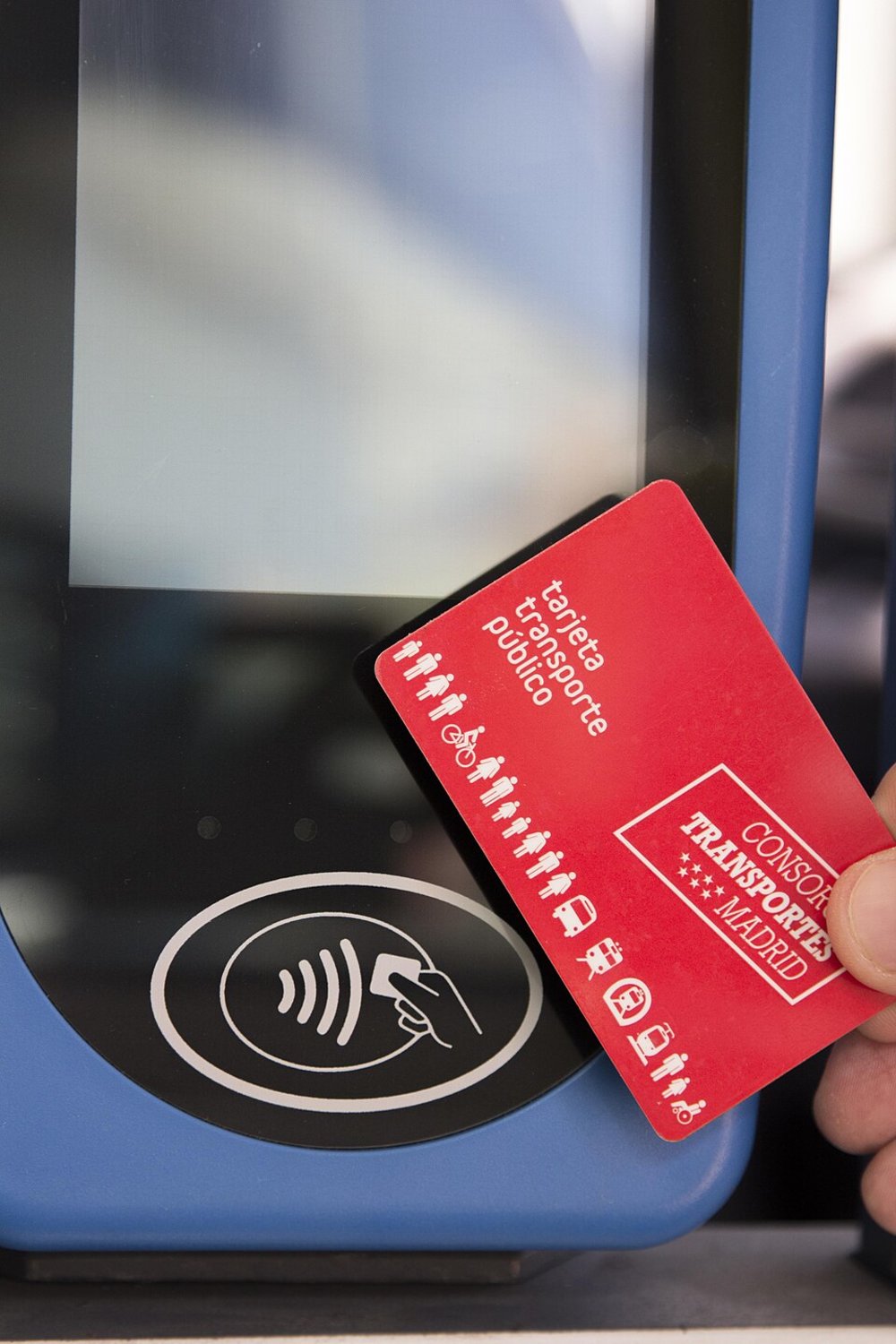
Tap-and-go card used in the Madrid public transport system, Photo Credit: Wikipedia Commons
Madrid’s fare system is zone-based, with most tourist spots in Zone A.
- Single ride tickets cost about €1.50–€2.00 (USD 1.74-2.32) in Zone A.
- 10-trip ticket (“Metrobús”) is about €12.20 (USD 14.16).
- Reusable card (Tarjeta Transporte Público or TTP): A contactless card that can be loaded with tickets or multi-day passes for the metro, city buses, and certain regional buses. You can purchase the TTP card at the airport, major subway stations, and the CRTM management office. Tourist TTP cards may also be purchased in all Madrid metro stations.
If you want to make your trip even easier, the Klook Pass Madrid is worth considering. With a single pass, you can get access to up to 6 activities (for example, the Prado Museum, the Royal Palace of Madrid, or even a Flamenco show — plus many more)!
This removes the fuss of booking multiple tickets, and you can lock in on one price before you go, which is perfect for budgeting.
Now, for trips beyond central Madrid like nearby towns or travel to Toledo, Segovia, or Ávila, booking Spain rail tickets ahead of time is convenient. You can reserve commuter or regional train rides in advance, so you just show up and go without waiting in long lines.
How to use the metro, buses & trains
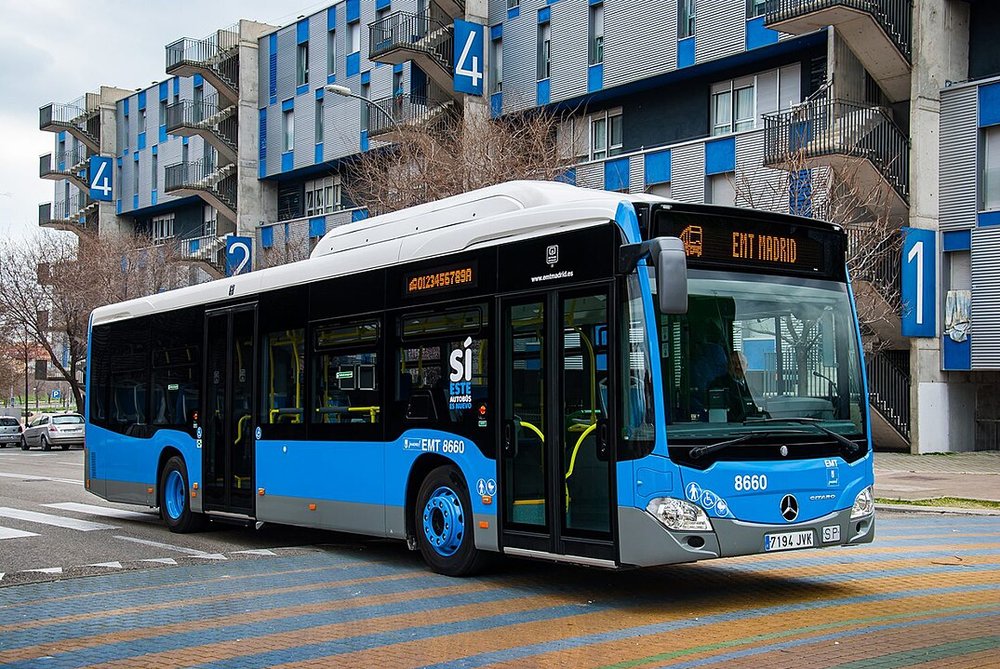
Madrid’s commuter bus, Photo Credit: Wikipedia Commons
Metro
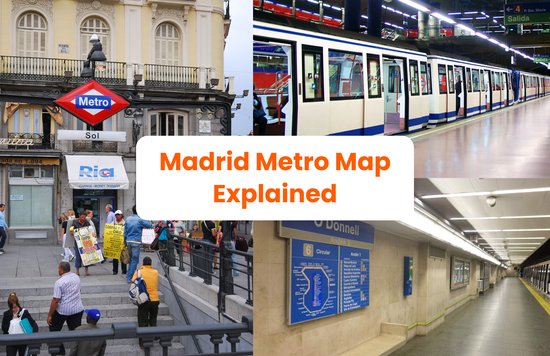
A major part of the Madrid public transport system and what you’ll most likely be taking the most as a visitor, the Madrid Metro runs roughly 6:00 AM to 1:30 AM, and most central attractions are within Zone A. Large stations like Sol, Opera, and Atocha are convenient for museums, historic plazas, and shopping streets.
We go deeper into the Madrid metro in this guide below, so if you’re interested to learn more, keep reading!
Buses
The metro doesn’t go everywhere, and that’s where Madrid bus services shine. Buses reach neighborhoods, suburbs, and spots off the metro map, running from about 6:00 AM to 11:30 PM. Night buses, called búhos (owls), cover late-night trips.
Commuter trains
Madrid train (Cercanías) lines connect major city hubs to surrounding towns and suburbs. Early morning to midnight services make it easy to combine a city visit with a day trip outside Madrid.
With a good map, a local eSIM for WiFi, and a transport pass, you can get just about anywhere on Madrid public transport. This city is yours to explore, after all! Before you go, check out the rest of our frequently asked questions on the Madrid public transport system. 🇪🇸
FAQs on Getting Around Madrid Public Transport
What types of public transport are available in Madrid?
Madrid has a well-connected network made up of the Madrid Metro, Madrid bus services (including night buses called búhos), Cercanías commuter trains, and trams/light rail in some suburbs. Most visitors rely on the metro for speed, buses for coverage, and commuter trains for day trips or travel to outer districts.
What ticket/pass should tourists buy for public transport in Madrid?
For short stays, most visitors start with a Tarjeta Multi (reusable travel card) like the Tarjeta Transporte Público card, and load either single rides or a 10-trip Metrobús ticket. If you plan to move around a lot in a few days, a multi-day transport pass is the easiest option because it gives unlimited travel on metro, buses, and often commuter trains within selected zones.
Is the Madrid metro safe, clean and easy to use for first-time visitors?
Yes, the Madrid Metro is widely considered safe, modern, clean, and straightforward to navigate. Stations are well-marked, trains run frequently, and English signage is available at major hubs. As with any big city, keep an eye on your belongings during busy hours, but overall it’s one of the easiest systems for first-time visitors to use.
Are there combined tours or transport discount cards in Madrid for multiple days?
Yes. Madrid offers an official Tourist Travel Pass (Abono Turístico), which gives unlimited travel on the metro, city buses, light rail, and Cercanías commuter trains within your chosen zones.
You can buy it for 1, 2, 3, 4, 5, or 7 days, and it comes in two versions: Zone A (covers the city center and most tourist areas) and Zone T (covers the entire region, including the airport and outer suburbs). It’s one of the simplest ways to move around frequently without buying individual tickets.
What is Klook?
Klook is a leading pan-regional experiences platform in Asia Pacific, purpose built to digitalize experiences and make them accessible to every traveler.
Our mission is to build the digital infrastructure for the global experience economy — empowering merchants to share their passions and travelers to discover the heartbeat of each destination. We operate a mobile-first, curated platform featuring diverse experiences across global destinations.
✨ Follow us for more deals and inspiration for your upcoming travels