

![[en] best time to visit Europe](https://res.klook.com/image/upload/q_85/c_fill,w_1360/v1773967340/phtfa0i61zhpvntzgrs5.jpg)
Trying to figure out when to go to Europe can feel overwhelming. The short answer? The best time to visit Europe is during the shoulder seasons: spring (late April to June) and autumn (September to early October). These months hit the sweet spot with great weather, fewer crowds than summer, and lots of events happening across the continent.
That said, every season in Europe still has its own perks. In this guide, we’ll walk you through Europe’s seasons, covering the weather, crowds, and more, so you can choose the perfect time for your trip!
Best time to visit Europe: Spring & Autumn

Colorful Amsterdam canal with boats, bicycles, and historic houses
The best time to visit Europe is during spring and autumn. These seasons bring better weather, smaller crowds, lots of festivals, and lower prices than peak summer. It’s the perfect time to explore cities without the heat or long lines.
Europe in Spring (Late April to June)
⛅ Weather: Mild to warm weather, 12–24°C (53–75°F)
👥 Crowd level: Moderate; Cities get busier toward June
🚨 Expect: Blooming flowers, open outdoor cafes, and fewer lines at attractions
Spring is one of the best times to visit Europe if you enjoy fresh scenery and lively cities. Parks and gardens like Keukenhof Gardens bloom with flowers, and outdoor spaces are full of locals enjoying the warmer weather. With mild and comfortable temperatures, it’s perfect for walking around and exploring all day.
That’s why spring is one of the best times to visit Europe for great sightseeing weather.
Best European countries to visit in Spring
1. Netherlands
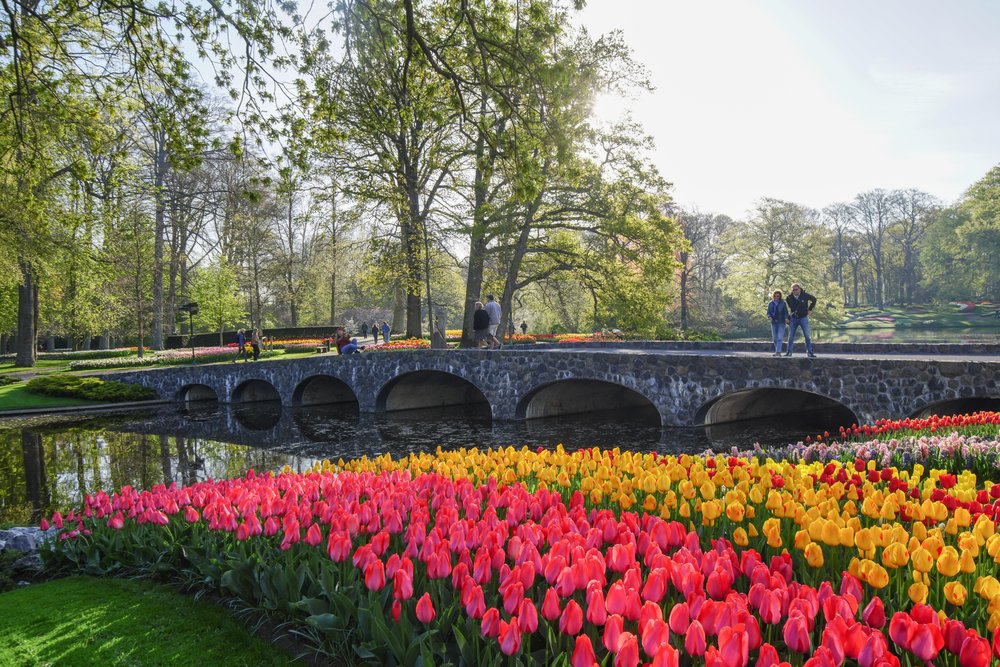
Keukenhof Gardens in April
Spring is the best time to visit the Netherlands because it’s tulip season. From March to May, you’ll see colorful flower fields in full bloom, especially at Keukenhof Gardens, one of the largest flower gardens in the world.
2. Spain
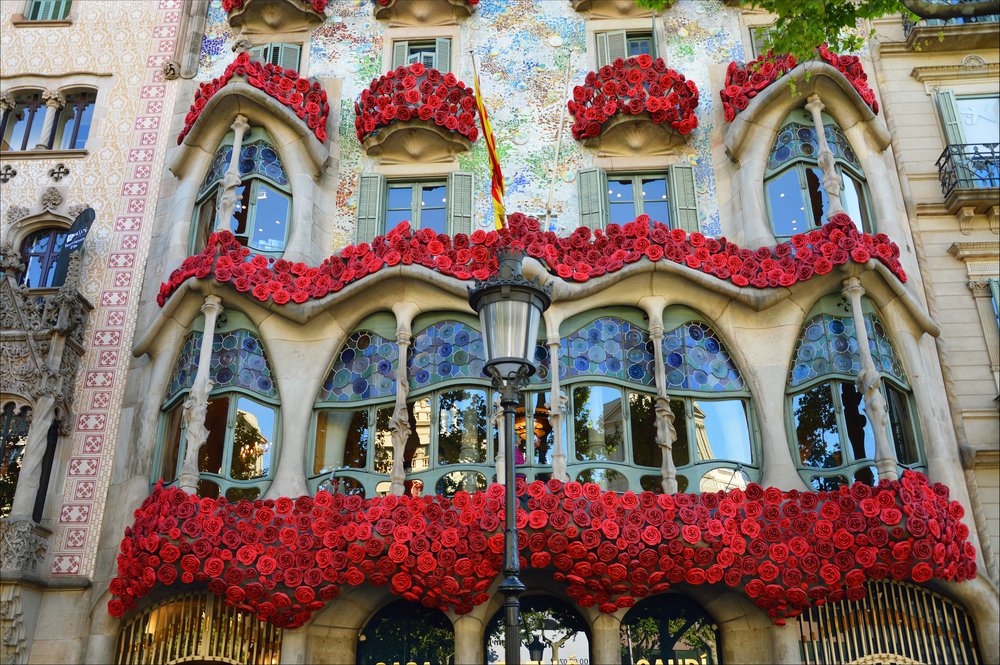
Casa Batlló during Sant Jordi’s Day | Photo Credits: Àngels on Flickr
Spring is one of the best times to visit Spain, especially cities like Barcelona, because the weather is warm but not too hot. This makes it perfect for sightseeing, walking tours, and visiting major attractions in the area
If you visit in late April, you can even see Casa Batlló covered in red roses for Sant Jordi’s Day, which is when locals celebrate with books and roses across the city!
Europe in Autumn (September to Early October)
⛅ Weather: Cool weather, 10–22°C (50–72°F)
👥 Crowd level: Moderate to low, especially after early September
🚨 Expect: harvest festivals, wine season, and relaxed sightseeing
Autumn is another great time to visit Europe. You’ll see beautiful fall colors, and many places host harvest festivals with local food and wine. There are also fewer tourists, especially after early September.
That’s why autumn is one of the best times to experience Europe’s culture without the busy crowds.
Best European countries to visit in Autumn
1. Germany
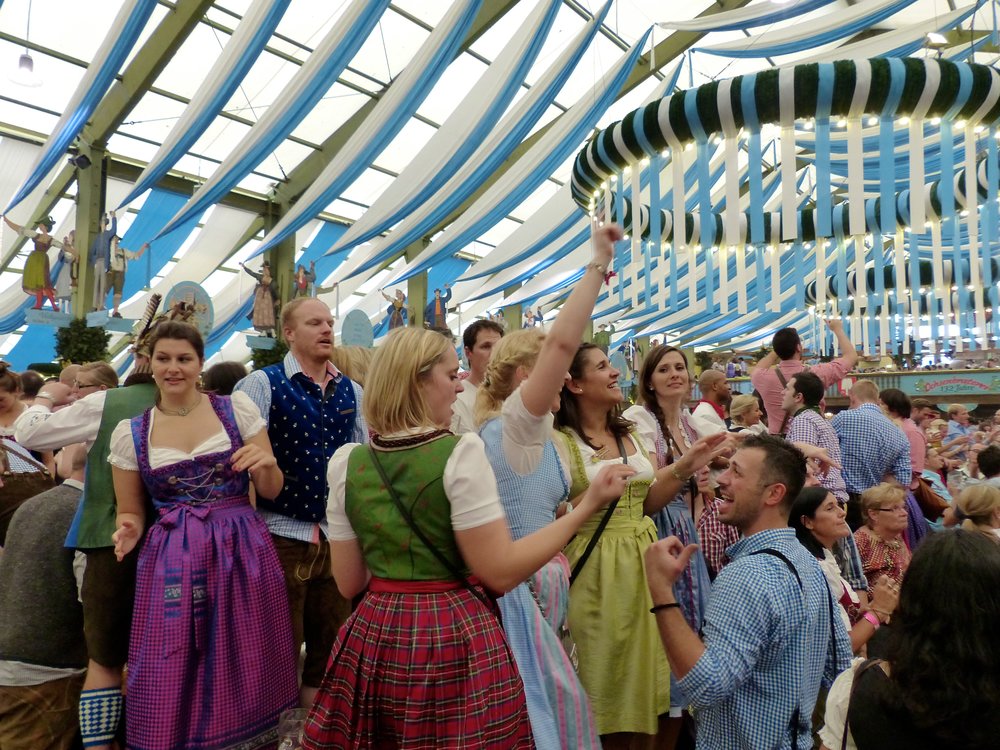
Oktoberfest in Munich, Germany | Photo Credits: RB Photo on Flickr
Autumn is one of the best times to visit Germany, especially for Oktoberfest in Munich. This world-famous festival runs from late September to early October, with beer tents, traditional food, and live music.
If you want to learn more about the iconic festival, join an Oktoberfest museum tour!
2. Italy

Wine tasting in Tuscany | Photo Credits: Megan (Markham) Bucknall on Pexels
Autumn is grape harvest season in Italy, making it one of the best times to enjoy food and wine, especially in Tuscany. Vineyards are busy with grape picking, and the countryside is at its most scenic. This is the perfect time for you to go on a Tuscany day tour with wine tasting, where you can visit local wineries and try fresh, seasonal wines.
Other seasons to visit Europe:
Europe in Summer (July to August)
⛅ Weather: Hot and sunny, 25–35°C (77–95°F)
👥 Crowd level: High, especially in popular cities and coastal towns
🚨 Expect: Long lines at attractions, high hotel prices, and lots of festivals
Summer is the busiest time in Europe. Lots of tourists choose this season because it’s a popular time for beach trips, festivals, and outdoor activities. Even though it’s crowded, you can still go to Europe in the summer. Just be ready to plan ahead and book early to avoid higher prices!
Best European countries to visit in Summer
1. Greece

Santorini catamaran cruise
Summer is the best time to visit Greece, especially islands like Santorini. The weather is hot and sunny, perfect for swimming, beach days, and sunset views. It’s also a great time for you to go on a Santorini catamaran cruise, where you can sail around the island, swim in clear waters, and enjoy the coastline from the sea.
2. France
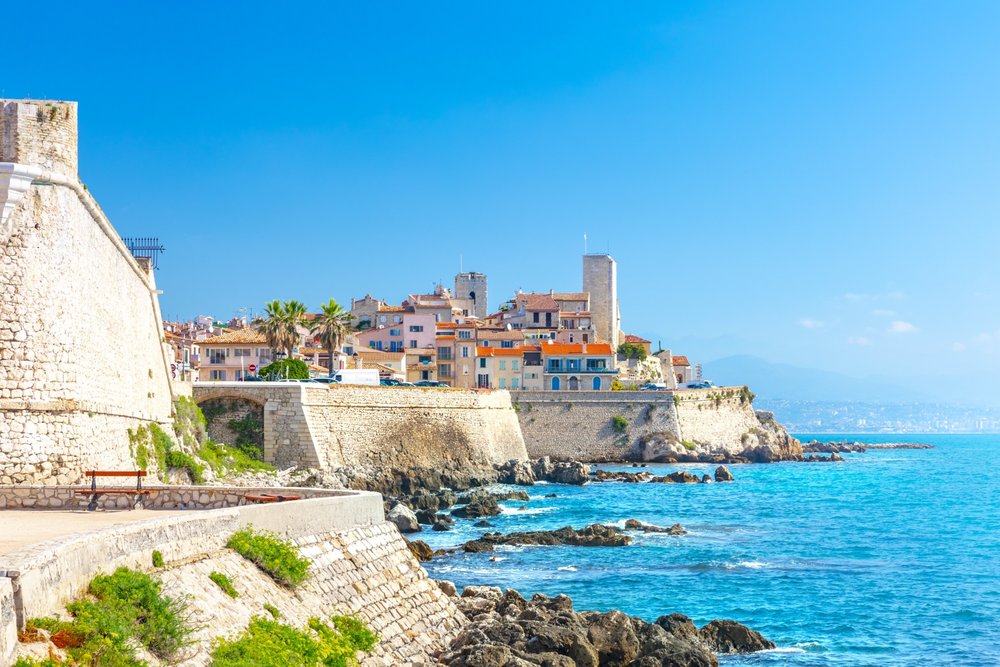
French Riviera in France
Summer is when the French Riviera in France is at its most lively. Coastal towns like Nice and Cannes are full of energy, with beach clubs, seaside cafes, and beautiful ocean views. It’s a great time for you to book a French Riviera day tour from Nice so you can easily visit top spots along the coast without worrying about transport.
Europe in Winter (November to March)
⛅ Weather: Cold and snowy, 5–6°C (41–43°F)
👥 Crowd level: Low, except around Christmas and ski resorts
🚨 Expect: Cheapest prices, Christmas markets, and winter sports
Winter is the quietest time to visit Europe, which makes it perfect if you want to avoid crowds. Flights and hotels are usually cheaper, so it’s a great option for budget travelers. This season can also feel magical, especially during the holidays. From festive markets to snowy mountains, winter offers a completely different side of Europe.
Best European countries to visit in Winter
1. Switzerland

Grindelwald snowboarding lessons
Winter is the best time to visit Switzerland if you enjoy snow and mountain views. Places like Grindelwald turn into a winter wonderland, with great conditions for skiing and snowboarding. It’s also a perfect time for you to try beginner snowboarding lessons in Grindelwald, especially if you’re new to winter sports.
2. Austria
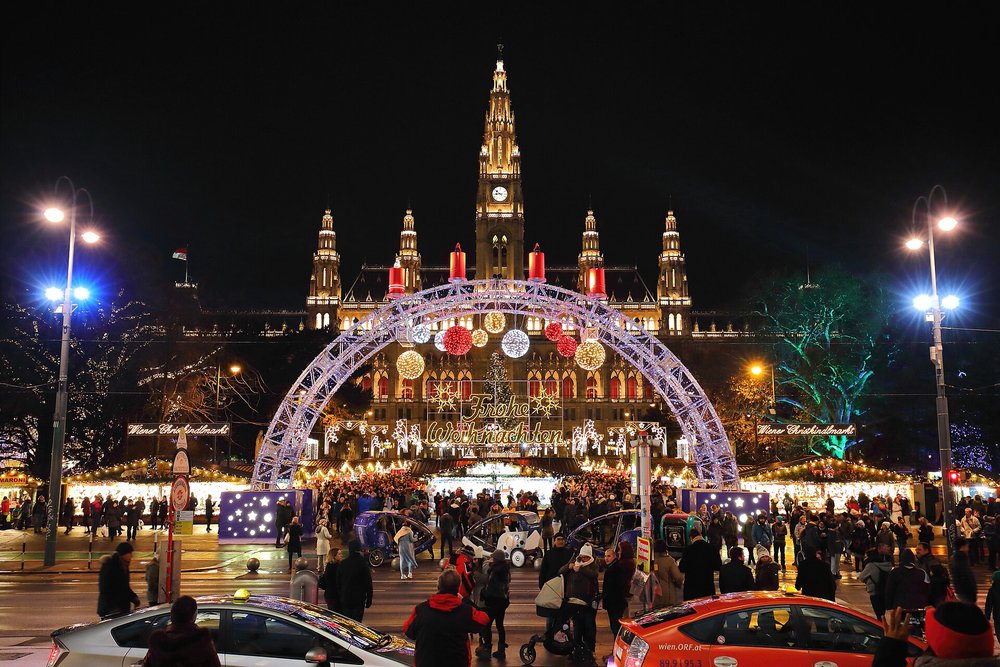
Vienna Christkindlmarkt | Photo Credits: C.Stadler on Wikimedia
Austria is a great winter destination, especially in Vienna. During this season, the city is filled with festive lights and Christmas markets like the famous Vienna Christkindlmarkt, which usually runs from mid-November until just after Christmas. You can walk through stalls, try local treats, and enjoy a cozy holiday atmosphere that makes winter travel feel special.
Europe travel calendar
Europe is a year-round destination, but the best time to go depends on what you’re looking for. Some months bring sunny weather and busy crowds, while others offer fewer tourists and lower prices. Use this calendar as a quick guide to help you choose the right time for your trip.
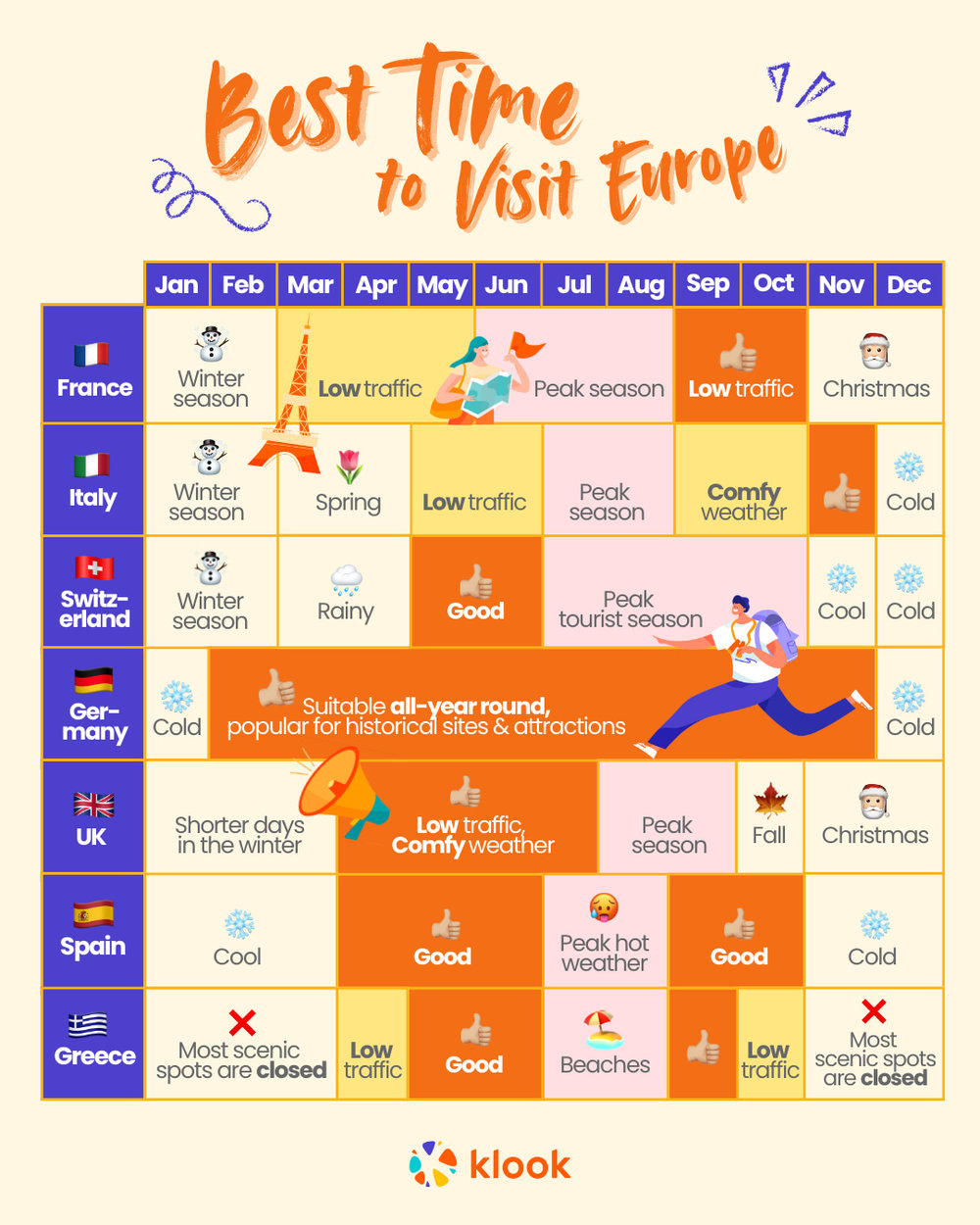
Our top destinations to visit in Europe based on seasons, crowds and events.
Klook Tip: Planning to explore multiple European countries? Get a Eurail Global Pass for easy, unlimited train travel across 33 countries
FAQs about the best time to visit Europe
What is the best month to go to Europe?
The best time to go to Europe is during the shoulder season, from late April to June and September to early October. These months offer the best balance of weather, crowds, and prices. You’ll get mild temperatures, fewer tourists than in summer, and a more relaxed travel experience. This is why it’s widely seen as the best time to visit Europe.
What is the cheapest time to go to Europe?
The cheapest time to go to Europe is during winter, from November to March (excluding the Christmas and New Year period). This is the low season, so flights and hotels are more affordable. While the weather is colder, you’ll enjoy fewer crowds and better deals. It’s a great option if you want to travel on a budget.
Which month is rainy in Europe?
October and November are usually the rainiest months in many parts of Europe. This falls toward the end of autumn and the start of the low season. Rain is often light or comes in short bursts, so it won’t affect your trip too much. You can still explore comfortably with a jacket or umbrella.
What are the top 3 European countries to visit?
Some of the best countries to visit are the Netherlands in spring and Italy and Germany in autumn. These destinations match the best time to see Europe based on seasonal highlights like tulips, wine harvests, and festivals. Visiting them during shoulder season means better weather and fewer crowds. It’s a great way to experience Europe at its best.