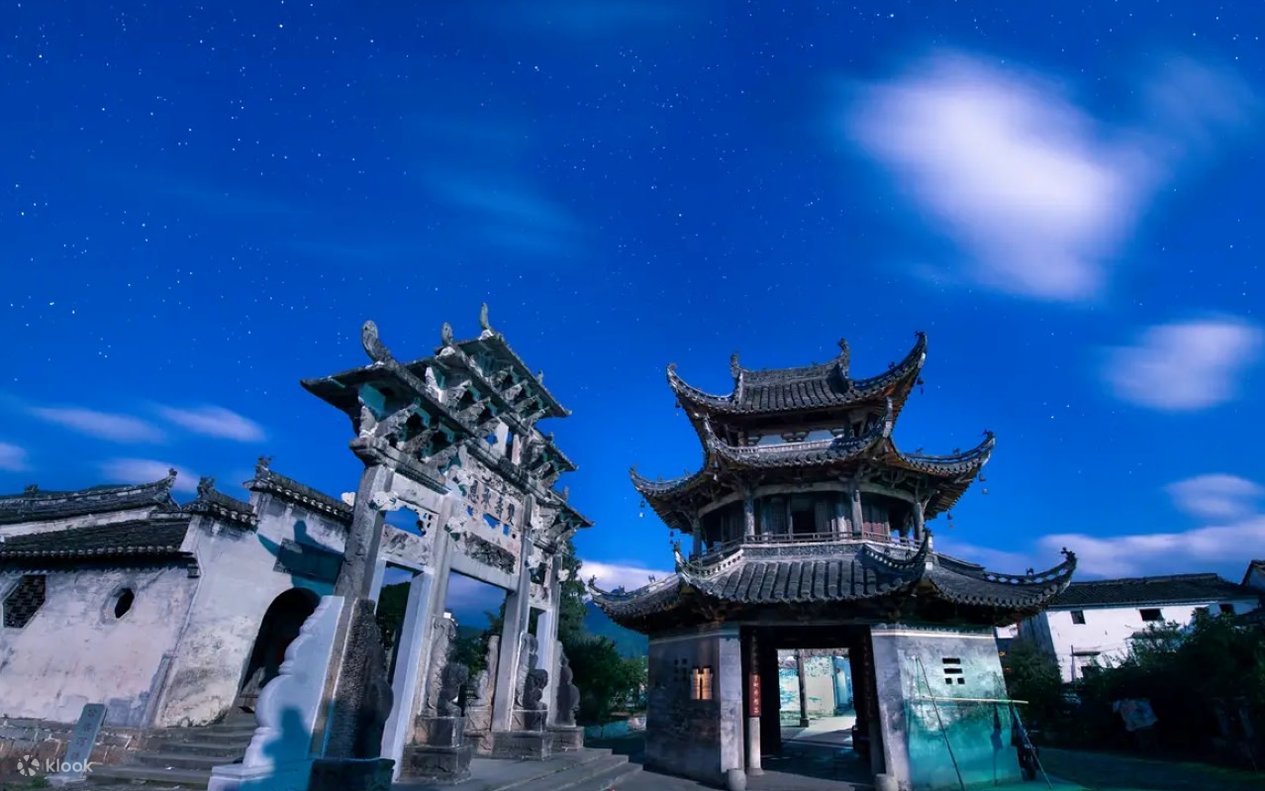
Xucun Village


Packages
Tickets
 Valid on the selected date
 Conditional cancellation
 24-hour confirmation


- Adult ticket: For people aged 12 and above
- Child ticket: Minors aged 6 (excluding) to 12 (including) years old
- Senior ticket: Seniors aged 60 (inclusive) to 70 (exclusive)
- Children under 6 years old or under 1.2 meters tall, and seniors over 70 years old are exempt from admission fees with valid identification.
- Recommended booking period: 5-10 days in advance during peak season, 1-3 days in advance during off-peak season.
- Order effective rules: Effective immediately after successful confirmation
- The voucher is valid only on the specified date (and time if applicable)
- Redemption method: Enter directly with the original document used for reservation registration + KLOOK e-voucher QR code.
- Admission voucher: Original valid ID used for reservation (ID card / passport / Hong Kong, Macao, and Taiwan travel permit)
- Entry address: Xucun Scenic Area Main Entrance
- Xucun Town, She County, Huangshan City, Anhui Province
Reviews
Guide
Xucun is known as "the first Jinshi village in Huizhou" and "an open-air museum of Huizhou-style architecture." It was founded in the Eastern Han Dynasty and currently preserves 15 national key cultural relics protection units, including ancient buildings from the Yuan, Ming, and Qing dynasties such as Gaoyang Covered Bridge, Wuma Archway, Daguan Pavilion, and Shuangshou Chengen Archway. Historically, 48 Jinshi were born here, and in modern times, it has produced "five doctors from one family" and "five academicians from one village." It retains the original ecological style of Huizhou villages, has a low degree of commercialization, and is suitable for an in-depth experience of Huizhou culture.
You might also like...
Explore more on Klook
Everything you need for your Huangshan visit







Xucun

Guidebook
Xucun is known as "the first Jinshi village in Huizhou" and "an open-air museum of Huizhou-style architecture." It was founded in the Eastern Han Dynasty and currently preserves 15 national key cultural relics protection units, including ancient buildings from the Yuan, Ming, and Qing dynasties such as Gaoyang Covered Bridge, Wuma Archway, Daguan Pavilion, and Shuangshou Chengen Archway. Historically, 48 Jinshi were born here, and in modern times, it has produced "five doctors from one family" and "five academicians from one village." It retains the original ecological style of Huizhou villages, has a low degree of commercialization, and is suitable for an in-depth experience of Huizhou culture.