25

Tokyo Hama Rikyu Garden Admission Ticket

4.7 / 5
6 recensioni
50+ prenotato
Orari di apertura
1-1 Hamarikyūteien, Chuo City, Tokyo 104-0046

Recensioni

4.7 / 5
Fantastico
6 recensioni
ci siamo divertiti in giardino. abbiamo trascorso circa 3 ore lì. c'è solo un prato dove puoi sederti sull'erba. ci sono due case in cui si può entrare.
L'accesso a questo giardino è un po' scomodo. È un po' lontano andare a piedi lì. Puoi andare alla stessa attrazione di Tsukiji
Senza carta è molto comodo ~ scansiona il QR per entrare ~ fai scorrere la carta per aggiungere e sottrarre i premi 😂 ~ sia i turisti che gli ospiti del gruppo sono i benvenuti ~ il parco è grande e comodo per passeggiare!
Innanzitutto è stato bellissimo perché non c'era gente, il giardino era molto grande e ben curato!
Anche se è possibile acquistare i biglietti anche direttamente in loco, non è male acquistarli prima e poi utilizzarli, per non sprecare i biglietti.
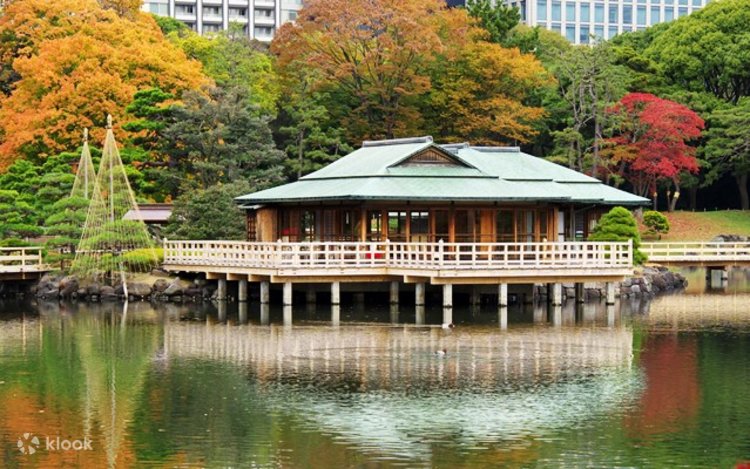
Ci siamo divertiti molto in giardino. Siamo rimasti lì per circa 2 ore. C'è solo un pezzo d'erba dove puoi sederti sull'erba. Ci sono due case accessibili. Le foglie rosse sono proprio così!

Guida

  • A historic garden founded in the Edo period.
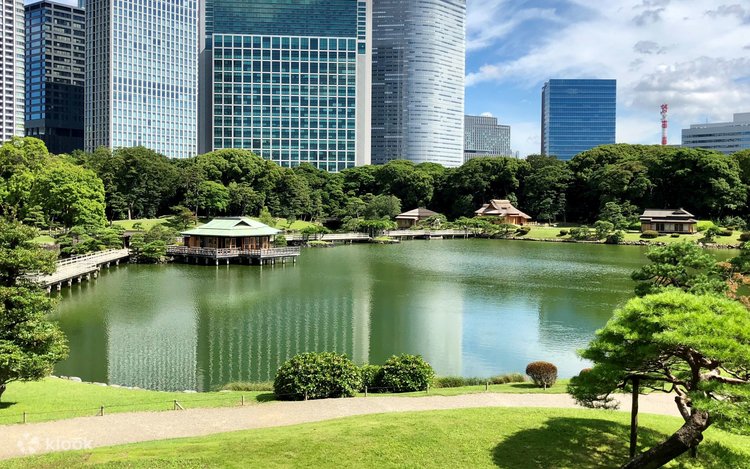
  • Highlights include a seawater pond, the only existing seawater pond in an Edo garden in Tokyo, and a teahouse built as if floating on the water.
  • The contrast with the skyscrapers is also spectacular!
  • Visitors can enjoy matcha (powdered green tea) and wagashi (Japanese confection) at the Nakajima-no-ochaya at a nominal fee!

After the Meiji Restoration, it became the Rikyu of the Imperial Palace and was renamed "Hama Rikyu". Afterwards, due to the Great Kanto Earthquake and local wars, many buildings, including the Tea House, were destroyed, and their graceful style was lost. It was given to the Tokyo Government on November 3, which is the 20nd year of Showa period (1945), and it was officially opened to the public in April of 1946 after facility renovation. In addition, according to Japan's cultural property protection law, it was designated as a National Scenic Area and heritage in the December of the 23rd year of Showa period (1948). Next, the surrounding water was designated as a National Scenic Area and heritage in the November of the 23rd year of Showa period (1952).

Potrebbe piacerti anche...