25

Tokyo Hama Rikyu Garden Admission Ticket

4.7 / 5
6 avis
50+ réservé
Heures d'ouverture
1-1 Hamarikyūteien, Chuo City, Tokyo 104-0046

Avis

4.7 / 5
Fantastique
6 avis
nous avons passé un bon moment dans le jardin. nous y avons passé environ 3 heures. il n'y a qu'un seul pré où l'on peut s'asseoir sur l'herbe. il y a deux maisons dans lesquelles on peut entrer.
L'accès à ce jardin est un peu gênant. C'est un peu loin pour y aller à pied. Vous pouvez aller à la même attraction que Tsukiji
La dématérialisation est très pratique ~ scannez le QR pour entrer ~ glissez la carte pour ajouter et soustraire des récompenses 😂 ~ les touristes et les invités de groupe sont les bienvenus ~ le parc est grand et confortable pour se promener !
Tout d’abord, c’était génial car il n’y avait personne, c’était un jardin très grand et bien entretenu !
Bien que vous puissiez également acheter des billets directement sur place, il n'est pas mauvais de les acheter d'abord puis de les utiliser, afin de ne pas gaspiller les billets.
Nous nous sommes bien amusés dans le jardin. Nous y sommes restés environ 2 heures. Il n'y a qu'un coin d'herbe où vous pouvez vous asseoir sur l'herbe. Il y a deux maisons accessibles. Les feuilles rouges sont comme ça !

Guide

  • A historic garden founded in the Edo period.
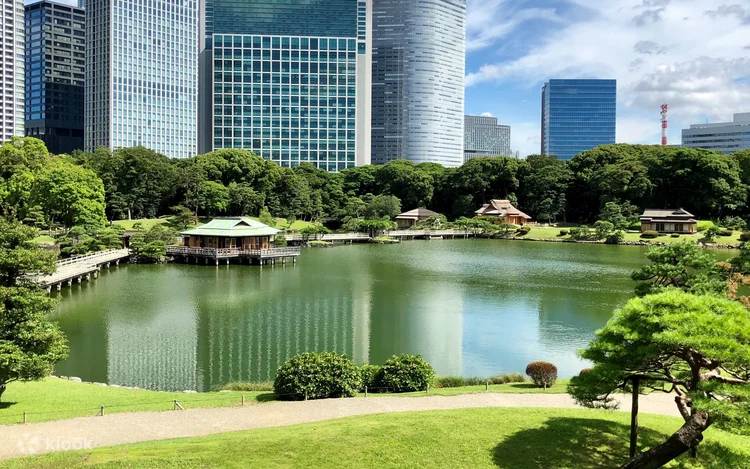
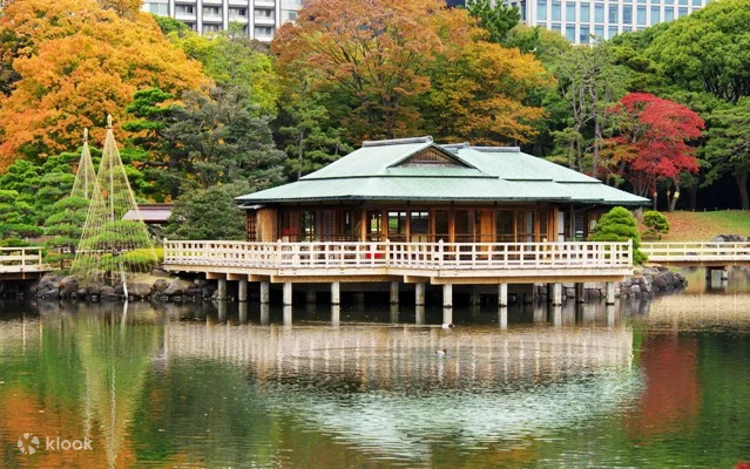
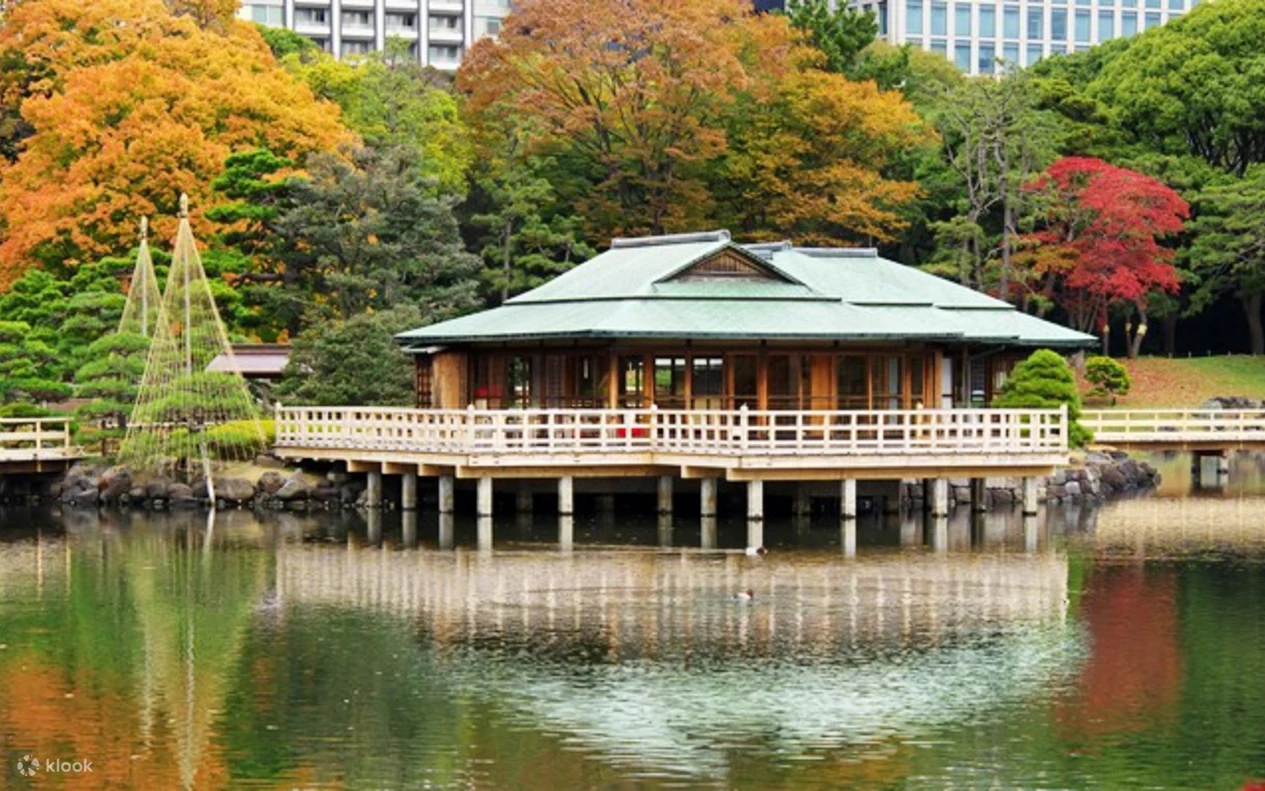
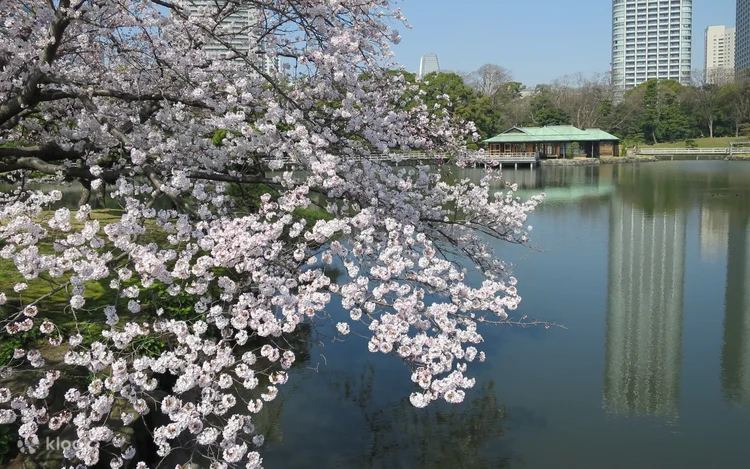
  • Highlights include a seawater pond, the only existing seawater pond in an Edo garden in Tokyo, and a teahouse built as if floating on the water.
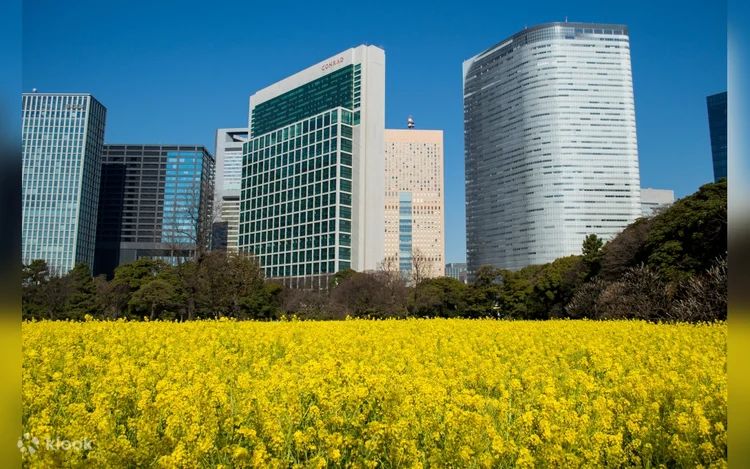
  • The contrast with the skyscrapers is also spectacular!
  • Visitors can enjoy matcha (powdered green tea) and wagashi (Japanese confection) at the Nakajima-no-ochaya at a nominal fee!

After the Meiji Restoration, it became the Rikyu of the Imperial Palace and was renamed "Hama Rikyu". Afterwards, due to the Great Kanto Earthquake and local wars, many buildings, including the Tea House, were destroyed, and their graceful style was lost. It was given to the Tokyo Government on November 3, which is the 20nd year of Showa period (1945), and it was officially opened to the public in April of 1946 after facility renovation. In addition, according to Japan's cultural property protection law, it was designated as a National Scenic Area and heritage in the December of the 23rd year of Showa period (1948). Next, the surrounding water was designated as a National Scenic Area and heritage in the November of the 23rd year of Showa period (1952).
Ceci pourrait également vous plaire...