25

Tokyo Hama Rikyu Garden Admission Ticket

4.7 / 5
6 reseñas
50+ reservado/a
Horario de apertura
1-1 Hamarikyūteien, Chuo City, Tokyo 104-0046

Reseñas

4.7 / 5
Fantástico
6 reseñas
Nos lo pasamos bien en el jardín. Pasamos unas 3 horas allí. Sólo hay un prado donde puedes sentarte en la hierba. hay dos casas a las que se puede entrar.
El acceso a este jardín es un poco incómodo. Está un poco lejos caminar hasta allí. Puedes ir a la misma atracción que Tsukiji.
No utilizar papel es muy conveniente ~ escanea el QR para ingresar ~ desliza la tarjeta para sumar y restar recompensas 😂 ~ tanto los turistas como los invitados del grupo son bienvenidos ~ ¡el parque es grande y cómodo para caminar!
Primero que nada fue genial porque no había gente ¡Era un jardín muy grande y bien cuidado!
Aunque también puedes comprar los billetes directamente en el local, no está mal comprarlos primero y luego utilizarlos, para no desperdiciar los billetes.
Nos divertimos mucho en el jardín. Nos quedamos allí unas 2 horas. Sólo hay un trozo de césped donde puedes sentarte en el césped. Hay dos casas accesibles. ¡Las hojas rojas son así!

Guía

  • A historic garden founded in the Edo period.
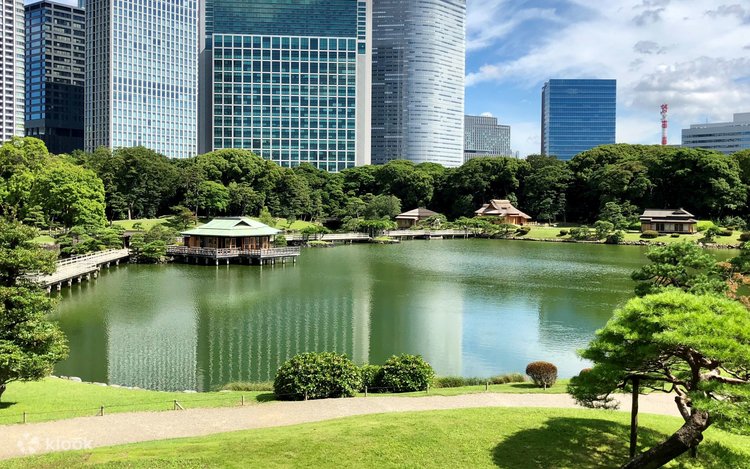
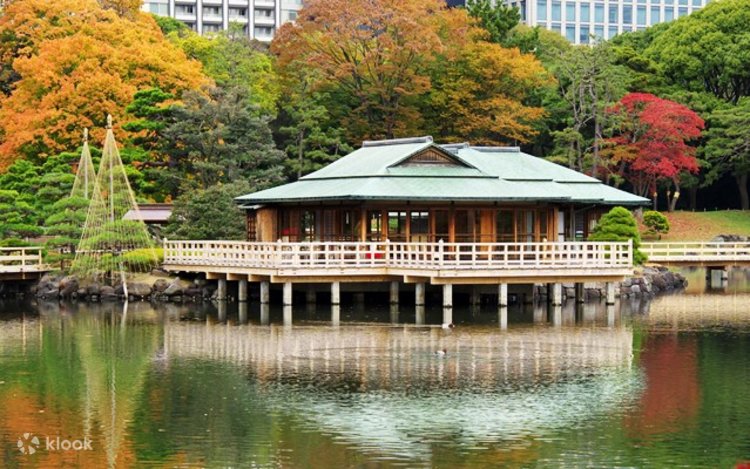
  • Highlights include a seawater pond, the only existing seawater pond in an Edo garden in Tokyo, and a teahouse built as if floating on the water.
  • The contrast with the skyscrapers is also spectacular!
  • Visitors can enjoy matcha (powdered green tea) and wagashi (Japanese confection) at the Nakajima-no-ochaya at a nominal fee!

After the Meiji Restoration, it became the Rikyu of the Imperial Palace and was renamed "Hama Rikyu". Afterwards, due to the Great Kanto Earthquake and local wars, many buildings, including the Tea House, were destroyed, and their graceful style was lost. It was given to the Tokyo Government on November 3, which is the 20nd year of Showa period (1945), and it was officially opened to the public in April of 1946 after facility renovation. In addition, according to Japan's cultural property protection law, it was designated as a National Scenic Area and heritage in the December of the 23rd year of Showa period (1948). Next, the surrounding water was designated as a National Scenic Area and heritage in the November of the 23rd year of Showa period (1952).

Preguntas frecuentes

También podría gustarte...