Art Garden
No. 5, Wenya Lane, Gusu District, Suzhou City
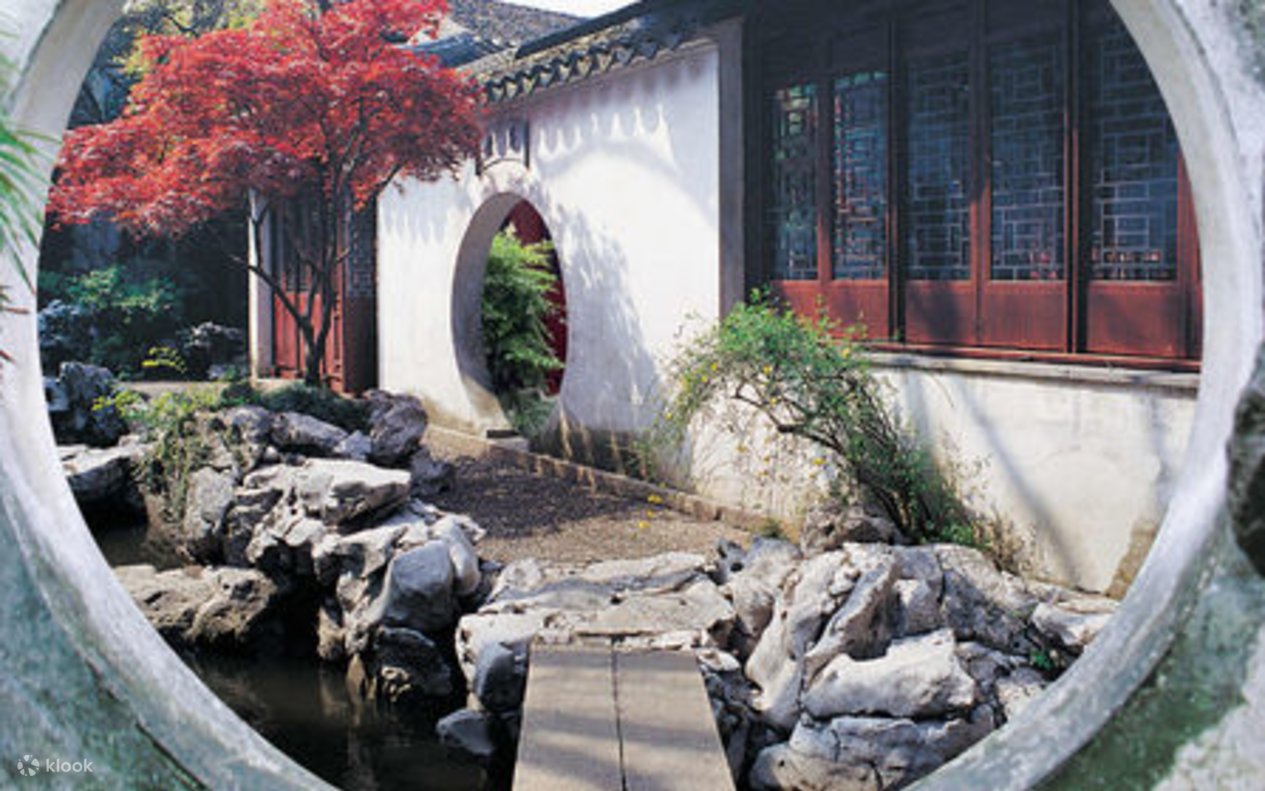
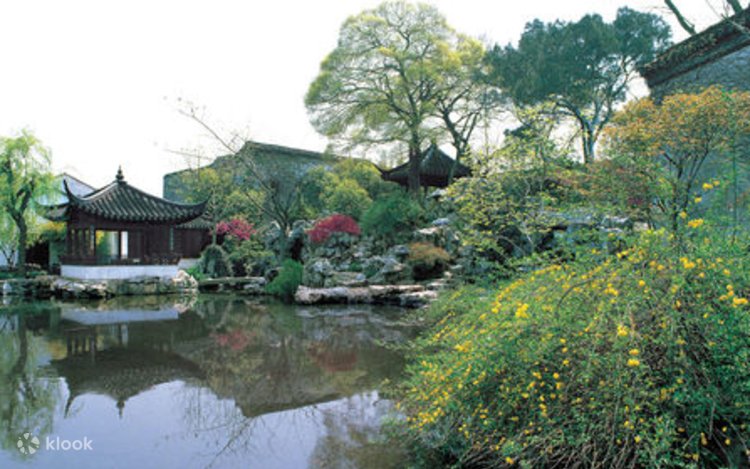
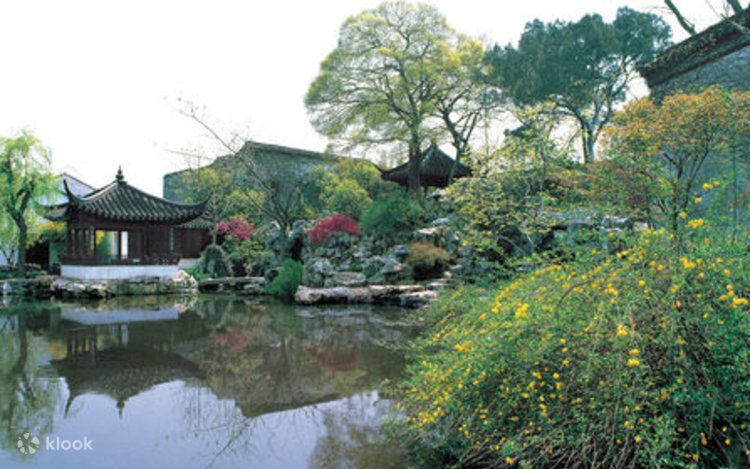
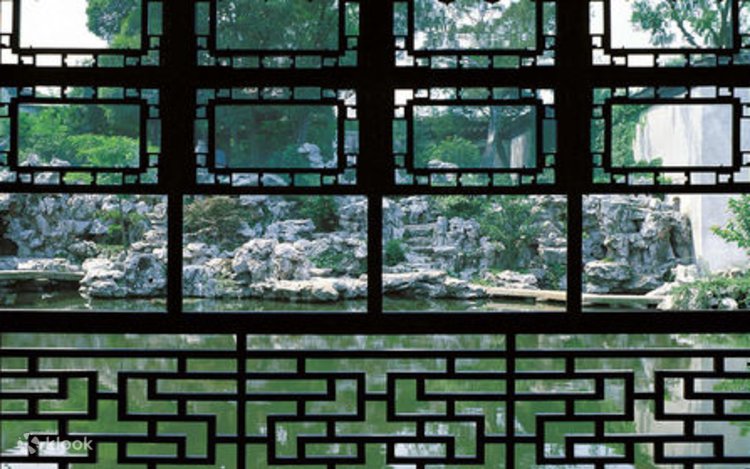
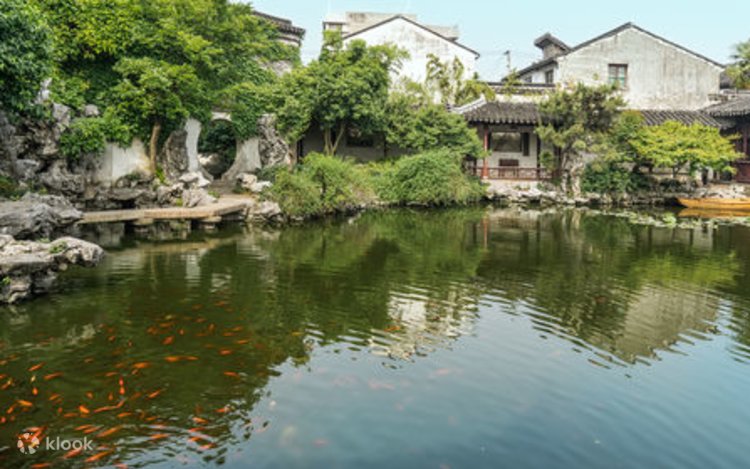
- Yiyuan was first built in the 20th year of Jiajing in the Ming Dynasty (1541 AD). In the 48th year of Wanli (1620 AD), it was purchased by Wen Zhengming's grandson Wen Zhenmeng and named Yaoyuan. In the 16th year of Shunzhi in the Qing Dynasty (1659 AD), the garden was returned to Jiang Cai from Laiyang, Shandong, and renamed Yiyuan. Yiyuan is a small garden with the artistic characteristics of the Ming Dynasty. It is also one of the smallest gardens in Suzhou. The layout of the whole garden is concise and cheerful, and the style is natural and simple. There is no sense of cumbersome piling up and being delicate and artificial. Its artistic value is far better than the garden works of the late Qing Dynasty. From the layout of mountains and rivers, the opening of pavilions and terraces to the detailed treatment of every stone and wood, all of them reveal the characteristics of simple and elegant style. The whole garden is centered on the pool and is divided into two parts: residential and garden. The north of the pool is mainly composed of buildings, such as Boya Hall and Yanguang Pavilion. The south of the pool is mainly mountain scenery. The lake stones are stacked into cliffs and stone paths near the pool, which are both varied and natural. There is a Ruyu Pavilion to the east of the pool, which is a relic of the Ming Dynasty. Looking south from the waterside pavilion, the mountains and water blend together, and the trees are lush and green, which is quite wild and interesting, and is the main scenery in the garden. This combination of pools, stone paths, and cliffs is a natural way of stacking mountains and arranging water, which is a common method used by gardeners in Suzhou in the late Ming and early Qing dynasties.
Ubicación