About the event
Exhibition Introduction
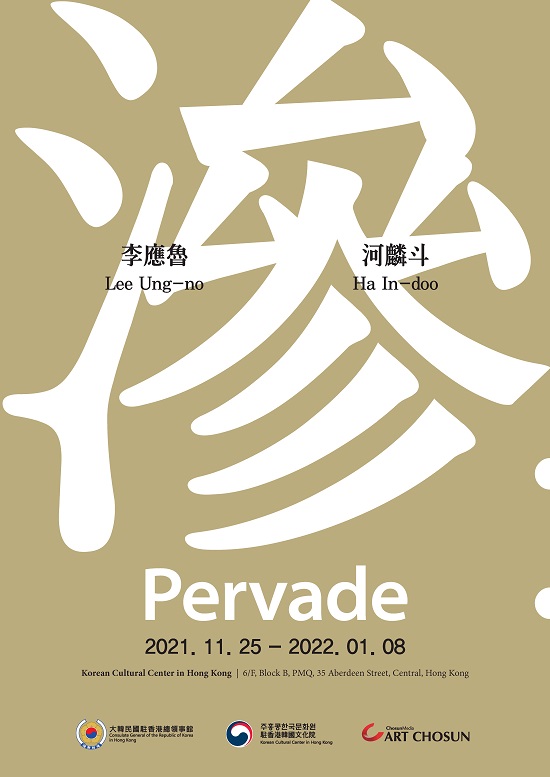
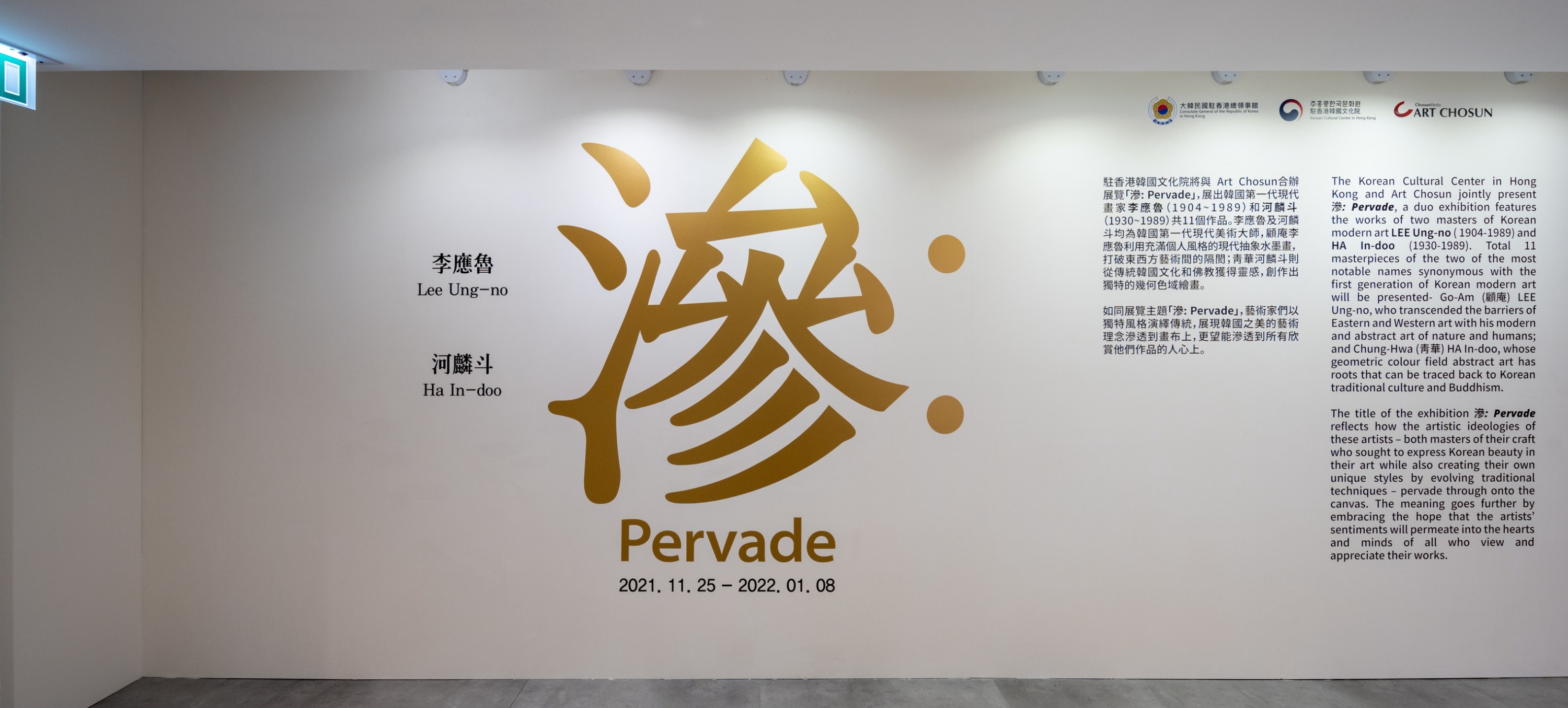
The Korean Cultural Center in Hong Kong and Art Chosun jointly present 滲: Pervade, a duo exhibition features the works of two masters of Korean modern art LEE Ung-no (李應魯, 1904-1989) and HA In-doo (河麟斗, 1930-1989). The exhibition will be held at the Korean Cultural Center in Hong Kong from 25 November 2021 to 8 January 2022.
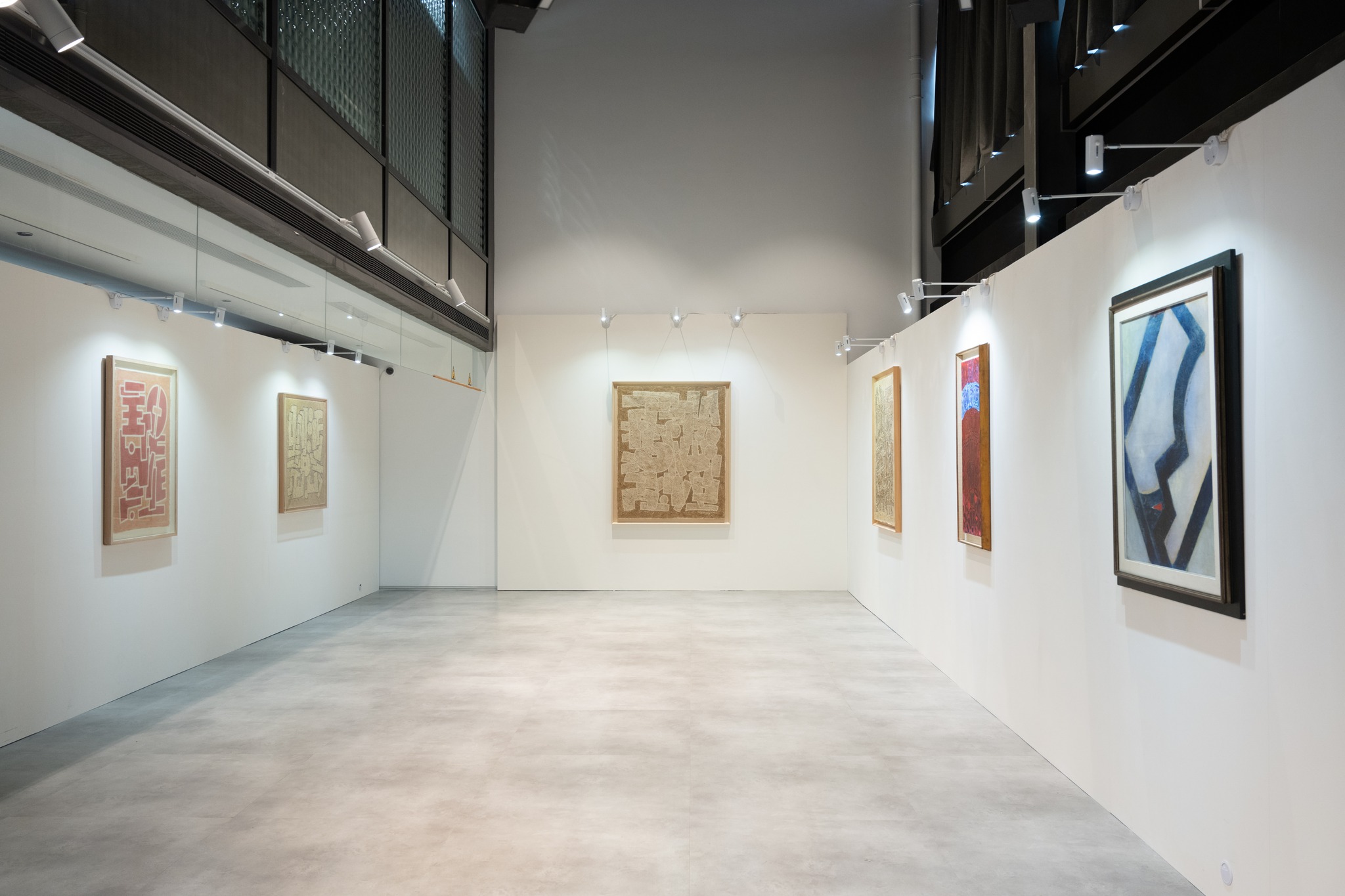
Total 11 masterpieces of the two of the most notable names synonymous with the first generation of Korean modern art will be presented- Go-Am (顧庵) LEE Ung-no, who transcended the barriers of Eastern and Western art with his modern and abstract art of nature and humans; and Chung-Hwa (靑華) HA In-doo, whose geometric colour field abstract art has roots that can be traced back to Korean traditional culture and Buddhism.
The title of the exhibition 滲: Pervade reflects how the artistic ideologies of these artists – both masters of their craft who sought to express Korean beauty in their art while also creating their own unique styles by evolving traditional techniques – pervade through onto the canvas. The meaning goes further by embracing the hope that the artists’ sentiments will permeate into the hearts and minds of all who view and appreciate their works.
Exhibition Details
- 滲: Pervade | Exhibition
- Date: 25 November 2021 – 8 January 2022
- Time: 10:00-18:00
- Venue: Korean Cultural Center
- Address: 6/F, Korean Cultural Center in Hong Kong, Block B, PMQ
LEE Ung-no (李應魯, 1904-1989)
Born in Hongseong, Chungcheongnam-do in 1904, LEE is a prolific figure in Korean modern and contemporary art regarded by many to have transcended the barriers between Eastern and Western art with works that express nature and humans in a modern and abstract style.
KIM Gyujin, who mentored Prince Imperial Yeong (Yeongchinwang, the last Crown Prince of the Empire of Korea), held LEE Ung-no in high regard for his exceptional artistic talent. In 1924, LEE first gained attention when his art Cheongjook (green bamboo, 靑竹) was selected for the 3rd Joseon Art Exhibition. While he began his career in art as a traditional ‘Four Gentlemen’ artist, Lee learned new styles of landscape painting while studying in Japan from the late 1930s to the early 1940s. LEE later moved to France in 1958 and produced several works based on his own original style that melded qualities of Eastern and Western art, including his ‘Munjachusang (Abstract Letter)’ and ‘Gunsang (People)’ series. European art societies developed great interest in LEE’s works, many of which were presented in exhibitions in Germany, the United Kingdom, Italy, Denmark, Belgium, and the United States.
In 1964, LEE founded the Academy of Oriental Painting in the Musée Cernuschi in Paris and played a pivotal role in spreading Eastern culture to the West by teaching Eastern calligraphy and art.
HA In-doo (河麟斗, 1930~1989)
Born in Changnyeong, Gyeongsangnam-do in 1930, HA In-doo was part of the first generation of university graduates after Korea regained its independence. In 1957, HA became a founding member of the Contemporary Artists Association, a progressive group of young artists in their 20s.
As a founding member of ACTUEL with contemporaries including KIM Tschang-yeul and PARK Seo-bo, HA avidly took part in the Informel movement until 1962. He also began producing works of the geometric colour field abstract art style while also incorporating optical art.
With the introduction of colour, HA’s art began to reflect a deep appreciation for Buddhist ideas and concepts. This can be seen in works like Hwe (廻) and Yoon (輪), within which the Buddhist virtue of Zen (禪) is deeply embedded.
From the mid-1970s, Ha broke away from his previous geometric structures and adapted a new style with fluid curves and expanding symbols to express Buddhist ideas with greater depth and detail. Notable examples of such works include Milmun (密門) and Mandala (曼茶羅).
HA’s Mandala series is especially noteworthy for embracing optical art and creating a unique world based on Buddhist symbolism. The works of HA are regarded as the manifestation of the Eastern and Korean spirits of expression in western abstract art and the realization of a new creative form.
HA’s works borrow elements from the traditional Korean beauty and formative spirituality of Buddhist art, Dancheong (Korean traditional decorative patterns on wooden buildings), folk paintings, and shamanic paintings. His masterpieces are recognized for their use of decorative colours and mystifying compositions as well as their embodiment of the philosophical meanings of creation and diffusion.
The above information are from the official website