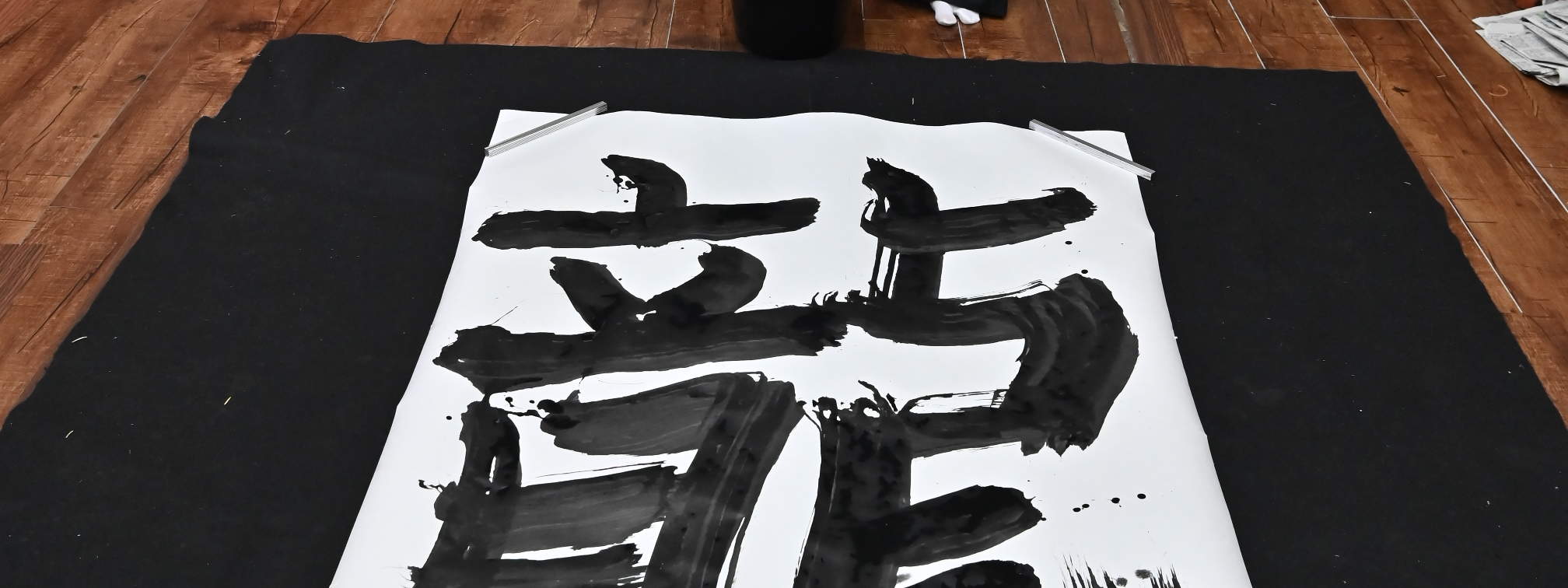
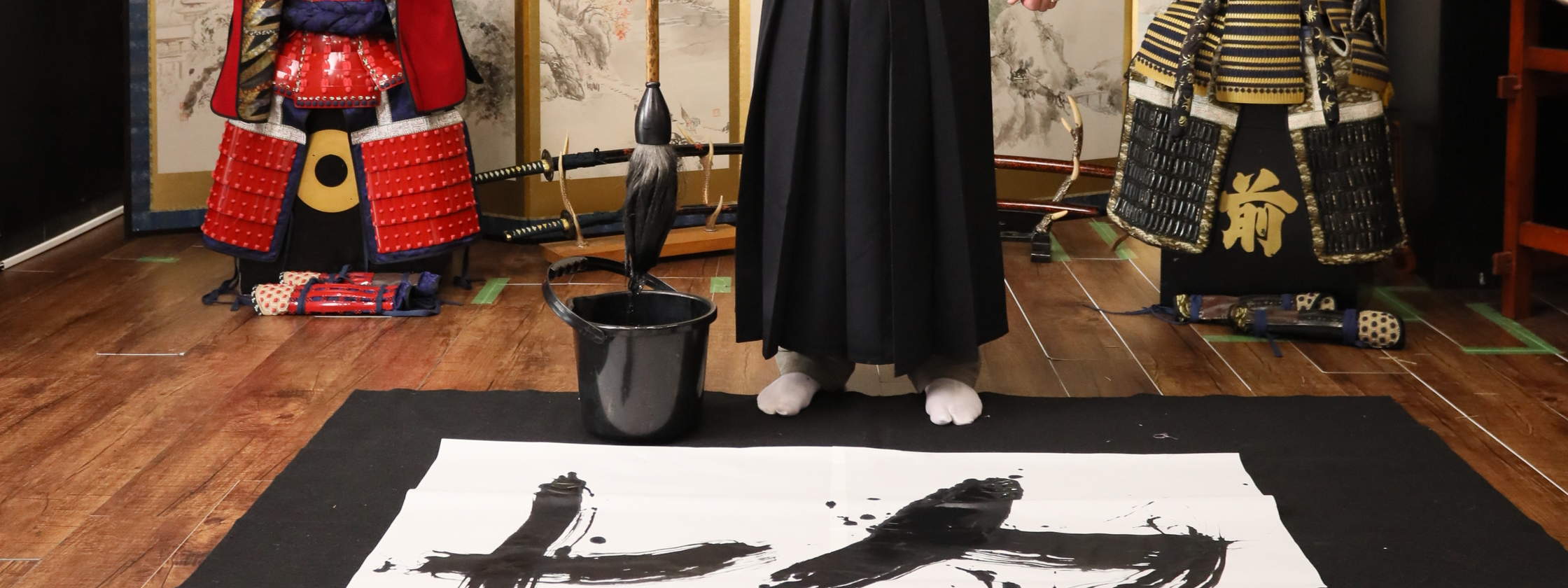
Samurai Calligraphy/Final brushstrokes of a lifetime before the War


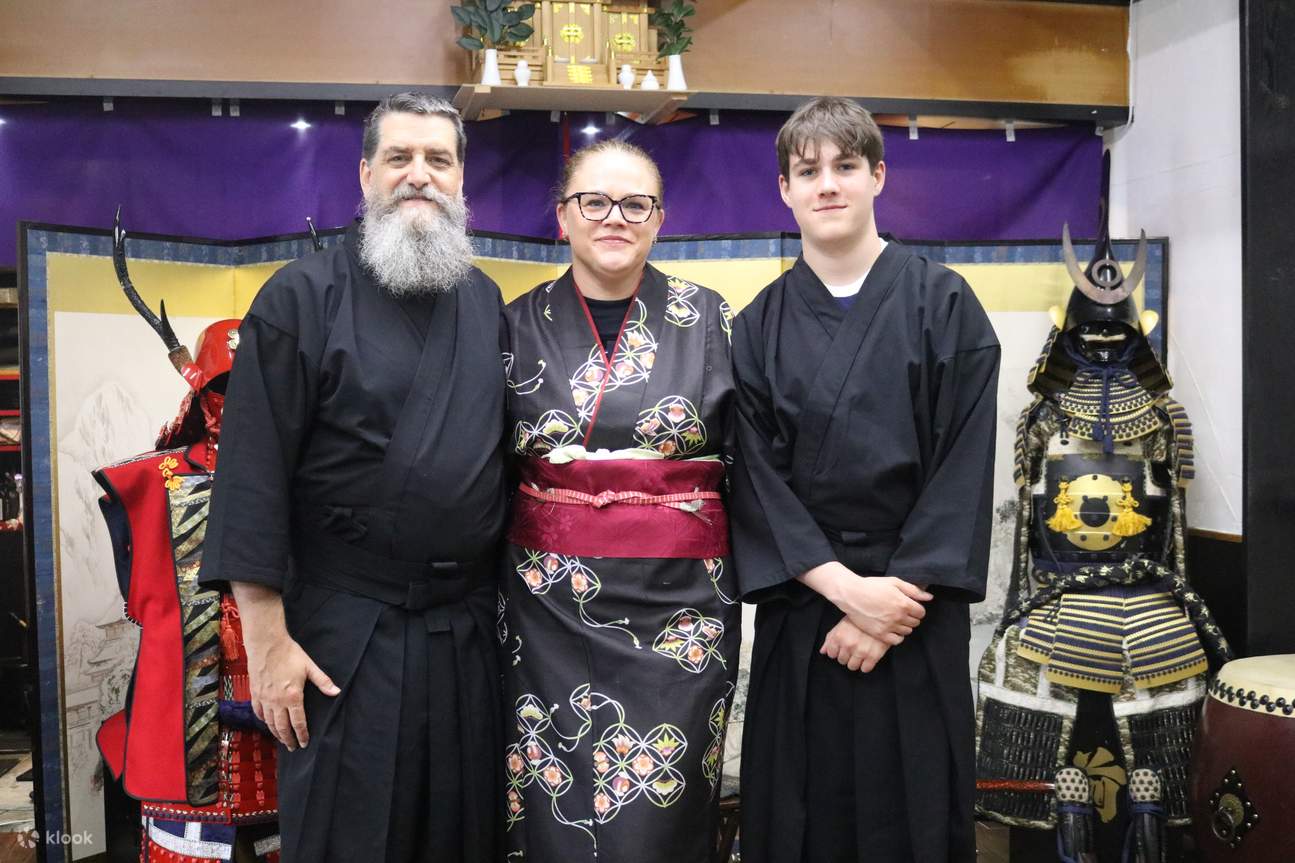
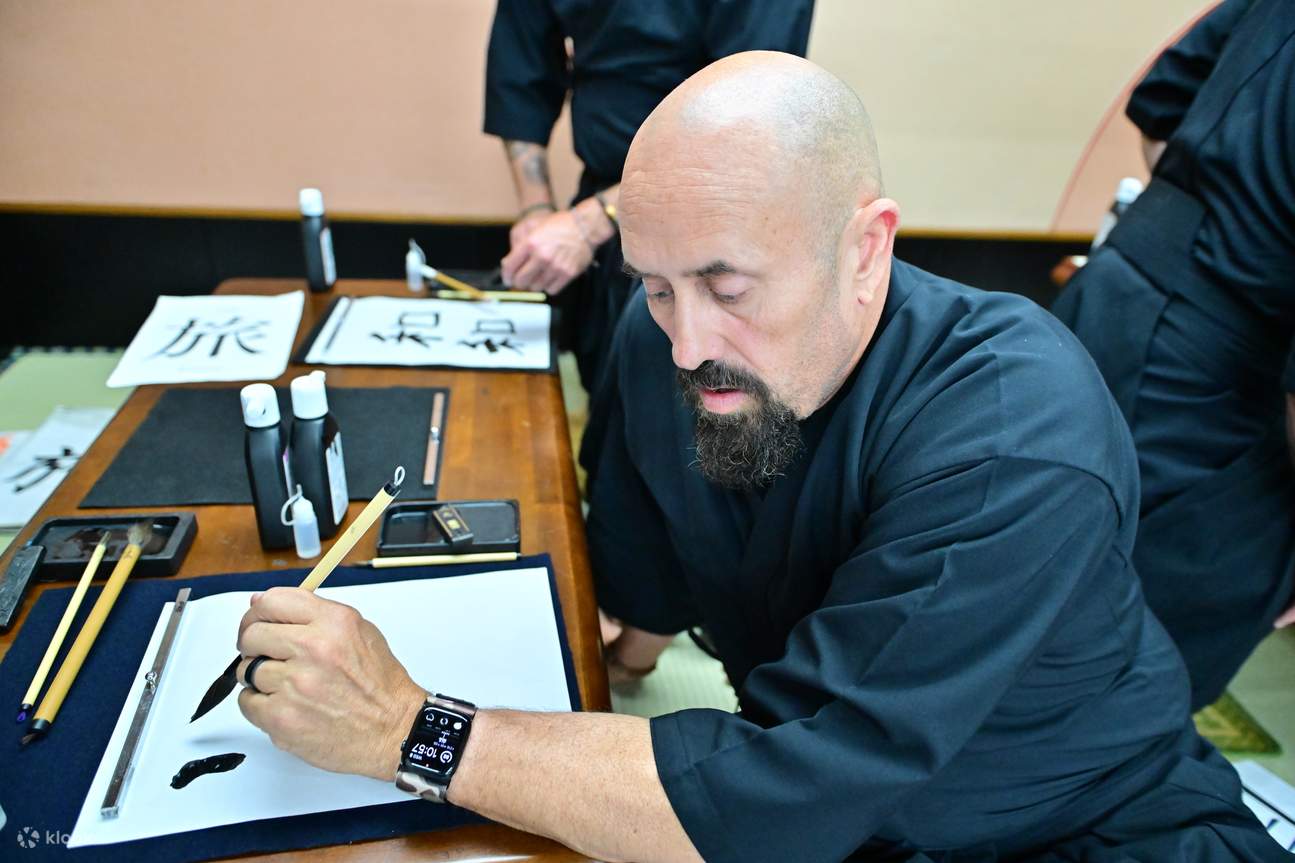
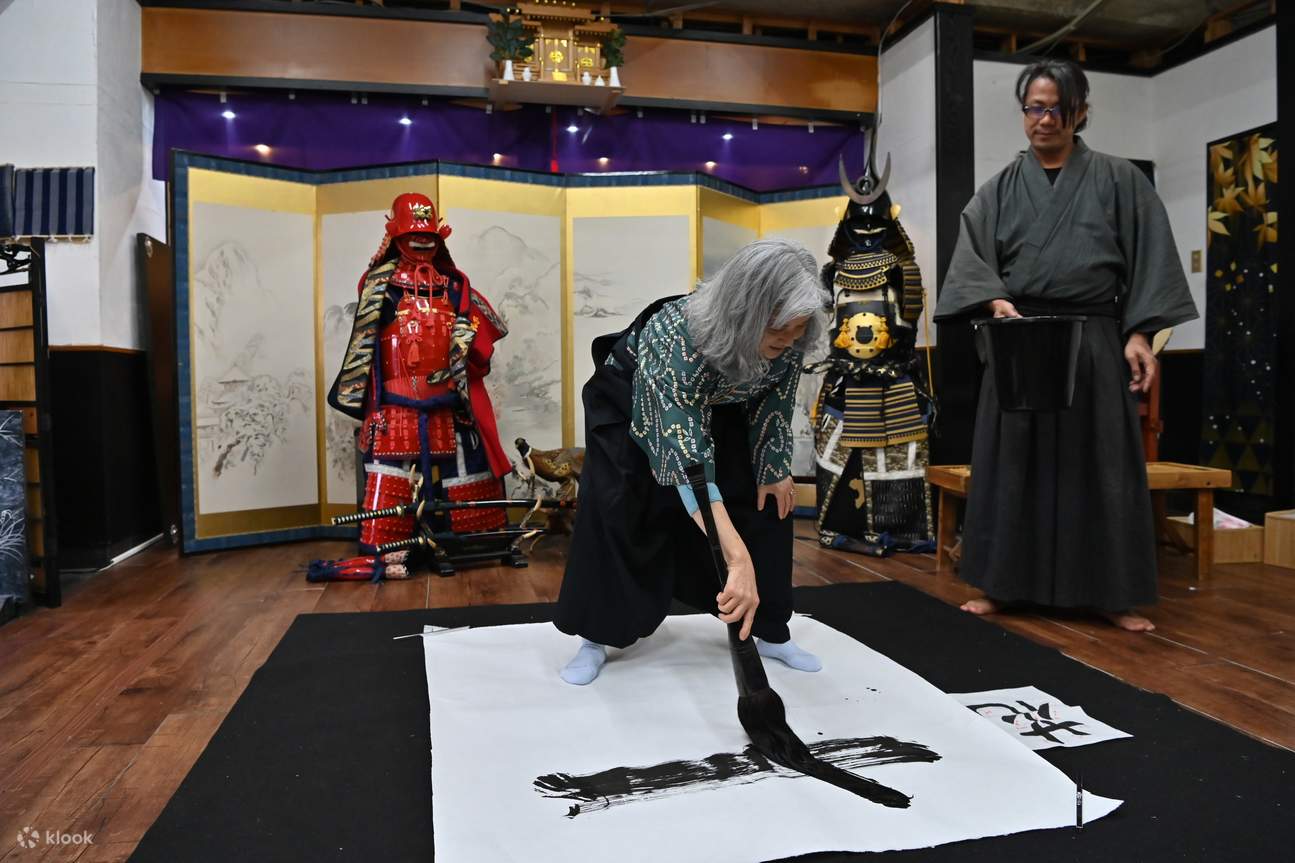
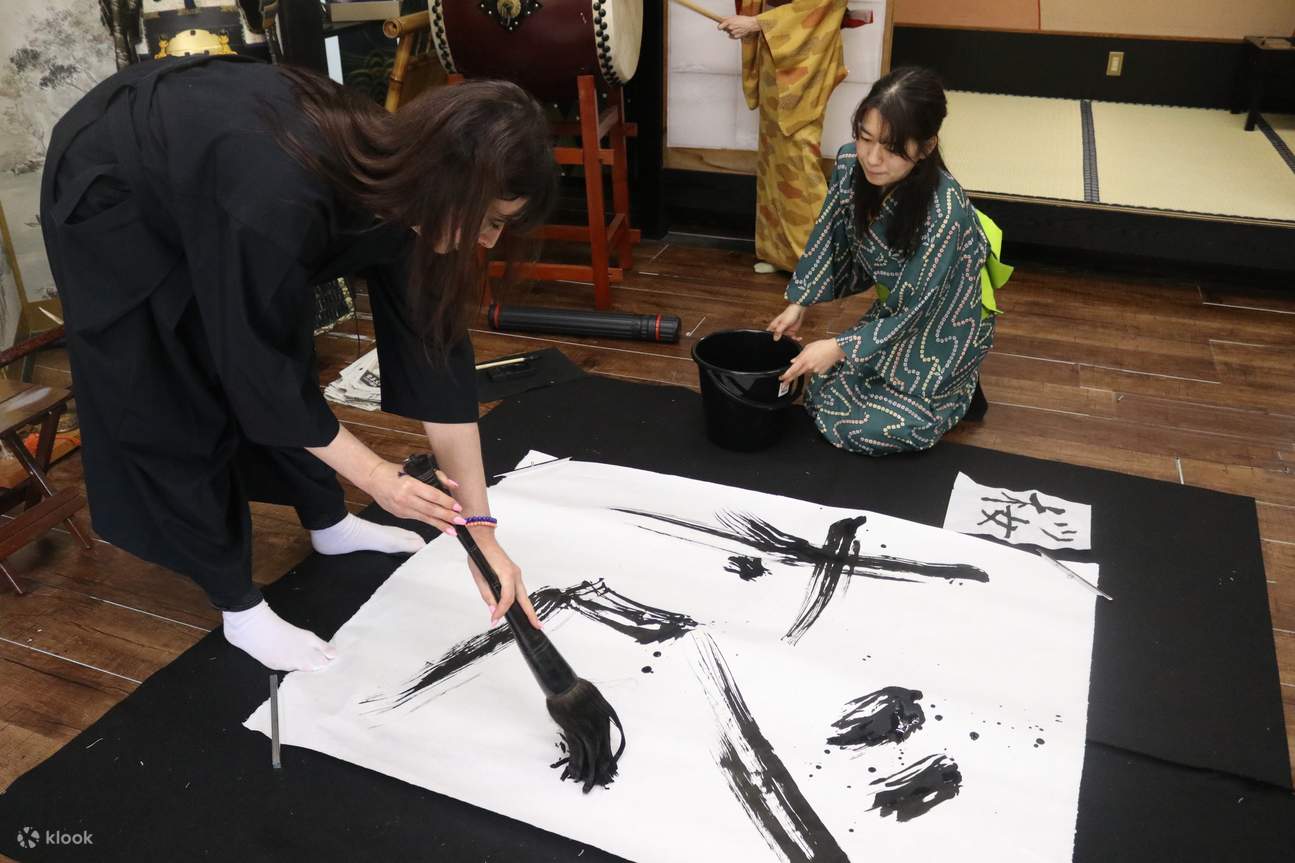
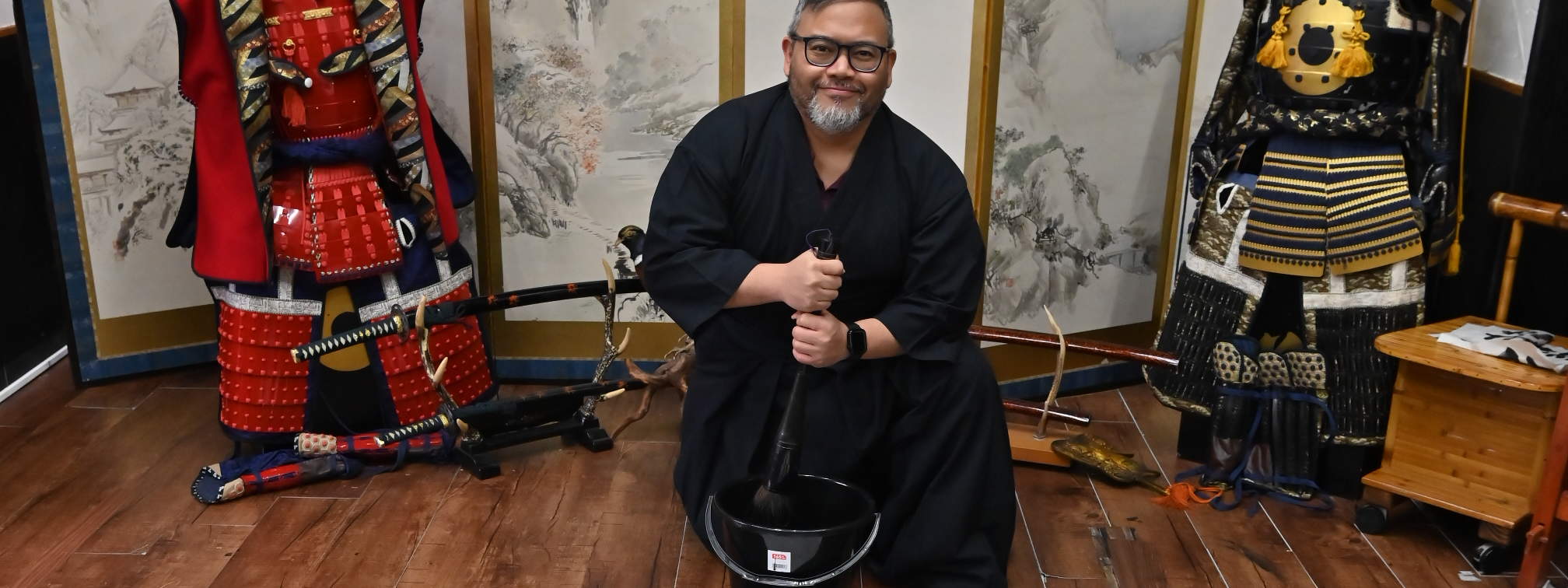
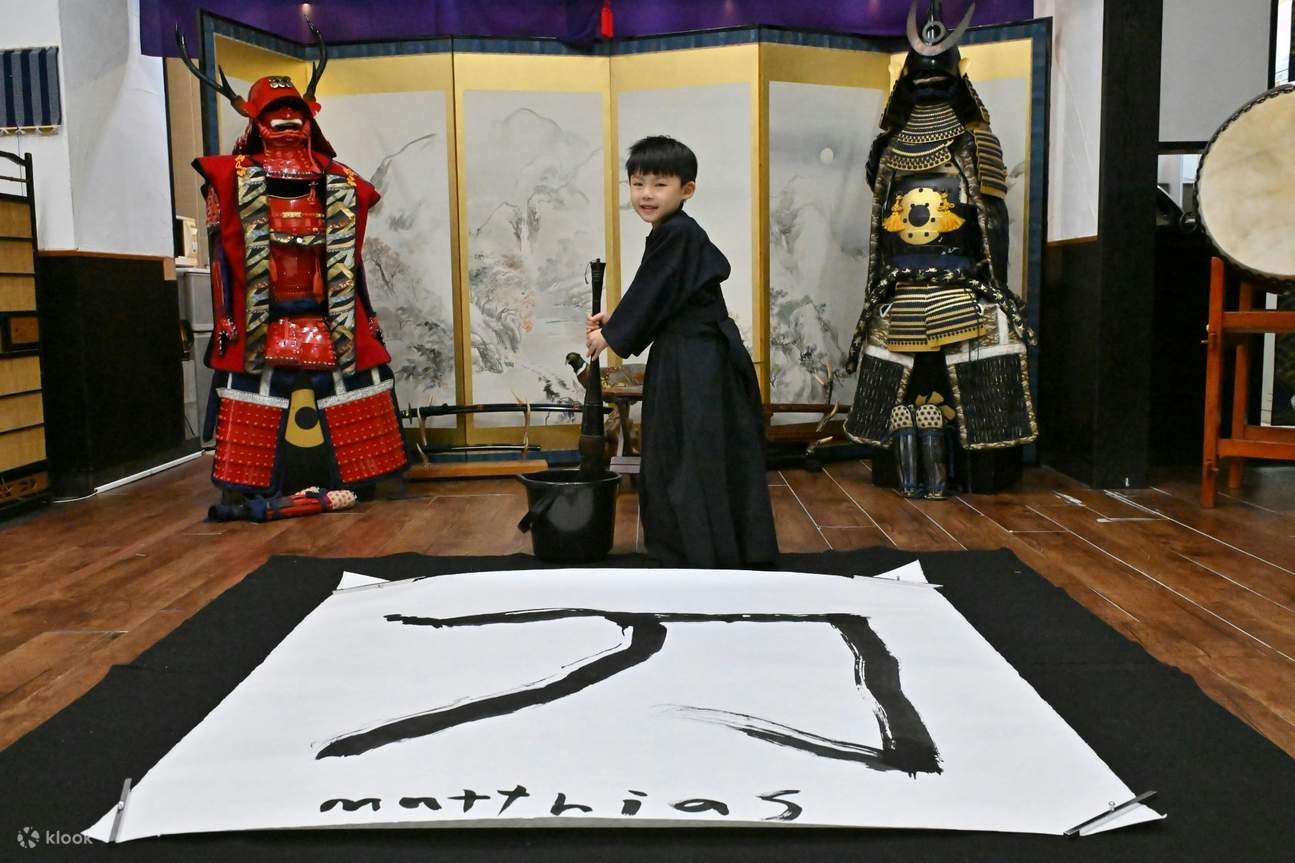
- Preparation You will change into Hakama or Kimono like a Samurai and dress in Japanese style.
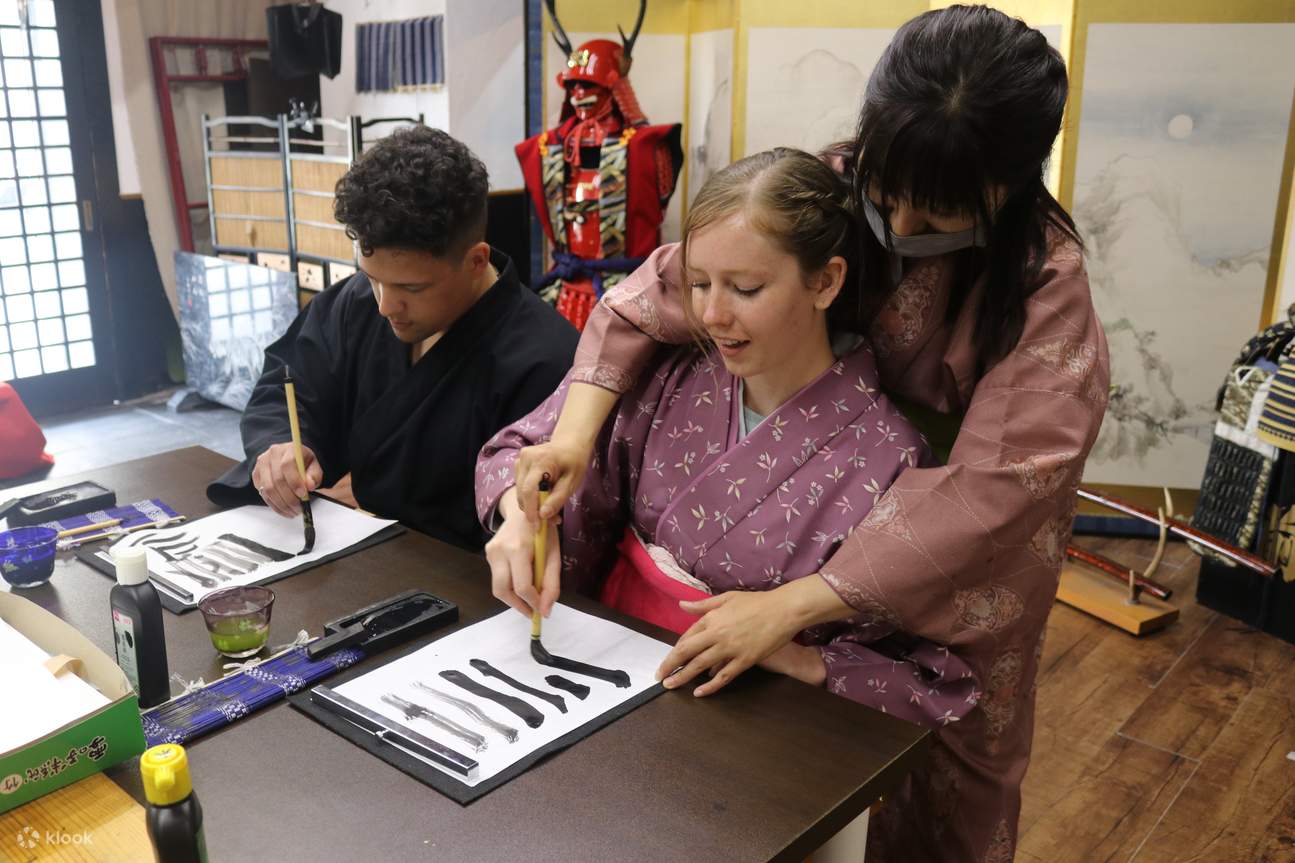
- Description. We will first explain about the mental attitude and tools of Japanese calligraphy, which is different from foreign country.
- Explanation of the calligraphy of resignation
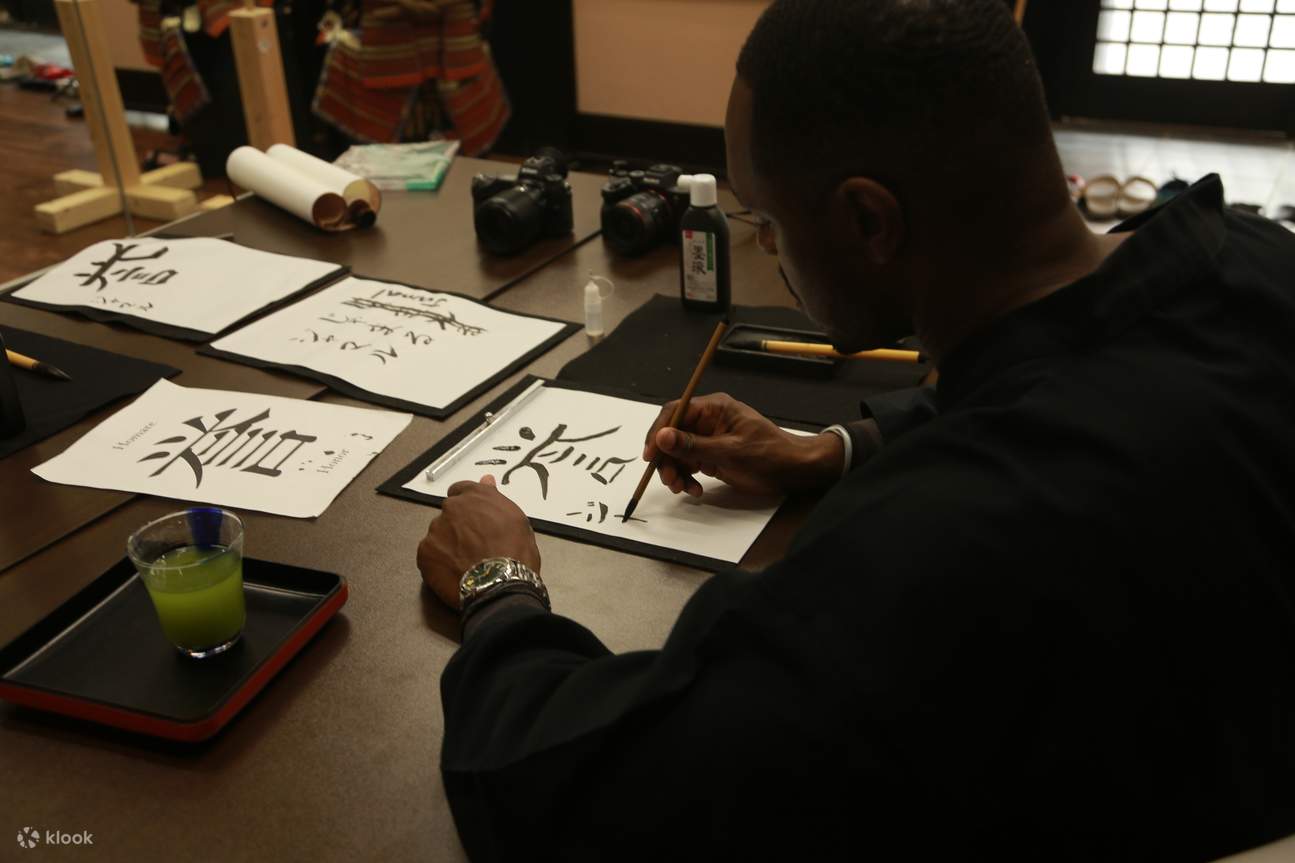
- Basic Practice There are basic calligraphy techniques such as “tome,” “hane,” and “harai,” which should be practiced. Learn the stroke order of selected kanji characters.
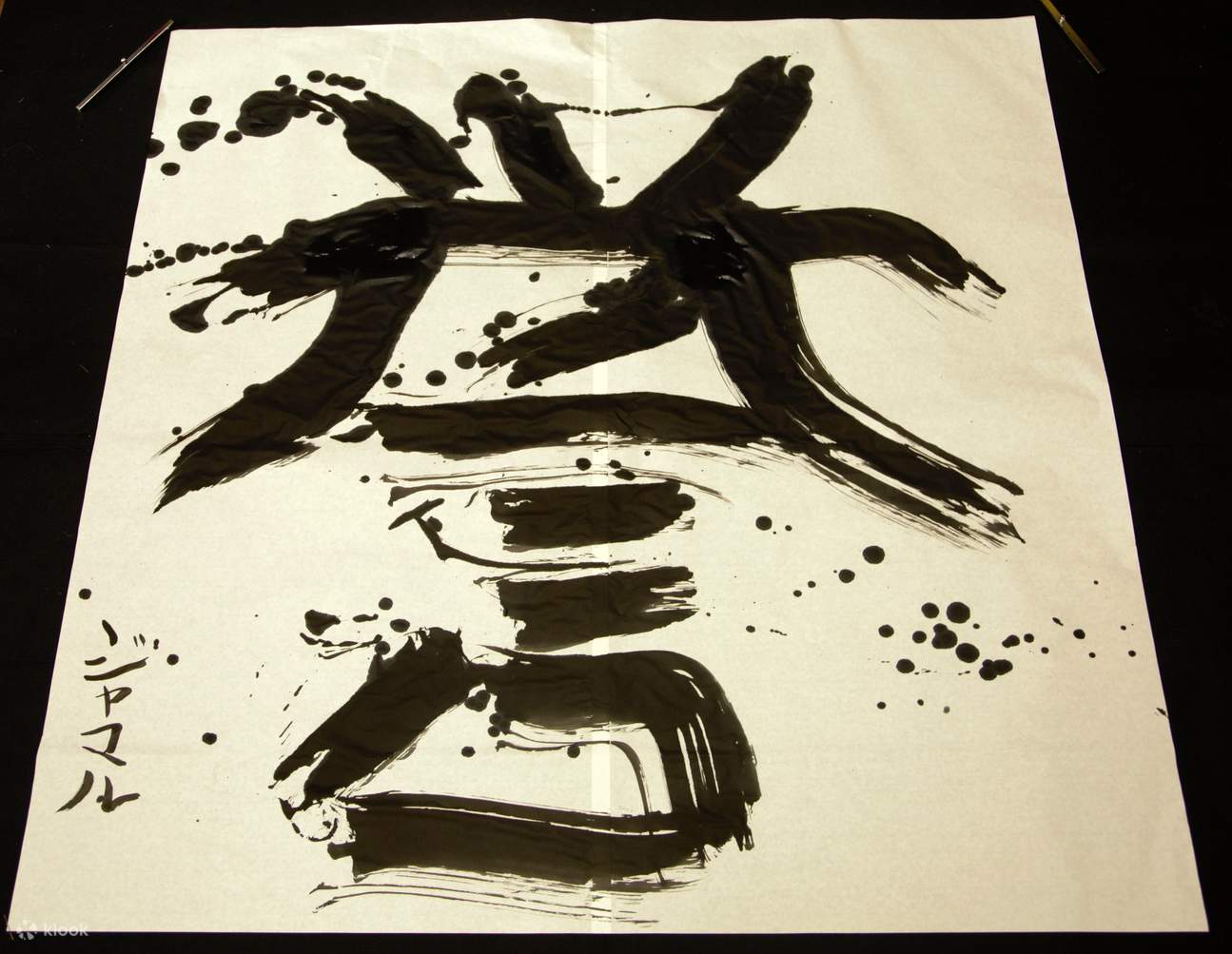
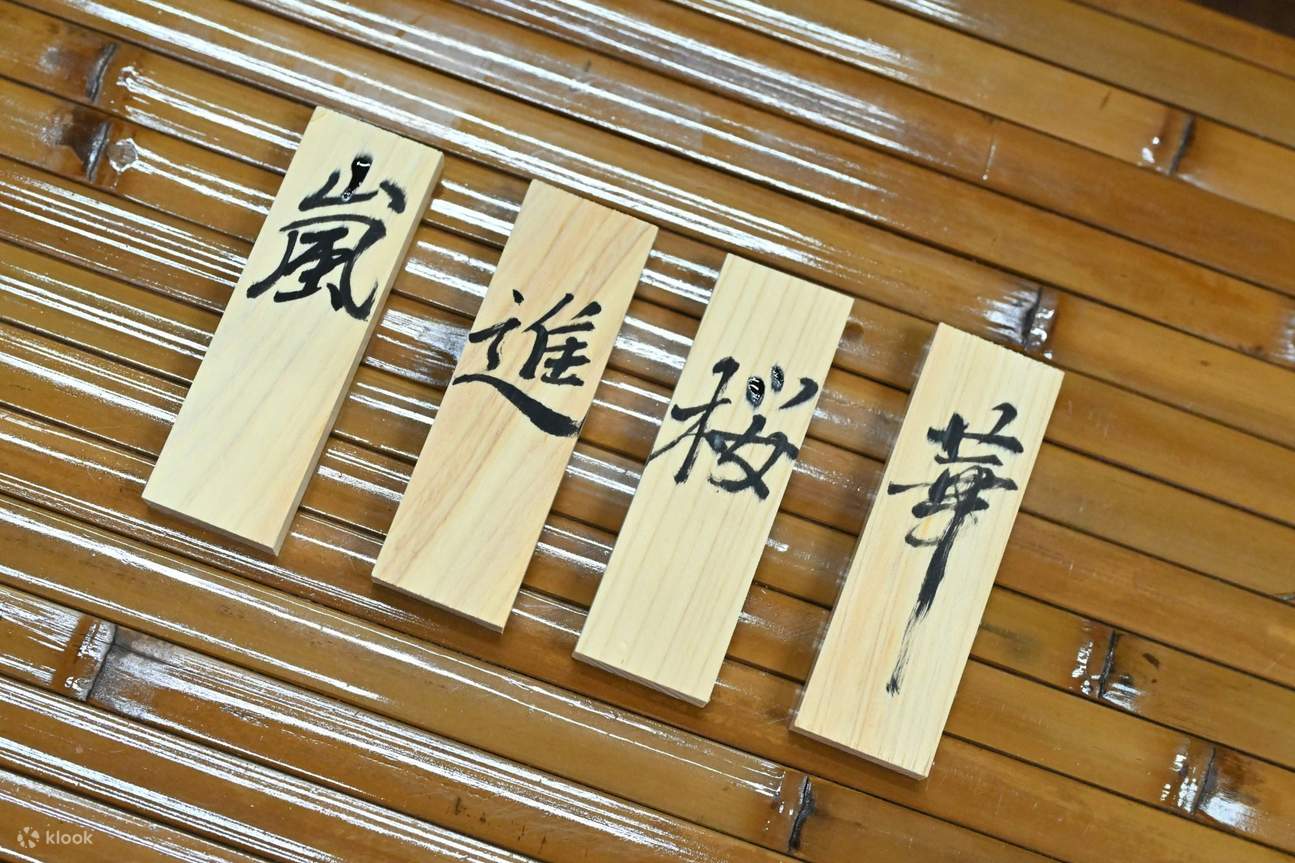
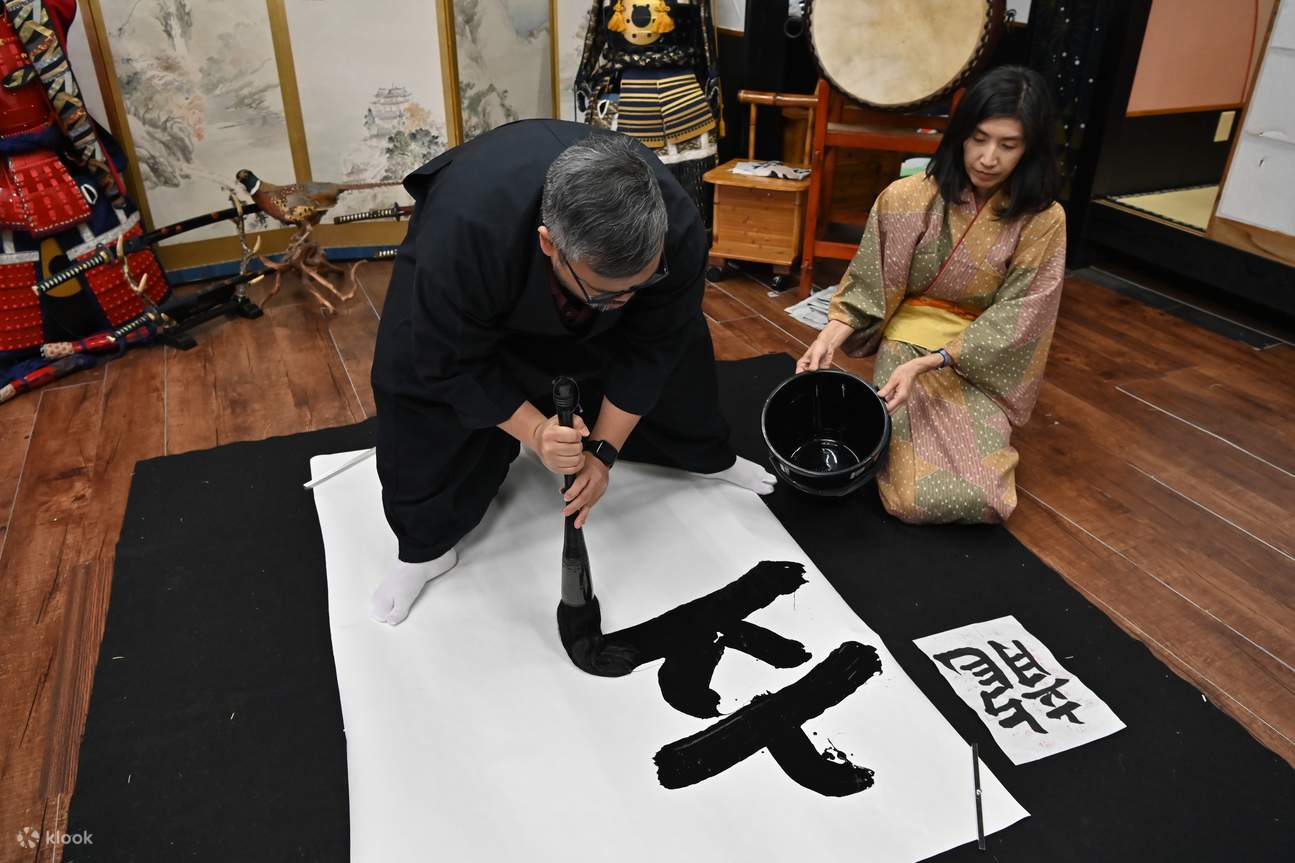
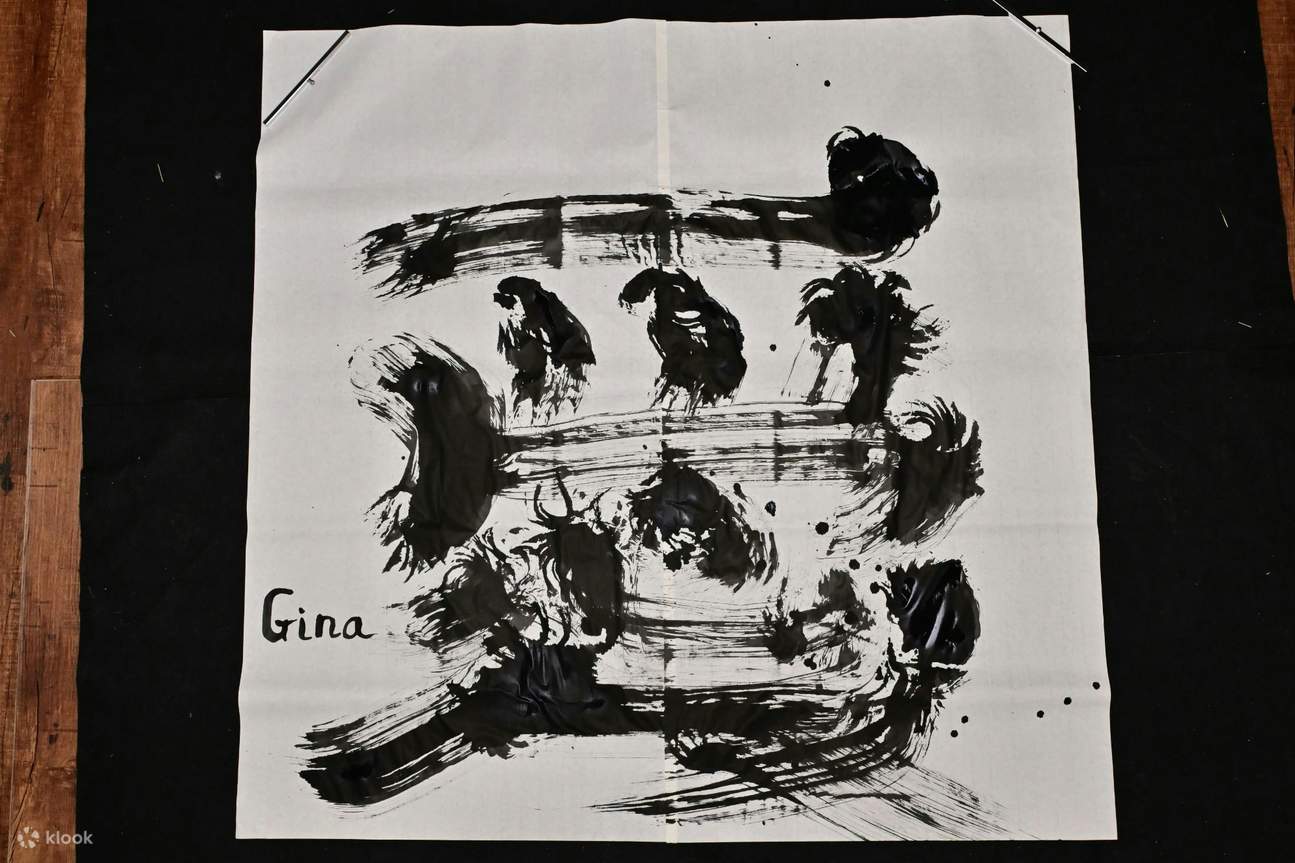
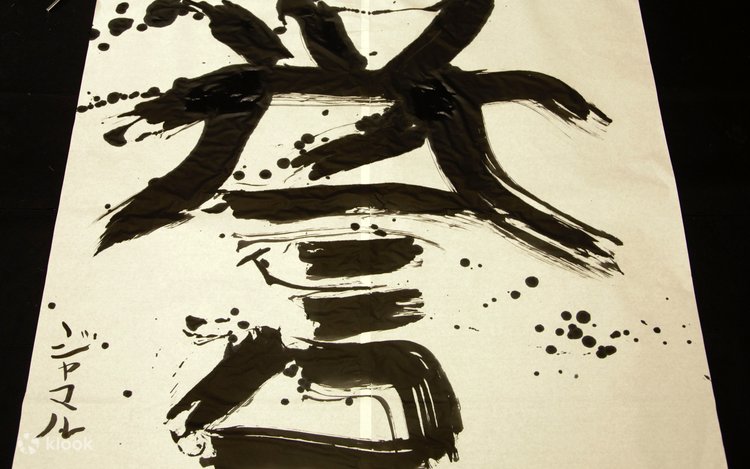
- Performance Each kanji has various meanings. Looking back on your life up to now, think about the composition (design) of the last character you will write on earth.
Think about the character composition. Formulate a story (composition of characters) of what kind of feelings you want to leave behind. Become one with a sense of rhythm.
What to expect
■These resignation poems strongly reflect the views of life of the people who wrote them. -The phrase “I am a Samurai,” which was written by samurai who lived in a time when they did not know what tomorrow would bring, is a painful reminder of the transient nature of life. However, their resignation poems are not about lamenting for their own selves.
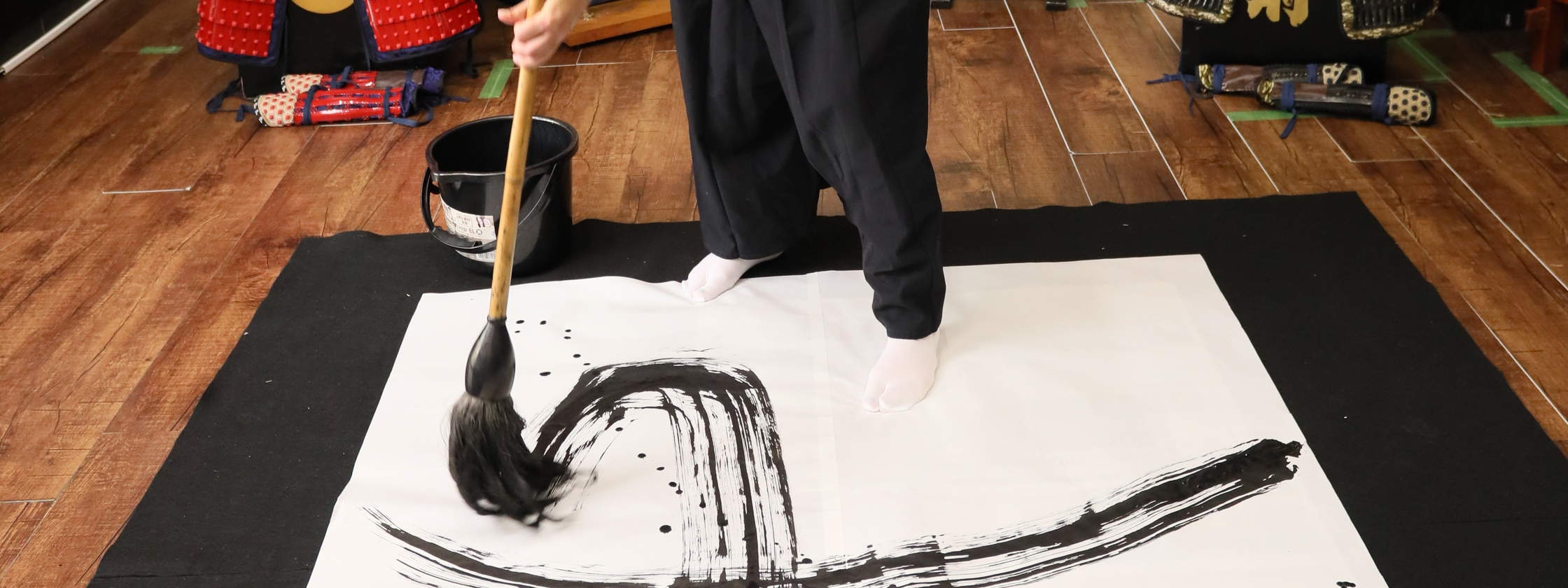
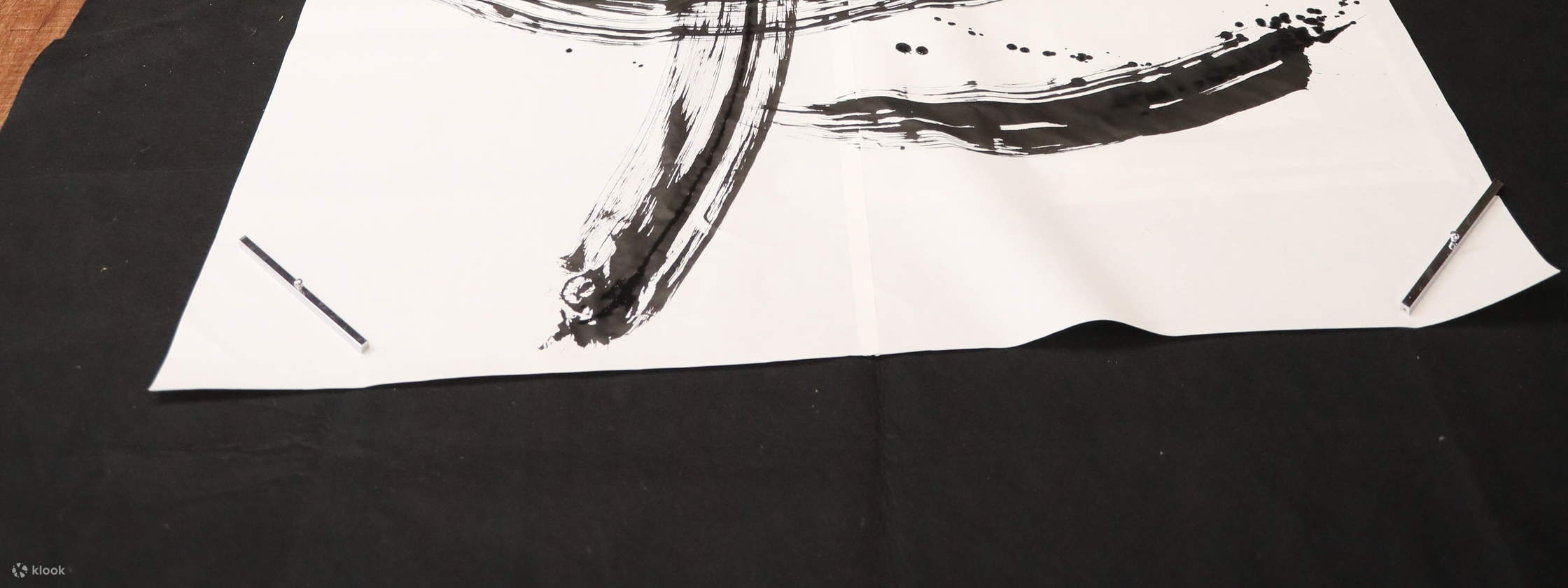
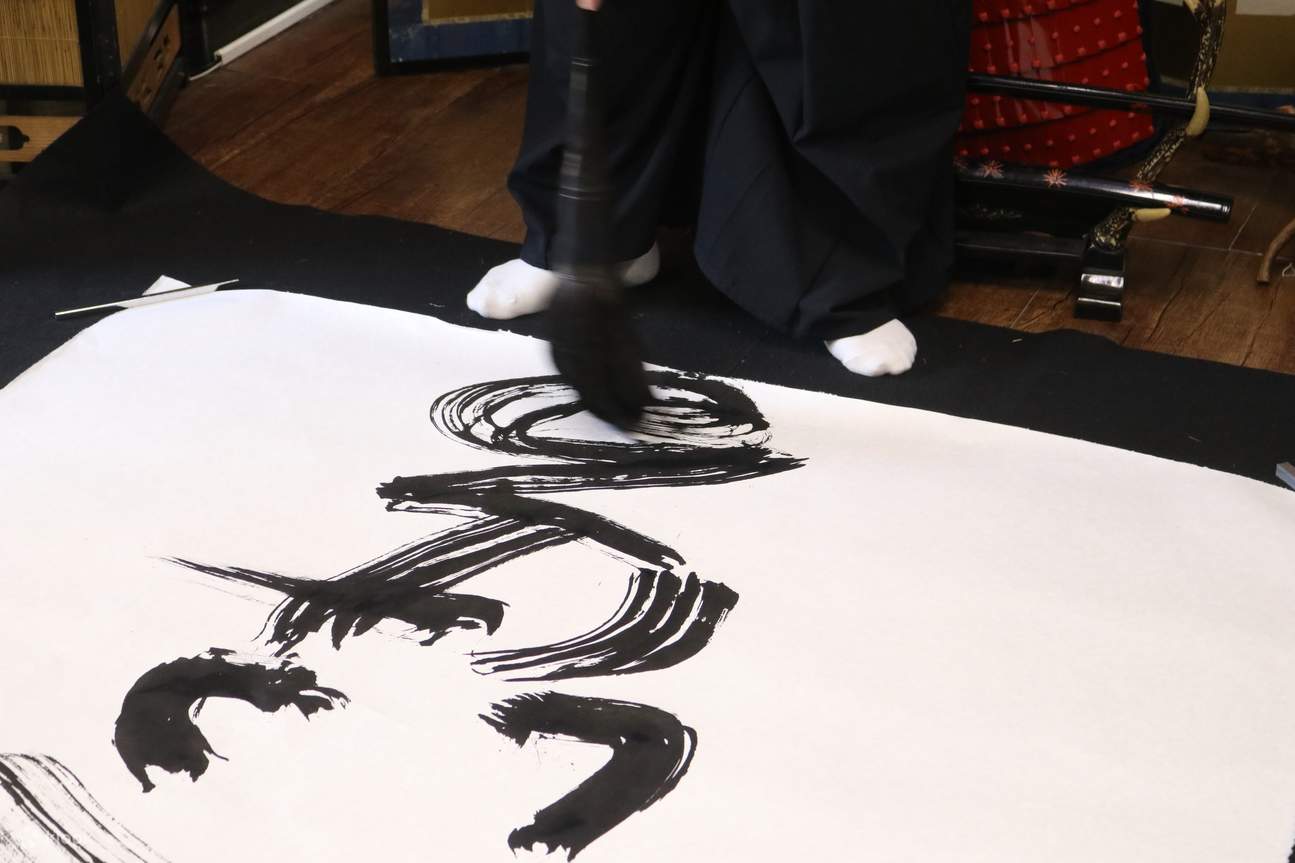
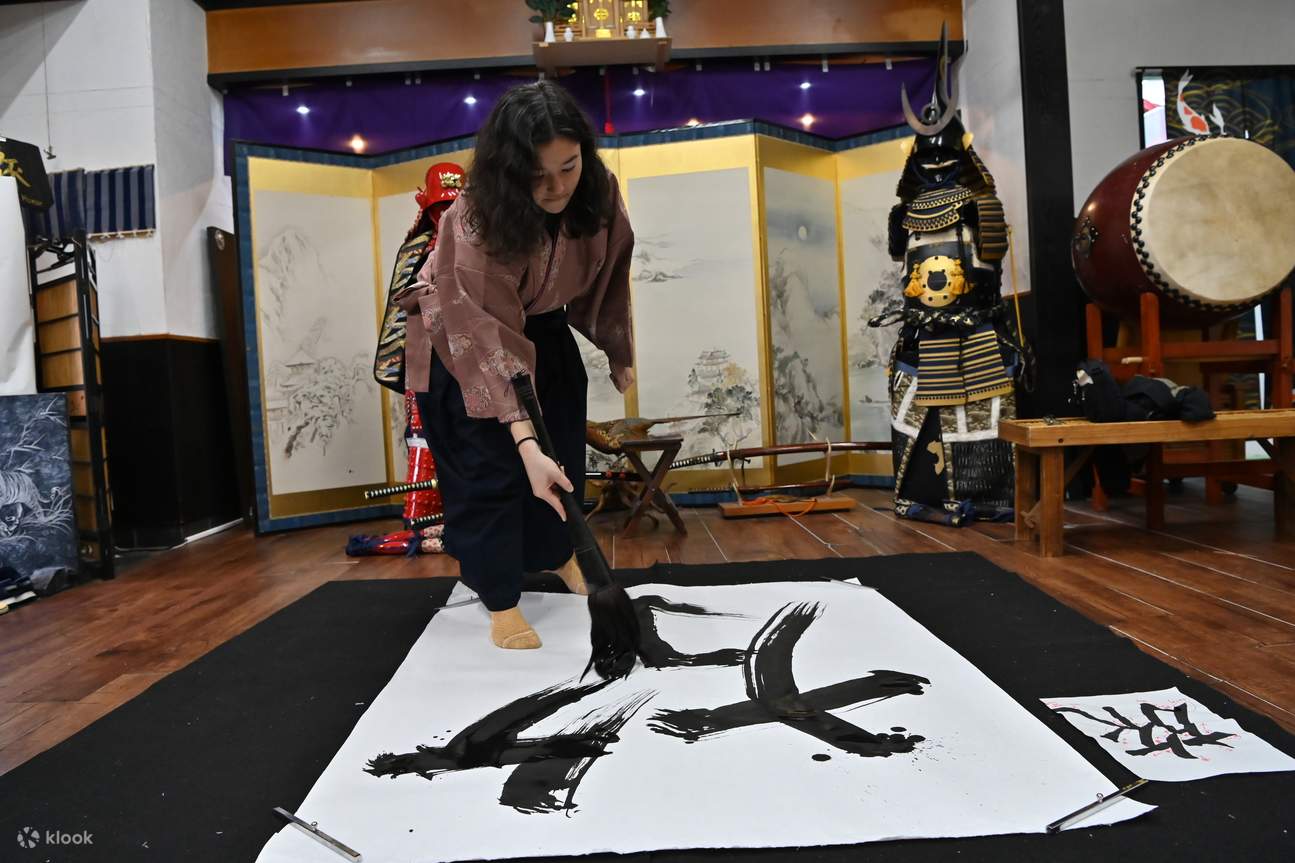
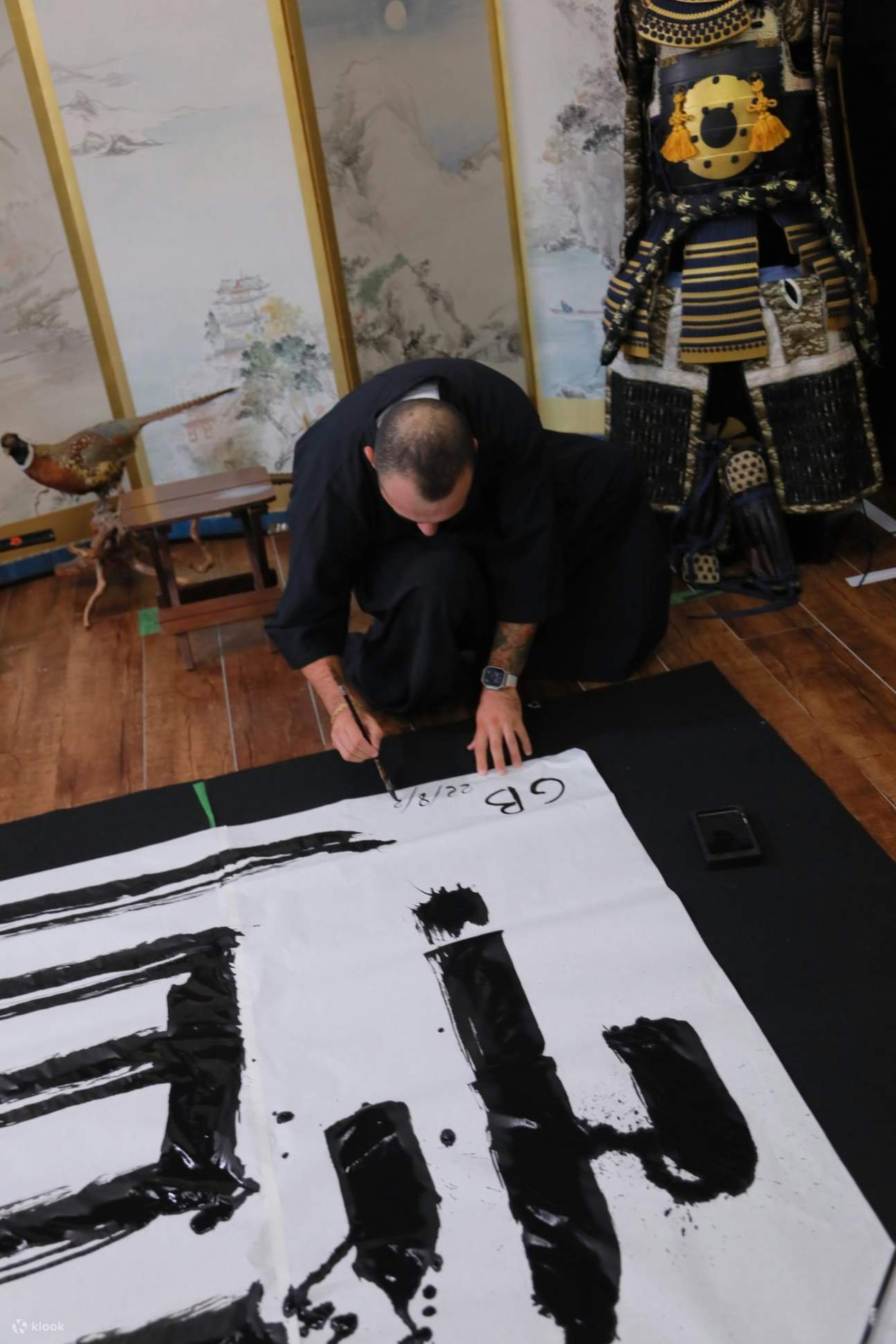
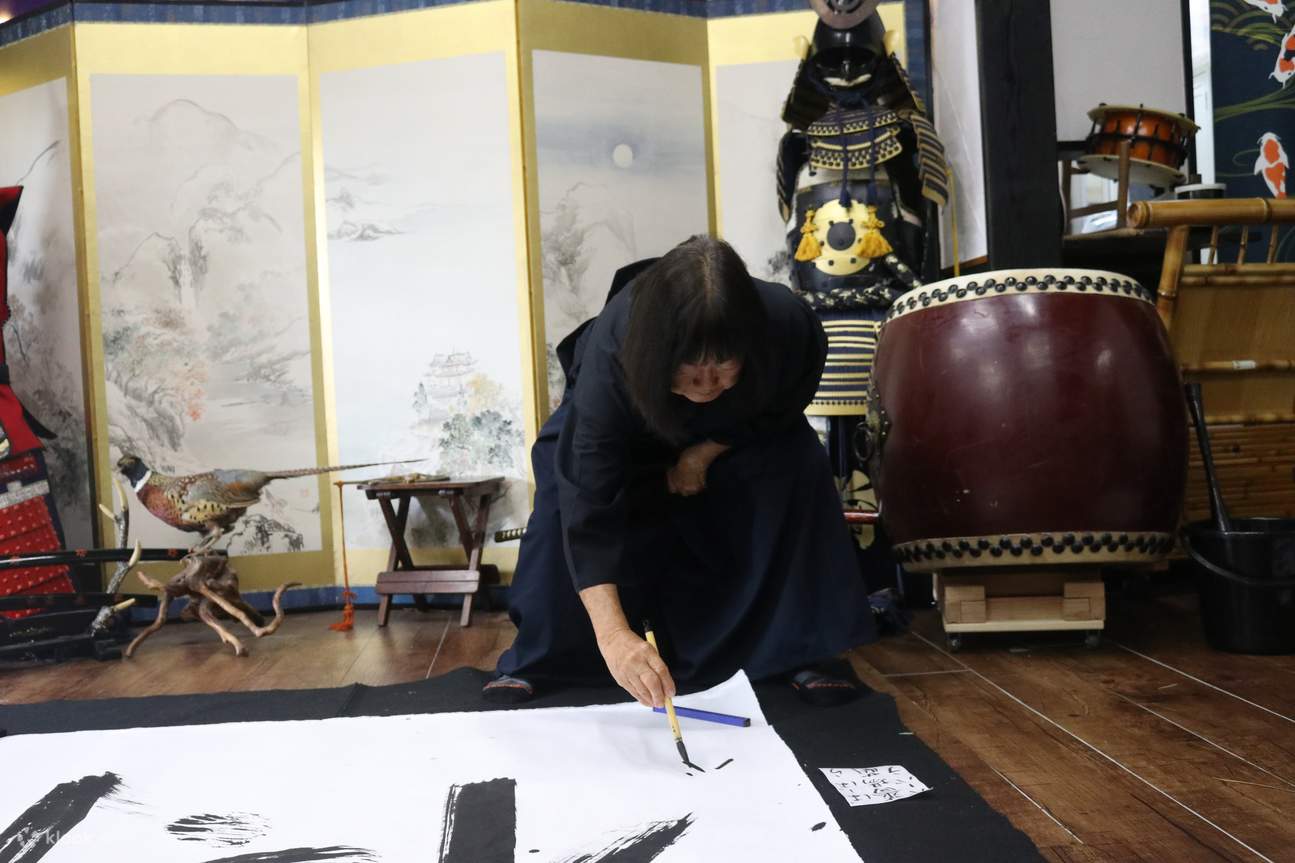
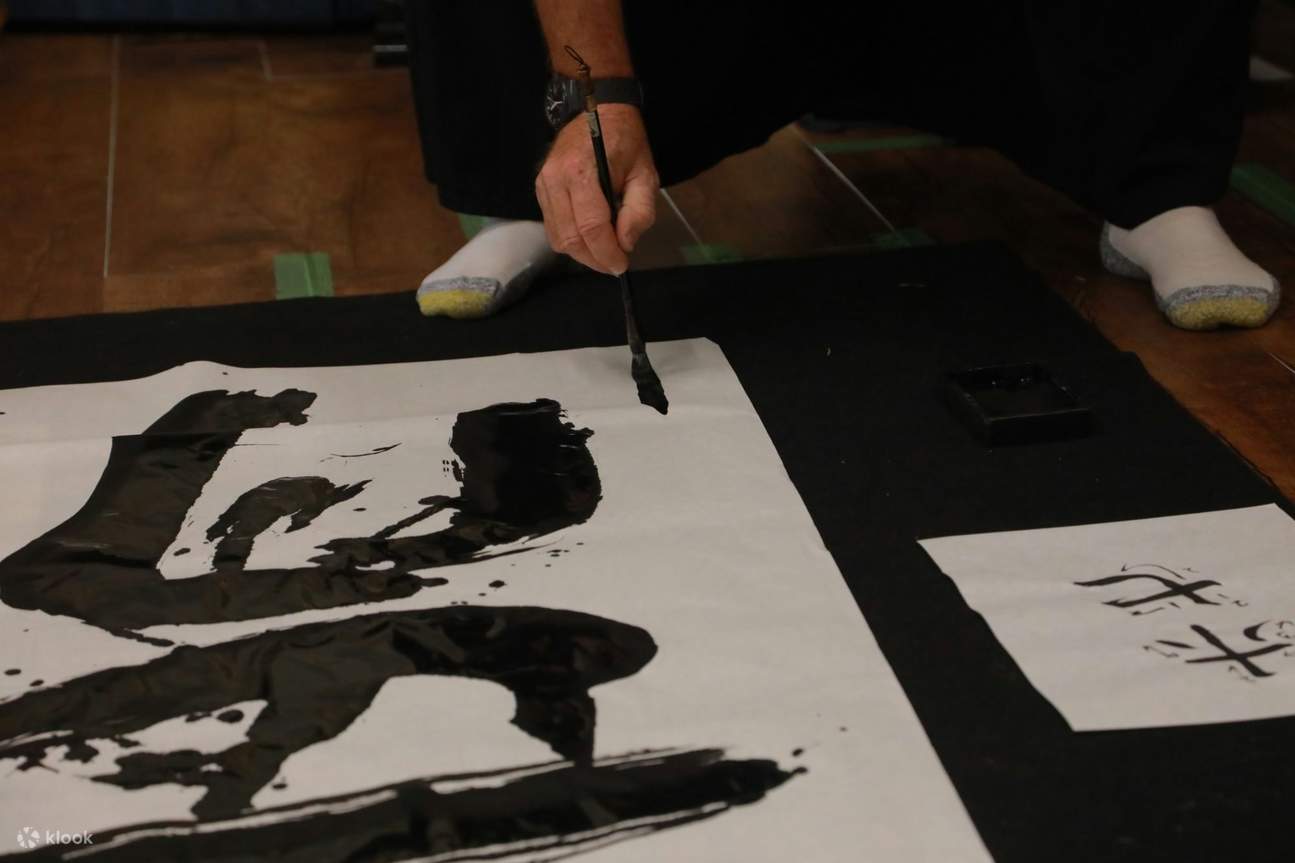
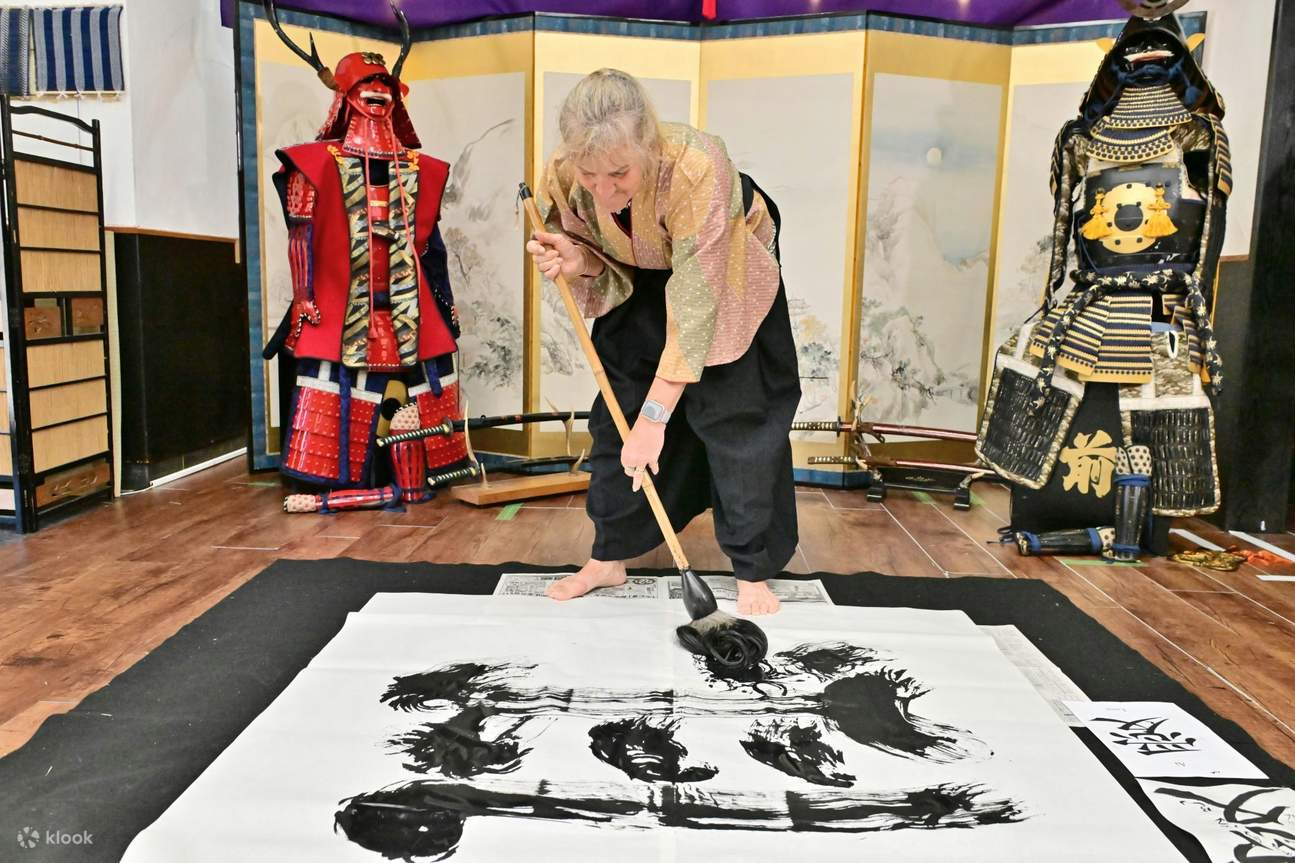
■Unlike ordinary calligraphy where you keep your mind quiet, concentrate, and face a half sheet of paper by yourself, they write on a huge whole sheet of paper with a heavy brush. This writing process is expressed as a performance. In addition, children’s calligraphy is sure to surprise and impress you because there are expressions that adults can never do.