Pingtung: Pingyan 1936 Cultural Base Ticket
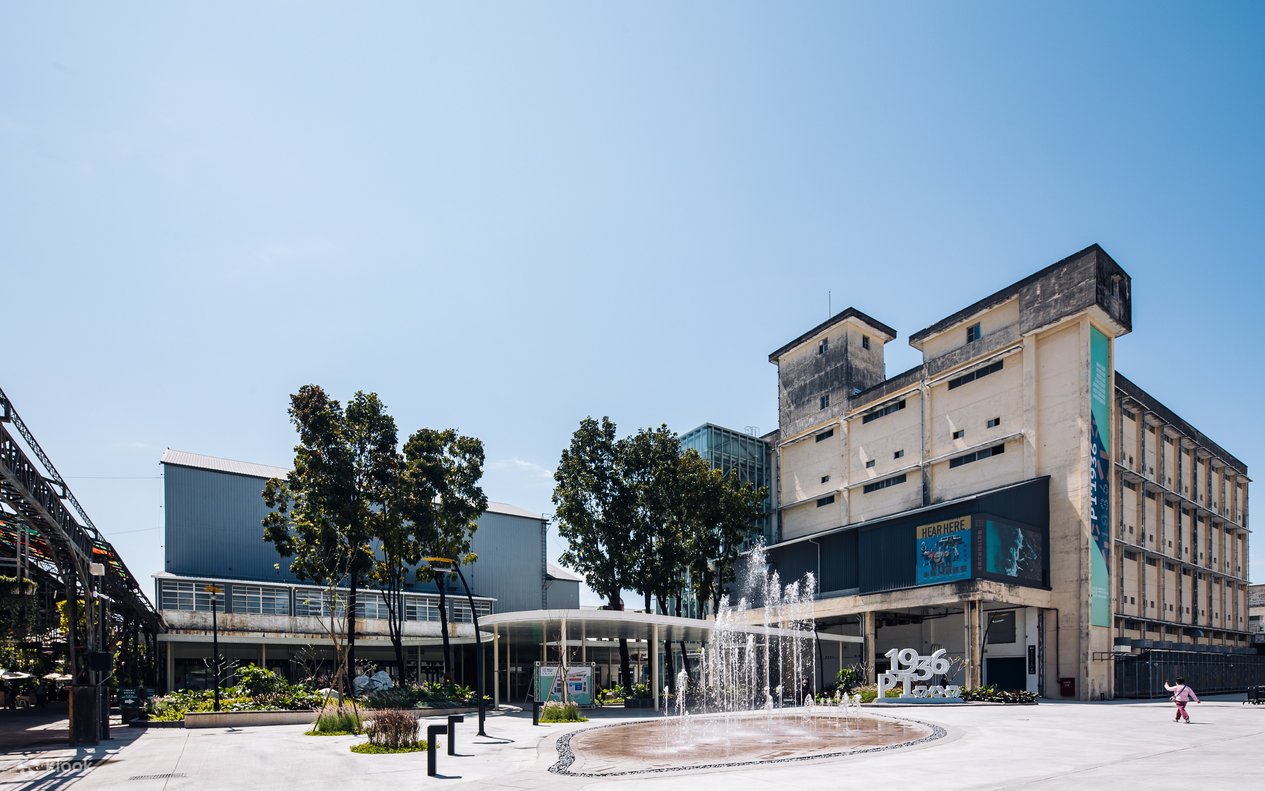


- A large museum complex that brings together the Pingtung County Art Museum, Pingtung Tobacco Leaf Museum, Pingtung Hakka Museum, and Pingtung Indigenous People's Museum
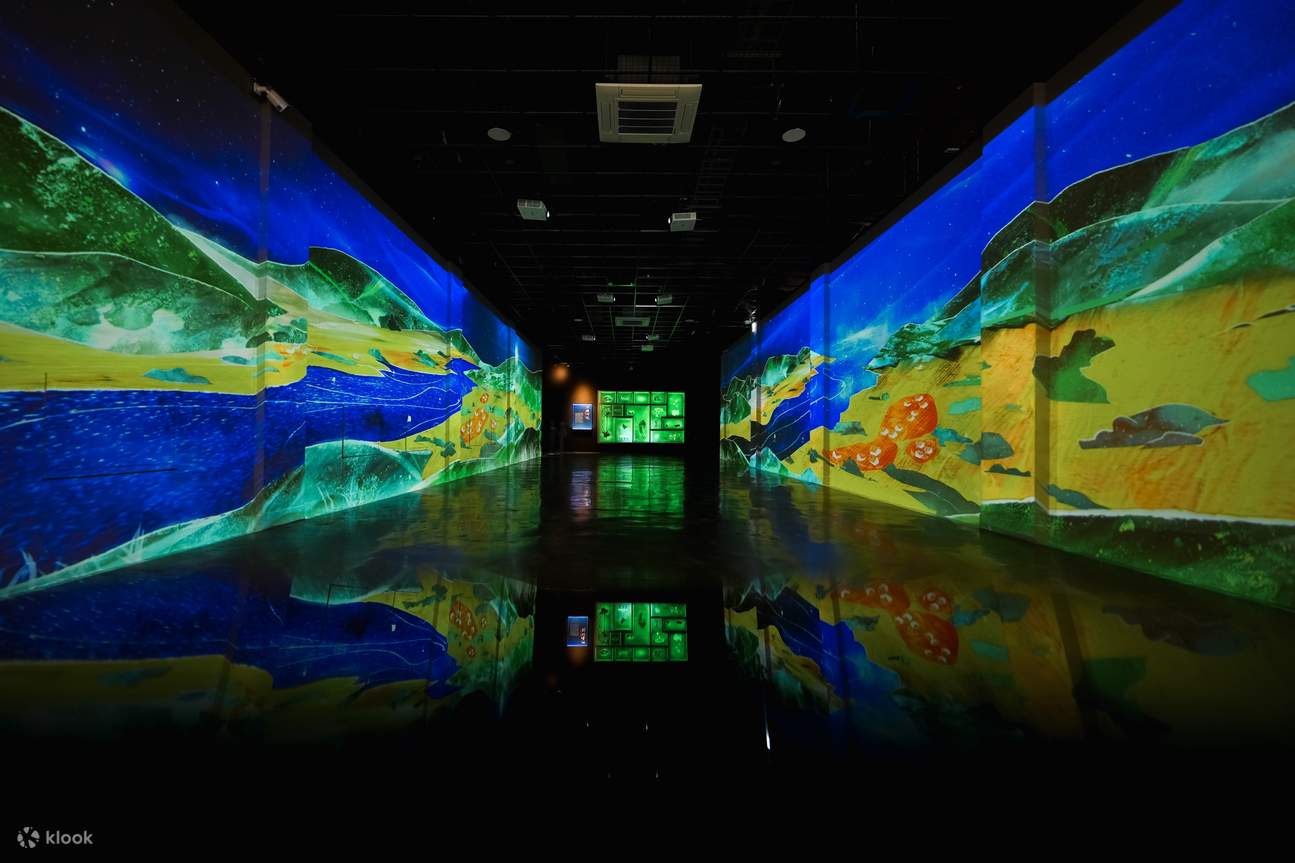
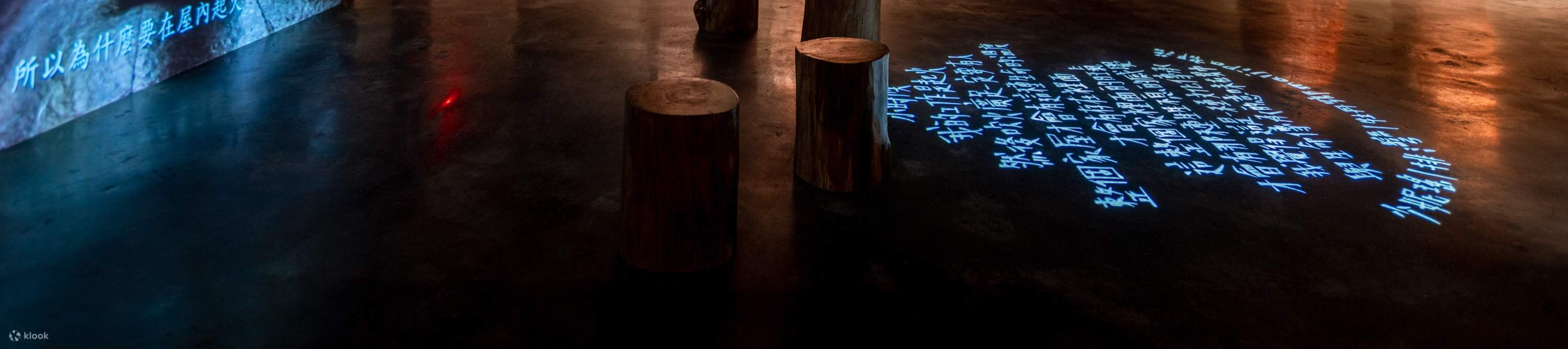
- Features five senses and technological experiences, offering a variety of cultural theme exhibitions
- A one-stop in-depth cultural tour to see the world's art, culture, and industry from Pingtung
What to expect
- Pingtung County Art Museum -
| Special Exhibition | When Flowers Bloom: Japanese Contemporary Art Exhibition
From Smoke to Bloom: A Land of Artistic Rebirth The opening special exhibition “When Flowers Bloom” uses the metaphor of flowers to showcase a selection of classic Japanese contemporary works. It brings together diverse creations from post-war Japanese art pioneers and contemporary emerging artists, presenting the spiritual landscape of Japanese post-war to contemporary art. From various states of flowers, it infers the development of Japanese contemporary art – between destruction and rebirth, art stubbornly sprouts from the ashes like wildflowers, blossoming with diverse human postures. Sixteen Japanese artists across calligraphy, painting, photography, sculpture, installation, and popular visuals use different media and creative techniques to break through traditional and national frameworks. They use unique artistic languages to promote the germination and development of avant-garde art, like flowers in different seasons, some intense and fiery, some quiet and introverted, some beautiful and dazzling, and some profound as a dream. Through these creations, we can glimpse the flow between inner spirituality and sensory desires, from individual loneliness to collective memories, and resonate with the nature, emotions, and time of the South. “When Flowers Bloom” presents the spiritual landscape of Japanese post-war to contemporary art. The infinite possibilities of life will bloom in this garden of creativity, inspiring viewers with new perspectives on art. When Flowers Bloom: Six Major Exhibition Sub-themes [Fire and Ink Shadow: Internal Explosion] Inoue Yuichi, Shiraga Kazuo [Dreams and Illusory Flowers: Sensory Expansion] Kusama Yayoi, Shiota Chiharu [Glamour and the Everyday: Erotic Gaze] Araki Nobuyoshi, Ninagawa Mika [Pop and Mythology: New Century Garden] Amano Yoshitaka, Nara Yoshitomo, Murakami Takashi [Mechanics and Senses: Future Texture] Sorayama Hajime, Nawa Kohei [Spirituality and Innocence: Fresh Bloom] Takano Aya, Rokkaku Ayako, Komatsu Miwa, Nakamura Moe, Egami Etsu
[Exhibition Information] Dates | March 28, 2026 - August 30, 2026 Time | 09:00 – 18:00 Closed on Mondays Location | Pingtung County Art Museum (Pingtung Tobacco 1936 Cultural Base, No. 1, Tobacco Factory Road, Pingtung City) Tickets | March 6, 2026 - March 27, 2026 Early bird tickets NT$150, Full price NT$249 during the exhibition
| Collection Special Exhibition | Tuā-îng Khàm Huān (Great Wave Over the Shore)
Tuā-îng Khàm Huān takes the wave surge brought by the Kuroshio ocean current as a starting point, with the magnificent visual and sound imagery covering the coast. It has a strong geographical and local flavor, as well as a macro intention to welcome international perspectives. “Tuā-îng Khàm Huān” means the great waves that cover the coast, creating a trend. Pingtung’s artistic vision is more spiritually flowing in the spirit imagery of the surge. The exhibition cuts into the geographical characteristics of the waves, bringing out five sub-themes: [People from the Mountains and Seas], [Wind and Surge Convergence], [Southern Pioneers], [Aura of the New Era], and [Seeds of the Future]. The exhibits in this exhibition include more than 100 collection items that the Pingtung County Government Culture Department has continuously cultivated for many years, and also borrowed from the Fukuoka Asian Art Museum, the National Taiwan Museum of Fine Arts, the Taipei Fine Arts Museum, the Kaohsiung Museum of Fine Arts, the Art Bank, the Hongye Art Foundation, Han Sheng Magazine, artists and their families. Three artists, Liu Chiu-er, Wu Cheng-chang, and An Sheng-hui, were also invited to create works for this exhibition, echoing the unique cultural atmosphere of Pingtung and further strengthening the link between local customs and the spirit of the exhibition.
Curators | Huang Chih-wei‧Hsu Yuan-ta Dates | March 28, 2026 – November 28, 2027 Time | 09:00 – 18:00 Closed on Mondays Location | Pingtung County Art Museum (Pingtung Tobacco 1936 Cultural Base, No. 1, Tobacco Factory Road, Pingtung City)
- Warehouse No. 8 -
| Special Exhibition | Hidden Heart of Pingtung
Collecting is a way for humans to connect with the world. From personal collections of figurines, models, and toys, to precious artworks or cultural relics in museums, “collecting” is not only about the objects themselves, but also about how people give meaning to the objects. Therefore, collecting is not only an accumulation of items, but these “treasures” are also an archive of time, emotion, and value. The exhibition takes “collection” as the theme, inviting 6 popular online IPs to participate, including H.H. Mr. (@hhonghh), Shaogao (@shaogao), Mr. Shark (@mrsharkid), Square Studio (@squarestudiotw), Mosa Bear & Leopard Cat Papa (@mosabear), Ruyi.RURU (@ruru.official.tw). It is hoped that through collections from different fields, using contemporary digital technology art, in an original immersive experience exhibition, the cultural meaning behind the collection behavior can be explored, showing how different eras and different groups construct self-identity through collections, and create a dialogue with memory, value and time.
- Warehouse No. 16 -
| Pingtung Tobacco Leaf Museum | Tobacco. Leaf. Factory—The Golden Memory of Re-smoking
The technical details in the agricultural and industrial industries can be said to be the basic driving force for cultural accumulation and the advancement of civilization. The Pingtung Tobacco Leaf Factory is not only a unique industry and cultural asset of Pingtung, but also an important page in human civilization. Tobacco plants in Pingtung’s unique fertile soil, from emerald green to golden, from sowing, picking to processing, the process contains regional customs, elder wisdom, and the hard work of countless laborers. Focusing on tobacco leaves, tobacco leaves are finely processed by various processing machines: moistening, cutting tips, deboning, re-smoking, packaging, etc. All the complicated processes also witness the essence of this unique industry and culture in Taiwan. Coming to the Tobacco Leaf Factory, the huge factory buildings built successively from 1936 are an important place to nurture all this. Professionals with different divisions of labor shuttle between machines and tobacco leaves. Exquisite labor skills must be written into the memory of civilization. Now the Pingtung Tobacco Leaf Factory is open to the public with the permanent exhibition “Tobacco. Leaf. Factory - The Golden Memory of Re-smoking”, inviting everyone to explore the preserved machines on the spot, understand the processing flow of tobacco leaf production, and see the professional persistence hidden behind tobacco leaf cultivation. Whether it is land flavor or professional participation, it shapes the cultural value of tobacco leaves and the tobacco leaf factory, immersing in this unique time and space, and personally experiencing this industry and labor memory from emerald green to golden.
| Pingtung Hakka Museum | Six Stacks Imprint
“Six Stacks”, a term that has never formally appeared on the map, is a description of a specific geographical area and an embodiment of a unique cultural spirit. It is both concrete and abstract; both classic and contemporary; both brave and united, and gentle and refined. “Six Stacks” is not only the collective term for the Hakka group in the Gaoping area, but also represents the moving life stories on this land for hundreds of years. During the immigration period, Hakka immigrants came to the fertile Pingtung Plain, opened up canals along the streams, worked hard to cultivate wasteland, established villages and established foundations, and co-wrote a new chapter with the land. The sweat of the ancestors planted rich crops and nurtured each generation, forming prosperous and united settlements. On this land, the Hakka people inherit the traditional rituals and life that are full of respect for heaven, thanksgiving, gratitude and cherishing, and the spirit of loyalty, filial piety, and diligence in farming and studying is also continued from generation to generation. “Six Stacks Imprint” reproduces the development of the ethnic group with the life course of the Six Stacks people, and displays the most unique material and spiritual elements in the culture in an artistic way, inviting you to come to the Six Stacks and communicate with the Six Stacks.
| Pingtung Indigenous Peoples Museum | People on the Slope (Kacalisian)
Since ancient times, the Paiwan and Rukai people in southern Taiwan have called themselves “kacalisian”, which means that from the period of the founding mythology, their origin, residence, farming, and hunting grounds have existed for generations on the “sloping land”. The Dawu Mountain, Damumu Mountain, and Wutou Mountain in southern Taiwan are regarded as holy mountains, and the humanistic art and lifeline of the ethnic group are passed down forever on the sloping land. The exquisite craftsmanship and ancient tunes shown by the indigenous people living in the sloping mountains of Pingtung must be closely related to the philosophy and thinking of the ancient language of kacalisian. Between the sloping mountains and forests, the “hands” and “hearts” of the ethnic groups are intertwined to form a unique and exquisite life aesthetics. Today, because of such a special cultural and artistic background and thinking, a new generation of Paiwan and Rukai have created many artists, musicians, and cultural and creative workers. The humanistic art of the people on the slopes covers every aspect of life and is “the natural beauty expressed by the soul.” Whether it is clothing color, carving craftsmanship, decorative art, traditional music and dance, or contemporary art performance, the people on the slopes have been telling stories with artistic thinking. Mountains, land, and ethnic groups, together interweave a unique and exquisite humanistic art, which is reflected in daily life.





Location