Photos
About the event
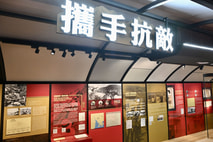
Under the leadership of the Communist Party of China, the East River Column of Guangdong People's Anti-Japanese Guerrilla Force was established during the war. The East River Column not only became a pillar of the resistance in South China but also made a significant contribution to the national victory in the war. This exhibition is the first thematic exhibition focusing on the history of the War of Resistance since the museum's conversion and was planned in collaboration with the Chinese Culture Promotion Office. This collaboration aims to promote Chinese culture and pass down the history of the War of Resistance, maintaining the national spirit and consolidating our national identity.
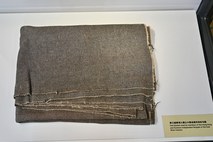
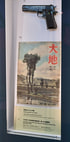
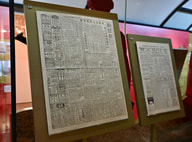
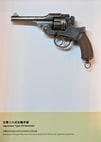
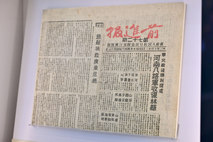
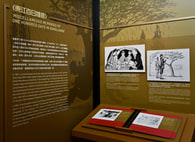
The exhibition showcases some precious exhibits and historical images, which provide an in-depth introduction to the resistance activities of the Dongjiang Column (East River Column) in both Shenzhen and Hong Kong, recounting the arduous years when these two blood-related brother areas stood together against Japanese aggression. Highlighted exhibits include a cloth bag and a felt blanket used by members of the Hong Kong and Kowloon Independent Brigade of the East River Column during war time, newspapers (replica) published by the East River Column, cartoon images of Miscellaneous Memories of One Hundred Days in Dongjiang created by cartoonist Ding Cong, a Commemorative Medal of the 70th Anniversary of the Victory of the Chinese People's War of Resistance against Japanese Aggression, and precious oral history records from veterans.
Website: https://hk.waranddefence.museum/en/web/mcd/Brothers-in-Arms.html
About the organizer
Hong Kong Museum of the War of Resistance and Coastal Defence (MWRCD) was converted from the Hong Kong Museum of Coastal Defence on 3 September 2024 (the Victory Day of the Chinese People's War of Resistance Against Japanese Aggression). The museum focuses on the history of the War of Resistance and changes in Hong Kong’s coastal defence and military affairs, highlighting the core theme of “War of Resistance” and “Coastal Defence” in defending the nation and cultivating a stronger sense of national esteem and patriotism.
The permanent exhibition includes 11 galleries, showcasing Hong Kong’s resistance against the Japanese invasion of China and its close relationship with national coastal defence and military changes from the Tang dynasty to Hong Kong’s return to the Motherland in 1997. Among which, four galleries are specially named as “The War of Resistance Galleries”, covering the history of Japanese invasion to China, the fall of Hong Kong, underground resistances of the Hong Kong and Kowloon Independent Brigade of the East River Column and the guerrilla fighters’ contributions, and the surrender of Japan. This allows the public to gain a deeper understanding of the War of Resistance, pay tribute to the martyrs who fought against the Japanese, and cherish the present-day peace.
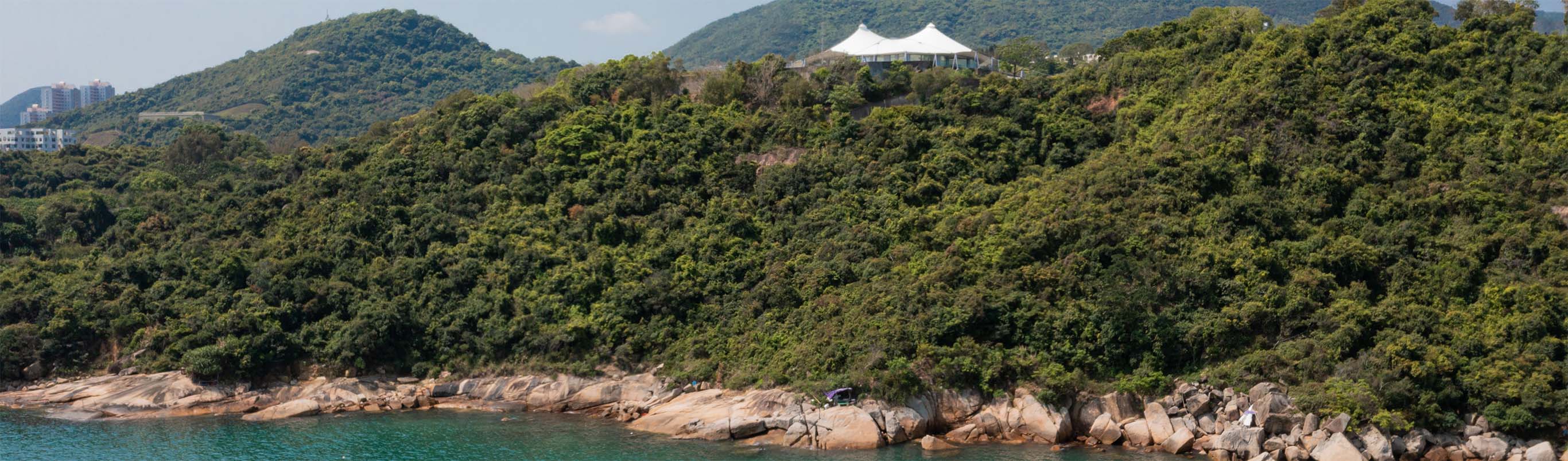
The museum is located at Lyemun Pass (today’s Lei Yue Mun Channel), which has been a strategic defence location since ancient times, underscoring Hong Kong’s longstanding role as the gateway of the nation’s southern maritime approaches. With a total area of 34,200 square metres, the museum is converted from the hundred years’ old Lyemun Fort on a headland 64 metres above sea level overlooking Lyemun Pass. Twenty-four checkpoints are set up on the Lyemun Fort Historical Trail, including the Torpedo Station built in a cave on the shore, the Lyemun Redoubt on the hilltop, and batteries and caponiers. Visitors can experience and enjoy the unique beauty of the built structures embedded in the natural scenery, and immerse themselves in the military and historical ambience of this site through walking the Historical Trail. Multimedia elements, innovative presentation methods and a thematic approach are injected into the permanent exhibition and the historical trail of the museum to narrate the history of the War of Resistance and the story of Hong Kong’s coastal defence, promoting patriotism and ensuring its continuity from generation to generation.
Opening Hours
March to September
Monday to Wednesday, Friday to Sunday: 10 am - 6 pm
October to February
Monday to Wednesday, Friday to Sunday: 10 am - 5 pm
Closed on Thursdays (except public holidays), the first two days of the Lunar New Year