Xingtai Menghua Xingzhou Banquet


- With the cultural heritage of Xingzhou as its backbone, Xingyao white porcelain adorning the banquet, and Guo Shoujing's celestial observations as the backdrop, resonating with history, this is a cultural feast that can be tasted, admired, and felt.
- From the grandeur of the Battle of Julu to the elegance of literati gatherings, every dish tells a Xingtai story, and every performance is within reach, unlocking a new way to experience the ancient city's culture.
- Attend an elegant banquet of ancient and modern dialogue, encounter a thousand years of splendor next to the Xingtai Museum, allowing you to understand the fragrant history of this ancient city amidst clinking glasses.
What to expect
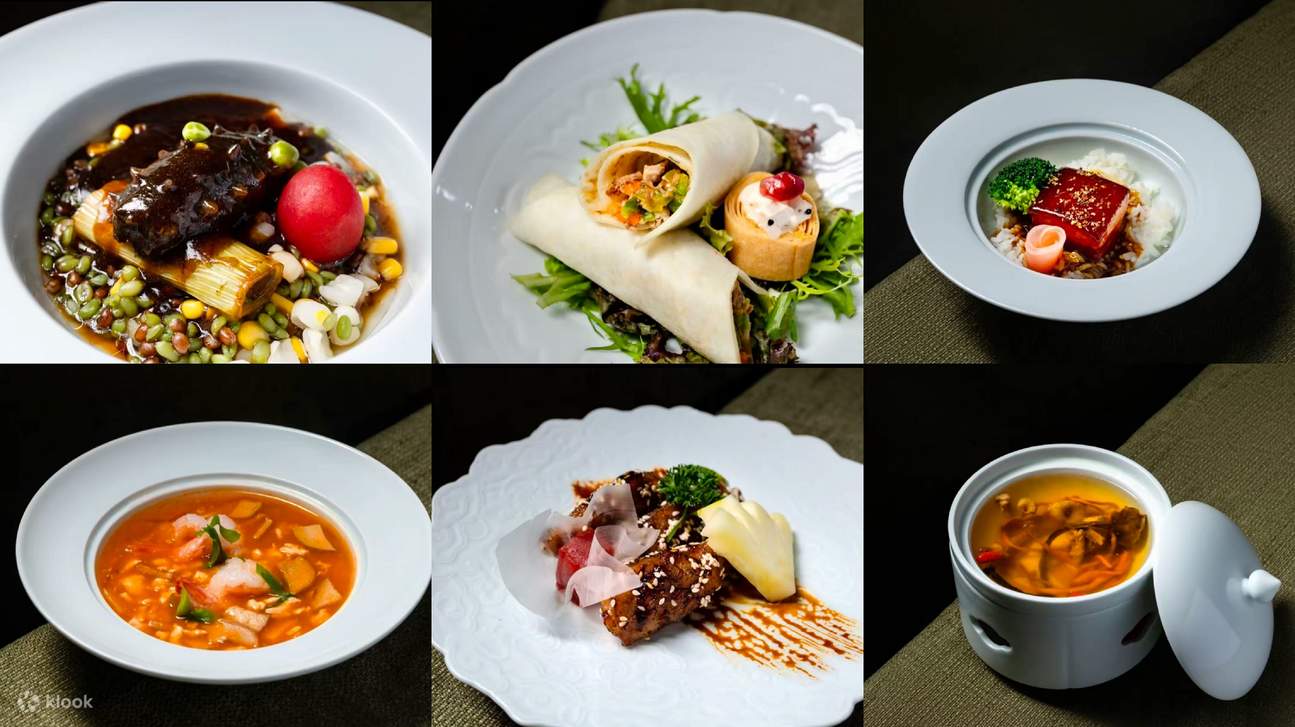
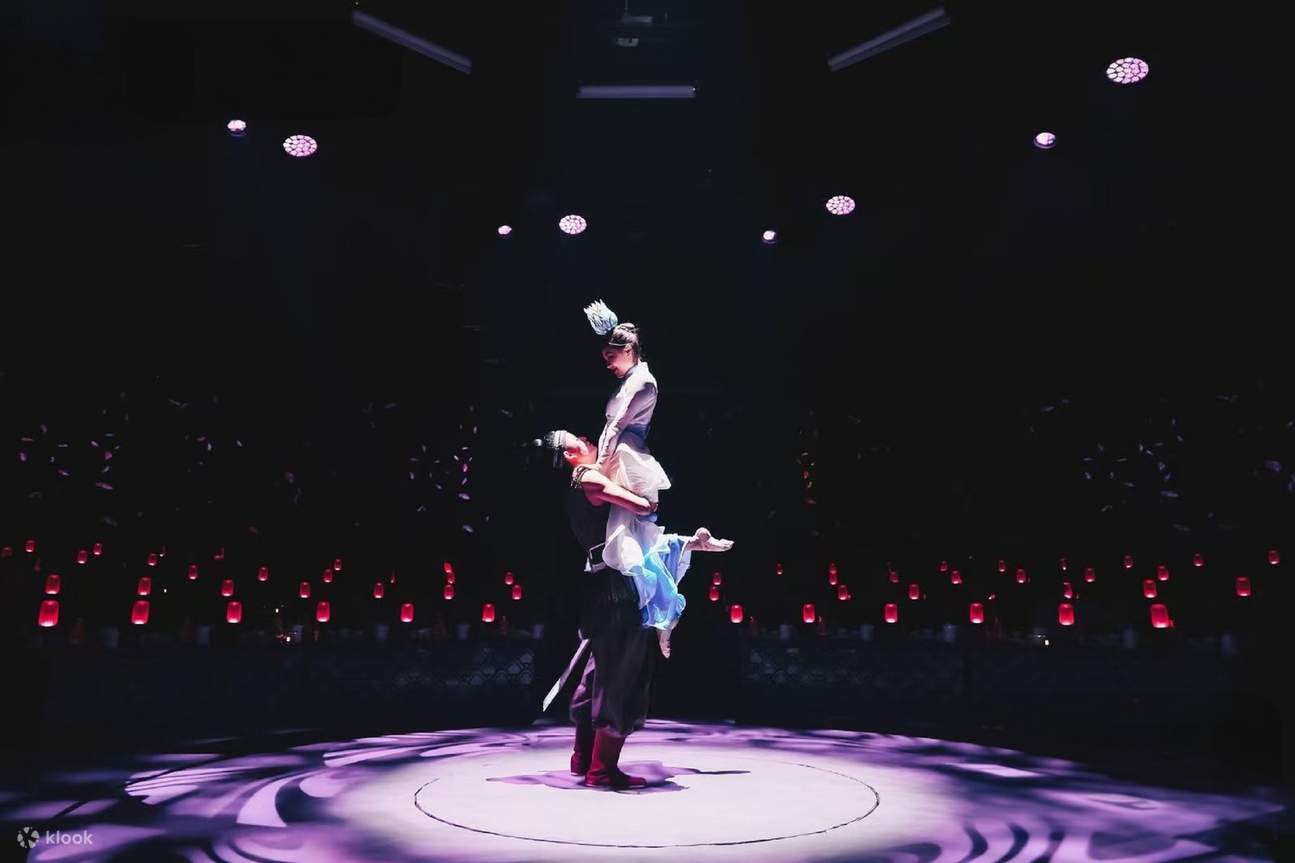
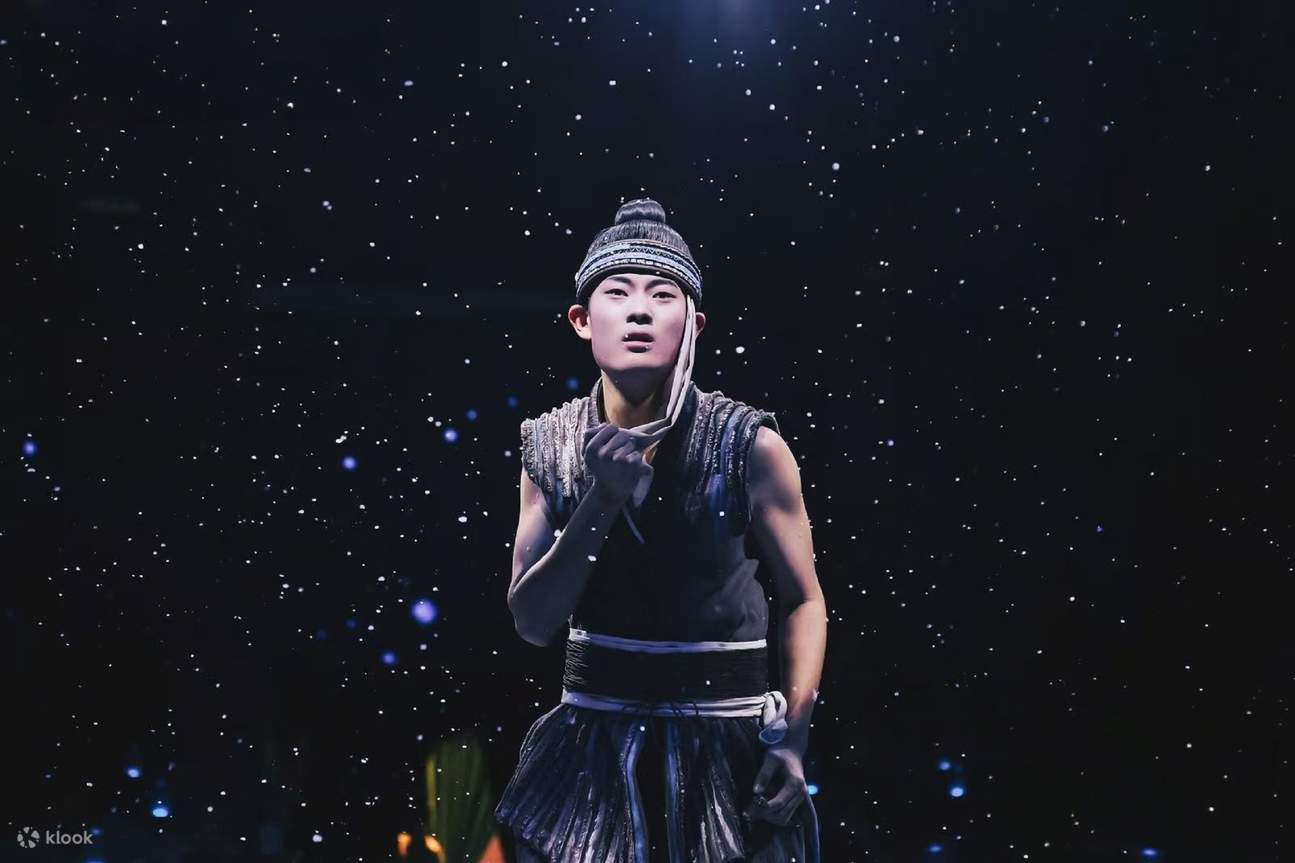
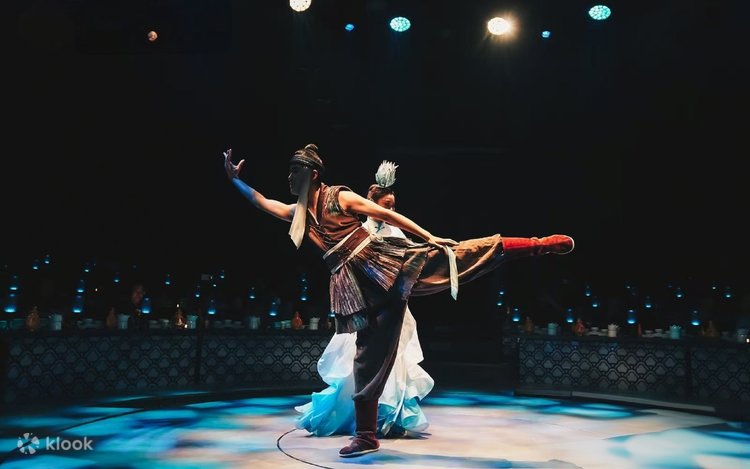
When Xingzhou’s 3,500 years of civilization meet modern immersive expression, the “Dreamy Xing Banquet” immersive dining and show theater presents a cultural feast that uses food as a bridge and history as an axis. There’s no need to deliberately dress in ancient attire; simply sit and immerse yourself in the interplay of taste, sight, and sound, touching the thousand-year-old cultural脉 of the ancient city of Xingzhou. Step into the scene and recreate the splendor of Xingzhou’s millennium. The venue takes “Xingzhou Past and Present” as its design core. The circular theater is surrounded by recreated scenes such as the palaces of the Xing Kingdom, Sui and Tang dynasty marketplaces, and Ming and Qing dynasty academies. As you move through the changing scenery, it’s as if you’re traveling through Xingzhou’s streets and alleys from different dynasties. Trace history with your taste buds; every dish is a historical footnote. The banquet menu is a culinary interpretation of Xingzhou’s culture, featuring exquisite pastries that replicate ancient banquet regulations. Each dish carries a corresponding historical story. The flowing thousand-year cultural theater makes the dining process a dynamic historical performance. Professional actors move among the tables, recreating the solemnity of the Xing Kingdom’s enfeoffment, the ingenuity of Xing kiln porcelain making, the grandeur of the Battle of Julu, and the elegance of literati gatherings through short situational dramas, classical song and dance, and folk art performances.