Hsinchu City Zoo Ticket


- The Hsinchu Zoo, founded in 1936, is the oldest zoo in Taiwan at its current site, boasting a rich history.
- Bridging the gap between people and animals to create a new field of life education.
- The park's current "5 must-see attractions" include the historical architecture "Elephant Gate," "Hippo Lele," the "Bengal Tiger's new home experience," the "Aviary," and the "Forest Canteen."
- The park retains the old aviary, and has installed climbing rope nets inside and a sandpit around the outside, transforming it into a children's exploration park.
What to expect
ー Hsinchu Zoo Introduction ー
Founded in 1936, the Hsinchu Zoo is 86 years old this year. It is the oldest zoo in Taiwan still operating at its original site, covering an area of 2.7 hectares, about one-sixtieth of the area of the Taipei Zoo in Muzha. In 2017, the "Zoo Regeneration Project" was launched, with three core values: First, animal-friendliness, creating cage-free exhibition areas suitable for animals, with each animal activity space being 1.5 times larger than before; second, preserving historical memory, the park specially preserves old trees and historical buildings such as the Elephant Gate, so that everyone feels familiar and full of surprises when they enter the zoo; third, promoting life education, making the zoo a good place to experience life education, which is an important mission of the Hsinchu Zoo. The zoo reopened on December 28, 2019, revitalizing this once gradually forgotten zoo, transforming it into a popular attraction. The park's current most popular "5 highlights" include the historical building "Elephant Gate," "Hippo Lele," "Bengal Tiger New Home Experience," "Big Bird Cage," and "Forest Cafeteria."
The "Elephant Gate" was built by a Japanese designer imitating the gate of the Hagenbeck Zoo in Germany. During this zoo renovation, the team peeled off layers of paint to find the most authentic color of the Elephant Gate, finally revealing the original blue-green color of the elephant head after removing 13 layers. Many people still cherish childhood photos with the Elephant Gate, and are welcome to take a "time-reversed photo" after the reopening! After entering through the Elephant Gate, the second must-see spot is the home of the popular animal star "Hippo Lele" on the right. After the new home was "renovated," Hippo Lele's living space doubled. The park has specially set up ultra-low glass viewing windows for young children, forming a "cutest skyline" of about 120-130 cm. Children can enjoy a panoramic view of Lele eating feed, Lele walking ashore shaking his head, and Lele sunbathing in the sandpit. Parents no longer have to worry about lifting their children high or holding them until their arms ache.
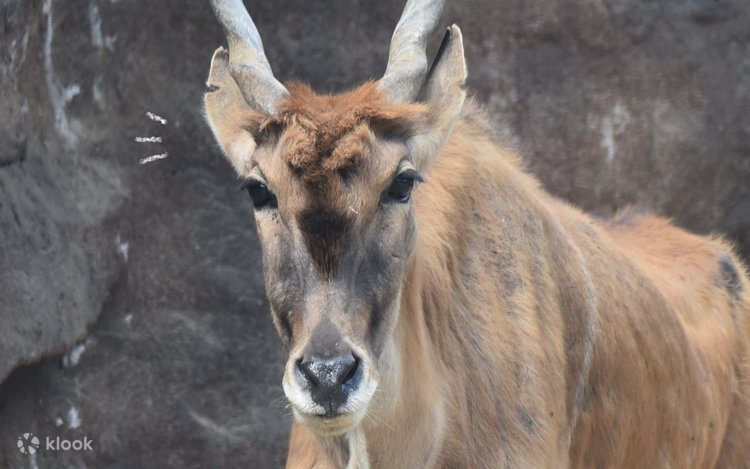
In the "Rainforest Corridor," you have the opportunity to see the star animals up close—the Bengal tiger twin brothers "Liu Fu" and "Lai Fu," and the tiger brothers' neighbors, orangutan Xiong Da and Malayan sun bear Du Du and Winnie, which always surprise and delight children. In fact, from the animals' point of view, we are the humans trapped in the secret passage. Who is watching whom is still unknown! The "Old Bird Cage" has been preserved by the park and transformed into a children's exploration park with climbing rope nets and a sandpit, making many children reluctant to leave. Parents can take the opportunity to rest or take photos for their children to check in. The "Forest Cafeteria" is a stunning art museum-like parent-child restaurant. The white, simple, and neat shape is matched with large glass curtain walls, allowing diners to overlook the elands in the high-grass sparse forest area through the floor-to-ceiling windows, "enjoying meals while watching elands," recharging and continuing to explore the zoo.
If you're not satisfied, there is also the Hsinchu City Library Zoo Branch on the first basement floor and the "free unlimited access" Insect Museum on the century-old avenue around the zoo, which are also must-visit places for parents and children. The Hsinchu City Cultural Affairs Bureau has created a warm reading space, collecting many books on flora and fauna ecology, allowing children to absorb knowledge to their heart's content. The "Insect Museum," converted from the old Broadcasting Station, exhibits animals such as Hercules beetles, Sulcata tortoises, snake-eating turtles, capybaras, chameleons, and spectacled caimans. Animal lovers should not miss it. Buy Hsinchu Zoo tickets now and enjoy exclusive discounts!
Hsinchu Zoo Transportation and Parking Information Visitors can choose to drive to Hsinchu Zoo. Take the Hsinchu Interchange on National Highway No. 1, go straight on Guangfu Road towards Hsinchu, and when you encounter the overpass, do not go on the bridge, take the outer lane, then turn left onto Shipin Road, and turn right at the intersection of Bo’ai Street. There are many parking lots near the zoo to choose from, including the Hsinchu Zoo Underground Parking Lot and the parking lot in front of the gymnasium, which are closer to the zoo. If you don’t want to drive, you can also take public transportation to Hsinchu Zoo. It is about a 15-minute walk from Hsinchu Railway Station to the zoo. In addition, you can take Hsinchu Bus No. 1, 2, or 31 to the Park Station and get off.



Location